
Decking the Halls with Blood and Fear: ‘Christmas at the Kringles’ Delivers a Darkly Festive Horror-Comedy
Main Facts
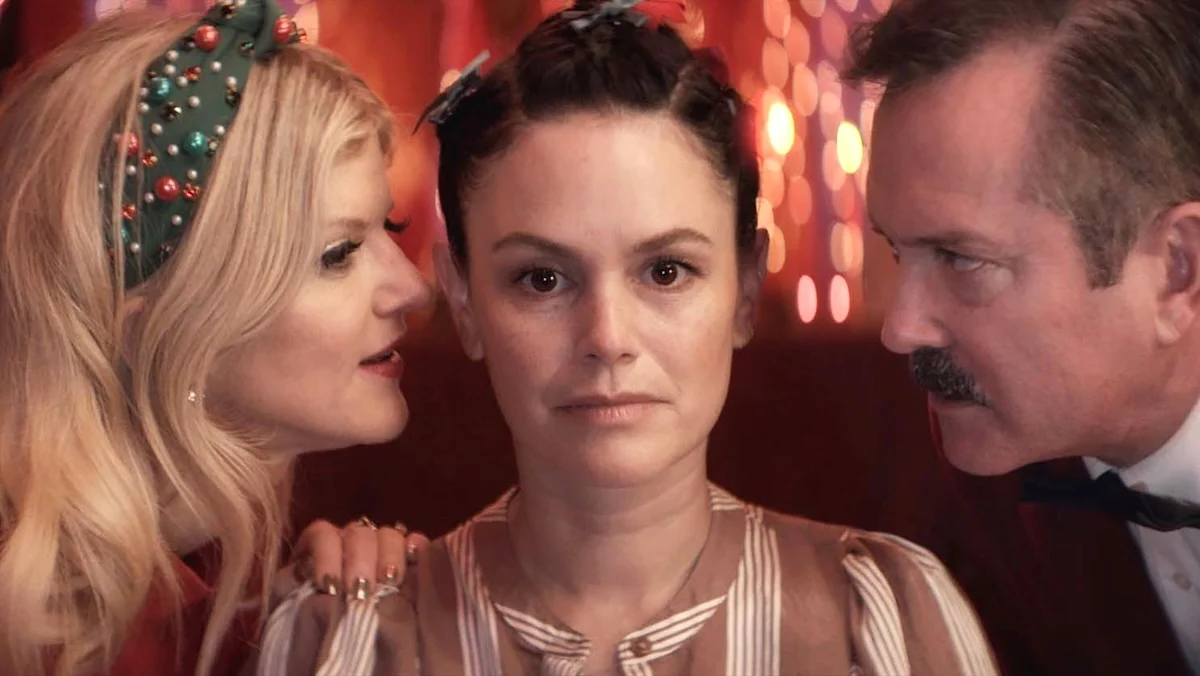
The holiday season is arriving early this year, infused with a heavy dose of terror and dark comedy. Briarcliff Entertainment has officially released the trailer for Christmas at the Kringles, an upcoming feature film that pushes holiday cheer to its absolute, psychotic breaking point. Directed by Kevin Lewis—best known for helming the Nicolas Cage-starring killer-animatronic cult hit Willy’s Wonderland—and written by Zack Imbrogno (Slayers), the film explores what happens when a suburban family takes their obsession with December 25th 365 days a year.
The plot centers on the Seversons, a family attempting a fresh start by moving into a quiet, unassuming suburban neighborhood. Unfortunately, their next-door neighbors—the eponymous Kringles—live in a state of perpetual yuletide ecstasy, celebrating Christmas every single day of the year. What initially presents as eccentric, neighborhood-friendly enthusiasm quickly devolves into a waking nightmare. As the Severson parents, Mark and Julie, grow deeply unsettled by their young son’s rapidly escalating attachment to the eccentric neighbors, tensions mount, leading to a fateful confrontation.
When Mark heads next door to retrieve his family, he stumbles upon a terrifying reality: the Kringles are not merely jolly; they are a cult. Their ultimate goal is to hypnotize and indoctrinate the neighborhood into their relentless holiday fold. To save his wife and son, Mark is forced into an uneasy alliance with a rogue, no-nonsense, highly lethal version of Santa Claus, kicking off an action-packed, blood-soaked rescue mission.
Boasting a stellar comedic cast that features Ron Livingston, Rachel Bilson, Rob Riggle, Arden Myrin, Donald Faison, and Thomas Lennon, Christmas at the Kringles is slated to hit theaters on October 30. By arriving just in time for the spookiest weekend of the autumn season, the film promises to bridge the gap between Halloween chills and Christmas thrills in the most chaotic way possible.
Chronology
To understand how Christmas at the Kringles evolved from a wild concept into one of the most anticipated genre-hybrid releases of the late year, it helps to examine the timeline of its development, production, and marketing rollout.
- The Conceptualization Phase: Writer Zack Imbrogno conceptualized a story that subverts the traditional, heartwarming tropes of Hallmark-style Christmas movies. By taking the "Christmas all year round" cliché—a phrase usually uttered by wide-eyed optimists or festive fanatics—and viewing it through a dark, satirical, and horrific lens, the foundation for the screenplay was laid.
- Securing the Creative Team: Director Kevin Lewis, fresh off the chaotic success of Willy’s Wonderland (2021), boarded the project. Known for his ability to blend high-concept genre tropes with heightened, comedic performances, Lewis was viewed as the ideal visionary to bring the hyper-stylized world of the Kringles to life.
- Casting and Pre-Production: Throughout casting announcements, the project generated significant industry buzz by assembling a recognizable ensemble of comedy and drama veterans, including Ron Livingston (Office Space), Rachel Bilson (The O.C.), Rob Riggle (The Daily Show), Arden Myrin (Insatiable), Donald Faison (Scrubs), and Thomas Lennon (Reno 911!). This blend of straight-man actors and comedic ringers positioned the film as a dark comedy with genuine chops.
- Distribution Acquisition: Briarcliff Entertainment recognized the commercial appeal of a genre-bending, festive horror-comedy and acquired the distribution rights, setting a strategic theatrical release window designed to capture both horror fans and holiday-weary audiences.
- The Trailer Drop and Marketing Campaign: Briarcliff released a retro-styled trailer that immediately signaled the film’s tonal ambitions: zero hesitation when it comes to practical gore, snappy comedic timing, and surreal suburban horror.
- The Theatrical Premiere: Christmas at the Kringles is scheduled to open nationwide on October 30, perfectly timing its theatrical debut to straddle the line between Halloween horror and the impending holiday onslaught.
Supporting Data
The commercial and artistic framework of Christmas at the Kringles relies heavily on the pedigree of its cast and crew, as well as the enduring financial and cultural viability of the "holiday horror" subgenre.

Key Personnel and Film Credits
- Director: Kevin Lewis (Willy’s Wonderland)
- Writer: Zack Imbrogno (Slayers)
- Distributor: Briarcliff Entertainment
- Release Date: October 30 (just ahead of Halloween)
- Primary Cast Members:
- Ron Livingston (Mark Severson)
- Rachel Bilson (Julie Severson)
- Rob Riggle
- Arden Myrin
- Donald Faison
- Thomas Lennon
The Economic and Cultural Rise of Holiday Horror
Holiday-themed horror movies have undergone a massive renaissance over the past decade. Historically, films like Black Christmas (1974) and Gremlins (1984) proved that the juxtaposition of wholesome holiday aesthetics with visceral terror creates a potent cinematic cocktail. In recent years, pictures like Krampus (2015), Better Watch Out (2016), Violent Night (2022), and Terrifier 3 (which similarly weaponized Christmas imagery) have proven that audiences crave counter-programming during the winter months.
Christmas at the Kringles takes this tradition a step further by moving the setting away from the standard December timeline and introducing it as a psychological and physical suburban infiltration. By utilizing a mid-fall (October 30) release date, the film capitalizes on horror fatigue or horror fandom at its seasonal peak, inviting moviegoers to anticipate the winter holidays with a healthy dose of dread.
Official Responses and Industry Insights
While full-length critical reviews will follow the October 30 premiere, the official synopses, promotional materials, and creative statements released by Briarcliff Entertainment offer a clear window into the tone and intentions behind Christmas at the Kringles.
In its official marketing copy, Briarcliff Entertainment leans heavily into the absurdity of the premise, describing the narrative arc as a descent from suburban neighborliness into total madness:
"What begins as charming quickly turns unsettling, as Mark and Julie grow concerned about their son’s growing attachment to the family. After a heated confrontation, Mark heads next door to bring his family home only to uncover the Kringles’ true intentions: to hypnotize and indoctrinate them. What follows is a life-or-death rescue mission, as Mark teams up with a rogue, badass Santa in a high-stakes, action-packed fight to save his family."
Director Kevin Lewis has previously spoken about his affinity for high-concept genre filmmaking that does not take itself too seriously while maintaining genuine cinematic craft. In interviews surrounding his past works, Lewis emphasized the importance of grounding absurd premises with committed, energetic performances—a philosophy clearly applied here given the casting of seasoned comedy veterans like Thomas Lennon and Rob Riggle alongside dramatic anchors like Ron Livingston.
Industry analysts note that casting recognizable television and film stars in horror-comedy hybrid projects helps bridge the gap between niche horror enthusiasts and mainstream audiences looking for a fun night out at the multiplex. The inclusion of a "rogue, badass Santa" signals that the film will embrace self-aware, action-movie tropes, providing a pressure-release valve for the heavier psychological horror elements of cult indoctrination.
Implications
The release of Christmas at the Kringles carries several broader implications for the horror-comedy genre and the theatrical distribution landscape during the shoulder seasons between autumn and winter.
Subverting the Industrial Holiday Complex
For decades, mainstream media—led by networks like Hallmark and Lifetime—has aggressively marketed an idealized, sugar-coated version of the winter holidays. These cultural artifacts promote relentless cheer, family harmony, and commercial consumption as moral imperatives. Christmas at the Kringles functions as a direct, satirical counter-assault on this "industrial holiday complex." By literalizing the horrors of forced jollity and toxic positivity into a literal cult bent on hypnotic indoctrination, the film taps into a very real cultural fatigue: the exhaustion many people feel when confronted with inescapable holiday corporate marketing and social pressure to be happy.
The Evolution of October/November Counter-Programming
Traditionally, October is reserved strictly for straight horror, while November kicks off the massive family-friendly studio blockbusters and awards-season dramas. By dropping Christmas at the Kringles on October 30, Briarcliff Entertainment is continuing a lucrative modern trend of blurring seasonal boundaries. Audiences no longer feel constrained by rigid calendar rules regarding what kind of movie they should watch. A horror-comedy about a killer Christmas cult released on the eve of Halloween proves that genre fans enjoy the delicious irony of celebrating Christmas terror while carving pumpkins.
A New Playground for Comedic Actors
The film also highlights a growing trend wherein respected comedic and dramatic actors enthusiastically embrace the blood-and-guts sandbox of genre filmmaking. Performers like Ron Livingston and Rachel Bilson lending their talents to a violent, retro-style horror-comedy demonstrates that the stigma once attached to genre cinema has evaporated. Today, actors recognize that films like Christmas at the Kringles offer them the chance to flex their physical comedy muscles, engage in high-octane action sequences, and deliver sharp satirical commentary, all while treating the material with total, committed sincerity.
As October 30 approaches, neighbors everywhere might want to check twice to see what their local holiday enthusiasts are putting up in their yards. Because if Christmas at the Kringles is any indication, the people who say "I wish it were Christmas all year!" might just be waiting to lock your doors, brainwash your children, and deck the halls with your blood.
