Let’s Get Dangerous: Disney+ Orders New ‘Darkwing Duck’ Series Starring Mark Hamill and Produced by Point Grey Pictures
By Jamie Lang (Enriched & Expanded) | Published: September 23, 2026
Main Facts: The Return of the Terror That Flaps in the Night
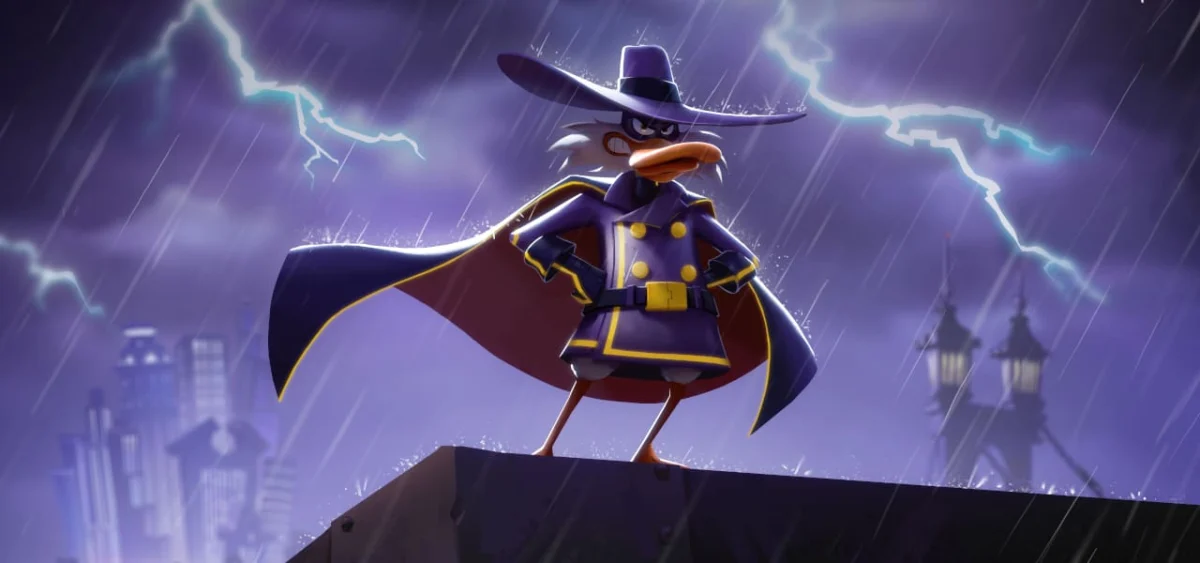
Disney has officially greenlit an all-new animated revival of the beloved cult-classic series Darkwing Duck for its flagship streaming platform, Disney+. The upcoming project introduces a bold narrative premise, casting legendary actor Mark Hamill (Star Wars, Batman: The Animated Series) as the iconic, cape-wearing vigilante Drake Mallard, succeeding Jim Cummings, who famously originated the role in the 1991 Emmy-nominated original.
Developed by Disney Television Animation, the new iteration finds the ego-driven crime-fighter stranded in an alternate dimension for 35 years—a reality where his once-celebrated superhero exploits have faded into absolute obscurity. His retirement from the public consciousness comes to an abrupt end when a rebellious, tech-savvy teenager named Duckie stumbles across records of his heroic past. Pulling the reluctant, theatrical duck out of his existential rut, Duckie convinces him to don the purple cape once more.
Together, the mismatched duo will navigate a redesigned St. Canard, confronting classic, fan-favorite adversaries such as the villainous, chainsaw-wielding alternate-self Negaduck and the crackling, electricity-manipulating Megavolt. Furthermore, the series promises high-profile reunions with trusted allies, including the crash-prone pilot Launchpad McQuack, the spirited adopted daughter Gosalyn, and the spellbinding mystic Morgana.
Behind the scenes, the creative architecture of the series boasts heavy-hitting talent. Sean Tretta (Star Trek: Picard) and Borja Peña Gorostegui (Lost & Crowned) are steering the ship as executive producers and showrunners. Meanwhile, Point Grey Pictures—the production powerhouse headed by Seth Rogen, Evan Goldberg, and James Weaver, alongside Alex McAtee and Gabby Grantham—is handling production duties. Tad Stones, the visionary creator who breathed life into the original 1991 series, has stayed closely tethered to the production as a consultant, ensuring the project maintains a throughline to the property’s rich history.
The voice cast reads like a Hollywood who’s-who, featuring Seth Rogen as Launchpad McQuack, Lizzy Caplan as Gosalyn, and Lilimar as the newcomer Duckie. Rounding out the ensemble are Dan Stevens, Tiffany Shepis, Kathryn Newton, Teo Briones, Tyler Dean Flores, Katie Rich, and Nat Faxon.
Chronology: From 1991 Saturday Morning Staple to the 2026 Disney+ Revival
To understand the magnitude of this revival, it is crucial to trace the lineage of Darkwing Duck across its decades-long footprint in television animation history.
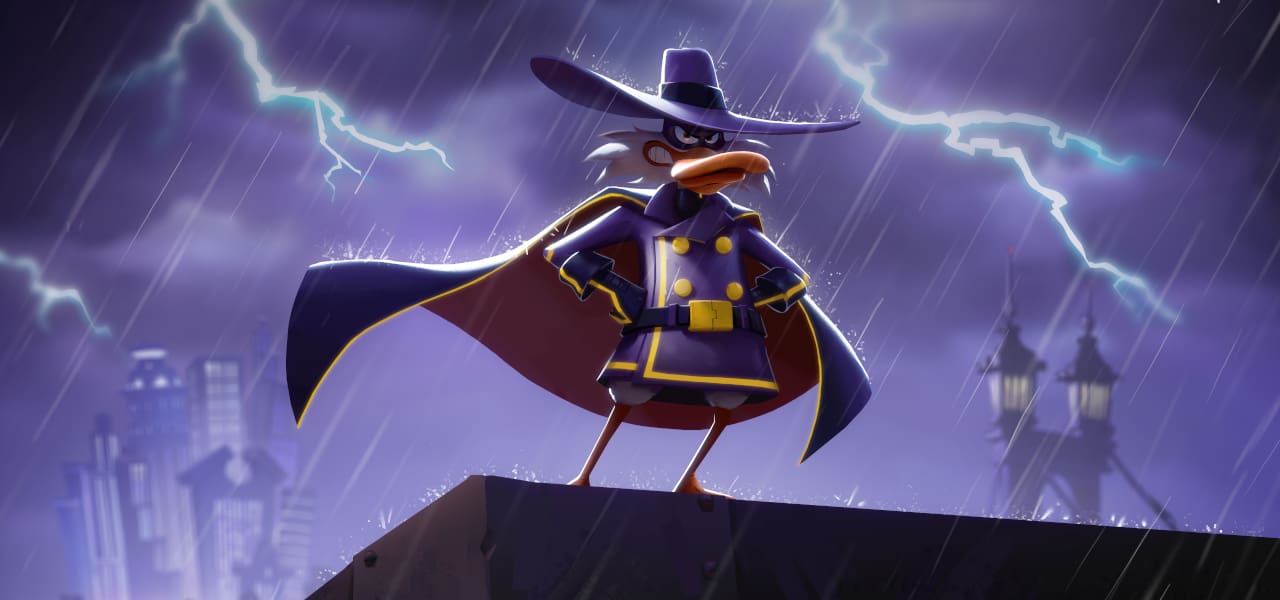
- September 1991: The original Darkwing Duck debuts as part of the iconic Disney Afternoon syndication block. Created by Tad Stones, the series blends superhero parody tropes from Batman and The Shadow with classic screwball animation, running for 91 episodes across three seasons and earning widespread critical acclaim and Emmy recognition.
- Late 1990s–2010s: Following its cancellation, the series maintains a fiercely loyal cult following through home video releases, comic book adaptations (notably by Boom! Studios and later Dynamite Entertainment), and endless reruns. The character cements himself as an irreplaceable icon of 1990s animation culture.
- 2017–2021: Disney’s critically acclaimed DuckTales reboot on Disney XD introduces a modernized, multi-episode storyline featuring Darkwing Duck. However, this version serves as a meta-fictional in-universe television show within the DuckTales continuity before Drake Mallard eventually steps into live-action heroism in the series finale, heavily sparking fan desires for a dedicated spin-off.
- November 2020: Early trade reports surface indicating that Seth Rogen and Point Grey Pictures are developing a standalone Darkwing Duck reboot project for Disney+. For years, the project languishes in development hell without official updates, leaving fans uncertain about its fate.
- September 2026: Disney officially shatters years of silence by greenlighting the series. The announcement reveals a drastically altered premise—stranding Drake Mallard in an alternate world for 35 years—alongside a star-studded cast led by Mark Hamill and a direct-to-streaming strategy via Disney+.
Supporting Data: Production Teams and Voice Cast Breakdown
The production of the new Darkwing Duck represents a fascinating collision between traditional animation royalty and modern, creator-driven comedic sensibilities. The data surrounding the series highlights a deliberate effort to blend nostalgia with contemporary prestige streaming aesthetics.
Key Creative Personnel
- Creators & Showrunners: Sean Tretta (Star Trek: Picard) and Borja Peña Gorostegui (Lost & Crowned).
- Producers: Point Grey Pictures (Seth Rogen, Evan Goldberg, James Weaver, Alex McAtee, and Gabby Grantham).
- Consultant: Tad Stones (Original Series Creator).
- Studio: Disney Television Animation.
Principal Voice Cast
| Character | New Voice Actor | Original / Prior Voice Actor / Notes |
|---|---|---|
| Drake Mallard / Darkwing Duck | Mark Hamill | Jim Cummings (1991 Original) |
| Launchpad McQuack | Seth Rogen | Terry McGovern (1991 Original), Beck Bennett (2017 DuckTales) |
| Gosalyn Mallard | Lizzy Caplan | Christine Cavanaugh / Susie Gregg (1991 Original), Stephanie Beatriz (2017 DuckTales) |
| Duckie (New Character) | Lilimar | Original character created for the 2026 series. |
| Supporting Cast | Dan Stevens, Tiffany Shepis, Kathryn Newton, Teo Briones, Tyler Dean Flores, Katie Rich, Nat Faxon | Various undisclosed roles, including returning villains like Megavolt and Negaduck. |
Official Responses and Industry Reception
Reactions to the greenlight have been deeply passionate, sparking a widespread discourse across social media platforms, animation forums, and industry trades.
Original series creator Tad Stones expressed immense enthusiasm regarding the creative direction of the reboot. In an official press release accompanying the announcement, Stones noted:
"The new creative team has certainly amped up the action and comedy without forgetting the Disney heart."
This sentiment of modernizing the franchise while preserving its emotional core is central to the pitch brought forward by executive producers Tretta and Gorostegui. Point Grey Pictures has deliberately positioned the show to appeal to both adult animation enthusiasts who grew up watching the original Disney Afternoon blocks and a new generation discovering these characters for the first time on streaming.
However, the initial fan response online has been heavily divided. While many have praised the high-profile casting of industry titan Mark Hamill—whose extensive vocal resume spans legendary roles like the Joker in Batman: The Animated Series and Fire Lord Ozai in Avatar: The Last Airbender—a vocal contingent of the fanbase has expressed strong reservations.
The primary points of criticism center around three major creative decisions:
.png)
- The Replacement of Jim Cummings: For nearly 35 years, Cummings was universally acknowledged as the definitive voice of Darkwing Duck. His distinctive, theatrical bravado and melodramatic line delivery became synonymous with the character. The decision to cast Mark Hamill, while universally respected as a voice acting legend, has disappointed purists who hoped Cummings would reprise his signature role.
- Continuity and the DuckTales Connection: Many fans anticipated that the new series would directly spin out of Frank Angones and Matt Youngberg’s critically adored 2017 DuckTales continuity, where the character had already been successfully reintroduced to modern audiences. By choosing a completely fresh, isolated narrative premise—stranding Drake in a dimension where nobody remembers him—Disney has opted for a clean slate rather than honoring recent iterations.
- Visual Redesigns: Early promotional artwork and aesthetic descriptions have hinted at a stylized visual overhaul. Purists have voiced concern over modern character design trends applied to classic 90s animation silhouettes.
Implications: What This Means for Disney’s Animation Strategy
The greenlighting of Darkwing Duck carries significant strategic implications for both Disney Television Animation and the broader streaming landscape on Disney+.
1. Monetizing Nostalgia Through a Modern Lens
Disney continues to mine its vast vault of intellectual property, but the approach with Darkwing Duck reveals a shift toward hiring high-profile cinematic creators (such as Point Grey Pictures) to inject mature comedic sensibilities into traditional cartoon properties. By pairing legacy IPs with modern comedic tastemakers like Seth Rogen, Disney aims to capture crossover audiences—parents tuning in out of nostalgic affection alongside younger viewers drawn in by contemporary star power and slick animation pipelines.
2. The Delicate Balance of Legacy Voice Casting
The casting controversy surrounding Jim Cummings highlights a recurring dilemma in modern animation revivals: when to honor legacy performers versus when to cast bankable A-list talent for marketing purposes. While Mark Hamill is undeniably a massive draw, the backlash underscores how deeply connected fans are to the original vocal identity of 90s cartoon characters. How the creative team utilizes Hamill’s distinct vocal stylings to capture Drake Mallard’s grandiose ego will be heavily scrutinized upon the show’s eventual premiere.
3. The Future of the "Disney Afternoon" Universe
With Darkwing Duck officially heading to Disney+, speculation is naturally mounting within the animation community regarding whether other classic properties from the golden era of syndication—such as TaleSpin, Gargoyles, or Chip ‘n Dale: Rescue Rangers (following its hybrid film success)—might receive similar high-profile treatments. If Tretta, Gorostegui, and Point Grey Pictures can successfully stick the landing with this ambitious, dimension-hopping revamp of St. Canard’s finest protector, it could pave the way for a broader revitalization of classic Disney adventure-comedy animation for the streaming era.
As production ramps up, fans of the terror that flaps in the night will be watching closely to see whether this new incarnation truly manages to "get dangerous" while staying true to the legacy built back in 1991.
