
Embracing the Cracks: Noomi Rapace on Perfection, Authenticity, and the Art of Kintsugi
By Staff Writer
Published: October 6, 2026
Main Facts
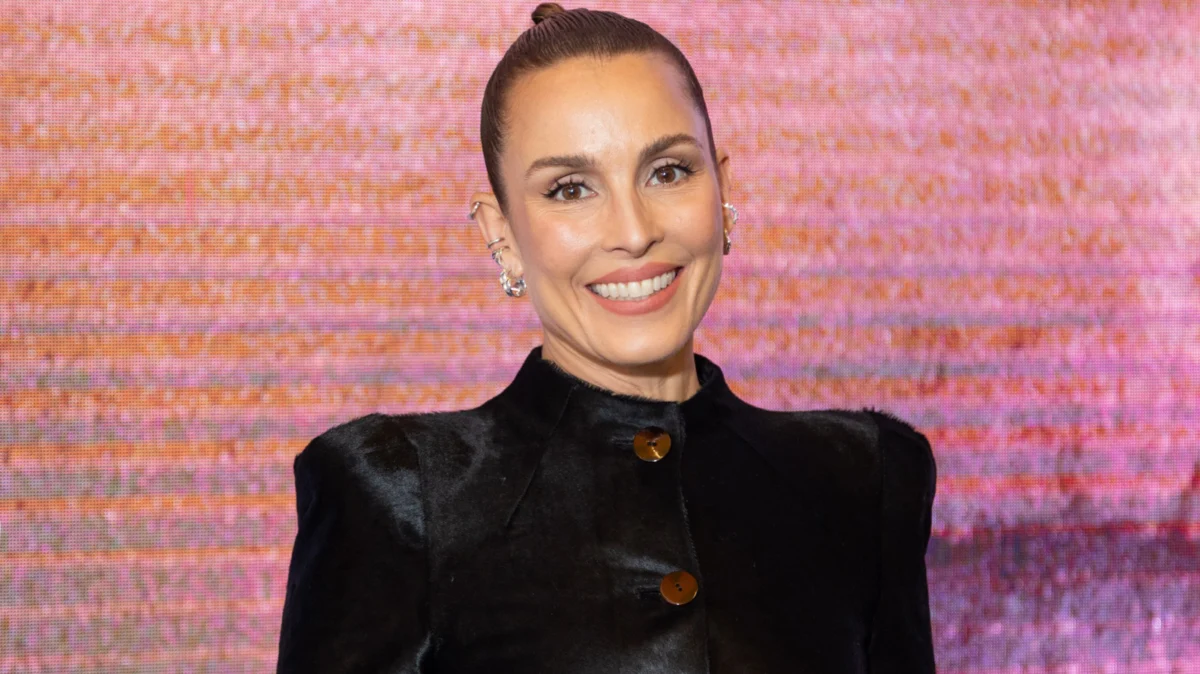
Renowned international actress Noomi Rapace has captured the cultural zeitgeist with a profound perspective on creative resilience, self-acceptance, and the illusion of flawlessness. In a widely discussed interview with The Talks, Rapace articulated a refreshing philosophy on life and artistry, centering on the idea that striving for absolute perfection is a futile endeavor.
Instead, the acclaimed star of The Girl with the Dragon Tattoo and Apple TV+’s Constellation advocates for a life lived authentically, urging individuals to welcome their vulnerabilities and missteps. Central to her philosophy is kintsugi, the traditional Japanese art of repairing broken pottery with liquid gold, turning fractures into a testament to resilience and beauty.
Rapace’s remarks offer a rare window into the psychological framework required to sustain a demanding, decades-long career in international film and television. By contrasting Hollywood’s often relentless pursuit of visual and professional perfection with a philosophy of radical self-acceptance, Rapace has reframed how artists and audiences alike view failure, doubt, and personal growth.
Chronology of a Career Built on Intensity
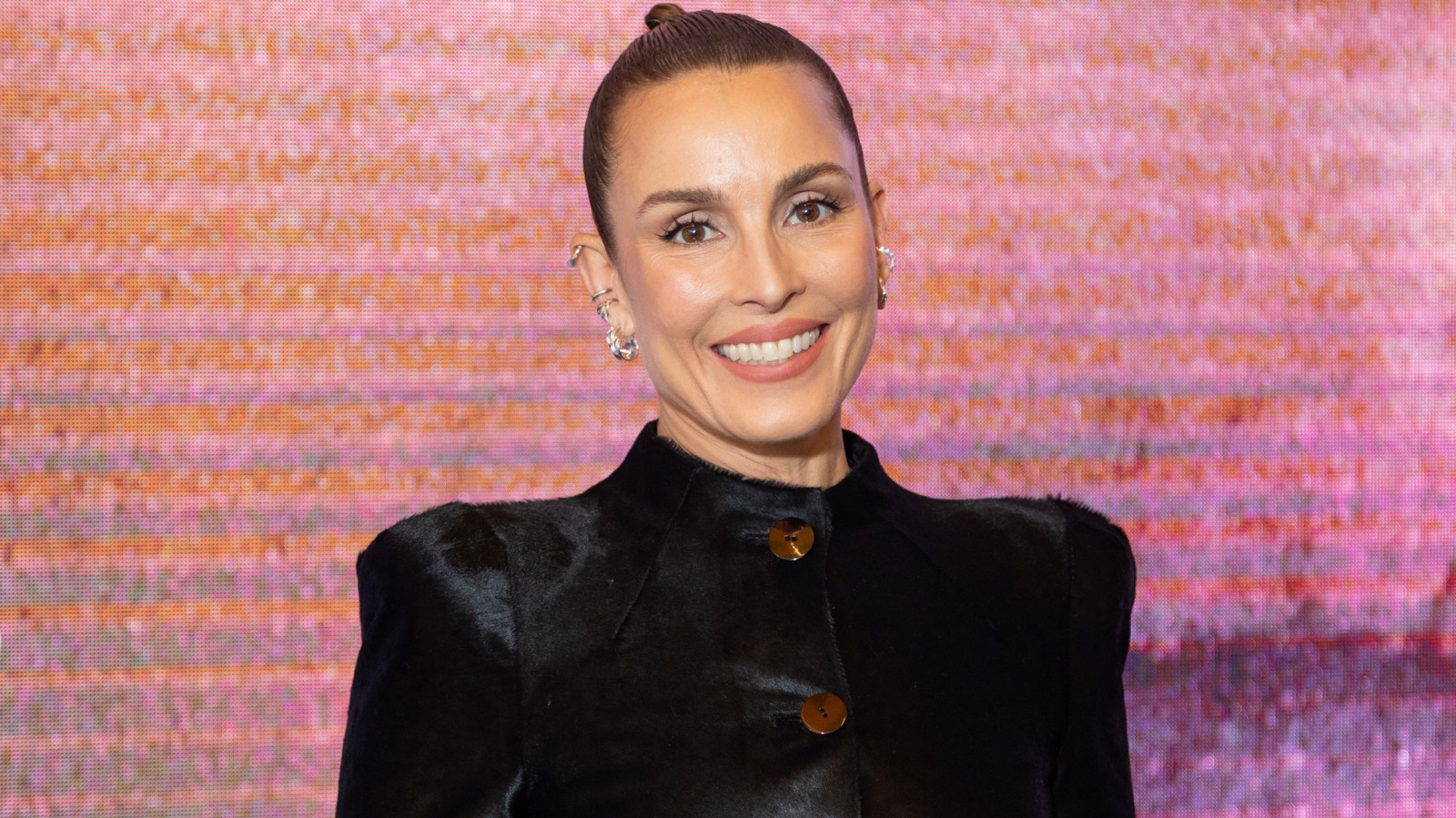
To understand the weight of Rapace’s words, one must look at the remarkable trajectory of her career—a journey defined not by safe, conventional choices, but by raw, uncompromising intensity.
The Breakthrough: Lisbeth Salander (2009)
Rapace first commanded global attention with her masterclass performance as the brilliant, traumatized, and fiercely independent hacker Lisbeth Salander in the Swedish film adaptations of Stieg Larsson’s Millennium trilogy, beginning with The Girl with the Dragon Tattoo. Her visceral portrayal earned her widespread critical acclaim, including a Golden Nymph Award, a Satellite Award, and prestigious nominations for a BAFTA, an International Emmy, and a Critics’ Choice Award. This breakout role established her trademark style: characters forged in the crucible of trauma who refuse to be broken.
Expanding into Global Blockbusters and Indie Cinema
Following her international arrival, Rapace seamlessly transitioned between major Hollywood studio pictures and daring independent cinema. She starred alongside Robert Downey Jr. and Jude Law in Guy Ritchie’s action sequel Sherlock Holmes: A Game of Shadows (2011) and stepped into the sci-fi pantheon as Dr. Elizabeth Shaw in Ridley Scott’s monumental Prometheus (2012). Her filmography further expanded with eclectic, critically praised projects including Bloodbrothers, Rupture, the Icelandic folk-horror masterpiece Lamb (2021), and You Won’t Be Alone (2022).
Television Success and Future Horizons
On the small screen, Rapace has continued to challenge herself with complex characters in projects such as Labyrinth, Tom Clancy’s Jack Ryan, and Django. Most recently, she delivered a critically lauded, emotionally resonant performance as astronaut Jo Ericsson in the psychological sci-fi thriller series Constellation. Looking ahead, Rapace is slated to star in the highly anticipated television adaptation of Ubisoft’s blockbuster franchise Assassin’s Creed, promising yet another dive into high-stakes, physically and emotionally demanding storytelling.
Supporting Data and the Philosophy of Kintsugi
The core of Rapace’s recent commentary hinges on a poignant metaphor regarding human fragility and strength. During her interview, she elaborated on why the relentless pressure to be flawless is ultimately damaging to creative people.
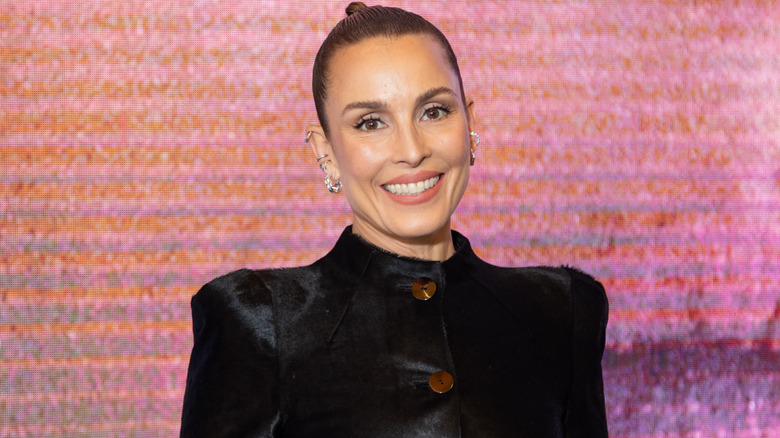
"It’s about doing the best with what you have. Perfection does not exist, so embrace the cracks, embrace all the imperfections and faults and the wrongdoings, and just let it be okay. There’s this beautiful Japanese culture of repairing pottery with gold, it’s called kintsugi. It’s really something that I think we should adapt into our lives."
Rapace noted that external circumstances frequently derail even the most meticulously laid plans, making the pursuit of control an exercise in frustration. "There’s always something, so I try to embrace the now and accept that I have no control," she observed. By applying the principles of kintsugi—where broken objects are not hidden or discarded, but highlighted and elevated by the repair process—Rapace suggests that emotional fractures and professional setbacks can become a person’s greatest source of strength. "Broken hearts will grow stronger, so we should celebrate it with gold," she added.
Official Responses and Mentorship: The Ridley Scott Connection
Rapace’s perspective on authenticity did not emerge in a vacuum; it was heavily shaped by pivotal mentorship early in her international career. Reflecting on her time working with legendary filmmaker Ridley Scott on the set of Prometheus, Rapace shared a piece of advice that permanently altered her approach to her craft.
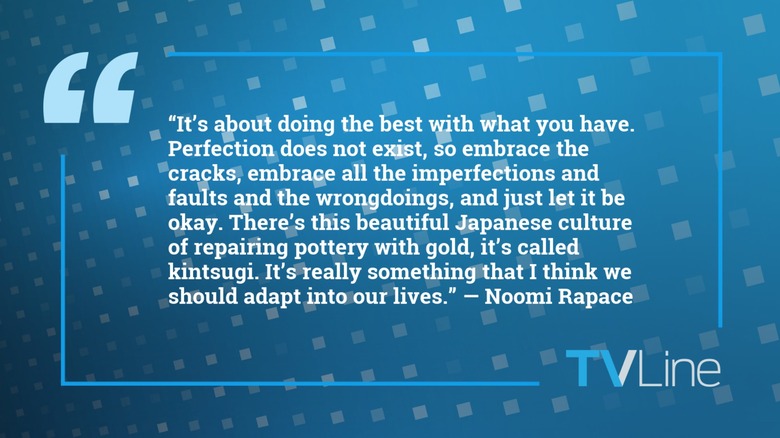
Stepping into the lead role of a major Hollywood franchise for the first time naturally invited significant imposter syndrome and anxiety. However, Scott quickly dismantled those fears on day one.
"My first day on set, Ridley said to me, ‘You don’t have to prove anything. Just come as you are,’ and to have a legendary, iconic director say to me that I should not change, that I should be me and trust what I knew … It was so reassuring," Rapace recalled.
This validation from a master filmmaker allowed Rapace to drop the exhausting armor of performative perfectionism. While she acknowledges that self-doubt remains an inevitable companion for any creative individual, she credits Scott’s advice with teaching her how to channel vulnerability into her performances rather than fighting against it.
"The older I get, I realize it’s exactly what Ridley said: Just be you," she noted. Rather than viewing professional missteps or personal flaws as disqualifying, Rapace views them as vital textures that must be woven directly into the creative process.
Implications for Artists and the Entertainment Industry
Rapace’s candid reflections carry significant implications for both the entertainment industry and contemporary discussions surrounding mental health and productivity culture.
Dismantling the Myth of Performativity in Hollywood
In an era dominated by hyper-curated social media profiles, polished promotional tours, and algorithms that reward artificial gloss, Rapace’s embrace of "the cracks" offers a counter-cultural rebellion. By openly discussing her own vulnerabilities, fears, and the liberating realization that perfection is an illusion, she normalizes the messy reality of the creative process. For younger actors navigating high-pressure franchises and intense public scrutiny, her philosophy serves as a vital anchor against burnout.
Redefining Strength Through Vulnerability
Historically, Hollywood heroes—particularly action stars and sci-fi leads of the kind Rapace frequently portrays—have been depicted as invulnerable archetypes. Through roles like Lisbeth Salander, Elizabeth Shaw, and Jo Ericsson, Rapace has consistently subverted this trope. Her characters bleed, panic, make mistakes, and break down, yet their ultimate power derives precisely from their willingness to keep moving forward despite their fractures. In championing kintsugi as a life philosophy, Rapace bridges the gap between her fictional portrayals and her personal ethos, proving that true resilience is not about avoiding damage, but about honoring the healing process.
