
The Alchemy of Grief: Why Apple TV+’s ‘Small Prophets’ Is the Quirky Dramedy of the Season
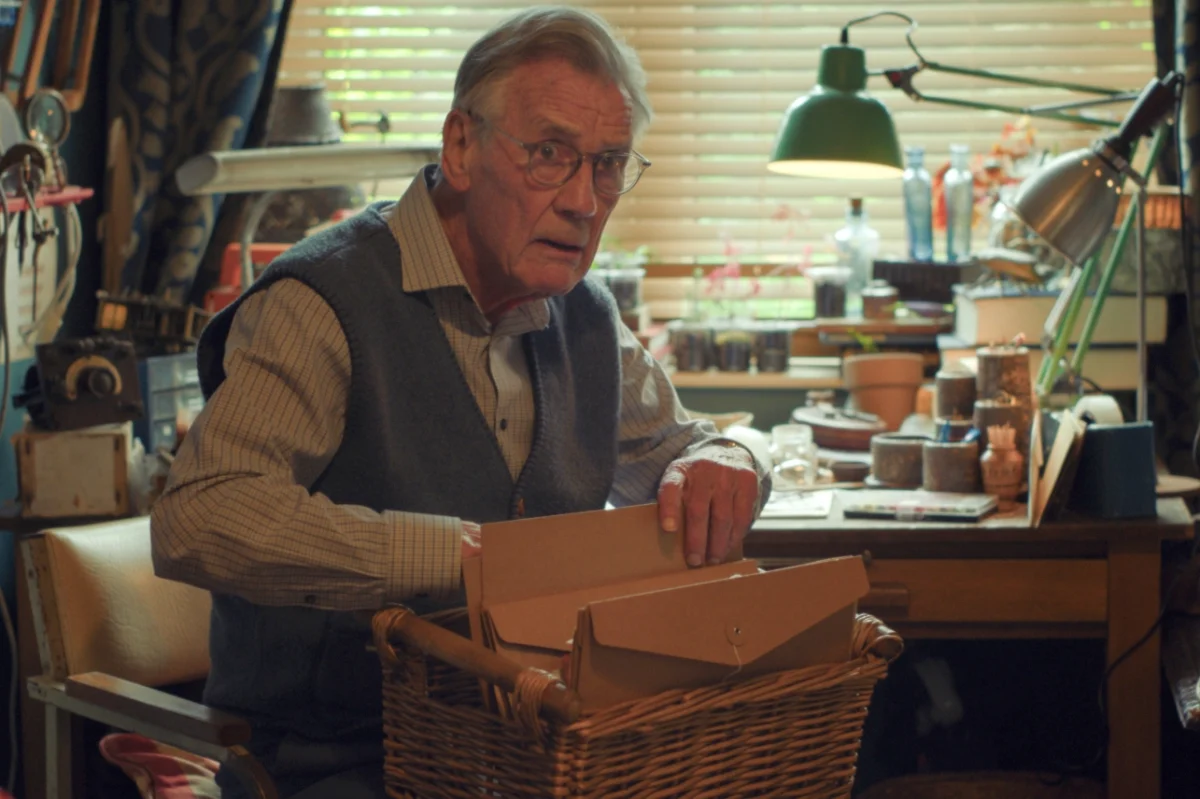
In an era of television where "quirkiness" is often manufactured by algorithms or forced through neon-soaked cinematography, Small Prophets arrives on Apple TV+ as a refreshing, organic anomaly. Written, directed by, and starring the ever-idiosyncratic Mackenzie Crook, the six-episode series manages to balance the surreal with the profoundly human. It is a show that asks, "What if the desperate desire for answers could be satisfied by something as absurd as alchemy?"
Small Prophets avoids the common pitfall of trying too hard to be "weird." Instead, it allows its eccentricity to grow from the fertile, albeit messy, soil of its protagonist’s life.
The Core Premise: A Life in Stasis
The series centers on Michael Sleep, played with a masterclass of understated pathos by Pearce Quigley. Michael is a man living in the shadow of a ghost. Seven years ago, his girlfriend, Clea, vanished without a trace, leaving him in a state of suspended animation. His house is a testament to this stagnation: boxes are stacked to the ceiling, every available surface is occupied by photographs of a life that no longer exists, and his living room has effectively become a permanent, shrine-like memorial to his missing partner.
Michael’s daily existence is a routine of quiet absurdity. He works at a big-box home center, a job he navigates by telling elaborate, nonsensical lies to customers just to alleviate the boredom. He finds a kindred spirit in Kacey (Lauren Patel), a young, skeptical cashier who shares his disdain for their insufferable manager, Gordon (played with delightful, high-strung incompetence by Mackenzie Crook himself).
However, the real emotional tether of the show lies in Michael’s relationship with his father, Brian (the legendary Michael Palin). Brian resides in a senior care facility, spending his days meticulously constructing elaborate Rube Goldberg machines—a metaphor, perhaps, for the way he and his son try to engineer solutions to their insurmountable problems. When Brian suggests he has discovered an alchemical recipe to grow "homunculi"—miniature humanoids capable of prophecy—Michael dismisses it as the rambling of a fading mind. That is, until he finds a photograph in his father’s journal that threatens to shatter his reality.
Chronology of a Descent into Mystery
To understand the pacing of Small Prophets, one must look at how the narrative threads weave together across the first season:
- The Status Quo: The pilot establishes Michael’s deep-seated loneliness. We see the friction with his neighbor, Clive (Jon Pointing), whose persistent demands to trim an overgrown garden serve as a grounding, mundane counterpoint to Michael’s internal chaos.
- The Inciting Incident: Brian’s revelation about the homunculi is not merely a plot device; it is a catalyst for Michael’s internal conflict. It represents the point where his grief shifts from passive endurance to active, desperate investigation.
- The Discovery: The discovery of the journal in the shed acts as the show’s "point of no return." Once the photograph confirms his father’s claims, the show transitions from a character study into a genre-bending mystery.
- The Escalation: As the season progresses, Michael must balance his burgeoning obsession with the homunculi against the external pressures of his life: Roy (Paul Kaye), Clea’s brother, who views Michael as a delusional obstacle to moving on; the deepening friendship with Kacey; and the encroaching reality of his father’s cognitive decline.
The Anatomy of the Quirky Dramedy
Small Prophets draws immediate, favorable comparisons to shows like Apple TV+’s The Big Door Prize. Like that series, it utilizes a "what-if" premise to examine the mechanics of human behavior. However, Small Prophets feels more tactile, more grounded in the British tradition of the "small-town eccentric" narrative that Crook perfected in The Detectorists.
The Role of Performance
The success of the show hinges on the performance of Pearce Quigley. Quigley possesses the rare ability to portray a character who is technically a misanthrope—someone who finds joy in deceiving strangers—without ever losing the audience’s sympathy. His "weirdness" is an armor, a defensive mechanism against the trauma of Clea’s disappearance.
The chemistry between Quigley and Michael Palin is perhaps the show’s greatest asset. Palin, portraying a man losing his grip on his memory, brings a warmth and fragility to the role of Brian. Their interactions are the emotional anchor of the series, shifting from moments of genuine comedy to heartbreaking glimpses of familial duty.
Supporting Data: The Craft Behind the Quirk
Mackenzie Crook’s direction is marked by a deliberate, patient pacing. In an industry obsessed with high-octane plot progression, Small Prophets allows scenes to breathe. The cinematography captures the claustrophobia of Michael’s home with a sense of texture—the dust motes, the faded edges of photographs, and the overgrown greenery of his garden all serve as extensions of his internal state.
The show’s production design is vital to its storytelling. The use of limited, cluttered spaces reflects the internal "stacking" of trauma. The home center, by contrast, is a brightly lit, sterile environment that highlights the absurdity of the modern workplace, providing the necessary levity to balance the darker, more introspective moments.
Official Responses and Industry Reception
While Small Prophets is still in its early release window, initial critical reception has been overwhelmingly positive. Critics have praised the show’s refusal to lean into cynical tropes. In an interview, Crook noted that the series was intended to explore the "geometry of grief"—how we build structures to hold our pain, even if those structures are built on shaky, or downright magical, foundations.
"I wanted to write a story about a man who wasn’t ready to let go," Crook explained. "The homunculi were a way to externalize that inability to accept an ending. It’s not really about magic; it’s about the lengths we go to for closure."
Implications: The Future of "Slow TV"
The success of Small Prophets suggests a shift in audience appetite. After years of high-stakes, explosive television, there is a clear demand for "slow TV"—narratives that prioritize character depth, nuanced performances, and a specific, localized atmosphere.
Themes of Aging and Legacy
Beyond the mystery of the homunculi, the show tackles the universal burden of the "sandwich generation." Michael is caught between a father who is slipping away and a life he hasn’t yet started. The show’s brilliance lies in its refusal to offer easy answers. Does it matter if the homunculi are real or if they are simply a manifestation of Michael’s desire for control? The show implies that the process of searching is just as important as the destination.
Addressing Grief Without Cliché
Most shows that deal with a missing person focus on the procedural hunt for a body or a culprit. Small Prophets sidesteps this entirely, focusing instead on the "missingness" itself. It explores how a person’s absence can be more present in a home than their actual existence. By introducing the fantastical element of the homunculi, the show allows for a metaphorical exploration of grief that feels fresher than standard drama.
Final Analysis: Why You Should Stream It
Small Prophets is not for the viewer who needs a cliffhanger every ten minutes. It is a show for those who appreciate the quiet, the strange, and the profoundly human. It is a series that respects the viewer’s intelligence, inviting them to sit with Michael in his cluttered living room and wonder, along with him, what happens when we stop looking for answers and start living with the mystery.
By the end of the first season, the viewer isn’t just watching a story about a man searching for his missing girlfriend; they are witnessing a man learning how to exist in a world that is fundamentally unpredictable. The blend of humor—often dark, dry, and distinctly British—and the underlying melancholy creates an atmosphere that is truly unique in the current streaming landscape.
As the final shot of the season fades, one is left not with a need for a quick resolution, but with a lingering sense of empathy. Small Prophets proves that the most "magical" stories are often the ones that are most deeply rooted in the mundane struggles of being alive.
Our Verdict: Stream it immediately. In a crowded television market, Small Prophets manages to carve out a space that is quiet, contemplative, and entirely its own. It is, quite simply, one of the most endearing pieces of television released this year.
