
Exploring the Cinematic Legacy of Buck and the Preacher: Where to Stream and Why Sidney Poitier’s Western Masterpiece Still Matters
Introduction: A Paradigm Shift in the American Western
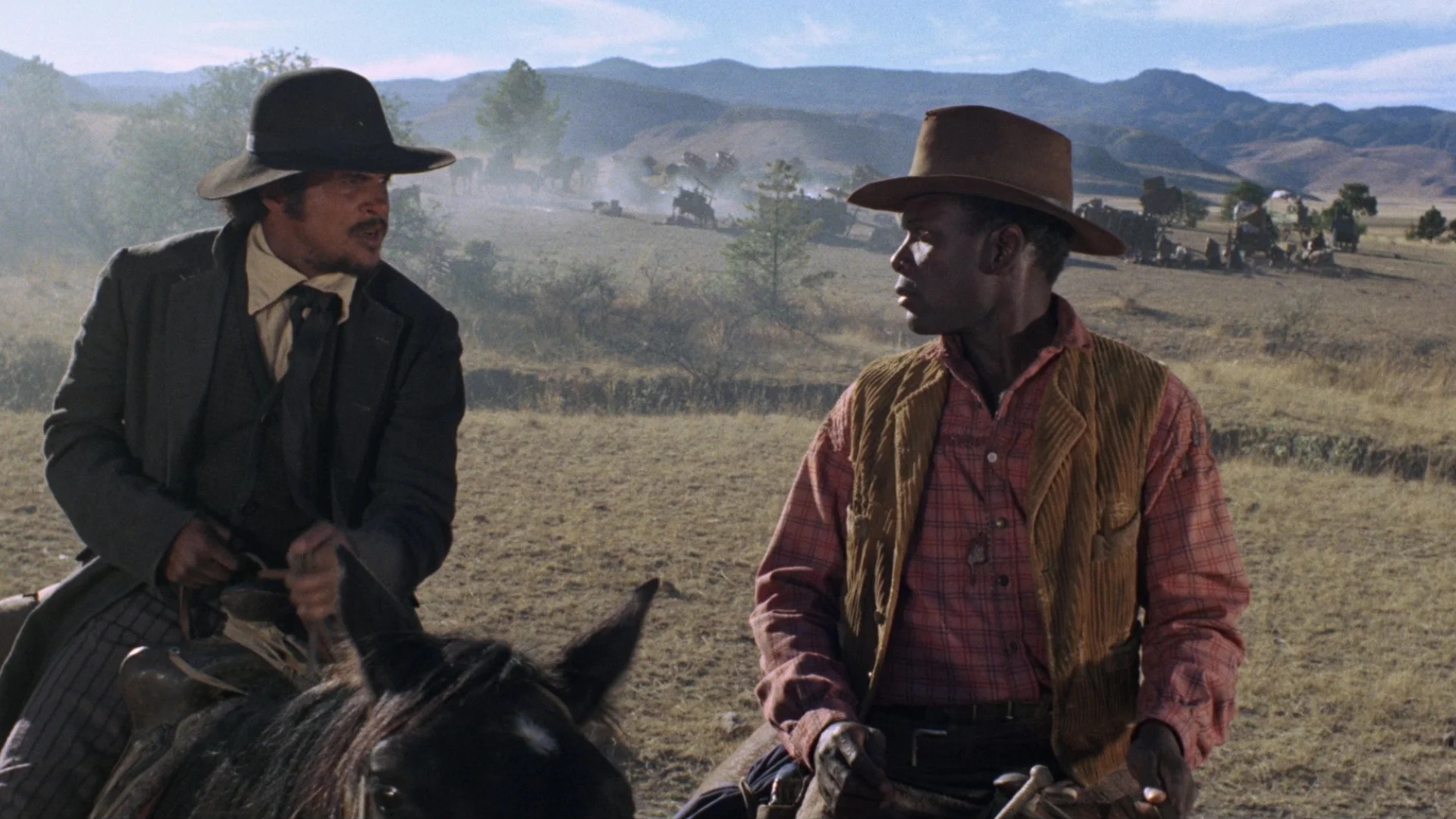
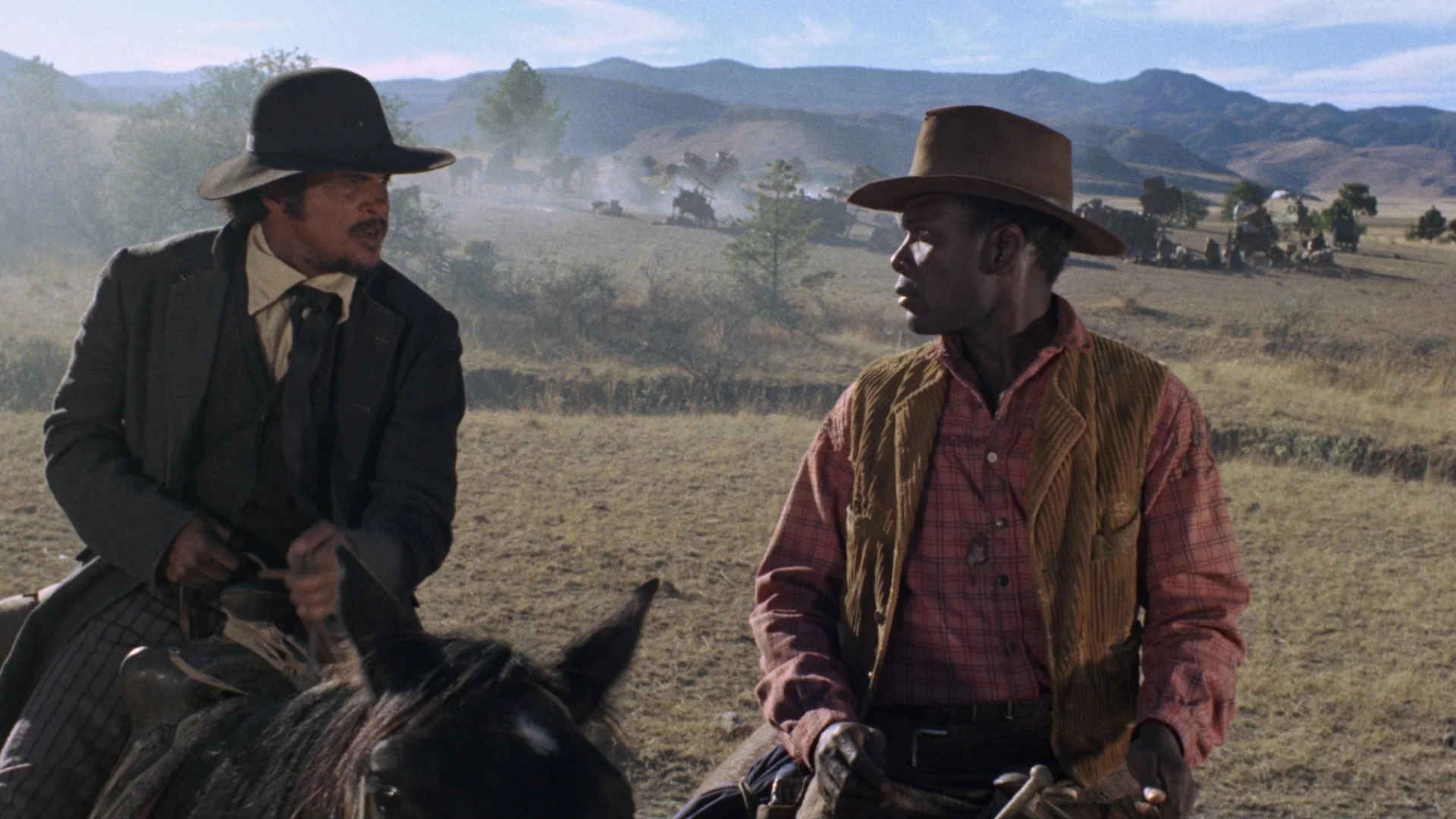
When the American Film Institute (AFI) curates guides and streaming directories for landmark motion pictures, it often sheds light on essential cinematic treasures that deserve a modern rediscovery. Among these is Buck and the Preacher (1972), a revolutionary revisionist Western that turned Hollywood’s traditional frontier mythology on its head. Starring two of the twentieth century’s most magnetic cultural icons—Sidney Poitier, who also made his feature directorial debut with the film, and legendary singer-activist Harry Belafonte—the movie offers a rare, unflinching look at the Black experience in the post-Civil War American West.
For film enthusiasts, historians, and casual viewers looking to dive into the rich tapestry of classic American cinema, finding where to stream Buck and the Preacher is the first step toward appreciating a vital piece of cinematic history. This article explores the core facts of the film, its production history, how it fits into the broader landscape of the Western genre, and why its legacy continues to resonate through organizations like the AFI.
Main Facts: The Anatomy of a Revolutionary Film
Buck and the Preacher is far more than a standard shoot-em-up horse opera; it is a meticulously crafted historical drama wrapped in the conventions of an entertaining adventure.
- The Plot: Set shortly after the Civil War, the story follows Buck (Sidney Poitier), a rugged trailblazer who guides wagon trains of freed slaves seeking a new life in the Kansas territory. Their journey is violently disrupted by white bounty hunters hired by southern landowners desperate to force the freedmen back into a state of peonage. Enter the Preacher (Harry Belafonte), a charismatic, pistol-packing con man posing as a man of God. Initially at odds, Buck and the Preacher forge an uneasy alliance that blossoms into a powerful partnership, utilizing grit, wit, and guerrilla tactics to outsmart their pursuers.
- The Creative Force: The film marks Sidney Poitier’s transition from legendary leading man to visionary director. Facing a Hollywood studio system that rarely trusted Black filmmakers with major budgets, Poitier took the reins after original director Joseph Sargent departed due to creative differences.
- The Thematic Core: Unlike traditional John Ford or Howard Hawks Westerns, which frequently marginalized or stereotyped people of color, Buck and the Preacher places Black agency, solidarity, and resistance at the very center of the narrative. The "Exoduster" movement—the real-life migration of African Americans from the post-Reconstruction South to the West—serves as the historical bedrock of the screenplay written by Ernest Kinoy.
Chronology of Production: How Buck and the Preacher Came to Be
The path to bringing Buck and the Preacher to the silver screen was fraught with creative friction, studio hesitation, and logistical hurdles, reflecting the turbulent social climate of early 1970s America.
1. The Genesis and the Partnership (Late 1960s–1970)
Sidney Poitier and Harry Belafonte, lifelong friends and civil rights activists, sought a project that would allow them to collaborate creatively while subverting Hollywood tropes. Belafonte envisioned a Western that authentically represented the Black frontier experience. Columbia Pictures greenlit the project, recognizing the immense box-office clout of Poitier, who was then one of Hollywood’s most bankable stars following the massive success of Guess Who’s Coming to Dinner and In the Heat of the Night (both 1967).
2. Directorial Transition (1971)
Production began under the direction of Joseph Sargent. However, artistic differences quickly surfaced. Sargent’s vision leaned closer to conventional Hollywood Westerns, whereas Poitier and Belafonte wanted a grittier, more politically resonant, and authentic depiction of the era. Recognizing that the film’s unique perspective was slipping away, the studio and producers mutually parted ways with Sargent. With immense pressure mounting, Sidney Poitier stepped behind the camera for the very first time in his career, balancing dual roles as the film’s star and director.
3. Principal Photography on Location (1971)
Filming took place primarily in the rugged, unforgiving landscapes of Mexico, which effectively substituted for the American West. The shift in direction infused the production with a renewed sense of purpose. Crew members and cast alike noted Poitier’s calm, authoritative, and collaborative leadership style. The chemistry between Poitier and Belafonte—who relished playing against type as a cowardly, greedy, yet ultimately heroic preacher—became the emotional anchor of the shoot.
4. Release and Reception (1972)
Released in the spring of 1972, Buck and the Preacher arrived during a transitional era for American cinema (the New Hollywood movement), sharing space with gritty urban dramas and revisionist Westerns like Robert Altman’s McCabe & Mrs. Miller. While initial box office returns were modest compared to lighter studio fare, critical re-evaluations over the decades have cemented its status as a masterwork of the genre.

Supporting Data: The Cultural and Economic Footprint
To fully understand the weight of Buck and the Preacher, one must look at the broader cinematic and historical data surrounding its release and enduring legacy.
- Box Office and Budget: Produced on a mid-tier studio budget typical for major Westerns of the early 1970s, the film grossed respectably domestically, though it truly found its financial and cultural footing through international syndication, late-night television broadcasts, and home video iterations.
- The "Black Western" Renaissance: Buck and the Preacher arrived at the height of the Blaxploitation era, yet it successfully transcended the limitations of that exploitation-heavy cycle. Alongside films like The Legend of Nigger Charley (1972) and later masterpieces like Posse (1993) and Django Unchained (2012), Poitier’s film proved that stories featuring Black protagonists on the frontier possessed deep historical validity and broad commercial appeal.
- Archival Preservation: Organizations such as the American Film Institute and various national film archives have continuously spotlighted the film, ensuring that high-definition digital restorations are made available for contemporary streaming platforms, physical media releases (such as the Criterion Collection), and academic study.
Official Responses and Critical Re-Appraisal
When Buck and the Preacher first premiered, contemporary mainstream reviewers were occasionally perplexed by its blending of high-stakes historical drama with elements of dark comedy and buddy-cop camaraderie. However, cultural critics and civil rights observers immediately recognized its profound importance.
Contemporary Reviews
In 1972, prominent critics noted the film’s refusal to rely on easy moralizing. Instead of presenting simple heroes and villains, the movie depicted a complex world where survival required cunning, adaptability, and collective community action. Harry Belafonte’s performance received widespread acclaim for subverting the traditional "noble hero" archetype, introducing audiences to a flawed, deeply human character who finds his courage when it matters most.
Modern Critical Consensus
In recent years, film historians associated with institutions like the AFI have re-contextualized Poitier’s directorial debut as a towering achievement. Modern reviews frequently praise the film’s cinematography—which captures the vast, dusty expanse of the frontier without romanticizing it—and its sharp, politically conscious script. Critics today often cite Buck and the Preacher as a vital corrective to decades of whitewashed Western history, demonstrating that African Americans were integral to the settling, building, and defending of the American frontier.

Implications: Why Buck and the Preacher Matters Today
The enduring relevance of Buck and the Preacher extends far beyond film studies classrooms or retrospective screenings. It offers profound implications for modern Hollywood, historical representation, and the ongoing dialogue about who gets to tell American stories.
1. Dismantling Mythologies
For generations, the Hollywood Western served as a myth-making machine that reinforced manifest destiny while erasing or vilifying Indigenous populations and African Americans. By centering the Exodusters and showcasing armed, organized Black resistance against white supremacist oppression, Buck and the Preacher shatters those comforting myths, forcing audiences to confront a more complex, accurate historical reality.
2. A Blueprint for Black Directorial Autonomy
Sidney Poitier’s successful pivot to directing paved the way for subsequent generations of Black filmmakers. By proving that a Black director could helm a complex, action-heavy studio picture with artistic integrity and operational efficiency, Poitier helped break down systemic barriers in an industry historically reluctant to hand over creative control.
3. Accessibility in the Streaming Age
As streaming services and cultural institutions like the American Film Institute work to preserve and promote diverse cinematic histories, discovering where to stream Buck and the Preacher has become easier for a new generation of digital-native film lovers. Platforms offering classic cinema selections routinely feature the film, ensuring that Poitier and Belafonte’s collaborative masterpiece continues to inspire, educate, and entertain audiences worldwide.

Conclusion
Buck and the Preacher stands as a monumental achievement in American filmmaking—a thrilling adventure, a historical reckoning, and a masterclass in performance and direction. Through the brilliant partnership of Sidney Poitier and Harry Belafonte, the film reclaims the Western genre for those who were written out of the history books, offering a vision of the frontier defined by resilience, dignity, and solidarity.
As film lovers continue to seek out enriching, meaningful cinema through guides provided by cultural guardians like the AFI, Buck and the Preacher remains an essential watch—a timeless reminder that the stories of the American frontier are far vaster, richer, and more diverse than Hollywood originally let on.
