
A Cinematic Legacy Reimagined: The Story Behind ‘Making Marie Antoinette’
By Editorial Staff
October 8, 2026
In the annals of 21st-century cinema, few films have undergone a transformation as profound as Sofia Coppola’s Marie Antoinette. Initially met with a mixture of confusion and polarized reviews during its 2006 premiere, the film has since shed its controversial skin to emerge as a definitive masterpiece of its era—a vibrant, melancholic, and deeply personal exploration of fame and isolation. Now, twenty years after the cameras first rolled at the Palace of Versailles, a new documentary, Making Marie Antoinette, offers an intimate, heart-wrenching, and revelatory look at the birth of this cult classic.
Directed by the late Eleanor Coppola, the documentary is more than a standard "making-of" feature. It is a dual portrait: a study of a young auteur finding her voice at 34, and a testament to the quiet, observant love of a mother documenting her daughter’s ascent. Following Eleanor Coppola’s passing in 2024, Sofia Coppola undertook the final edit, transforming her mother’s 80 hours of raw footage into a poignant time capsule that hits theaters on October 23, 2026.
The Genesis: A Mother’s Eye on Versailles
The story of Making Marie Antoinette begins not in a studio office, but in the sprawling, gilded halls of Versailles in early 2005. Eleanor Coppola, a seasoned filmmaker in her own right—known for her work documenting the tumultuous production of Apocalypse Now—found herself in a vastly different environment while observing her daughter, Sofia, helm her second major feature.

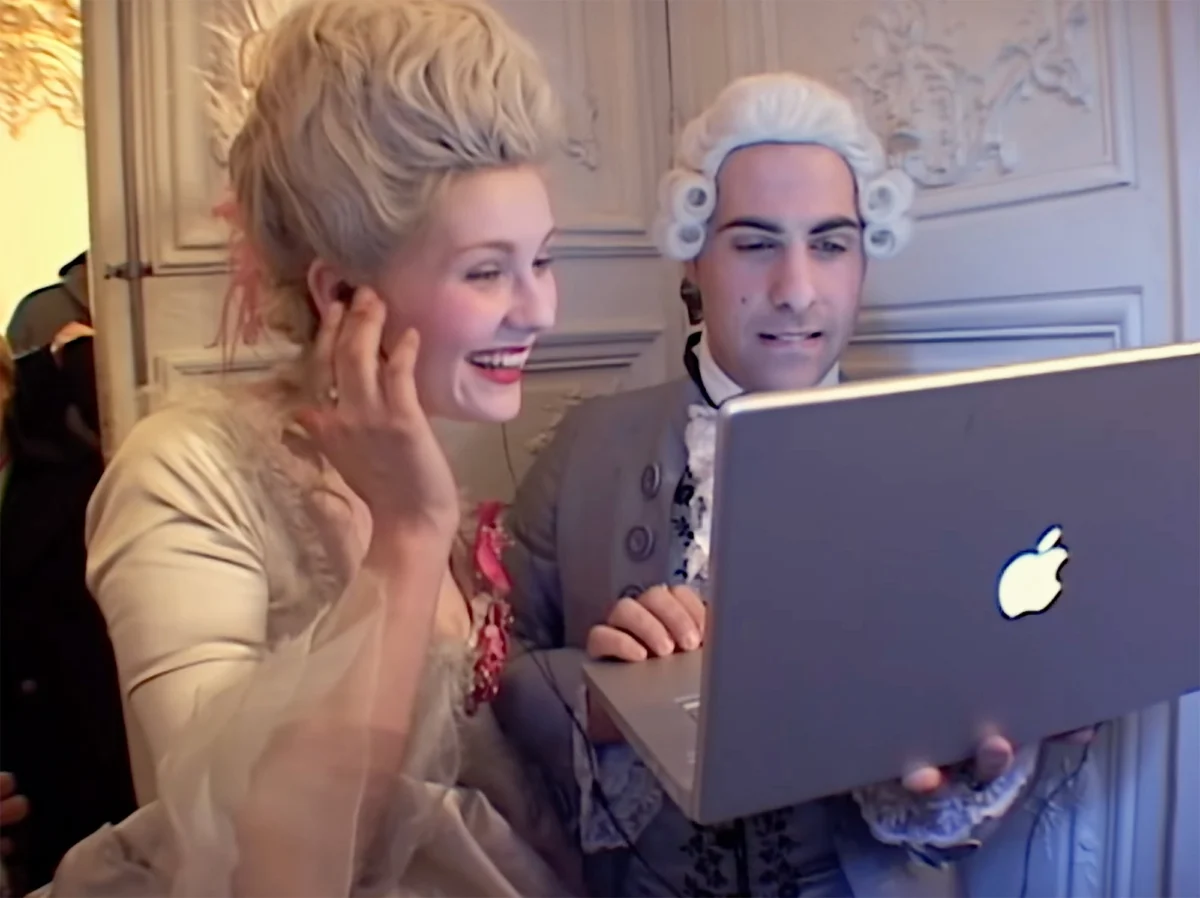
Eleanor was, by her own admission, an "observer at heart." Armed with a camera, she spent the production capturing the mundane and the magical: the quiet moments between takes, the logistical hurdles of filming in a national landmark, and the burgeoning confidence of a director navigating a high-budget period piece. These 80 hours of footage sat in the archives for nearly two decades, largely untouched until the forced stillness of the global pandemic in 2020.
During the lockdown, Eleanor began the monumental task of organizing the footage. It was a project that spanned years, evolving from a personal record into a historical document. After Eleanor’s death in 2024, Sofia Coppola faced the bittersweet responsibility of completing the film. The result is a documentary that feels less like a promotional tool and more like a private diary shared with the world.
Chronology of a Masterpiece: From Polarized Reception to Cult Icon
To understand the weight of this documentary, one must look at the timeline of Marie Antoinette’s reception.
- 2005 (The Shoot): Eleanor Coppola films the production at Versailles. The footage captures Kirsten Dunst’s transformation, the lavish costume design, and the pressure on Sofia Coppola to deliver a follow-up to the Academy Award-winning Lost in Translation.
- 2006 (The Premiere): The film debuts at the Cannes Film Festival. The reception is notably divisive. Critics are split between those who praise its anachronistic style and pop-music-infused energy, and those who criticize its lack of political depth regarding the French Revolution.
- 2006–2016 (The Cult Ascent): Over the next decade, the film gains traction. Film scholars begin to dissect the film’s "bubble" aesthetic as a brilliant metaphor for the insulated lives of the hyper-wealthy. It becomes a touchstone for fashion, art, and modern female-centric cinema.
- 2020–2024 (The Archival Work): Eleanor Coppola begins the process of editing the footage. The project becomes a way for mother and daughter to reflect on the nature of filmmaking and the passage of time.
- 2024 (The Transition): Following Eleanor’s passing, Sofia takes the mantle, finalizing the edit to ensure her mother’s vision remains intact.
- 2026 (The Anniversary): The documentary premieres at Telluride and the New York Film Festival, timed alongside a 4K re-release of the original film.
Supporting Data: A Rare Access-All-Areas View
The documentary distinguishes itself through its access and its narrative voice. Narrated by Diane Lane, who recites entries from Eleanor’s personal journals written during the 2005 shoot, the film provides an internal monologue that grounds the visual spectacle.

Key Highlights of the Documentary:
- The Actor’s Process: The film features extensive footage of Jason Schwartzman and Kirsten Dunst. Seeing their interactions with Sofia Coppola provides a rare look at the trust required to pull off such a stylized vision.
- The Physicality of Versailles: The documentary captures the sheer logistical weight of the production. The audience sees the crew navigating the strict rules of one of the world’s most famous heritage sites.
- The Auteur’s Evolution: Sofia Coppola was only 34 during the production. The footage captures the transition of a director who had already proven herself with Lost in Translation but was now dealing with the scrutiny of a much larger, more expensive canvas.
The documentary is a process-oriented piece, showing the "how" of the film’s specific visual language—the long takes, the focus on texture, and the deliberate exclusion of traditional historical exposition in favor of emotional atmosphere.
Official Responses and Critical Reception
The industry response has been overwhelmingly warm, reflecting the respect held for both the Coppolas. The New York Film Festival (NYFF) described the film as a "distilled expression" of Sofia’s recurring themes, noting that the documentary "is a rare behind-the-scenes glimpse that is both process-oriented and touchingly personal."
FirstShowing’s review of the documentary highlights the intimacy of the project, calling it an "intimate time capsule." By removing the polished, PR-heavy veneer typical of "making-of" content, Making Marie Antoinette allows viewers to see the vulnerability inherent in creative work.
"It is fascinating to see the miniature world in her [Eleanor’s] viewfinder," noted one industry observer. "She wasn’t just filming a movie; she was filming the person she loved most in the world doing exactly what she was born to do."

Implications: The Legacy of a Filmmaking Dynasty
The release of Making Marie Antoinette and the concurrent 4K restoration of the original film are significant for several reasons:
- Re-evaluating "Failure": The documentary serves as a final word on the original film’s initial negative reception. By showing the care, struggle, and immense effort poured into the production, it invites audiences to view the film not as a "misunderstood" project, but as a deliberate artistic statement that was simply ahead of its time.
- The Preservation of Craft: In an era where digital content is often ephemeral, this project underscores the importance of the "making-of" documentary as a legitimate art form. Eleanor Coppola’s work is a vital historical record of 2000s-era filmmaking.
- A Familial Closing of the Loop: For Sofia Coppola, this project represents a final collaboration with her mother. It is a profound act of closure, turning the lens back on the woman who documented her, thereby immortalizing both their relationship and their shared passion for the craft.
Conclusion: A Must-Watch for Cinephiles
As we approach the October 23, 2026, release date, the buzz surrounding the project is palpable. Whether you are a fan of Sofia Coppola’s distinctive filmography or a student of the filmmaking process, Making Marie Antoinette offers something rare: a window into the soul of a creative project, stripped of ego and presented with the unfiltered honesty of a mother’s gaze.
The documentary, alongside the stunning 4K restoration of Marie Antoinette, reminds us that cinema is not merely about the final product that hits the screen. It is about the people, the moments, the mistakes, and the persistence required to turn a vision into reality. As Eleanor Coppola’s final project, it serves as a beautiful, bittersweet bookend to a story that began in the halls of Versailles and continues to resonate in the hearts of audiences today.
Don’t miss the double-feature event in theaters starting October 23rd. It is an essential invitation to see one of the 21st century’s most iconic films through the eyes of the one person who saw it all from the very beginning.
