
The New Era of VFX: How Gen Z Artists are Reshaping the Global Visual Effects Industry
By the VFX Voice Editorial Team
Published: September 2026
Introduction: Redefining the Stereotypes of a Generation
Every generation faces its share of cultural shorthand, and Gen Z—individuals born between 1997 and 2012—is no exception. Frequently generalized as being overly demanding, obsessed with remote flexibility, and quick to prioritize lifestyle over labor, the youngest cohort of the workforce is often painted with broad strokes. Yet, when observed inside the high-stakes, fast-paced world of visual effects (VFX), these sweeping generalizations dissolve.
Far from being entitled or detached, young VFX artists are entering an industry navigating rapid technological disruption, post-pandemic economic recovery, and structural shifts. Rather than upending tradition out of hand, they are balancing a deep-seated passion for cinematic storytelling with pragmatic approaches to mental health, technological adaptation, and career longevity.
To understand what it truly means to enter the VFX industry today, we caught up with seven rising-star artists working across the globe at premier studios like Industrial Light & Magic (ILM), DNEG, Framestore, Digital Domain, and Wētā FX. Their collective point of view paints a nuanced portrait of an industry in transition—one where traditional artistry meets modern realities.
Main Facts: The Next Generation at the Drawing Board
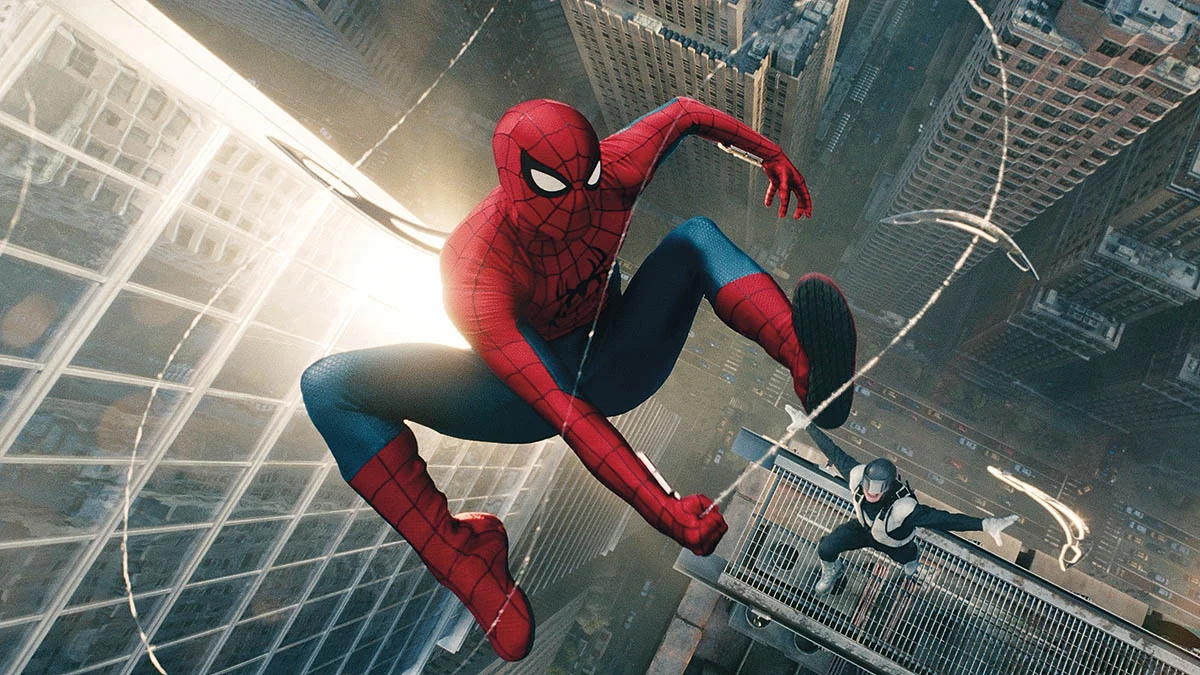
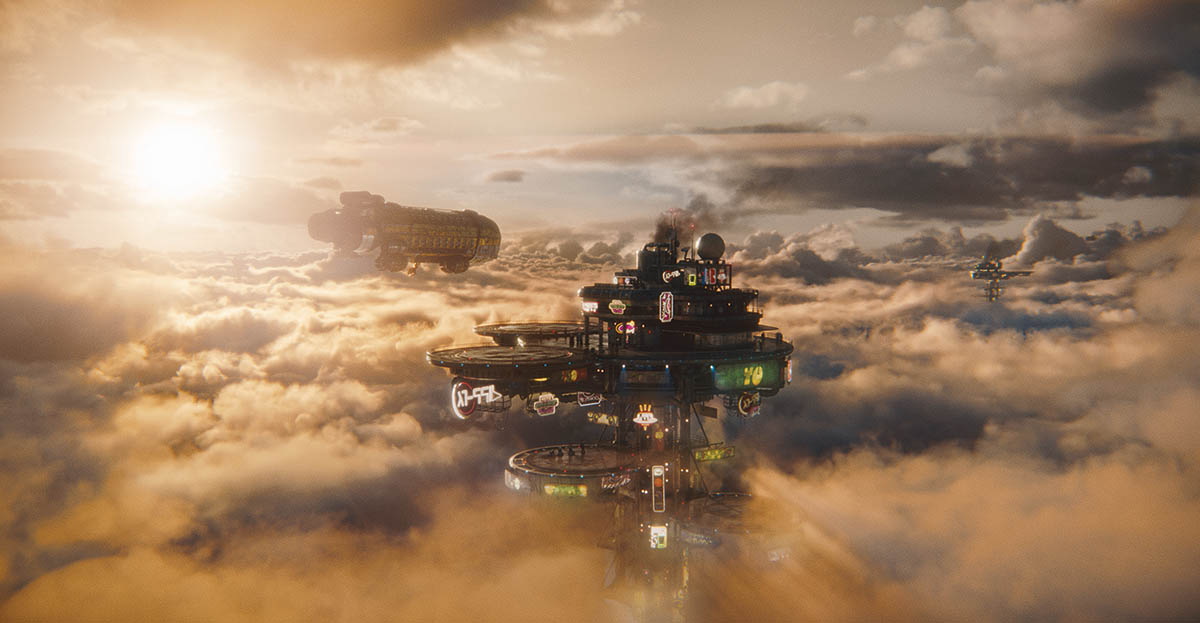
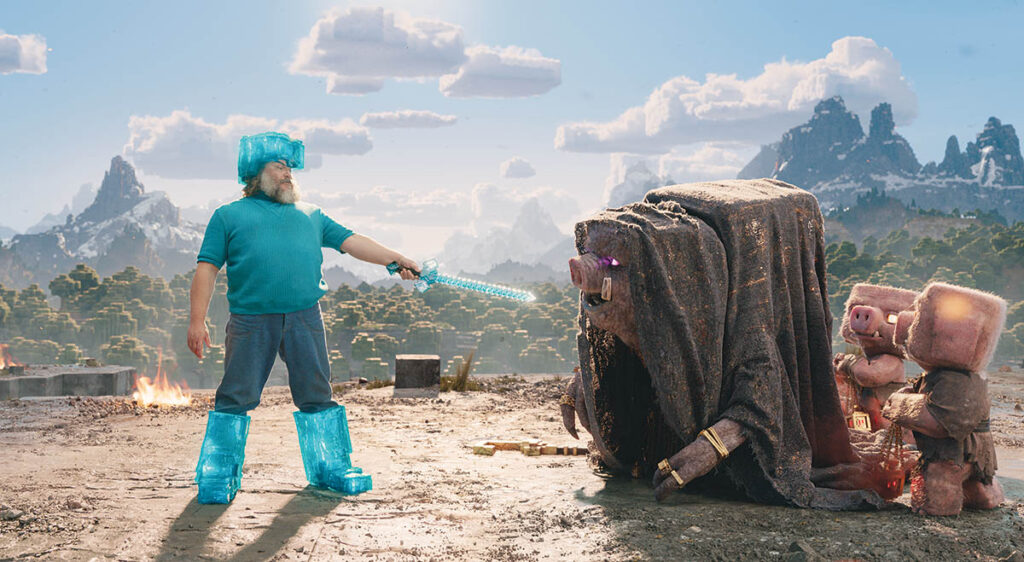
The visual effects landscape relies entirely on fresh talent to sustain its massive, tentpole-driven pipeline. Major upcoming and recent releases—including Supergirl, A Minecraft Movie, and Spider-Man: Brand New Day—are powered by a diverse ecosystem of global artists distributed across powerhouse studios like ILM, Wētā FX, Sony Pictures Imageworks, and Digital Domain.
Into this ecosystem step the newest wave of creators. While older generations often worry that digital natives lack the patience for tedious pipeline work, the reality on the ground is far more grounded. Young artists are demonstrating high levels of self-reliance, resourcefulness, and technical dexterity. They are leveraging affordable software alternatives, maximizing free online educational resources on Discord and YouTube, and navigating short-term contract cycles with remarkable resilience.
However, their entry into the professional world has not been without hurdles. Graduating into a post-COVID, post-Brexit, and post-strike economy meant facing unprecedented job market volatility, tightened visa restrictions, and intense sector-wide uncertainty.
Chronology: From Childhood Inspiration to Studio Realities
1. Falling in Love with the Craft (Childhood to Education)
For most professional VFX artists, the career path does not begin in a university lecture hall; it starts in childhood, ignited by a sense of wonder sparked on the silver screen.
- Jiwon Chun (Texture Artist, ILM): Growing up immersed in sci-fi and fantasy cinema, Chun spent hours consuming behind-the-scenes documentaries and VFX breakdowns. "I was so curious," she recalls. "I hadn’t realized, at the time, that I could do it as a career. When I did, it became a goal to work towards."
- Balthazar Bourguignon (FX Artist, DNEG): At just 10 years old, Bourguignon watched Final Fantasy VII: Advent Children. Though he admits he didn’t fully understand the plot, the magical battles and explosive set pieces planted a permanent seed. When choosing a professional path, he felt zero hesitation.
- Francesca Armstrong (Lighting Technical Director, Wētā FX): Taking a slightly different route, Armstrong stumbled into the industry via computer science. While studying coding, she realized programming unlocked the door to VFX—a space where technical problem-solving and artistic expression intersect.
- Max Popovych (Compositor, Digital Domain): Growing up with a father in the industry gave Popovych an insider’s view. Early exposure—painting small details, visiting studios, and experimenting with Photoshop at home—made pursuing VFX a natural trajectory.
2. The Hard Landing: Entering the Post-Pandemic Workforce
Graduating college into adulthood is notoriously difficult, but for Gen Z, the transition coincided with a turbulent global landscape.
Camille Garlaschi, a previs artist at Framestore, graduated a year after COVID-19 and Brexit. Eager to relocate to London from France, she instead faced a recovering market with sparse junior openings and complex new visa laws. Though disheartened, she persisted and secured an incredible team a year later. However, the timing exposed her to the harsh realities of industry strikes, where fellow artists—particularly those reliant on work visas—faced sudden displacement.
For Léa Desrozier, an environment generalist at DNEG, the lack of stability came as a shock. "Things change, productions shift, and you have to roll with it," she notes. "That wasn’t something we talked about in school."
Supporting Data: Navigating Workplace Culture, AI, and Hybrid Models
Work-Life Balance and the Hybrid Dilemma
The tension between demanding studio deadlines and personal wellbeing is a cornerstone of modern labor discussions. While older veterans often normalized chronic crunch culture, Gen Z artists are noticeably proactive about establishing boundaries—though they recognize the challenges.
- Switching Off: Camille Garlaschi finds it manageable to disconnect at the end of the day by scheduling distinct evening and weekend activities to separate work from personal life.
- The Value of the Office: While remote work offers unmatched flexibility during rushes or illness, artists like Balthazar Bourguignon and Tivoli Mu emphasize that in-person collaboration remains irreplaceable. Being a desk away from senior artists allows juniors to absorb troubleshooting techniques and build organic camaraderie.
- Empathy for Senior Colleagues: Interestingly, young artists show a high degree of empathy toward peers with families. Jiwon Chun notes that while she enjoys personal scheduling freedom, she deeply respects the added pressures faced by colleagues with dependents.
Man Versus Machine: The Gen Z Stance on Artificial Intelligence
Perhaps no topic divides modern cinema more than artificial intelligence. While Hollywood guilds and major awards bodies have fiercely pushed back against generative tools, young VFX artists view AI through a pragmatic, albeit cautious, lens.
- Workflow Tool vs. Creative Replacement: Max Popovych views AI as an efficiency booster for early-stage look development and iteration, emphasizing that fundamental skills—lighting, integration, and a strong artistic eye—cannot be faked by a prompt.
- Moral Hesitation: Not all young artists embrace it warmly. Francesca Armstrong admits she does not morally align with large-scale generative AI usage, finding the prospect of replacing the human touch in cinema depressing both as an artist and a viewer.
- Industry Adoption: At powerhouses like ILM, machine learning tools have been integrated for years to handle repetitive technical tasks, freeing artists to focus on complex creative challenges. Tivoli Mu points out that the presence of AI ultimately forces artists to think more deeply about their unique, irreplaceable human value.
Official Responses and Industry Perspectives
Studio leaders and senior artists have increasingly recognized the value of modernizing studio culture to retain young talent. Mentorship programs, particularly those focused on supporting women and underrepresented groups in technical roles, have become critical retention tools.
Jiwon Chun highlights ILM’s comprehensive mentorship initiatives: "I can tell that we value diversity—a dwindling reality in today’s political climate."
Furthermore, senior mentorship has played an instrumental role in shaping how juniors manage stress. Chun shares invaluable advice passed down from veterans: "I’ve been told by those more senior than me not to overdo it and think of it as a marathon, not a sprint."
Implications: The Future Landscape of Visual Effects
The maturation of Gen Z within the visual effects pipeline signals several long-term implications for the entertainment industry:
- Heightened Visual Literacy: Because younger artists have grown up saturated with high-end digital media, social platforms, and interactive content, their baseline intuition for visual realism and composition is developing earlier than ever before.
- Resourceful Self-Taught Pipelines: Financial constraints and the high cost of proprietary software have forced a generation of artists to be deeply resourceful, mastering accessible tools (like Substance Painter) and crowdsourced educational hubs (Discord, YouTube) before entering major studios.
- Redefining Professional Resilience: Far from being fragile, the artists weathering today’s contract fluctuations, visa restrictions, and technological anxieties are proving remarkably adaptable. They are learning to trust their instincts, reject post-graduate disillusionment, and say "yes" to opportunities that stretch their capabilities.
Ultimately, the next generation of VFX artists is proving that passion and pragmatism can coexist. As Tivoli Mu aptly summarizes, success in modern visual effects is not merely about logging a specific number of hours or avoiding late-night messages; it is about maintaining personal health, nurturing relationships, and contributing meaningfully to a collaborative cinematic dream—proving that the human heart of filmmaking remains stronger than any algorithm.
