
The Lost Potential of ‘Odyssey 5’: Why Peter Weller’s Sci-Fi Gem Deserved More
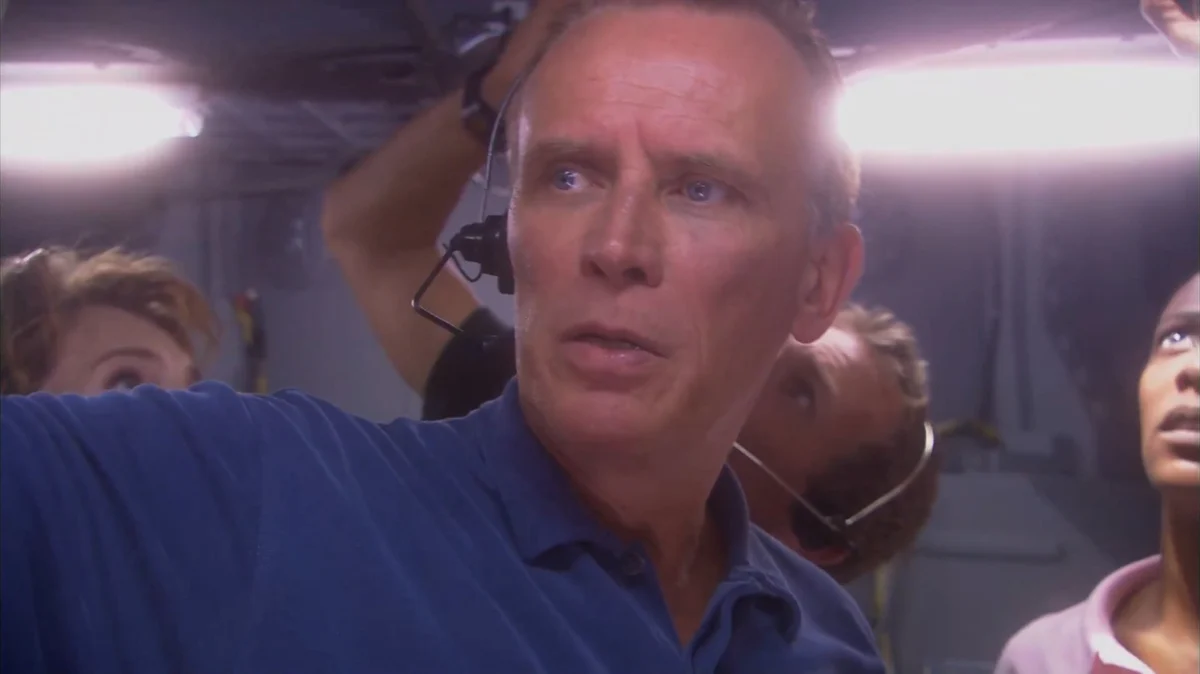
In the crowded landscape of early 2000s television, where genre shows were often fighting for survival against the dominance of reality programming and procedurals, a unique experiment emerged on Showtime. Titled Odyssey 5, the series promised a high-concept, serialized narrative that dared to ask the ultimate question: If you could watch the world end, would you try to stop it, or would you try to save yourself? Starring RoboCop icon Peter Weller, the series remains a "what if" scenario for science fiction fans—a show that was cut down in its prime, leaving behind a legacy of brilliant ideas that were never fully realized.
Main Facts: A Premise Ahead of Its Time
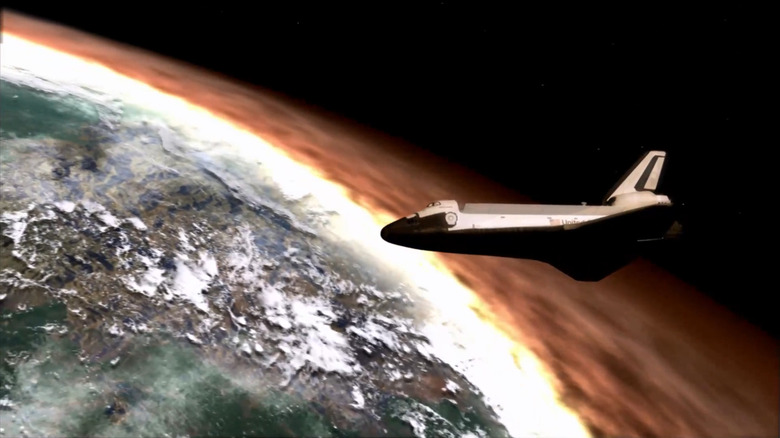
At its core, Odyssey 5 was a masterclass in high-stakes science fiction. Created by the late, visionary writer-producer Manny Coto, the series begins in 2007, a "near-future" setting relative to its 2002 debut. A team of five professionals—astronaut commander Chuck Taggart (Weller), his son Neil (Christopher Gorham), fellow astronauts Angela (Tamara Marie Watson) and Kurt (Sebastian Roché), and reporter Sarah (Leslie Silva)—are aboard the space shuttle Odyssey.
While in orbit, they witness the unthinkable: Earth suddenly heats up, fractures, and disintegrates. Humanity, in the span of a few minutes, is reduced to these five individuals. Just as they face the vacuum of space, they are approached by an enigmatic, inorganic entity known as the "Seeker" (John Neville). Unable to reverse the cataclysm, the Seeker offers a desperate alternative: he shunts their consciousnesses back to the year 2002, placing them into their younger bodies.
The mission is clear but daunting: they must navigate the next five years of their lives, armed with the knowledge of the impending apocalypse, and identify the cause—the specific event or series of events—that leads to the planet’s destruction. This premise set the stage for a narrative that blended hard science fiction, geopolitical conspiracy, and the deeply intimate character drama of people struggling to reconcile their pasts with their terrifying futures.
Chronology: The Rise and Abrupt Fall
Odyssey 5 premiered in June 2002 on Showtime, capturing the attention of critics who were looking for a successor to The X-Files. The series was designed as a long-form mystery. Each episode served as a piece of a larger puzzle, with the crew attempting to infiltrate and understand the shadowy government project known as "Leviathan" and the threat posed by "Synthetics"—human-like androids controlled by a malevolent, non-corporeal species called the Sentients.
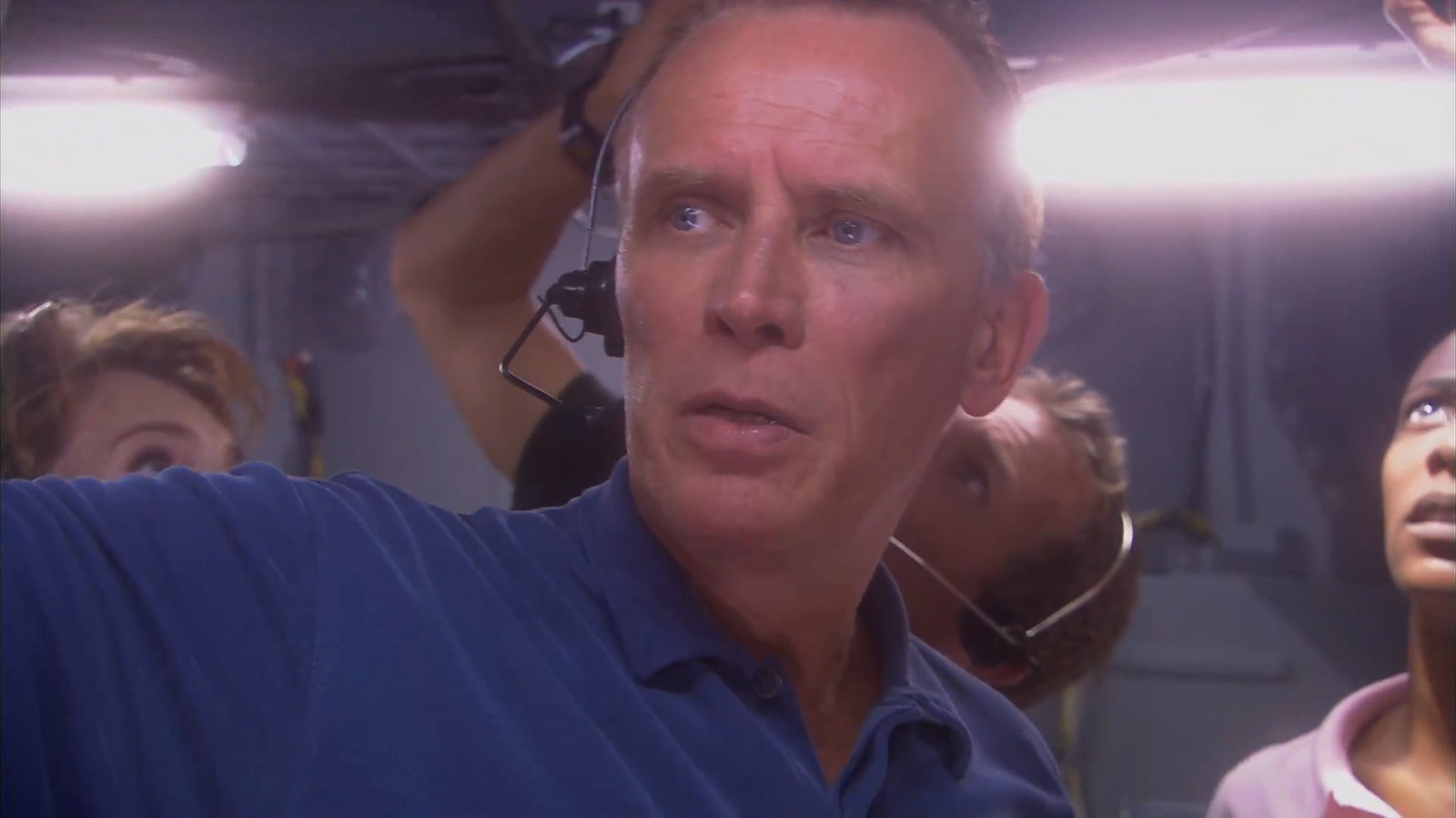
Despite its narrative ambition, the show’s trajectory was short-lived. It aired only one season consisting of 19 episodes. In the era before massive streaming binge-culture, the show struggled to find a consistent audience on premium cable. By the time the final episode aired in early 2003, the narrative threads were left dangling, and the mystery of the Earth’s destruction remained unsolved.
Showtime’s decision to cancel the series was a crushing blow to both Coto and the dedicated core of fans who had begun to unravel the show’s complex mythology. Unlike modern television, which often allows a show time to find its footing, Odyssey 5 was discarded, joining the ranks of "canceled too soon" classics that are now largely relegated to digital archives and cult-classic status.
Supporting Data: The Talent Behind the Lens
One of the most compelling aspects of Odyssey 5 is the sheer density of talent involved, particularly from the Star Trek universe. The production was a veritable hub for writers and directors who understood the nuance of serialized science fiction.
The Trek Connection
The influence of Star Trek on the show’s DNA cannot be overstated. David Carson, the director of Star Trek: Generations, helmed the pilot, bringing a cinematic scale to the small screen. Manny Coto, the creator, would later go on to be a pivotal showrunner for Star Trek: Enterprise, where he was widely credited with revitalizing the show’s quality in its later seasons.
The writing room was equally decorated. Tracy Tormé, the legendary writer credited with popularizing the Star Trek: The Next Generation holodeck episodes, contributed heavily to the series, as did Melinda Snodgrass, another TNG veteran. The presence of these writers ensured that Odyssey 5 maintained a level of intellectual rigor often missing from genre television at the time. Even the guest cast featured rising stars like Kenneth Mitchell, who would later become a fan-favorite in the modern Star Trek era.
Critical Reception
Critics at the time were largely favorable toward the show’s premise. A 100% approval rating on Rotten Tomatoes (based on early critical retrospectives and archival reviews) underscores the quality of the writing. Laura Fries of Variety highlighted the show as a sophisticated alternative to mainstream network fare, specifically noting that its home on Showtime allowed for a darker, more "edged" exploration of its themes, utilizing the freedom of cable for more mature content.
Official Responses and Industry Context
In the years following the cancellation, the industry landscape shifted significantly. While Showtime never officially walked back their decision, the show’s failure is often cited as a result of "prestige TV" being in its infancy. In 2002, the network was still finding its identity in original scripted programming. Odyssey 5 was arguably an experiment that arrived five years too early.
Peter Weller’s own involvement was a point of interest for critics. While some, like Fries, argued that he lacked the "Buckaroo Banzai" energy that fans were hoping for, others praised his stoic, commanding presence as a man burdened by the knowledge of the end of the world. Weller, an actor known for his intellectual depth, brought a gravitas to Commander Chuck Taggart that kept the show grounded even when the plot delved into the absurdities of time-travel causality.
Implications: A Legacy of "What Could Have Been"
The cancellation of Odyssey 5 serves as a poignant case study in the risks of high-concept science fiction. The show’s brilliance lay in its duality: it was both a global conspiracy thriller and a personal character study.
The Weight of Knowledge
The show excelled in exploring how the characters dealt with their foreknowledge. Sarah’s struggle to reconnect with her son—who she knows is destined to die—provided an emotional anchor that elevated the show above typical "alien invasion" tropes. The fact that their attempts to change the future often resulted in unintended consequences—as seen when Kurt fails to win a football bet despite knowing the outcome—added a layer of tragic irony to the narrative.
Why It Still Matters
Today, in an era where shows like Dark or 12 Monkeys (the series) have successfully navigated complex, multi-season time-travel arcs, Odyssey 5 looks less like a failure and more like a pioneer. It proved that audiences were hungry for high-stakes, serialized sci-fi that demanded attention and rewarded long-term engagement.
If Odyssey 5 were to be produced today, it would likely find a home on a platform like Apple TV+ or Netflix, where its slow-burn mystery and character-driven stakes would be celebrated. Its legacy is one of missed opportunity, but also one of inspiration. It taught a generation of writers that you don’t need a massive budget to create a universe—you just need a compelling hook, a dedicated team of writers, and the courage to explore the darkest corners of human experience.
Ultimately, Odyssey 5 remains a testament to the fact that quality does not always guarantee longevity. However, for the few who witnessed the Odyssey shuttle crew’s journey, the show remains a cornerstone of early 2000s television—a brilliant, flawed, and utterly fascinating piece of science fiction history that deserves to be remembered. Whether through a potential reboot or a long-overdue rediscovery by modern audiences, the mission of the Odyssey five to save the world is a story that still echoes with potential.
