
The "Believe That" Phenomenon: Anthony Edwards Redefines Cultural Commentary with Viral Awards Special
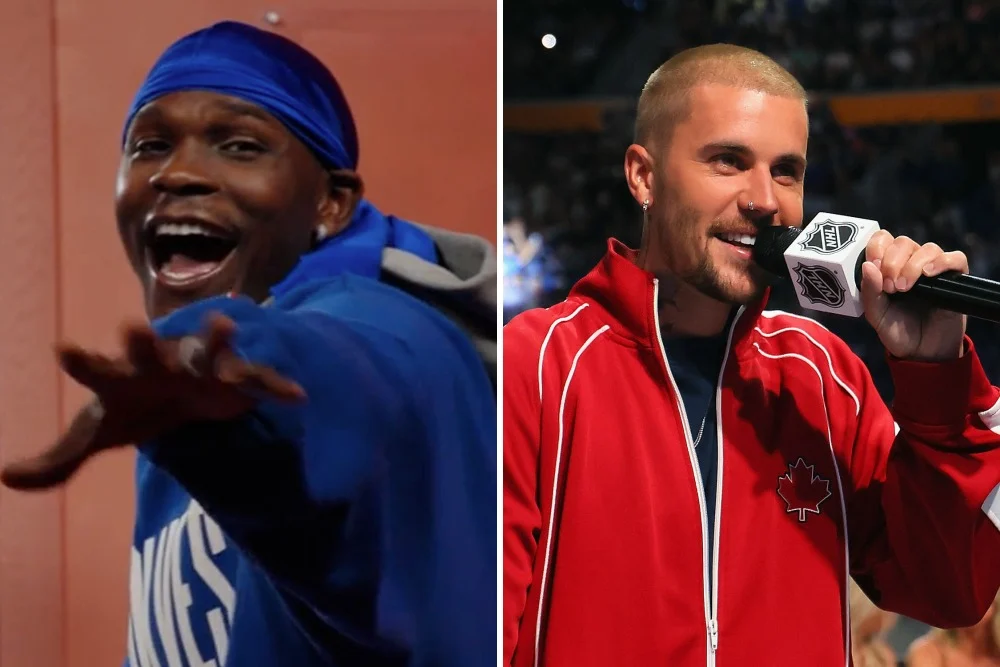
Move over, Timothée Chalamet—there is a new titleholder in the pantheon of pop culture’s most coveted, if tongue-in-cheek, honors. Minnesota Timberwolves superstar Anthony Edwards has officially returned to the digital fray, reviving his satirical "Believe That Awards" for a second consecutive year. Following a breakout 2025 debut that generated a staggering 150 million cross-platform views, the 2026 iteration has doubled down on the unfiltered, high-energy, and unapologetic brand of humor that has turned the NBA All-Star into a burgeoning media mogul.
The centerpiece of this year’s social media spectacle was the crowning of the "White Boy of the Year," an honorific that became a viral sensation last year when it was bestowed upon Chalamet. In 2026, the mantle passed to pop icon Justin Bieber, who beat out a formidable shortlist of global heavyweights, including Tom Holland, Erling Haaland, Robert Pattinson, and Travis Kelce.
The Evolution of the "Believe That" Brand
The "Believe That Awards," now available on Edwards’ official YouTube channel and across his social media ecosystems, represent more than just a viral video—they mark the maturation of Edwards’ production banner, Three Fifths Media. Produced in partnership with industry stalwarts Wheelhouse and Portal A and presented by PrizePicks, the special is designed to synthesize the worlds of professional athletics, high-end celebrity culture, and internet-native humor.
At its core, the project is a mirror held up to the internet itself. By framing "standout moments" and "cultural disruptors" through the lens of a professional athlete, Edwards has successfully bypassed traditional media gatekeepers. He is not merely participating in the culture; he is curating it.
Chronology: From Viral Spark to Annual Tradition
The trajectory of the "Believe That Awards" is a case study in the power of authentic social media presence.
2025: The Genesis
The concept debuted as an impromptu, satirical look at the year’s most prominent figures. It was characterized by an "unfiltered and uncensored" approach, a hallmark of Edwards’ personality. When the project reached 150 million views, it sent a clear signal to the sports and media industry: fans were no longer satisfied with sanitized press junkets or pre-packaged athlete interviews. They wanted the chaotic, charismatic, and unpredictable energy that defined the Timberwolves guard.
2026: Scaling the Vision
Building on that momentum, the 2026 edition saw a significant increase in production value and star power. The ceremony featured appearances by an eclectic mix of A-listers, including Michael B. Jordan, Druski, Coco Gauff, and 50 Cent. The expansion of the guest list signifies a shift from a niche social experiment to a legitimate cultural event that commands the attention of the entertainment industry’s elite.
Supporting Data and The "Edwards Effect"
The decision to lean into the "Believe That" brand is backed by impressive engagement metrics. In an era where traditional linear television ratings for sports-adjacent content are fluctuating, Edwards is seeing explosive growth in the digital space. The 150 million views achieved in 2025 were not just passive impressions; they represented a high level of social media sentiment, discourse, and sharing—the "holy grail" of modern marketing.
The competitive categories—ranging from athlete-specific honors to the tongue-in-cheek "White Boy of the Year"—leverage the internet’s inherent love for lists and rankings. By putting heavyweights like Erling Haaland and Travis Kelce in the same category as Justin Bieber, Edwards creates a cross-pollination of fanbases that is rarely seen in traditional sports media. The resulting engagement is a testament to the fact that when an athlete acts as a creator, the barrier between the star and the fan is effectively dismantled.
Official Responses and Creative Vision
The mastermind behind the operation, Anthony Edwards, remains steadfast in his commitment to the project’s raw identity. In a statement released alongside the launch, the NBA star emphasized the importance of staying true to his roots.
"We’re back, and we raised the bar across the board this year," Edwards stated. "You know me, which means you know we have the same unfiltered, totally unpredictable energy that is always built for and aimed directly at the culture. We brought together the biggest names in the game to chop it up, have fun, and celebrate real greatness on our own terms. You’re not getting this vibe anywhere else."

This sentiment was echoed by Justin Holland, Edwards’ business manager and co-founder of Three Fifths Media. For Holland, the success of the awards is a validation of a specific business strategy: authenticity as a commodity.
"From day one, our mission at Three Fifths Media has been to create content that remains fiercely authentic to Anthony and the community that moves with him," Holland explained. "The Believe That Awards sits at the true epicenter of sports, entertainment, and culture. Year 2 proves that when you give creators and athletes the room to be themselves, audiences show up in a massive way."
Implications: The New Media Landscape
The implications of the "Believe That Awards" are profound for both the NBA and the broader media landscape.
1. The Death of the "Athlete-as-Brand" Filter
Traditionally, athletes have been represented by PR firms that polish every public interaction to a mirror shine. Edwards is challenging this by embracing the "unfiltered" persona. This shift suggests that the next generation of sports icons will not rely on major networks to define their narrative. Instead, they will use their own platforms to distribute content that feels like a conversation among friends rather than a corporate broadcast.
2. The Power of Direct-to-Consumer Entertainment
By partnering with brands like PrizePicks and utilizing his own distribution channels, Edwards is effectively becoming his own media company. This allows for a level of creative control that ensures the content remains "fiercely authentic." It also creates a lucrative revenue model that bypasses traditional syndication, allowing the athlete to capture more of the value generated by their own personal brand.
3. The Democratization of Cultural Awards
The "Believe That Awards" effectively pokes fun at the self-serious nature of industry award shows. By creating categories that are culturally relevant to younger demographics—and acknowledging the internet’s obsession with "vibes" and viral moments—Edwards has created a format that feels more "real" to the average viewer than the standard, scripted awards show. It is a democratization of cultural recognition that prioritizes personality and impact over prestige.
4. Setting a Precedent for Future Athletes
Anthony Edwards is arguably the blueprint for the athlete of the late 2020s. He possesses the rare combination of on-court dominance and off-court charisma. His success with the "Believe That Awards" provides a roadmap for other athletes who wish to cultivate a following that transcends their sport. We can expect to see an influx of athletes launching similar media banners, each attempting to capture the same "lightning in a bottle" that Edwards has harnessed.
Conclusion: The Cultural Disruptor
As the 2026 "Believe That Awards" continue to circulate and spark debate, it is clear that Anthony Edwards has solidified his position not just as a powerhouse on the basketball court, but as a significant force in the digital entertainment space.
Whether it is through his infectious energy, his keen understanding of what makes content "go viral," or his ability to bring together figures from the worlds of music, film, and sports, Edwards is proving that he understands the pulse of the current cultural zeitgeist. He is a disruptor in the truest sense of the word, and as long as he continues to operate with this level of creative autonomy, the "Believe That" franchise is likely to remain a fixture on the annual pop-culture calendar.
For now, Justin Bieber wears the crown, and the internet continues to weigh in on the decision. But the real winner, as the metrics suggest, is the audience—and the athlete who dared to create a space for them to play.
