
From the Streets of New York to the Big Screen: The Cinematic Evolution and Television Roots of Austin Abrams
Main Facts: The Rise of a Versatile Character Actor
Over the past few years, actor Austin Abrams has quietly established himself as one of the most reliable and compelling young talents in Hollywood. With prominent roles in major cinematic projects such as Weapons, Resident Evil, and Whalefall, Abrams is currently experiencing a career renaissance on the big screen. Yet, this cinematic dominance often overshadows the foundational television work that initially brought him into the public consciousness.
For nearly a decade, Abrams has cultivated a diverse portfolio, transitioning seamlessly from gritty television dramas to wholesome holiday romances, and finally into prestige feature films. Whether playing the voice of reason in a chaotic teen drama, meeting a tragic end in a post-apocalyptic wasteland, or anchoring a festive romantic comedy on location in a snow-dusted New York City, Abrams has consistently demonstrated an uncanny ability to adapt to radically different tones, genres, and character archetypes.
Chronology: A Trajectory of Growth Across Television and Film
To understand Austin Abrams’ current cinematic success, one must examine the chronological progression of his career, which highlights a calculated and organic expansion of his acting range.
Early Career and Breakthrough Television Roles (Mid-2010s)
Abrams first began capturing the attention of casting directors and television audiences with guest appearances and recurring television roles in the mid-2010s. His big break on the radar of mainstream pop culture came when he secured a recurring role in Seasons 5 and 6 of AMC’s juggernaut zombie drama The Walking Dead. Playing Ron Anderson—the ill-fated frenemy to Carl Grimes—Abrams portrayed a complicated, resentful teenager pushed to his absolute limits in a world collapsing under the weight of a zombie apocalypse. The role required high emotional stakes and physical intensity, giving Abrams early exposure to massive, dedicated fandoms.
The Prestige Drama and Wholesome Pivot (2019–2020)
Following his time in the zombie-infested landscape of The Walking Dead, Abrams showcased his versatility by dipping into starkly contrasting television universes. On one end, he joined the ensemble of HBO’s critically acclaimed, unflinching drama Euphoria. Playing Ethan, one of the few genuinely well-adjusted and empathetic characters in a series otherwise defined by chaos, addiction, and high school volatility, Abrams proved he could stand out in an ensemble of heavy hitters.
Simultaneously, Abrams pivoted to the opposite end of the tonal spectrum. In 2020, he took the lead role in the Netflix romantic comedy series Dash & Lily, based on the popular young adult book series Dash & Lily’s Book of Dares by Rachel Cohn and David Levithan. This project allowed him to step into a lighter, romantic, and deeply nostalgic space, capturing the hearts of streaming audiences worldwide just as the COVID-19 pandemic made cozy, escapist television a global necessity.
The Cinematic Ascension (2020s–Present)
Armed with a dedicated following from his television ventures, Abrams successfully transitioned into a major feature film player. Over the subsequent years, his filmography expanded rapidly. Projects like Weapons, Resident Evil, and Whalefall positioned him at the center of high-concept genre filmmaking. Today, Abrams is recognized as much for his cinematic presence as he is for his memorable small-screen iterations, proving that his television roots served as the ultimate training ground for complex film performances.
Supporting Data: Behind the Scenes of Dash & Lily
The production of Dash & Lily offers a fascinating case study in how Abrams approaches character construction and stylistic shifts. Transitioning from the dark, drug-addled, and psychologically heavy atmosphere of Euphoria to a festive, family-friendly romantic comedy required a significant mental adjustment for the actor.
In interviews with Business Insider regarding the release of Dash & Lily, Abrams reflected on the jarring nature of the pivot. "I had to remind myself this isn’t Euphoria," he recalled. "I had to understand the tone of what we were making and try to do that as best as possible."
Deconstructing the Holiday Grouch
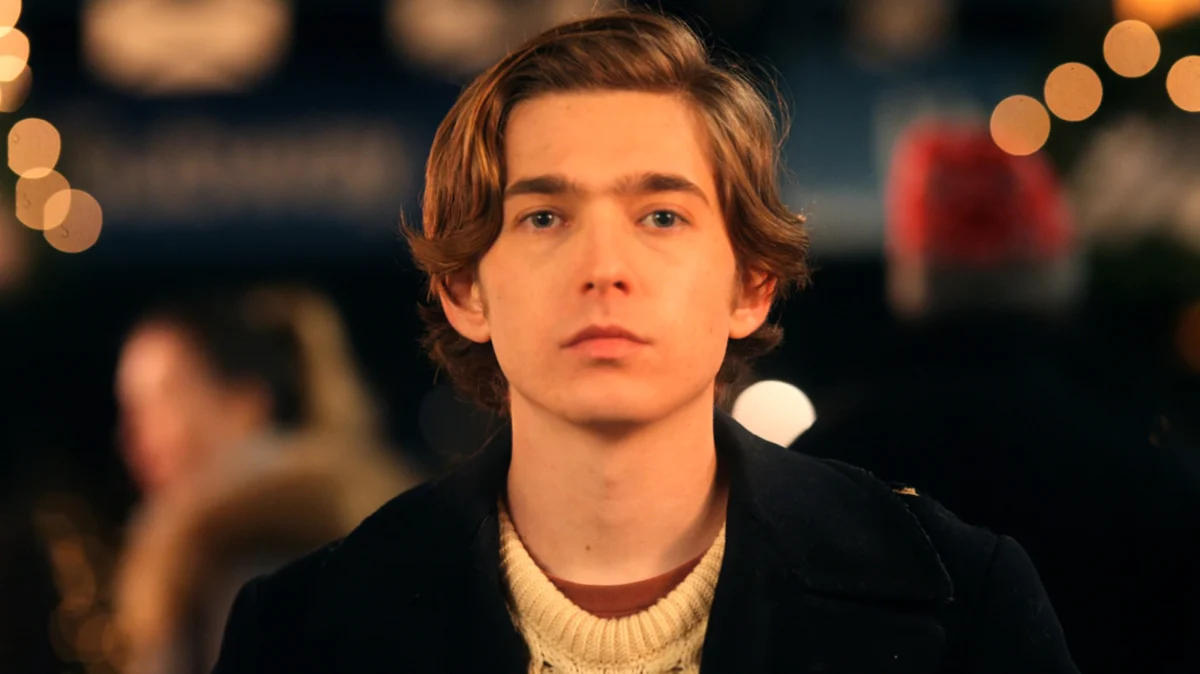
In Dash & Lily, Abrams played the titular Dash, a cynic who despises the Christmas season and finds himself unexpectedly drawn into a series of romantic dares left in a red notebook across iconic New York City locations. Interestingly, Abrams noted that Dash’s holiday-hating persona was not born out of pure malice, but rather out of a place of genuine vulnerability and isolation.
"I enjoy being with family, which I think is a big reason why [Dash] hates the holidays so much—because he doesn’t really have that," Abrams explained to Business Insider. Rather than playing the character as a flat, unlikable scrooge, Abrams leaned into the psychological defenses of the role. Referencing the source material, where Dash is described as a "scowl in a sweater," Abrams successfully brought a layer of sympathetic depth to a classic archetype.
The Magic of Location Shooting
One of the primary structural strengths of Dash & Lily—which ultimately contributed to its status as a cult favorite among holiday romance fans—was its commitment to practical, on-location shooting. Unlike many productions that rely on soundstages or green screens, Dash & Lily filmed extensively on the actual streets of New York City during the winter season.
Speaking with TVLine around the show’s premiere, Abrams emphasized how crucial this decision was to the final product. "That turned out to be one of the show’s biggest strengths, which we had no idea was going to happen," Abrams noted. "But I am happy that it does supply people with that nostalgic feeling."
The authentic backdrop provided an organic texture to the series, anchoring the whirlwind romance in the genuine, bustling, and freezing atmosphere of Manhattan during the holidays. Although the series concluded after a single season, its eight-episode run felt completely self-contained. As critics and fans noted, the Season 1 finale offered a deeply satisfying and conclusive narrative arc, rendering a second season unnecessary despite the show’s warm reception.
Official Responses and Industry Reception
The critical and public consensus surrounding Austin Abrams highlights a rare career trajectory: an actor who has successfully avoided typecasting by continuously reinventing his persona across mediums.
Industry analysts and television critics have frequently praised Abrams for his quiet intensity. Whether he is playing a doomed teenager in a post-apocalyptic drama (The Walking Dead), a grounding moral compass in a modern teen tragedy (Euphoria), or a cynical romantic discovering the magic of the holidays (Dash & Lily), Abrams brings a distinct sense of realism to his performances.
His transition into feature films has been met with equal enthusiasm. Directors and casting agents have increasingly relied on his ability to project intelligence, subtle anxiety, and emotional depth—qualities that have made him a staple in modern psychological thrillers, horror adaptations, and high-stakes dramas. Furthermore, his collaborative spirit and dedication to understanding the unique tonal requirements of each project—whether navigating the gritty realism of HBO or the whimsical charm of a Netflix holiday miniseries—have earned him a reputation as a director’s actor.
Implications: What Abrams’ Career Path Signals for Modern Young Hollywood
The evolution of Austin Abrams’ career carries broader implications for how young actors navigate the modern entertainment landscape, particularly in the era of streaming platforms and cross-medium visibility.
Breaking Down the Television-Film Barrier
Historically, actors often faced a rigid barrier when attempting to transition from television to film, or vice versa. Television actors were frequently typecast based on their long-running characters, while film actors occasionally viewed television as a secondary medium. Abrams, alongside contemporaries of his generation, has helped dismantle this binary. By moving fluidly between prestige cable dramas (Euphoria), network genre hits (The Walking Dead), streaming romantic comedies (Dash & Lily), and theatrical feature films (Weapons, Resident Evil), Abrams demonstrates that a modern actor’s portfolio can—and perhaps should—span multiple formats simultaneously.
The Value of Versatility Over Monolithic Stardom
Abrams’ career path underscores the enduring value of being a versatile character actor rather than chasing traditional, singular leading-man stardom. By mastering the art of the supporting role—making unforgettable impressions as Ron Anderson in The Walking Dead or Ethan in Euphoria—he built a reservoir of industry goodwill and audience trust that eventually yielded leading roles in projects like Dash & Lily and major cinematic features.
As streaming algorithms and theatrical releases continue to shift viewer habits, actors who can cross genres with ease are becoming the most valuable commodities in Hollywood. For Austin Abrams, a journey that began with television guest spots and supporting arcs has blossomed into a multi-faceted film career. Whether he is running from zombies, navigating high school drama, or wandering through a snowy New York City looking for a red notebook, Abrams has proven that his cinematic future is as bright as his celebrated television past.
