
Inside the Prestige Crime Machine: Why HBO Remains the Gold Standard for Television Storytelling
By the Editorial Desk
Published September 30, 2026
Introduction: The Architecture of HBO’s Prestige Crime Empire
For decades, Home Box Office (HBO) has occupied a singular, towering space in the landscape of American television. While commercial networks and streaming platforms often chase fleeting algorithmic trends, HBO has built its cultural legacy on a foundation of complex, morally gray storytelling—most notably through its masterclass contributions to the crime genre.
Whether exploring the sun-drenched corruption of Atlantic City boardwalks, the bleak industrial landscapes of post-industrial Pennsylvania, or the blood-soaked concrete of suburban New Jersey, HBO crime dramas are rarely just about the illicit acts themselves. Instead, the network’s defining hallmark is its rigorous examination of human reactions to crime: how communities fracture, how families weaponize wealth and trauma, and how the legal and judicial systems often perpetuate the very cycles of violence they are sworn to dismantle.
As television continues to evolve in a crowded media ecosystem, revisiting HBO’s crown jewels reveals why these series remain undisputed 10/10 masterpieces. This comprehensive retrospective explores the structural brilliance, thematic depth, and cultural impact of HBO’s greatest crime series.
Main Facts: Defining the Modern Era of Prestige Television
HBO’s dominance in the crime genre is not accidental; it is the result of a deliberate, risk-tolerant commissioning strategy that invites visionary auteurs to treat television with the cinematic gravity traditionally reserved for feature films.
- The Scope of the Genre: HBO’s catalog spans every conceivable sub-genre of crime storytelling. It moves seamlessly from blue-collar organized crime (The Sopranos, Boardwalk Empire) and high-stakes white-collar corruption (Succession) to small-town murder mysteries (Mare of Easttown, Sharp Objects), legal thrillers (The Night Of), and philosophical procedural anthologies (True Detective).
- The Auteur Approach: By recruiting legendary filmmakers like Martin Scorsese and literary-minded showrunners like David Chase, Nic Pizzolatto, and Jesse Armstrong, HBO elevated television writing to high art, attracting top-tier cinematic talent like Kate Winslet, Amy Adams, James Gandolfini, and Steve Buscemi to the small screen.
- Psychological Realism: Unlike procedural shows focused entirely on the "whodunit," HBO series prioritize the "whydunit" and the "what now." The crimes serve as narrative catalysts to explore generational trauma, institutional racism, class disparity, and existential dread.
Chronology: A Timeline of Excellence in Crime Storytelling
To understand how HBO perfected the crime drama, one must trace the chronological evolution of its defining series across nearly three decades of television history.

1. The Mafia Renaissance: The Sopranos (1999–2007)
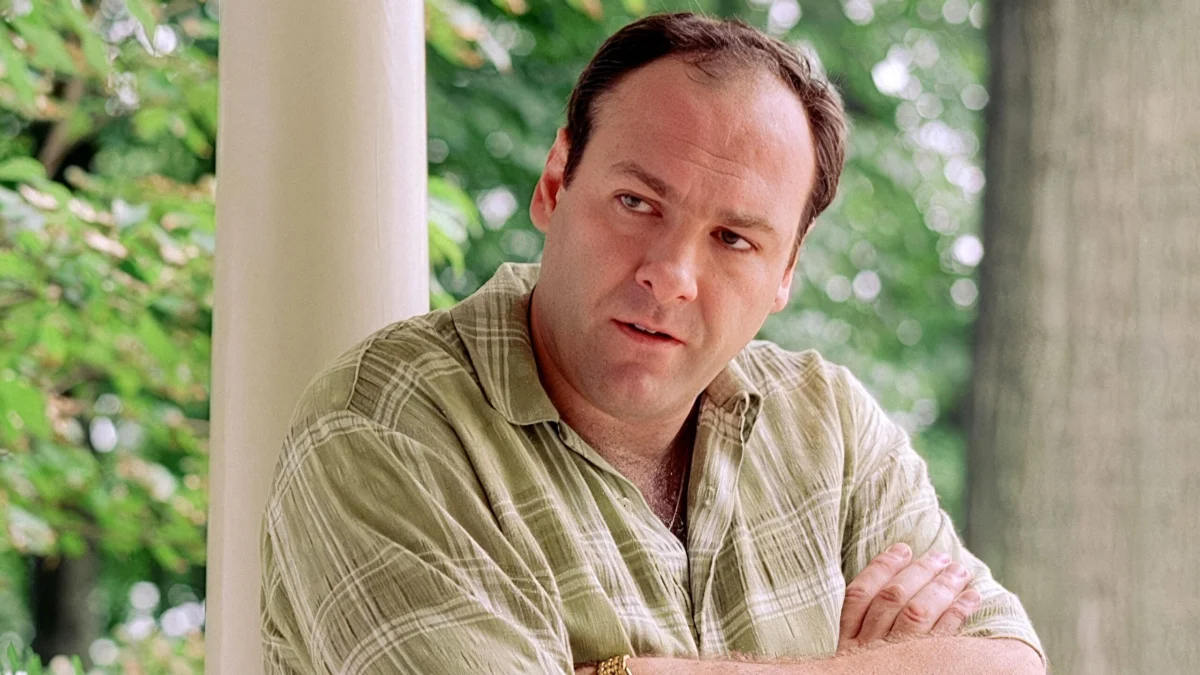
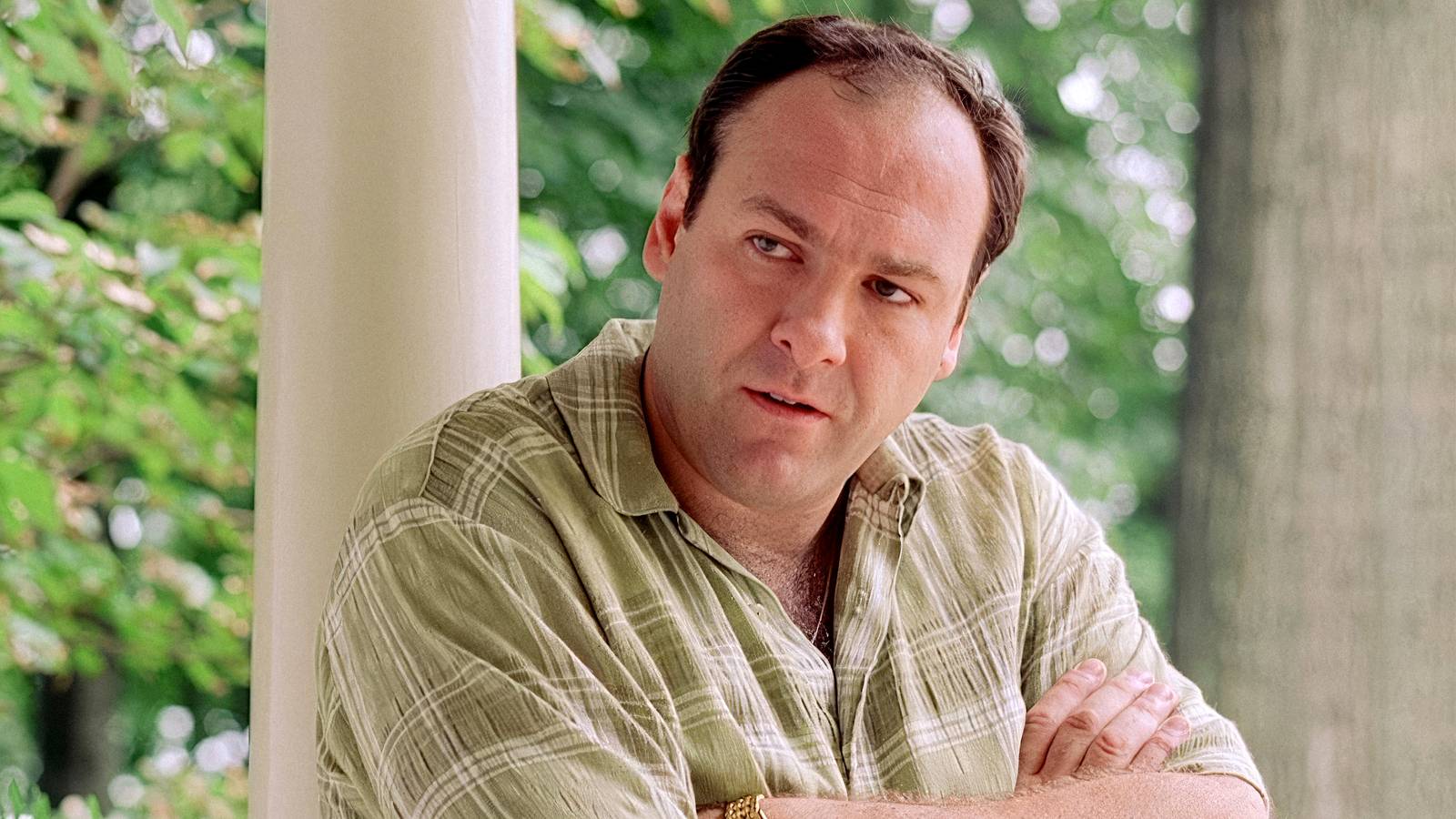
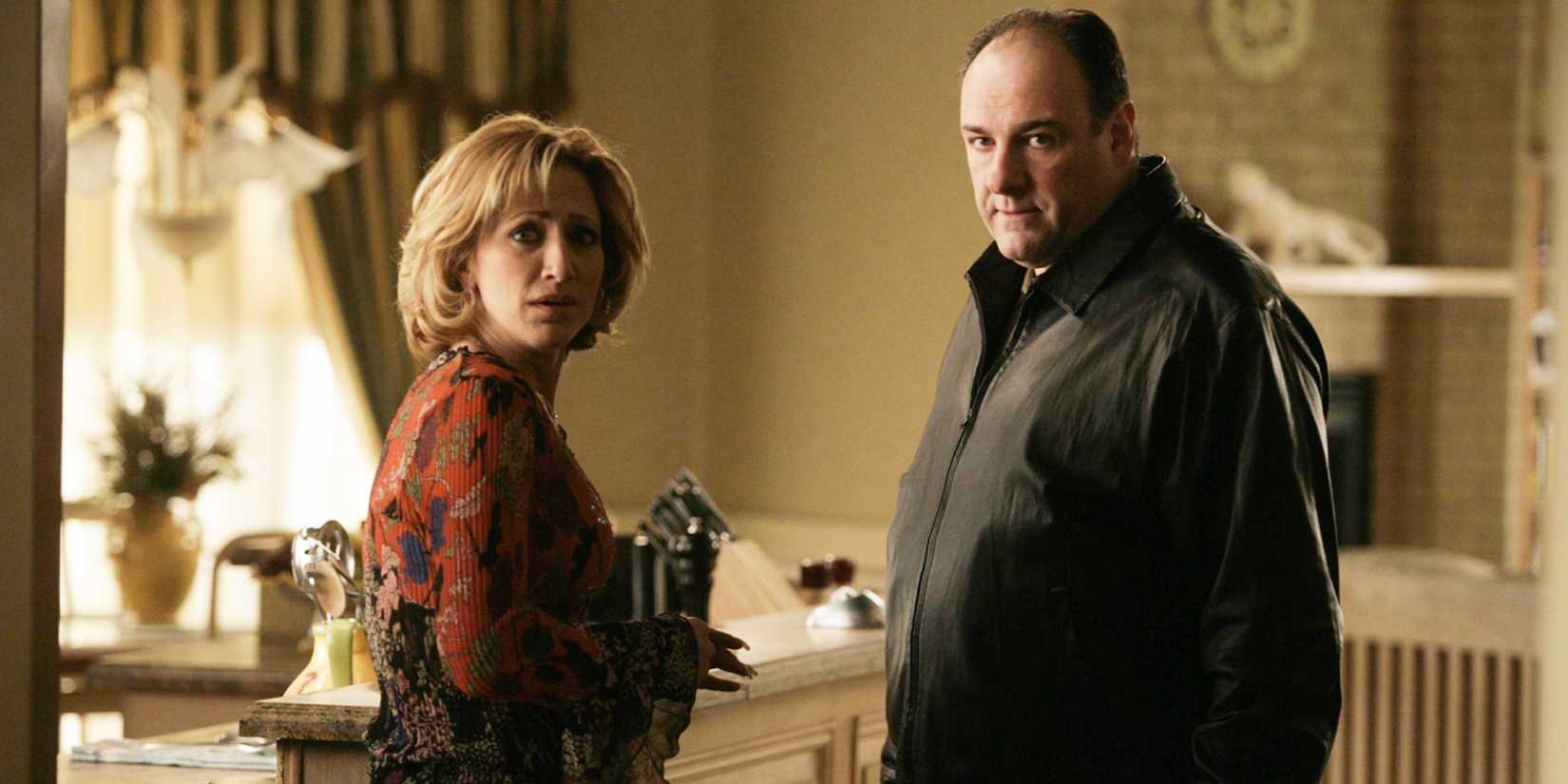
Created by David Chase, The Sopranos did not merely launch HBO into the upper echelon of prestige television—it fundamentally redefined what a television protagonist could be. By centering the series on Tony Soprano (James Gandolfini), a New Jersey mob boss suffering from debilitating panic attacks, the show traded pure action for deep psychological exploration.
Set against a backdrop of shifting technological landscapes and federal crackdowns, Tony’s therapy sessions with Dr. Jennifer Melfi (Lorraine Bracco) provided viewers with unprecedented intimacy regarding the anxieties of the American underworld. It proved that a brutal killer could also be a deeply flawed suburban father, husband, and son, setting a high-water mark for the medium.
2. Prohibition and Power: Boardwalk Empire (2010–2014)
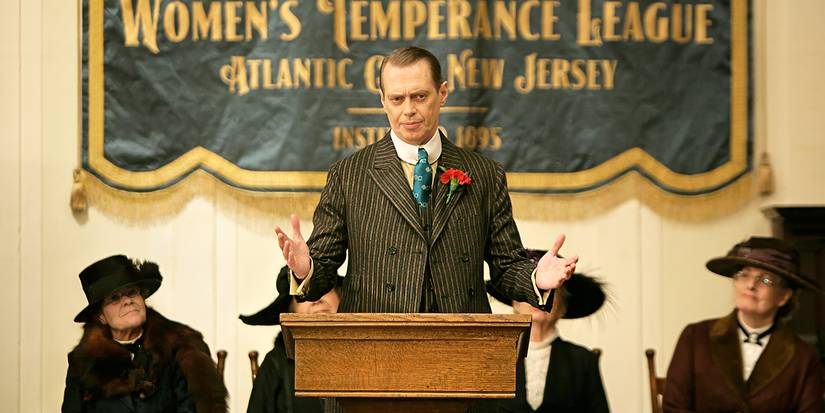
Expanding the scope of historical crime, Terence Winter’s Boardwalk Empire explored the corridors of power during the 1920s Prohibition era. Anchored by Steve Buscemi as Atlantic City treasurer and secret crime kingpin Enoch "Nucky" Thompson, the series demonstrated how easily illicit enterprises could flourish in plain sight through political corruption.
With a reported $18 million budget for its pilot episode—directed by Martin Scorsese—the series set a new benchmark for historical immersion. It brilliantly wove fictional drama with real-life historical figures like Al Capone (Stephen Graham) and Arnold Rothstein (Michael Stuhlbarg), painting a sweeping portrait of the birth of modern American organized crime.
3. Philosophical Investigations: True Detective (2014–Present)
When Nic Pizzolatto’s True Detective premiered in 2014, it introduced an anthology format that combined atmospheric dread with philosophical inquiry. Following mismatched investigators tackling ritualistic murders and complex conspiracies, the series used its shifting regional settings—from the humid bayous of Louisiana to the frozen expanse of Alaska under showrunner Issa López—to explore systemic corruption and personal demons.
More than a whodunit, True Detective functions as an existential examination of law enforcement, forcing its characters to confront institutional failure, PTSD, and the internal darkness required to hunt monsters.
4. Legal Systems and Identity: The Night Of (2016)
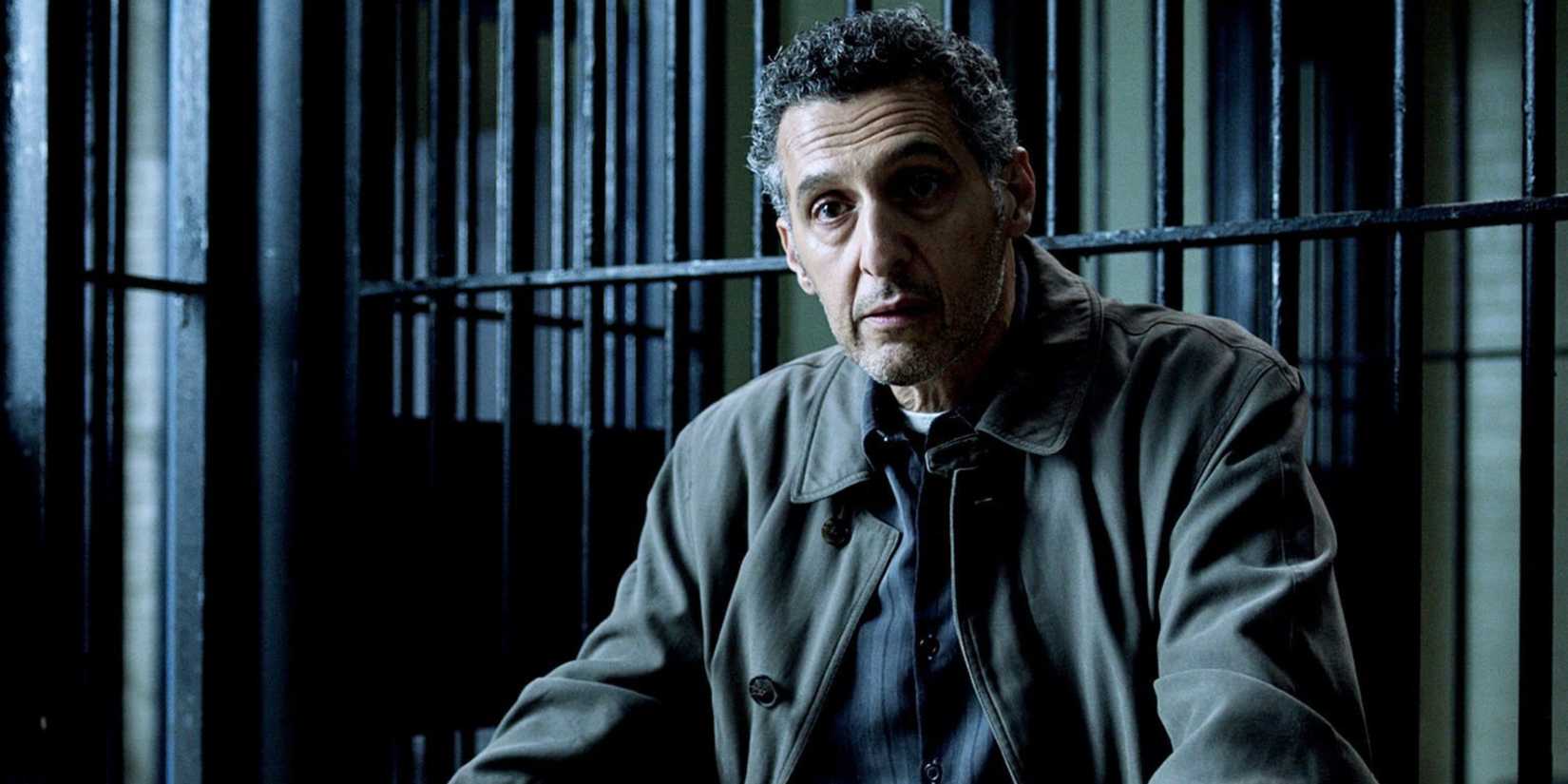
Richard Price and Steven Zaillian’s gripping miniseries The Night Of turned its lens toward the labyrinthine American criminal justice system. Following Riz Ahmed as Naz Khan, a young Pakistani-American college student framed for a brutal murder after a night out in New York City, the show offered an unflinching look at pretrial incarceration.
The series dissected how racial bias, working-class limitations, and systemic pressures can instantly derail an innocent life, capturing the terrifying reality of navigating a legal apparatus designed to chew up the vulnerable.
5. Small-Town Secrets and Trauma
Sharp Objects (2018)
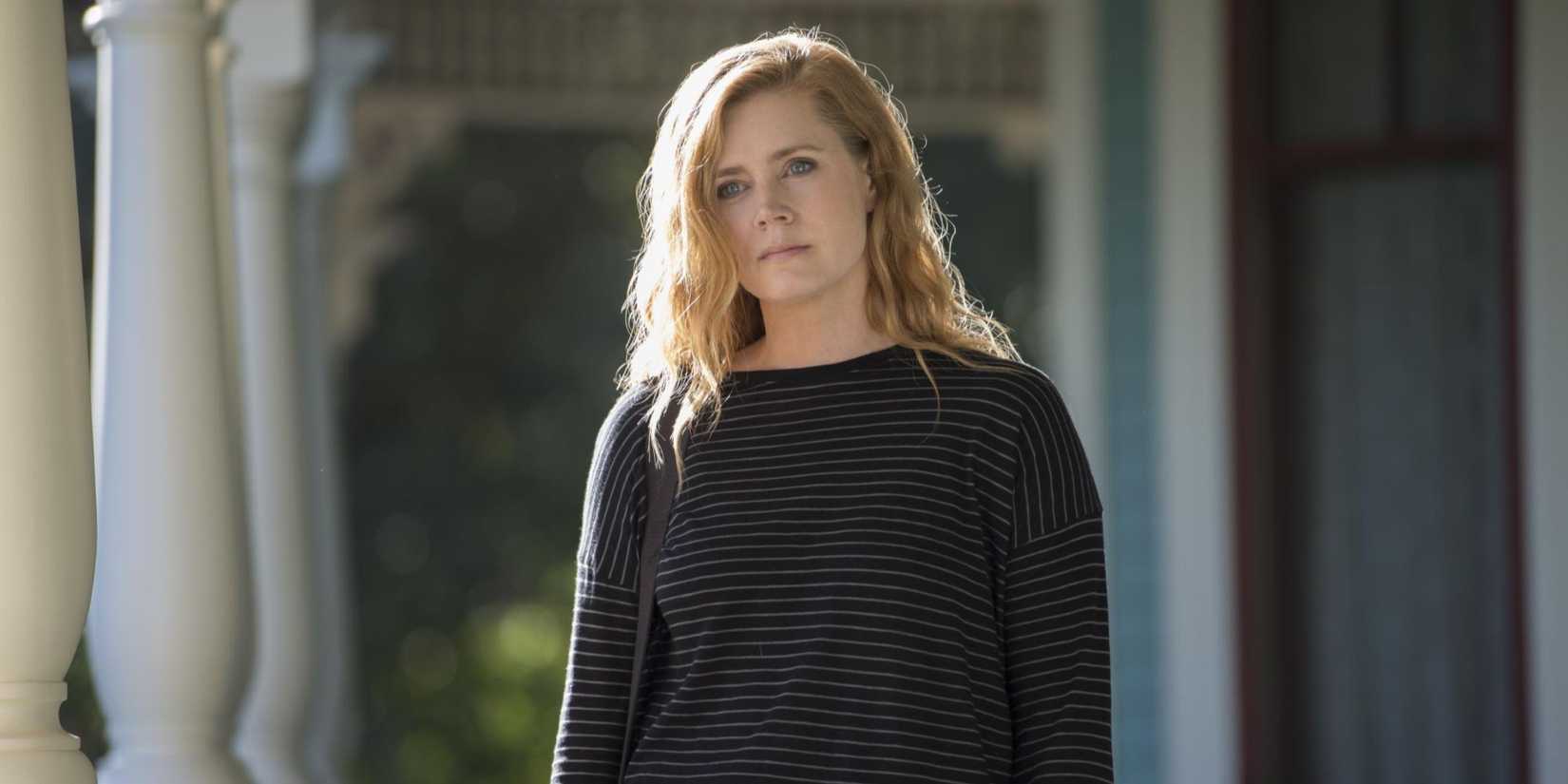
Adapted from Gillian Flynn’s novel and directed by Jean-Marc Vallée, Sharp Objects starred Amy Adams as Camille Preaker, a self-destructive crime reporter forced to return to her stifling Missouri hometown to cover the murders of two young girls. The psychological thriller brilliantly intertwined the murder investigation with generational abuse and maternal manipulation, illustrating how unhealed familial trauma festers into violence.
Mare of Easttown (2021)
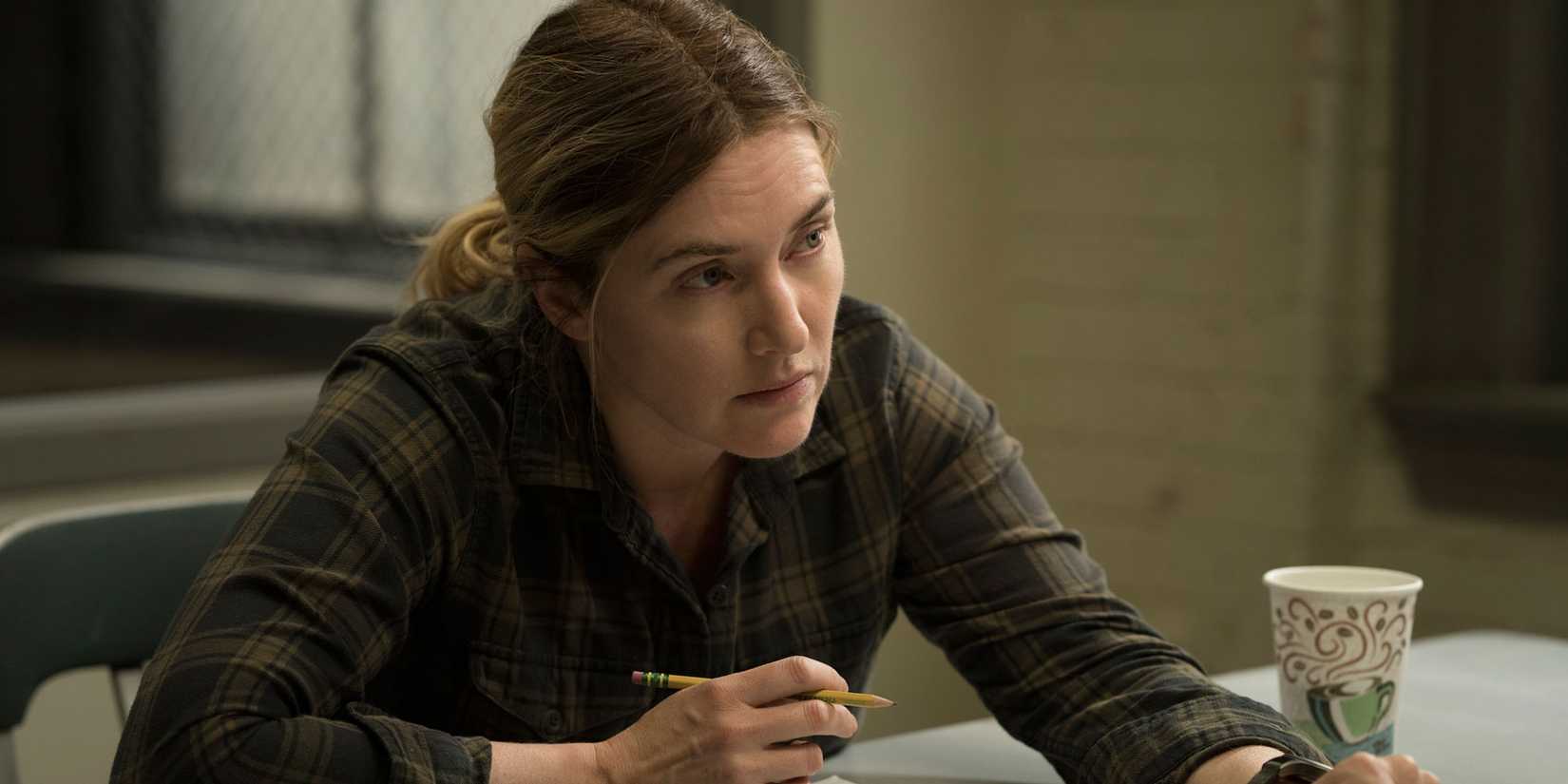
Created by Brad Ingelsby, Mare of Easttown paired a riveting small-town murder mystery with a profound character study of grief. Kate Winslet delivered a career-defining performance as Detective Sergeant Mare Sheehan, a weary investigator battling local scrutiny while carrying the unbearable weight of unresolved family tragedy. The series excelled by making its fictional Pennsylvania suburb feel startlingly authentic, populated by people bound together by shared history and hidden grief.
6. Corporate Gangsters: Succession (2018–2023)
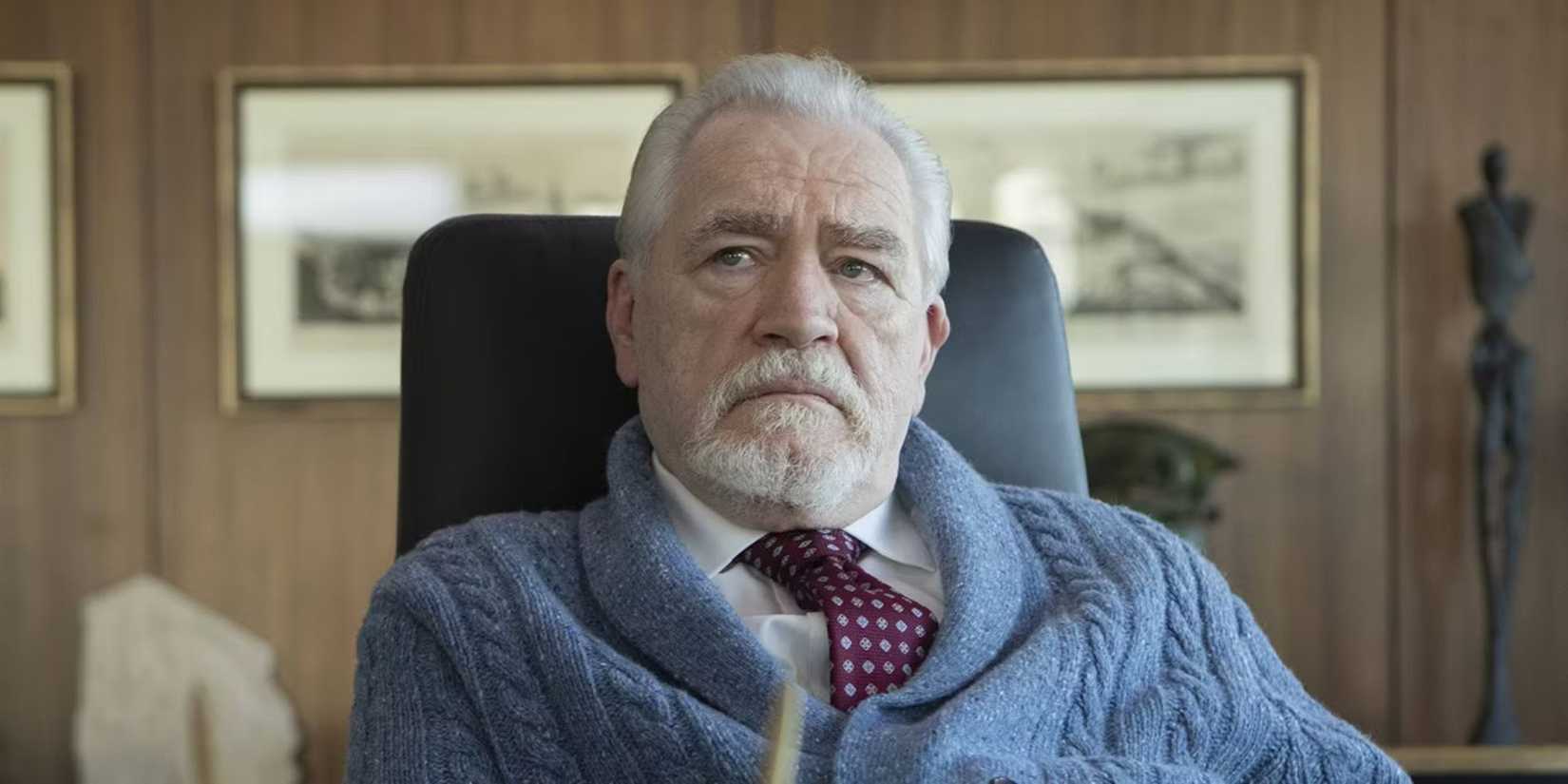
While nominally categorized as a dark corporate satire, Jesse Armstrong’s Succession functions fundamentally as a crime drama of the ultra-wealthy. Chronicling the vicious power struggles within the Roy family over media conglomerate Waystar Royco, the series swapped out street-level mobsters for white-collar elites.
Led by Brian Cox as patriarch Logan Roy, the Roy children engaged in relentless manipulation, evidence tampering, and the concealment of corporate negligence—including sexual harassment cover-ups and a fatal accident caused by a family member—proving that immense wealth offers an impenetrable shield against traditional justice.
Supporting Data: Critical Reception and Industry Impact
The cultural longevity of these titles is underscored by critical acclaim, massive viewership milestones, and unmatched award recognition:
- Emmy Dominance: HBO crime series have consistently swept major television awards. The Sopranos earned 21 Primetime Emmy Awards out of 111 nominations, while Succession dominated its run with 19 Emmy wins, including multiple victories for Outstanding Drama Series.
- Miniseries Powerhouses: Single-season and limited-run crime projects like Mare of Easttown and The Night Of achieved massive commercial and critical success, proving that audiences hungered for tight, closed-ended narratives with cinematic production values.
- Streaming Longevity: Years after their original broadcasts, titles like The Wire, The Sopranos, and True Detective remain top performers on streaming platforms like Max (formerly HBO Max), continuously attracting new generations of viewers through word-of-mouth and cultural ubiquity.
Official Responses and Creative Insights
The creators and stars behind these masterworks have frequently spoken about the unique artistic freedom HBO affords them, allowing for stories that defy network television conventions.
Reflecting on the psychological depth of The Sopranos, late star James Gandolfini once noted that portraying Tony required tapping into universal human contradictions: "He’s a guy trying to do the best he can in a world that is inherently corrupt, while acknowledging that he is the main source of corruption."
Similarly, director Martin Scorsese emphasized the cinematic ambition behind Boardwalk Empire: "Television allows you to build a world brick by brick, character by character, in a way that feature films simply don’t always have the runtime to achieve. HBO understood that depth was more valuable than rushed exposition."
Showrunners like Issa López (True Detective: Night Country) have praised the network’s willingness to lean into genre-defying atmospheric storytelling: "HBO doesn’t ask you to water down your vision for a broad demographic. They ask you to dig deeper into what makes the characters human, no matter how uncomfortable the truth might be."
Implications: The Legacy of HBO’s Crime Catalog on Modern Television
The cultural footprint left by HBO’s crime catalog extends far beyond the network’s own streaming metrics. By proving that audiences will enthusiastically embrace flawed, unlikable protagonists, morally ambiguous conclusions, and slow-burn pacing, HBO transformed the DNA of global television.
- Death of the Clean Resolution: Traditional network television once demanded neatly wrapped case-of-the-week conclusions. HBO’s serialized crime dramas popularized unresolved ethical dilemmas and lingering ambiguity—most famously demonstrated by the abrupt, shocking cut-to-black in The Sopranos series finale.
- The Auteur Migration: The cinematic prestige of shows like Boardwalk Empire and True Detective erased the historical stigma of "movie stars doing TV." Today, Academy Award-winning actors and directors regularly seek out television as the premier medium for complex character development.
- Societal Mirroring: By tackling contemporary issues—from economic disparity and systemic racism in The Night Of and True Detective to unchecked corporate greed in Succession—HBO’s crime dramas serve as incisive social commentaries on the flaws of modern institutions.
Conclusion
HBO’s enduring mastery of the crime genre lies in its refusal to treat criminal behavior as mere spectacle. By grounding their narratives in rigorous character work, psychological realism, and uncompromising social critique, series like The Sopranos, Succession, Mare of Easttown, and True Detective have transcended their genre classifications. They are not simply stories about crime; they are masterclasses in the human condition, cementing HBO’s status as the gold standard of television storytelling for generations to come.
