
The Continuing Reign of Westeros: A 2026 Milestone for HBO’s Franchise
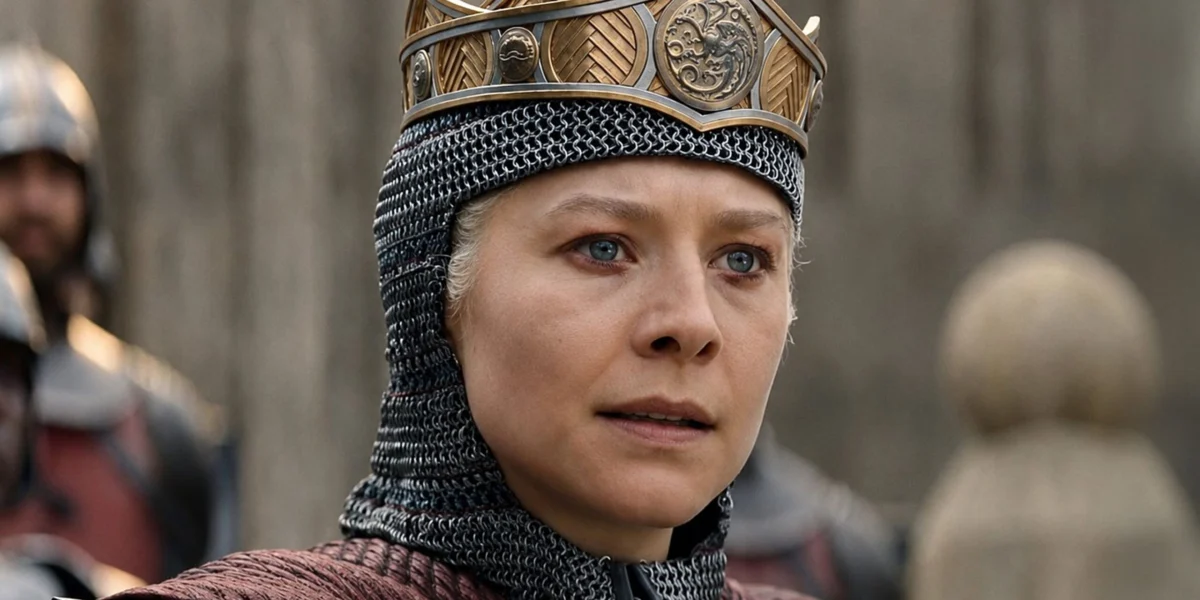
The year 2026 has proven to be an extraordinary period for enthusiasts of George R.R. Martin’s dark fantasy universe. Decades after the initial television phenomenon began, the Game of Thrones intellectual property remains one of the most powerful and lucrative pillars in modern entertainment. Rather than fading into nostalgia, HBO Max has successfully transformed Westeros into a year-round television destination, treating global audiences to multiple concurrent series, expanded merchandise lines, and continuous world-building.
This year has been especially momentous, marked by the arrival of fresh television output, structural confirmations for upcoming show finales, and collectible market shifts that highlight the enduring devotion of the fandom. While the television landscape shifts rapidly toward streaming consolidation, HBO’s Westerosi franchise continues to anchor millions of subscribers, proving that the appetite for dragons, political backstabbing, and feudal warfare remains insatiably high.
Chronology of the Franchise: From 2022 Beginnings to the 2028 Horizon
To understand the current state of the Game of Thrones universe, one must look back at the trajectory that brought HBO to this juncture.

- August 2022: The premiere of House of the Dragon Season 1 successfully revitalized the franchise, drawing massive viewership numbers and healing some of the wounds left by the divisive 2019 series finale of the original Game of Thrones.
- Summer 2026: House of the Dragon returned to HBO Max for its highly anticipated third season. Following a mixed critical and fan reception to the pacing of Season 2—which many felt concluded just shy of a definitive narrative climax—Season 3 won back audiences, re-establishing critical goodwill for the Dance of the Dragons.
- Late 2026: HBO officially confirms the production timeline for House of the Dragon Season 4. Network executives announce that Season 4 will serve as the dramatic and explosive final chapter for the prequel series, with filming scheduled to commence next year ahead of an anticipated 2028 premiere.
- Second Half of 2027 (Upcoming): Production has already officially wrapped on the second season of A Knight of the Seven Kingdoms, the lighter, more intimate spin-off praised heavily by George R.R. Martin himself. It is locked in to premiere later next year.
Supporting Data and Collectible Markets: The Business of Westeros
The dominance of the franchise extends far beyond streaming metrics, deeply embedding itself into consumer products, physical media, and high-end collectibles. A prime example of this commercial vitality is the recent announcement from the SciFiHobby website regarding an upcoming wave of House of the Dragon trading cards, scheduled for release on October 21, 2026.
The Anatomy of the New Collectible Release
- Configuration: Each hobby box contains 24 individual packs.
- Density: Every pack includes 5 premium cards.
- The Chase: To incentivize high-value purchases, every single box is guaranteed to contain sought-after autographed cards.
- Star Talent: The autograph checklist features more than 25 distinct signatures, including major series headliners such as Matt Smith (Daemon Targaryen), Emma D’Arcy (Rhaenyra Targaryen), and Olivia Cooke (Alicent Hightower).
Because of the randomized nature of trading card distribution and the expansive checklist, dedicated collectors are expected to purchase multiple boxes upon launch to secure autographs of the show’s primary leads. This physical collectible market underscores a vital truth for modern media franchises: passionate fanbases demand tangible connections to the intellectual property they consume digitally.
Official Statements, Fan Reception, and Critical Analysis
The road to the end of House of the Dragon has been paved with intense scrutiny. When the original Game of Thrones concluded its eighth season in May 2019, the backlash was historic. Many feared the broader universe was toxic to future investment. However, House of the Dragon Season 1 shattered those doubts, proving that audiences were more than willing to return to Westeros if the foundational storytelling remained grounded in complex character dynamics and political intrigue.

Reaction to the subsequent seasons has been a fascinating study in modern television fandom. While Season 2 faced notable criticism on social media and fan forums for feeling transitional—arguably holding back major military engagements for future payoffs—Season 3 served as a triumphant course correction. By delivering on narrative promises and sharpening the emotional stakes between Rhaenyra and Alicent, the creative team successfully repaired any fragmentation within the viewer base.
Speaking on the trajectory of the universe, HBO executives have consistently emphasized a strategy of "quality over quantity." Rather than flooding the market with half a dozen simultaneous projects, the network has deliberately staggered its releases—balancing the epic, CGI-heavy spectacle of House of the Dragon with the grounded, character-driven medieval wanderlust of A Knight of the Seven Kingdoms.
Broader Implications for HBO Max and the Fantasy Genre
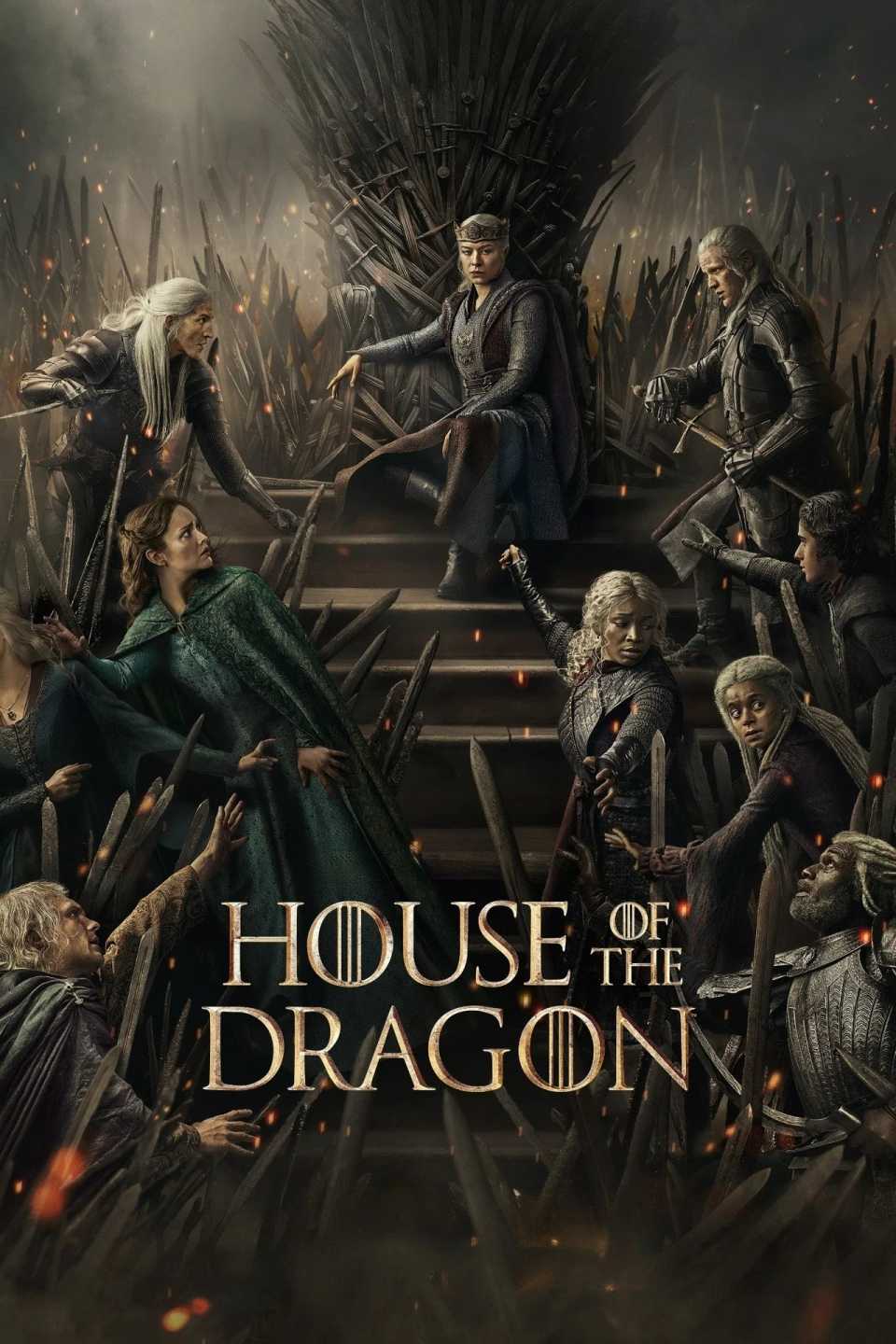
As HBO prepares for the eventual conclusion of House of the Dragon with its fourth and final season in 2028, the network is setting a definitive precedent for how major fantasy franchises should be managed.
1. The Finite Narrative Model
By explicitly declaring Season 4 as the end of the line for House of the Dragon, HBO is actively avoiding the trap of over-serialization. Modern television audiences frequently grow exhausted by shows that overstay their welcome. A planned, four-season arc allows showrunners to execute a tightly woven tragedy without inflating episode counts with filler content.
2. Diversifying the Tone
The simultaneous success of House of the Dragon and A Knight of the Seven Kingdoms proves that the Westeros universe can support wildly different tones. While the former is a grand-scale geopolitical tragedy driven by weapons of mass destruction (dragons), the latter offers a smaller, more intimate look at the common folk and wandering knights of the realm. This tonal diversification prevents franchise fatigue.
3. Sustaining Engagement Through Off-Screen Media
Releases like the upcoming October 2026 trading card drop do more than generate auxiliary revenue; they maintain cultural relevance during the lengthy hiatuses between television seasons. In an era where fans wait two years between major seasons of prestige television, physical collectibles, companion books, and digital engagement quizzes ensure the fandom remains active year-round.

As 2026 draws to a close, it is clear that the realm is in a stable position. With A Knight of the Seven Kingdoms ready to debut its second season in late 2027 and House of the Dragon gearing up for its grand finale production run, the legacy of George R.R. Martin’s creation shows no signs of dimming its fire.
