
Bringing Camp Blood Back to Life: Inside the Practical Magic and Brutal Craftsmanship of Peacock’s Crystal Lake
Main Facts
For horror aficionados raised on the visceral, sweat-soaked practical effects of 1980s slasher cinema, modern television can often feel like a digital wasteland. As computer-generated blood sprays and uncanny-valley monsters increasingly dominate streaming platforms, the art of physical monster-making risks fading into cinematic history.
Enter Peacock’s Crystal Lake, a series that has fiercely swum against the digital tide. Every single kill, mutilation, and gruesome demise in the show’s inaugural season was executed live in front of the camera using old-school, hands-on artistry.
To pull back the curtain on this blood-soaked masterclass, Peacock recently released an exhaustive, eight-minute and fifty-second featurette titled “Bringing Death to Life with Practical Special Effects.” The behind-the-scenes deep-dive walks viewers through the painstaking gore work, mechanical trickery, and elaborate prosthetics that transformed young actor Callum Vinson into a terrifyingly realistic, twelve-year-old iteration of Jason Voorhees. However, prospective viewers have been issued a stern warning: the featurette is a minefield of major spoilers, breaking down the carnage of all eight episodes in unflinching detail.
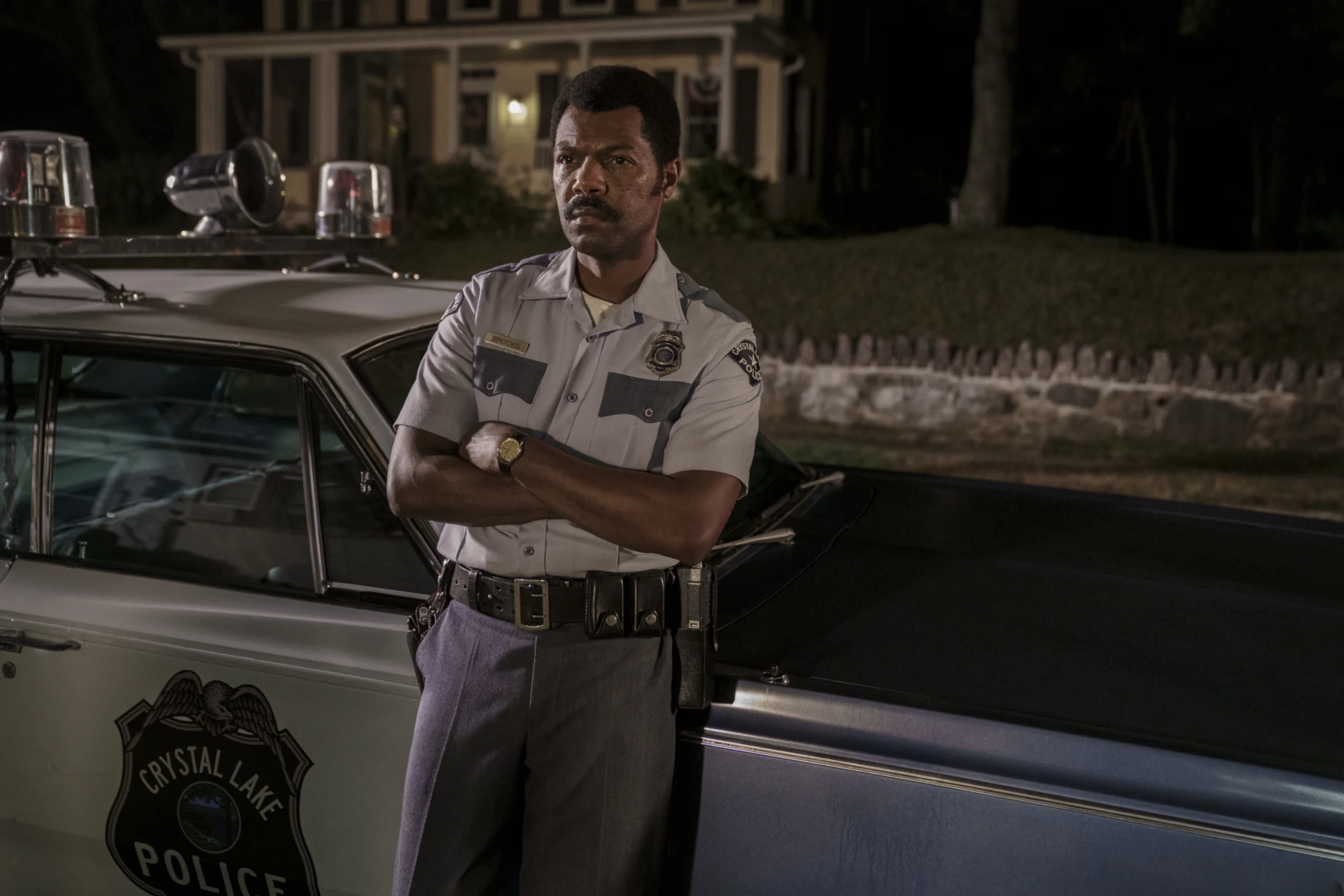
Created by Brad Caleb Kane, Crystal Lake debuted on Peacock with its full eight-episode first season, captivating audiences with a fresh yet nostalgic take on the legendary Friday the 13th lore. The ensemble cast features Linda Cardellini stepping into the iconic role of Pamela Voorhees, alongside standout performances from William Catlett, Cameron Scoggins, Devin Kessler, and Gwendolyn Sundstrom.
Yet, the undisputed co-stars of the series are the prosthetics and the gore. Spearheaded by seasoned special effects makeup artist David Presto—whose impressive resume includes work on A Complete Unknown, The Penguin, and Dexter: Resurrection—the production deliberately rejected digital shortcuts in favor of tactile, stomach-churning realism.
Chronology of a Slaughter: Bringing the Camp Back
The journey to resurrecting Jason Voorhees for television was long, legally fraught, and heavily anticipated. For decades, the Friday the 13th franchise languished in legal limbo, keeping the hockey mask locked away in a vault. When Peacock finally secured the rights and greenlit Crystal Lake under Kane’s creative vision, the production team faced an immediate philosophical choice: rely on modern VFX studios to generate the kills safely and cheaply, or commit to the grueling, messy reality of practical effects.
They chose the hard way. From pre-production through the final days of principal photography, the set operated as a throwback to the golden age of Tom Savini and Stan Winston.
The creation of the series moved at a breakneck pace, culminating in a grueling production schedule. Speaking in-depth with Fangoria during a visit to the set, David Presto highlighted the sheer intensity of the shoot. While discussing the logistical nightmares of filming high-stakes horror for television, Presto dropped a staggering revelation: the climactic, blood-drenched sequence for the season finale was shot across just two days—a timeframe he bluntly described as “insane” for the sheer volume of practical gags required.

When the complete eight-episode season dropped on October 15, fans immediately began dissecting the kills. True to the creators’ word, every severed limb, crushed skull, and arterial spray was a physical object interacting with the actors in real-time, grounding the supernatural terror in a tangible, sweaty reality.
Supporting Data and Production Challenges: The Nightmare of the Right Eye
When casual fans think of special effects makeup on a horror series, they typically envision dramatic throat-slashes, exploding heads, or creative disembowelnents. But for David Presto, the true white whale of the Crystal Lake production wasn’t a complex kill gag. It was an anatomical feature that had to remain utterly mundane yet completely convincing: a young boy’s right eye.
“The biggest challenge was his right eye because we had budget constraints and time constraints,” Presto revealed to Fangoria.
This detail reveals the hidden complexities of television special effects work. A spectacular kill gag is a transient piece of art; it is set up, executed, destroyed on camera, and forgotten. Conversely, a prosthetic piece that must sit on a young performer’s face across an entire season of television is subjected to brutal scrutiny. It has to hold up under every conceivable lens, survive high-humidity night shoots, maintain continuity across shifting storylines, and look convincing under the merciless glare of varying lighting setups.
The physical demands placed on young actor Callum Vinson to bring a pre-teen Jason Voorhees to life were immense. Transforming Vinson required layer upon layer of custom prosthetics that had to blend seamlessly with his skin, move naturally with his facial expressions, and withstand the physical exertion of stalking victims through the woods of Camp Crystal Lake.
Furthermore, the production leaned heavily into a specific aesthetic philosophy. Presto noted that the creative brief handed down by the showrunners was deliberately narrow and uncompromising. “They wanted everything to be very visceral, very dirty, very raw,” Presto explained. This meant avoiding the slick, Hollywood-clean look of modern horror in favor of grimy, textured, tactile gore that felt genuinely dangerous.
Official Responses and Creative Direction
The artistic choices behind Crystal Lake have sparked intense discussions within the horror community, particularly regarding how the series handles the franchise’s sacred iconography. Most notably, the series made the bold decision to bench the iconic hockey mask—at least for the duration of the first season.
Ahead of the premiere, showrunner Brad Caleb Kane addressed the elephant in the room, confirming to fans that Jason Voorhees would wear a decidedly different mask than the one pop culture has associated with the character since Friday the 13th Part III. This creative pivot was designed to keep audiences off-balance, forcing them to engage with a younger, more feral, and less codified version of the cinematic boogeyman.
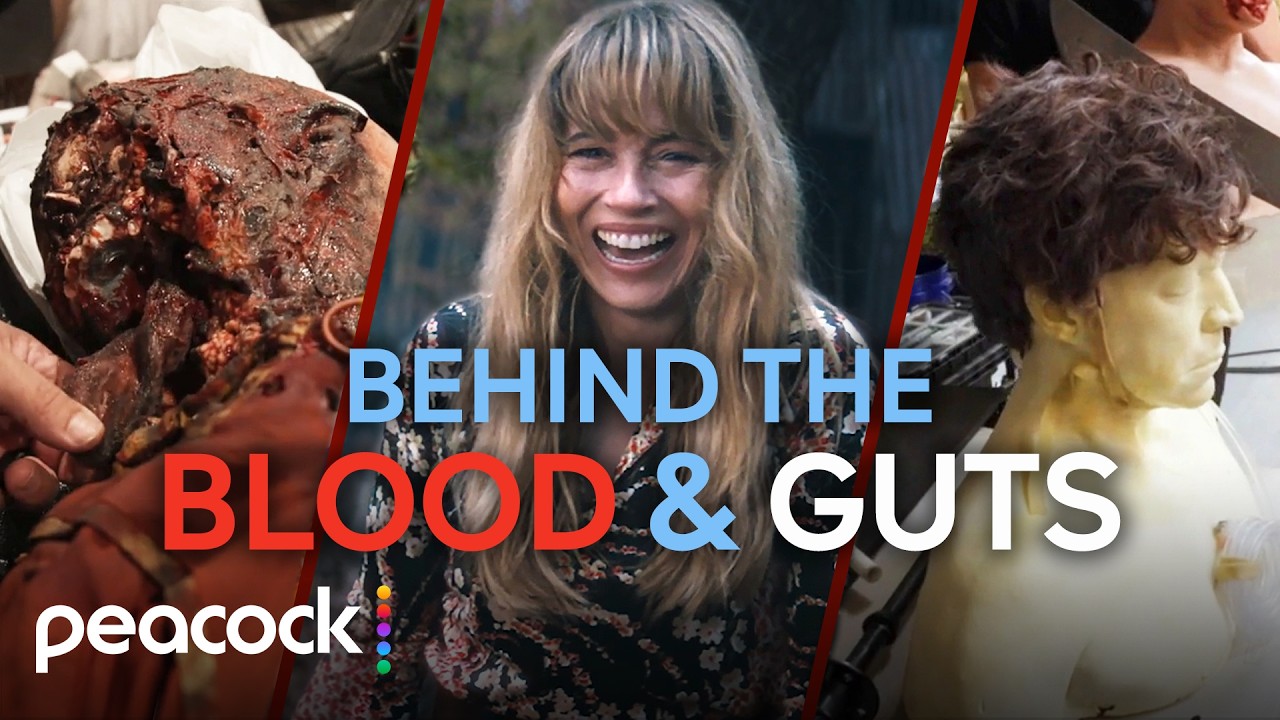
The reaction from the creative team has been unified in their defense of tactile filmmaking. By insisting that “literally every kill is done practically,” the production positioned itself as a champion for traditionalists. In an industry where young actors often act opposite tennis balls on sticks while waiting for CGI blood to be painted onto their bodies in post-production, the cast of Crystal Lake were reacting to real blood, real latex, and real mechanical effects.
Cast members like William Catlett (playing Levon) and Linda Cardellini (embodying the deeply complex Pamela Voorhees) have spoken in interviews about how the tangible nature of the set enhanced their performances. There is no substitute for the visceral psychological weight of standing inches away from a meticulously crafted, rotting prosthetic creation rather than imagining it in an editing bay.
Implications for the Future of Horror Television
The success of Crystal Lake’s practical effects campaign carries significant implications for the broader horror landscape on streaming television. For years, networks and streaming services have favored CGI for its perceived efficiency, lower insurance risks during physical stunts, and the ability to alter gore levels after principal photography wraps.
However, Peacock’s willingness to spotlight Presto’s practical work via the nearly nine-minute featurette underscores a major shifting trend: audiences can smell digital fakery, and they increasingly reward authenticity. The rapturous response to Crystal Lake’s old-school approach proves that practical effects are not merely a nostalgic novelty, but a powerful marketing tool that builds deep respect among genre enthusiasts.
As the industry watches to see if Peacock will formally greenlight a second season—no official renewal announcement has been made as of yet—the benchmark has been set. Crystal Lake demonstrated that serialized television can maintain the cinematic grit and tactile horror of 1980s slasher films without sacrificing narrative depth.
Whether future seasons will finally introduce the legendary hockey mask remains to be seen. But for now, David Presto, Brad Caleb Kane, and the entire special effects crew have secured their place in slasher history by proving that true terror cannot be rendered pixels at a time—it has to be built, painted, and brought to life by hand.
