
Evaluating Hogwarts: A Retrospective Analysis of the Wizarding World’s Most Questionable Educators
By Sky Blanton
Published October 23, 2026
Main Facts: The Standard of Instruction at Hogwarts
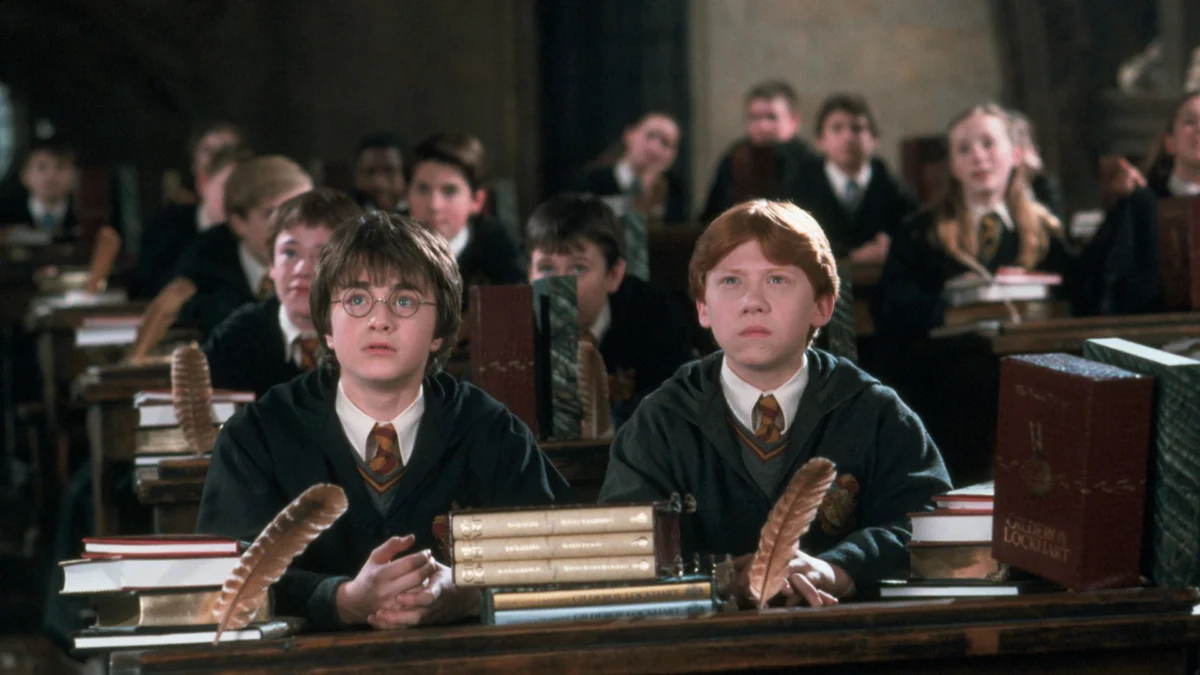
Long before Lord Voldemort’s dark forces breached the ancient stone gates of Hogwarts School of Witchcraft and Wizardry, students faced an arguably more insidious threat: a recurring roster of educators whose competency, pedagogical methods, and ethical foundations were deeply suspect. While powerhouse instructors like Professor Minerva McGonagall—capable of animating the castle’s very fortifications—earned the unwavering trust of their students, other faculty members left children vulnerable precisely when they needed protection the most.
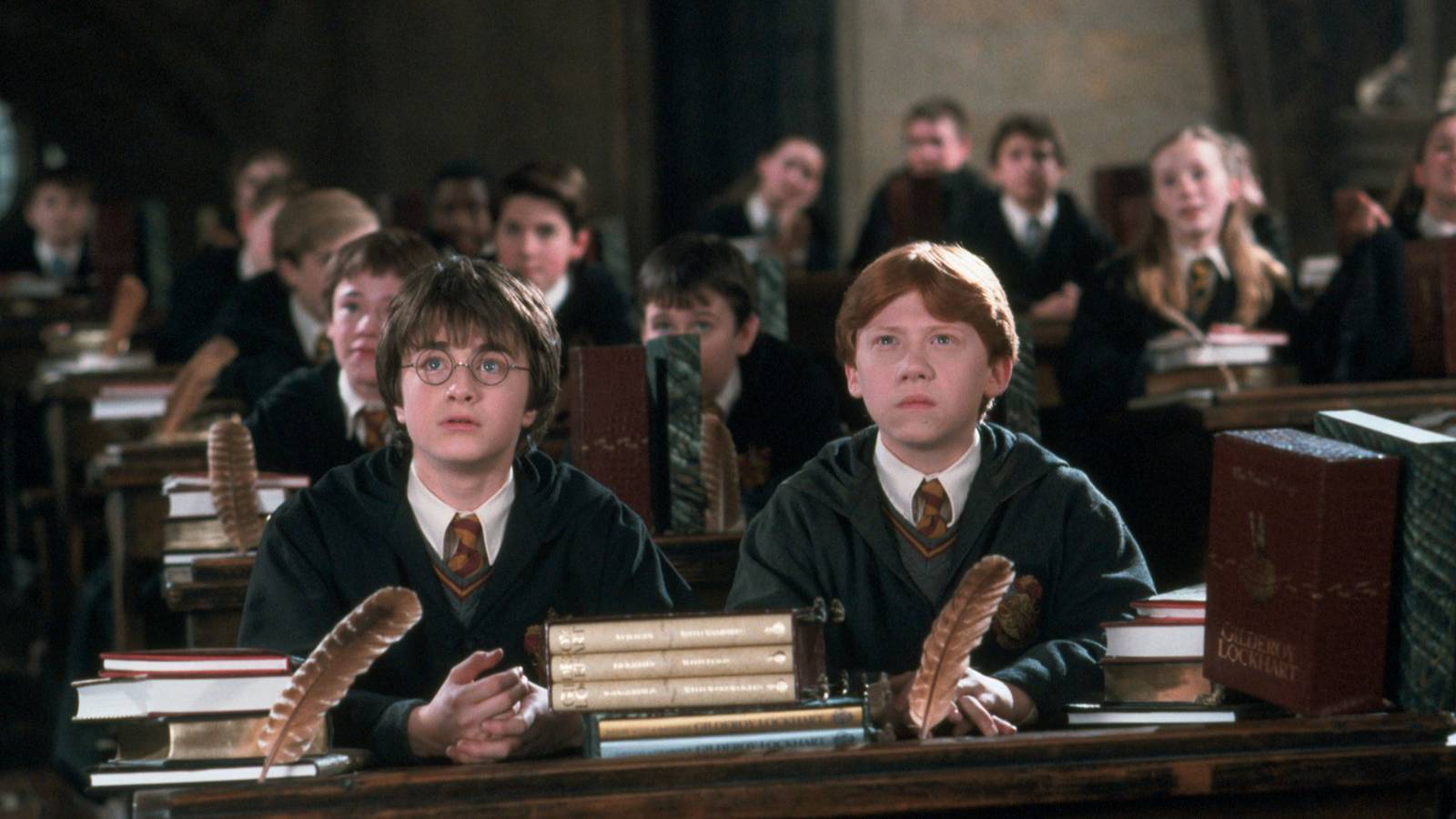
In the magical world, a professor’s worth cannot be measured merely by textbook knowledge or theoretical pedigree. True magical aptitude is demonstrated through practical application, ranging from the intricate precision of healing spells and transfiguration to heavy defensive magic like the Patronus Charm. When a teacher’s spell backfires, or worse, inflicts harm upon a student, it exposes critical vulnerabilities.
Drawing from the events depicted across the eight films of the Harry Potter franchise, a critical assessment of five of the institution’s most controversial instructors reveals a startling spectrum of failure. Ranging from misunderstood giants to outright fraudsters, these professors are ranked below from the most capable of the group to the absolute weakest at number one.

Chronology of Incompetence: A Historical Breakdown
To understand how these educators impacted generations of young witches and wizards, it is necessary to examine their actions chronologically across Harry Potter’s tumultuous seven-year educational journey.
1. The Sorcerer’s Stone Era: Quirrell and Hagrid
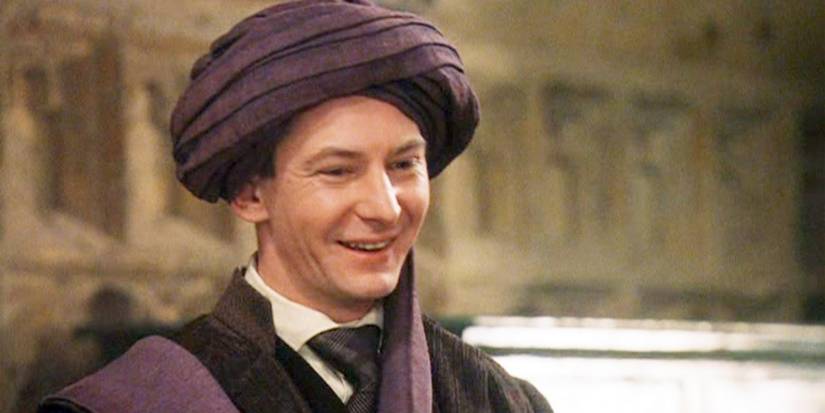
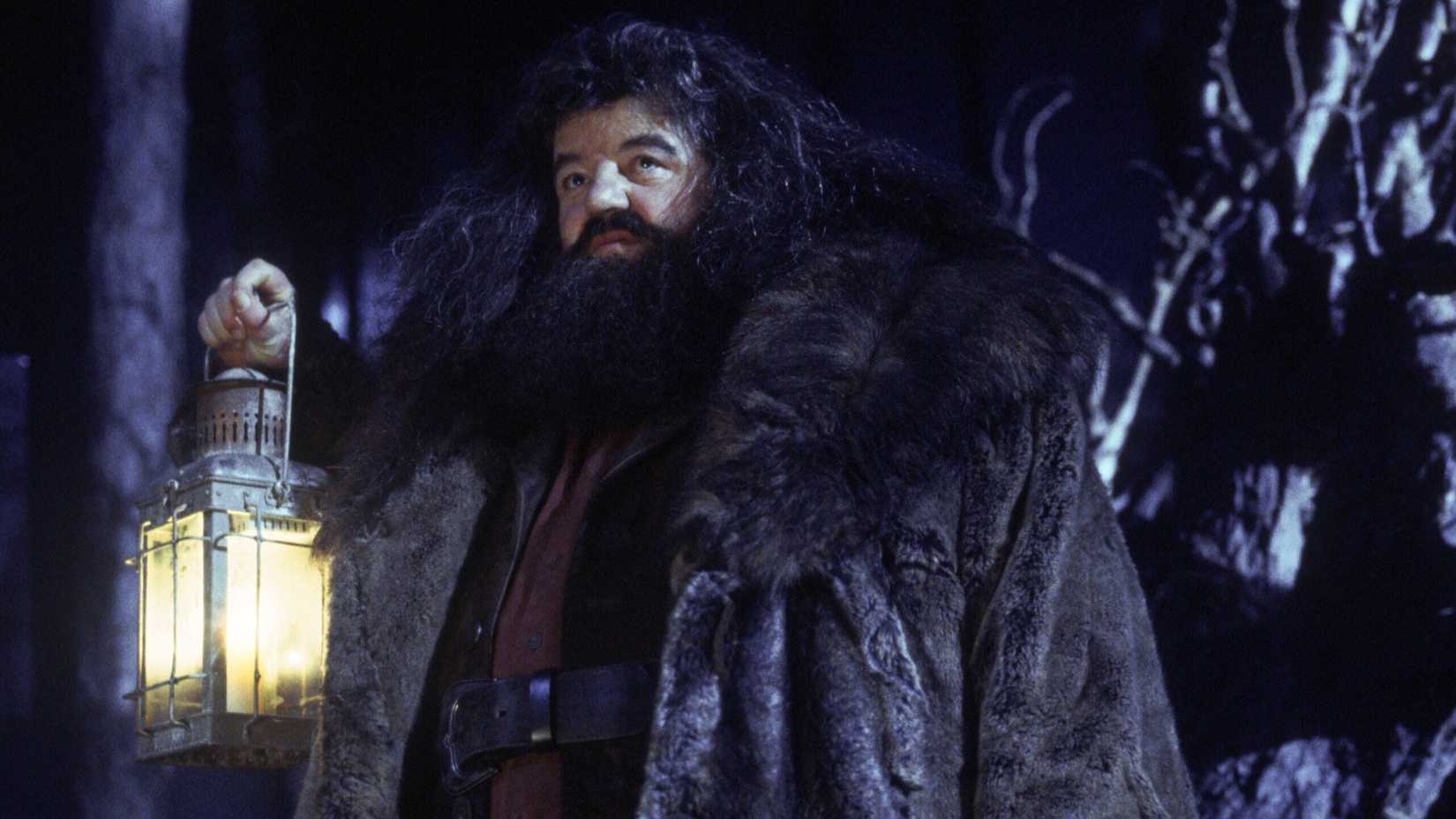
During Harry’s inaugural year, the teaching staff included figures who were either actively compromised or educationally limited. Quirinus Quirrell masked a terrifying allegiance under a nervous stammer, while Rubeus Hagrid relied primarily on physical resilience and expelled magical knowledge.
2. The Chamber of Secrets Fiasco: Gilderoy Lockhart
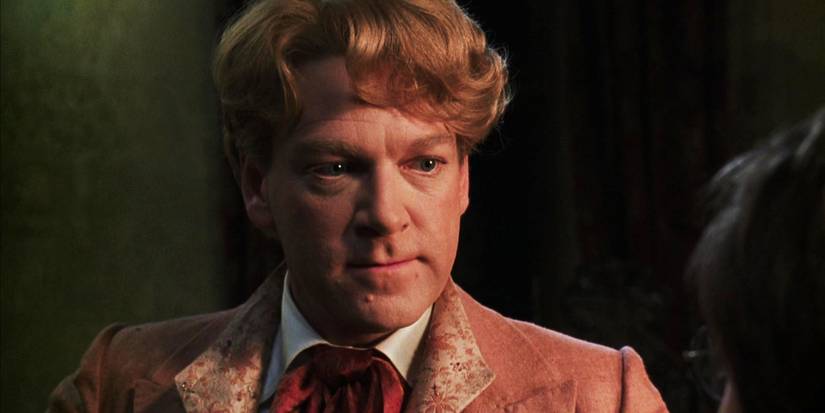
By year two, the administration’s vetting process hit an all-time low with the hiring of Gilderoy Lockhart. His tenure was defined not by what he taught, but by the chaos he unleashed—ranging from Cornish pixies terrorizing a second-year classroom to his disastrous attempt to "heal" Harry’s broken arm, resulting in a boneless limb.
3. The Prisoner of Azkaban: Trelawney’s Shadows
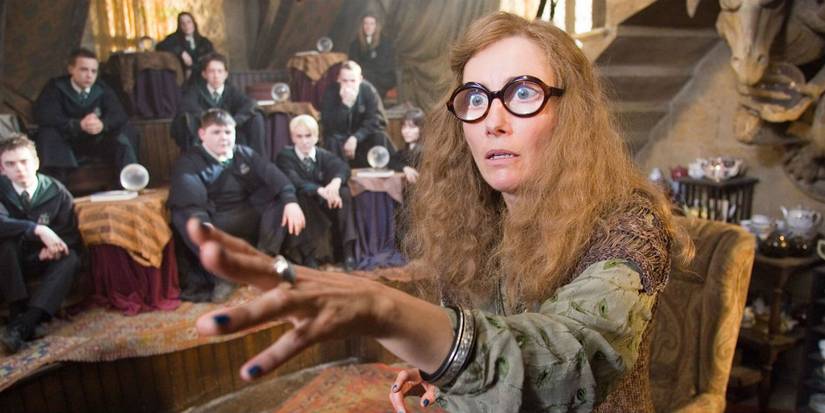
Year three introduced Professor Sybill Trelawney, whose ominous predictions of doom frightened students without offering actionable guidance, contrasted only by her occasional, unremembered trances of genuine prophecy.
4. The Dark Times of Order of the Phoenix: Dolores Umbridge
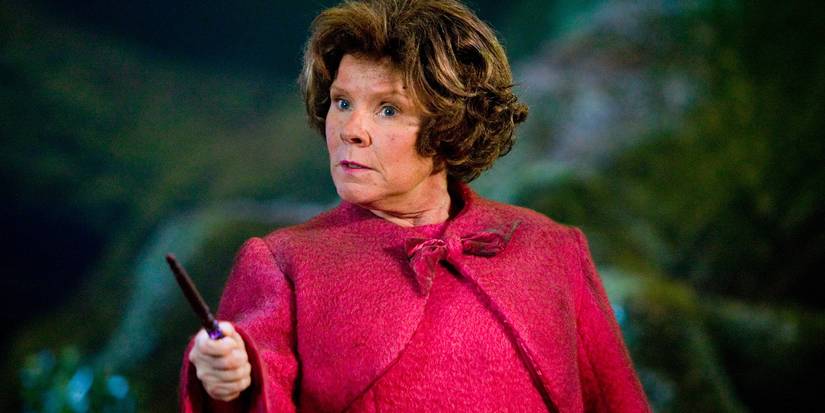
As the wizarding world plunged toward war, the Ministry of Magic injected Dolores Umbridge into the Hogwarts faculty. Armed with institutional power and a deeply cruel disposition, Umbridge demonstrated advanced defensive magic—such as a corporeal cat Patronus—while utilizing her authority to torture students and dismantle practical defense education.
Supporting Data: Faculty Capability Analysis
When evaluating these five professors, metrics such as defensive capabilities, spell complexity, and reliability under pressure highlight stark differences in their overall utility as educators.
| Educator | Primary Area of Magic | Notable Feat | Critical Failure |
|---|---|---|---|
| Quirinus Quirrell | Dark Arts / Charms | Conjuring wandless flames; broom jinxes | Manipulated by Voldemort; easily defeated by love protection |
| Dolores Umbridge | Ministry Charms / Dark Defense | Casting a corporeal cat Patronus | Failed to control centaurs; overly reliant on Ministry authority |
| Sybill Trelawney | Divination | Delivering authentic, unprompted prophecies | Unable to summon or interpret visions at will |
| Rubeus Hagrid | Magical Creatures / Basic Transfiguration | Lighting fires; transforming Dudley’s tail | Expelled early; limited formal wandwork |
| Gilderoy Lockhart | Memory Charms (Oblivation) | Writing bestselling autobiographies | Stealing others’ achievements; botching basic student healing |
Official Responses and Institutional Oversight
The recurrent employment of unqualified or dangerous individuals at Hogwarts raises serious questions regarding the school’s board of governors and the oversight of the Headmaster, Albus Dumbledore.
Historically, Dumbledore defended controversial hires under the guise of second chances, espionage, or necessity. For instance, employing Quirrell allowed Dumbledore to keep a close eye on a corrupted professor, though it placed hundreds of children at direct risk. Similarly, the appointment of Dolores Umbridge was not a choice made by the school, but a hostile regulatory takeover by the Ministry of Magic—highlighting a severe vulnerability in Hogwarts’ institutional autonomy.
Educational experts within the Wizarding World have long debated whether the Board of Governors should implement standardized testing and background checks for incoming professors. Critics argue that relying solely on a Headmaster’s eccentric hiring practices leaves students defenseless against fraudsters like Lockhart and ideologues like Umbridge.
Implications for Wizarding Education
The legacy of these questionable educators extends far beyond poor grades; it fundamentally altered how generations of students approached personal safety and crisis management.
- Erosion of Student Trust: When professors like Lockhart or Quirrell proved untrustworthy or incompetent, students were forced to take their education and survival into their own hands—culminating in grassroots organizations like Dumbledore’s Army.
- The Need for Practical Defense: The tenure of incompetent instructors underscored the absolute necessity of rigorous, hands-on Defense Against the Dark Arts training. The gaps left by theorists and frauds necessitated clandestine peer-to-peer instruction.
- Institutional Reform: The events of the Second Wizarding War ultimately forced the Ministry and Hogwarts administration to overhaul hiring practices, ensuring that future educators possessed both verified credentials and genuine moral integrity.
Ultimately, while Hogwarts remained the premier institution for magical learning, the presence of professors who relied on stolen valor, dark parasites, or sheer intimidation serves as a permanent cautionary tale about the dangers of unchecked institutional power and flawed faculty vetting.
