
The Mud-Caked Tragedy: Why ‘The Batman’ (2004) Delivered the Most Heartbreaking Clayface

While the annals of DC Comics history are replete with iconic villains, few characters are as visually and narratively suited for animation as Clayface. As a shifting, amorphous mass of living clay, the character allows artists to push the boundaries of physical constraints, transcending the rigid limitations of live-action cinematography. While recent buzz has centered on upcoming DC Studios projects attempting to tackle the character, many fans argue that the gold standard for the villain’s origin remains "Feat of Clay," the seminal debut from Batman: The Animated Series.
However, there is a compelling argument to be made for a different iteration—one that lived in the shadow of its predecessor but dared to reinvent the very nature of the tragedy. The 2004 series The Batman, often overlooked due to its divergence from the Timm-verse aesthetic, offered a version of Clayface that was not merely a monster, but a deeply personal, human tragedy: the story of Ethan Bennett.
The Evolution of the Mud-Monster: Main Facts
In the traditional DC canon, Clayface is often depicted as Basil Karlo, a disgraced actor driven to madness, or Matt Hagen, a corrupt figure whose greed leads to his physical undoing. The Batman, under the creative direction of Jeff Matsuda, chose a radical departure. By introducing Ethan Bennett—a dedicated GCPD detective and, crucially, a close personal friend of Bruce Wayne—the show transformed the "Clayface" narrative from a tale of hubris into a story of lost innocence.
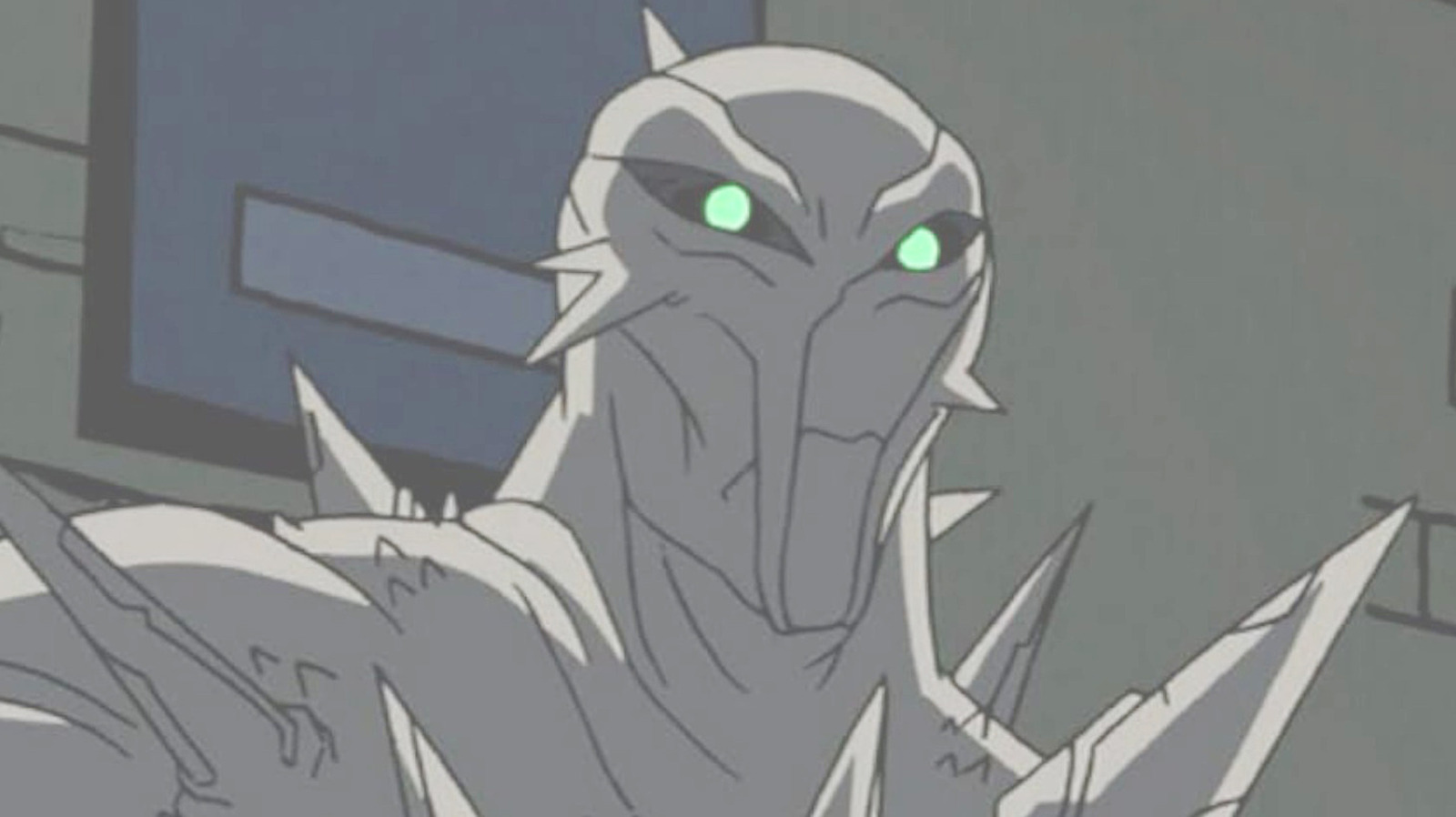
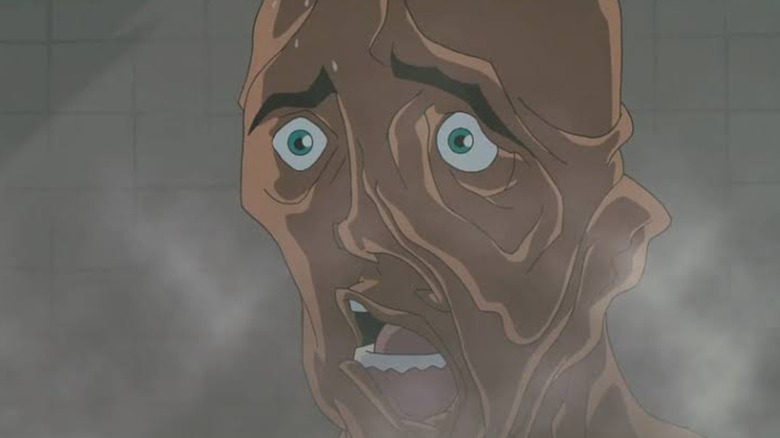
Unlike the Animated Series iteration, where the villain’s transformation is a result of his own moral failings, Ethan Bennett’s metamorphosis into Clayface is a victimization of the highest order. Abducted by the Joker, Bennett is subjected to "Joker Putty," an experimental chemical agent that liquefies solid matter. This act of cruel, calculated torture does not just change his biology; it erodes his identity, forcing a hero to grapple with the realization that his own body has become the weapon he swore to protect Gotham from.
A Chronology of Corruption and Redemption
The arc of Ethan Bennett in The Batman is meticulously paced, spanning several seasons and serving as a mirror to Bruce Wayne’s own isolation.
The Rise and Fall (Season 1)
In the two-part Season 1 finale, "The Rubberface of Comedy" and "The Clayface of Tragedy," we witness the systematic breaking of a good man. At this point in the series, Batman is a misunderstood fugitive, hunted by the police. Bennett and his partner, Ellen Yin, are among the few officers who begin to suspect that the Caped Crusader is an ally rather than a threat. This burgeoning trust makes his abduction by the Joker all the more poignant. When Bennett emerges as Clayface, the tragedy is dual-fold: Gotham loses a dedicated protector, and Bruce Wayne loses one of his few authentic human connections.
The Burden of Existence (Season 2)
The episode "Meltdown" provides a somber follow-up. Bennett, having been apprehended, attempts to reintegrate into society. The legal system, acknowledging his past heroism, grants him a chance at rehabilitation. However, the psychological weight of his condition, compounded by his inability to fully control his shifting form, leads to a relapse. This period highlights the "body horror" element of the character; he is a man trapped in a prison of his own biology, unable to be the hero he once was.
The Path to Atonement (Season 4)
In a move that separates this iteration from nearly every other villain in the rogues’ gallery, Bennett eventually finds redemption. In the Season 4 episode "Clayfaces," he encounters Basil Karlo, who has acquired similar powers. By teaming up with Batman to stop a man who truly embodies the "villainous" archetype of Clayface, Bennett secures a path toward a cure. The implication at the end of the episode is one of hope: he returns to a semblance of normalcy, finally able to reconcile with his past and his friend.
Supporting Data: Why This Version Resonates
The strength of The Batman’s Clayface lies in its deliberate subversion of the Harvey Dent/Two-Face archetype. In many Batman stories, Harvey Dent serves as the "fallen friend"—the moral anchor whose descent into darkness proves that even the best men can break. The Batman essentially consolidated these narrative beats into the character of Ethan Bennett.
By introducing Bennett as a recurring, likable character before his transformation, the creators ensured the audience felt the sting of his loss. The "Dual Mask" motif—a subtle nod to the Greek theater masks of tragedy and comedy—was utilized in the title cards of the Animated Series, yet The Batman effectively repurposed this imagery for a character who wasn’t an actor, but a man split between his duty to the law and his new, monstrous reality.
Furthermore, the show’s art style, influenced by Jeff Matsuda’s background in high-octane animation like Jackie Chan Adventures, allowed for a more fluid, volatile depiction of Clayface. His movements were not just fluid; they were erratic, reflecting the mental instability that came with his physical instability.
Official Context and Creative Intent
While Warner Bros. Animation has rarely issued formal "mission statements" regarding these specific episodes, the involvement of Greg Weisman (the creative force behind Gargoyles and Young Justice) in the writing of the Bennett arc speaks volumes. Weisman is known for his dedication to long-form storytelling and deep character development.
The intent was clearly to move away from the "villain-of-the-week" format that hampered many early 2000s cartoons. By giving Clayface a multi-season arc, the show elevated the stakes. In the Animated Series, the tragedy of Matt Hagen is that he chooses the path of crime to feed his addiction. In The Batman, the tragedy is that the hero is forced to fight for his humanity, making his eventual return to grace a monumental character victory that is rarely seen in the Batman mythos.
Implications: The Legacy of a Tragic Villain
The legacy of Ethan Bennett as Clayface poses a significant question for future adaptations: does a villain always need to be inherently "bad" to be compelling?
Modern audiences are increasingly drawn to "sympathetic" villains, but the Bennett arc takes this a step further by offering a rare "redemption arc." Most Batman villains, such as the Joker, Two-Face, or the Riddler, are locked in a cycle of relapse and incarceration. Ethan Bennett’s ability to move past his trauma and reclaim his life suggests that the Batman universe is not solely defined by eternal conflict, but by the potential for healing.
This iteration of Clayface also highlights the importance of the "Bat-family" dynamic. Even in a version of the show where Batman is a loner, his interactions with Bennett serve as a precursor to his later willingness to trust others, such as Robin or Batgirl. Bennett’s arc proved that Bruce Wayne’s greatest strength is not his gadgets, but his capacity to believe in the goodness of people—even those who have been fundamentally altered by the madness of Gotham.
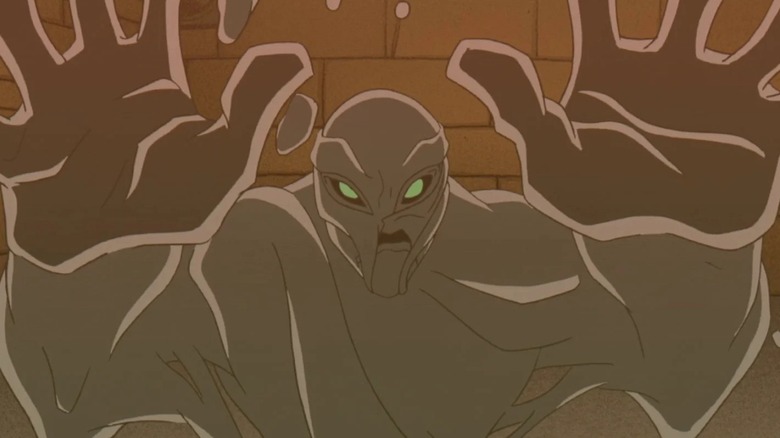
In conclusion, while Batman: The Animated Series remains the definitive cinematic interpretation of the Dark Knight’s world, The Batman (2004) deserves its place in the pantheon for its bold, human-centric approach to Clayface. By turning a shapeless monster into a tragic figure of lost potential and eventual redemption, the series offered a masterclass in character development that continues to influence how we view the villains of Gotham today. It serves as a reminder that behind the mud, the spikes, and the rage, there is often a person simply fighting to be whole again.
