
Hellboy Returns to the Underworld: Mike Mignola Expands His Masterpiece with ‘Hellboy in Hell: Nothing But Blood’
By Comic Culture Desk
Published: October 7, 2026
Main Facts: The Return to Pandemonium
In an era defined by endless franchise fatigue, cinematic reboots, and predictable nostalgia bait, true comic book masterpieces rarely get the chance to legitimately revisit their absolute peaks. Yet, Dark Horse Comics has achieved just that with the official launch of Hellboy in Hell: Nothing But Blood #1, which hit comic book shelves and digital platforms today, October 7, 2026.
Spearheaded by legendary creator Mike Mignola, this highly anticipated two-part mini-series plunges readers back into one of the most critically acclaimed and philosophically rich eras of the character’s publication history. Eschewing the conventional reboot formula, Nothing But Blood acts as an organic, lateral expansion of Mignola’s seminal 2012–2016 run, Hellboy in Hell.
The narrative thrust of the premiere issue wastes no time dropping readers into the deep end of the infernal abyss. According to official Dark Horse promotional material and early issue breakdowns:
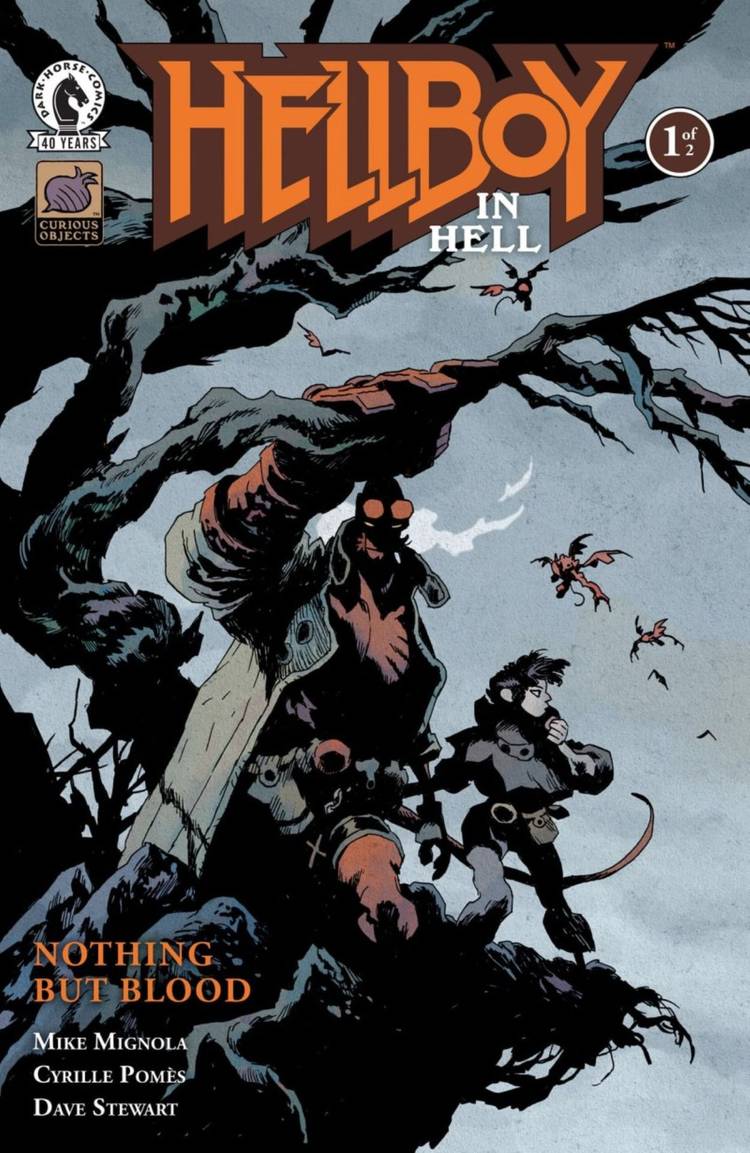
"Hellboy steps in to save a young woman being chased by winged beasts deep in Hell in the midst of an uprising against the most powerful demons. But nothing — and no one — are what they seem to be."
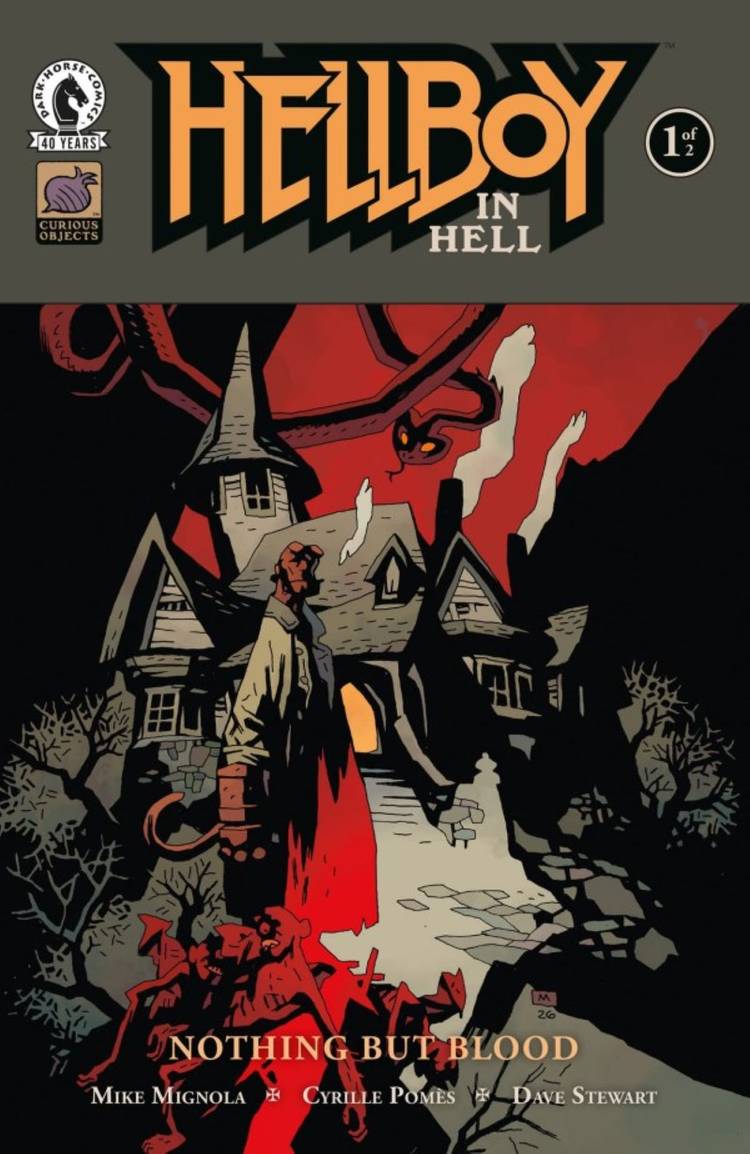
Featuring striking cover art by Cyrille Pomès alongside distinct variant covers, the first issue marks a major literary event for independent comics, proving that Mignola’s shadowy, expressionistic corner of the paranormal universe still holds immense narrative weight.
Chronology: Where Nothing But Blood Fits in the Hellboy Timeline
For both veteran readers and newcomers looking to dive into the fiery depths of Mignola’s creation, navigating the complex chronological placement of this new mini-series is essential.
The Legacy of the 2012 Run
To understand the significance of Nothing But Blood, one must look back at the original 10-issue Hellboy in Hell series, which ran from December 2012 to June 2016. That series followed Hellboy’s tragic demise in The Storm and the Fury and his subsequent journey descending into the subterranean layers of Hell. It served as a monumental milestone for the character, effectively serving as an exploration of Hellboy’s true demonic heritage, confronting his father (Azzael), and reshaping the power dynamics of the underworld entirely.

Interstitial Continuity
Crucially, Hellboy in Hell: Nothing But Blood does not take place after the events of the original 2016 conclusion. Instead, Mignola has crafted an interstitial tale that slots directly into the middle of the original run—specifically taking place immediately after the cataclysmic events of Hellboy in Hell #8, which featured the death of Satan and the subsequent destruction and fall of Pandemonium.
For fans wanting to experience the narrative in its most cohesive chronological order, literary experts recommend the following reading itinerary:
- Read Core Foundation: Hellboy in Hell issues #1 through #8.
- Dive into the New Mini-Series: Hellboy in Hell: Nothing But Blood issues #1 and #2.
- Conclude the Arc: Finish out the original run with Hellboy in Hell issues #9 and #10.
With issue #1 out today, readers will have to exercise a brief period of patience for the conclusion; Hellboy in Hell: Nothing But Blood #2 is officially slated for release on November 18, 2026.
Supporting Data: The Cultural Footprint of Hellboy
To measure the weight of a new Mike Mignola comic project, one must examine the extraordinary cultural staying power of the character since his debut in 1993 via San Diego Comic-Con Comics #2.
- Publication Longevity: Over three decades, the Hellboy universe has expanded exponentially through B.P.R.D., Lobster Johnson, Abe Sapien, and numerous original graphic novels, creating one of the most cohesive shared universes in creator-owned comics.
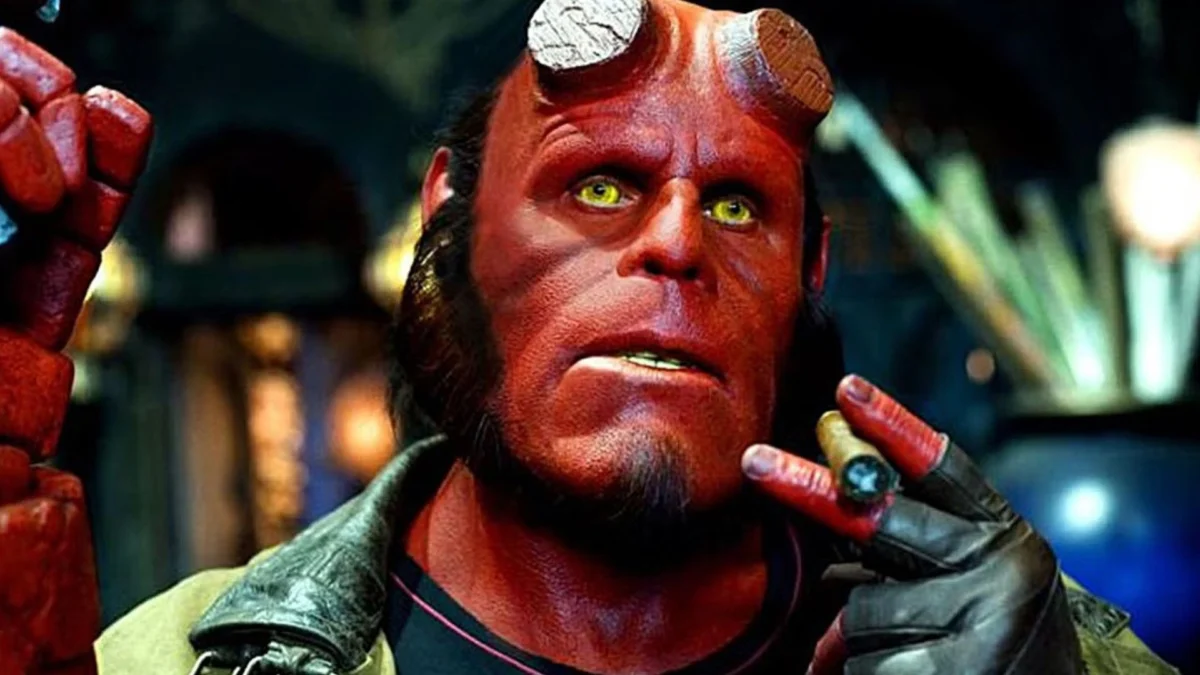
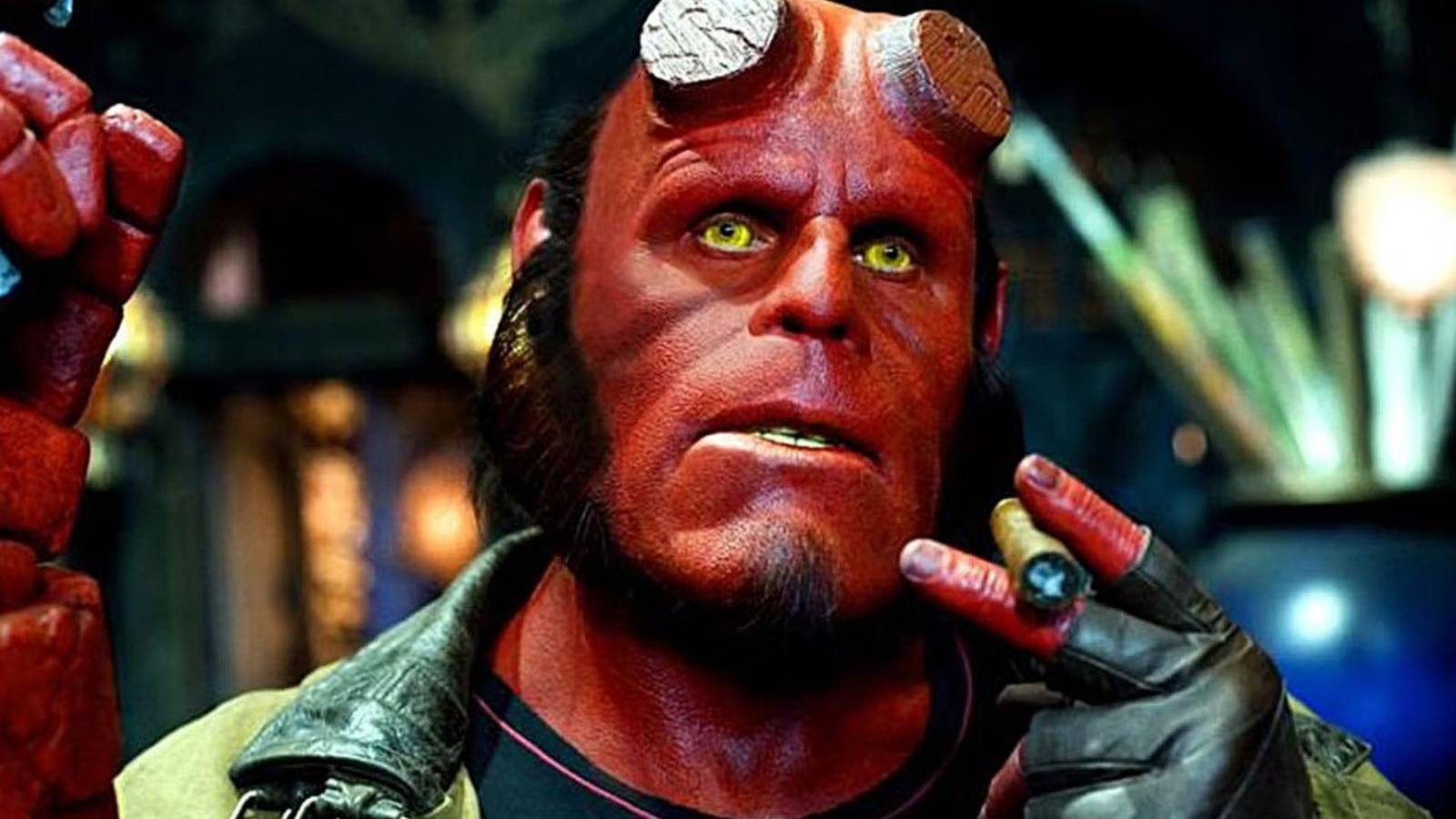
- Cinematic Adaptations: While Ron Perlman’s definitive live-action portrayal under the direction of Guillermo del Toro (Hellboy, 2004; Hellboy II: The Golden Army, 2008) remains a gold standard for comic book adaptations, subsequent cinematic reboots (such as the 2019 Neil Marshall film and recent iterations) have underscored the unique difficulty of translating Mignola’s distinctive, high-contrast artistic style to the screen.
- Critical Acclaim: The original Hellboy in Hell run frequently ranks near the top of industry retrospective lists, praised for its minimalist dialogue, haunting architectural layouts, and deep-dive into Dante-esque mythological horror.
Official Responses and Industry Reception
Dark Horse Comics has maintained tight-lipped confidentiality regarding the specific plot twists of Nothing But Blood, aiming to preserve the mystery of Mignola’s atmospheric storytelling. However, industry insiders and early comic shop distributors have noted exceptionally high pre-order numbers, driven largely by the hunger for pure, creator-driven Mignola work.
Speaking on the nature of returning to classic narrative spaces, industry analysts point out that modern comic publishers are finding profound success in "limited-run interstitial storytelling." Rather than forcing permanent status-quo shifts or modernizing legacy characters with unwanted reboots, creators are increasingly opting to flesh out the gaps within universally praised arcs.
Comic reviewers have already begun praising the artistic direction of issue #1, noting that Cyrille Pomès’ cover work and Mignola’s distinct atmospheric framing recapture the gothic, melancholy tone that made the 2012 run a modern classic.
Implications: What This Means for the Future of Dark Horse and Mignola’s Universe
The release of Hellboy in Hell: Nothing But Blood carries several broader implications for the independent comic book market:
1. The Power of Creator-Driven Continuity
In an era where major corporate publishers like Marvel and DC routinely lean on event fatigue and multiversal reboots to drive sales, Dark Horse’s handling of Hellboy demonstrates the financial and artistic viability of targeted, prestige-driven storytelling. By keeping the scope tight—a mere two-issue mini-series—Mignola avoids diluting the mythology while delivering maximum artistic impact.
2. Appetites for Binge-Reading vs. Monthly Collecting
With issue #2 releasing on November 18, 2026, the publishing schedule highlights the ongoing industry debate between single-issue collectors and trade-paperback binge readers. Given the dense, atmospheric nature of Mignola’s underworld tales, many fans are expected to hold off on reading issue #1 until the final chapter hits shelves next month, allowing them to consume the narrative as a singular, cinematic experience.
3. Securing the Legacy of Independent Horror
As superhero fatigue continues to fluctuate ticket sales and pull-list trends, horror and dark fantasy remain robust pillars of the comic book medium. The successful rollout of Nothing But Blood solidifies Hellboy’s position not merely as a pop-culture artifact of the early 2000s, but as a timeless piece of graphic literature capable of captivating audiences across generations.
Hellboy in Hell: Nothing But Blood #1 is available now at local comic book shops and digital retailers via Dark Horse Comics.
