
The X-Rated Origins of a Legend: Revisiting Robert De Niro’s Debut in Greetings
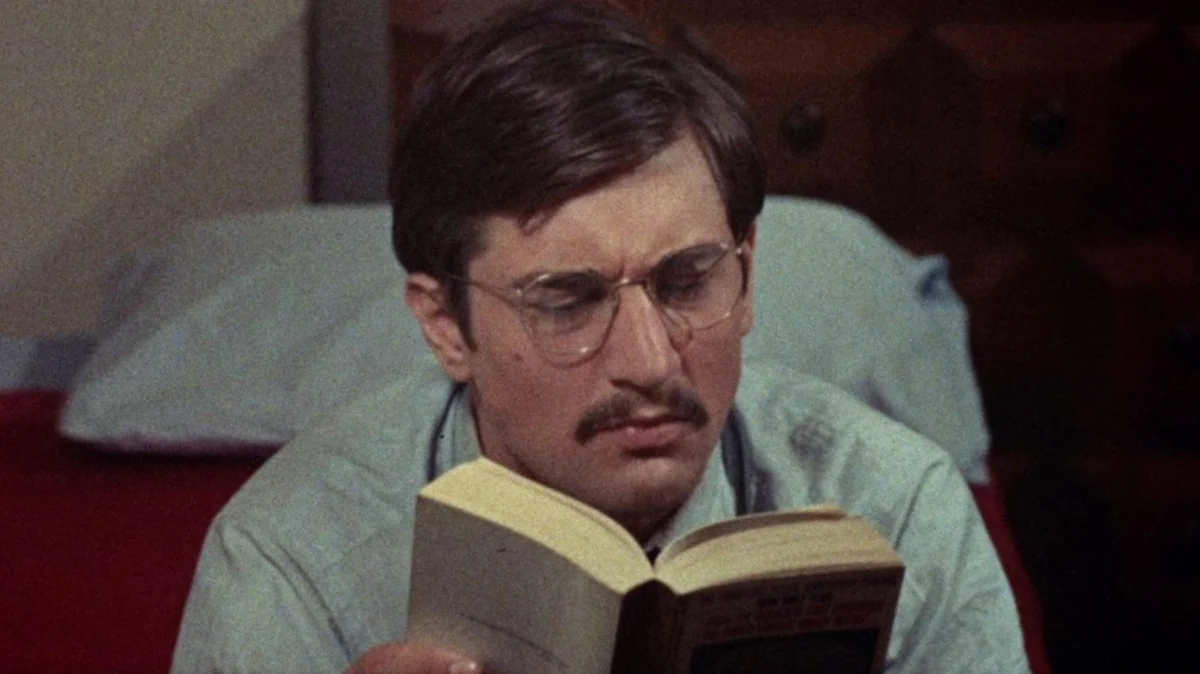
In the pantheon of cinema history, few names carry the weight and reverence of Robert De Niro. From the visceral intensity of Raging Bull to the calculated menace of Cape Fear and the understated brilliance of The Irishman, De Niro has defined the craft of acting for over half a century. However, beneath the polished veneer of his later Academy Award-winning performances lies a raw, experimental, and surprisingly controversial foundation.
His first major narrative feature, Brian De Palma’s 1968 comedy Greetings, stands as a fascinating, often overlooked artifact of the late 1960s. It was a film that dared to challenge the boundaries of the Motion Picture Association of America (MPAA) rating system, becoming the first narrative feature to receive an "X" rating—a designation that, in the pre-pornographic era of the late 60s, carried a significantly different cultural stigma than it does today.
The Genesis of a Collaboration
The year 1968 was a watershed moment for American cinema. As the Vietnam War raged and the social fabric of the United States frayed under the pressure of political assassinations and counter-cultural shifts, the film industry was beginning to shed the rigid moral codes of the Hays era. Into this volatile climate stepped a young, hungry Brian De Palma, fresh off his experimental debut Murder a la Mod.
Greetings served as the inaugural collaboration between De Palma and a then-unknown Robert De Niro. This pairing would prove to be one of the most significant director-actor relationships in the history of independent film. Following Greetings, the duo reunited for The Wedding Party (1969), Hi, Mom! (1970), and eventually, the blockbuster success of The Untouchables (1987). While their later work would define the slick, stylized language of the Hollywood thriller, their early output was characterized by a guerilla filmmaking aesthetic that sought to capture the frantic, cynical energy of New York City in the late 60s.
Chronology: The Experimental Era of the Late 60s
To understand the significance of Greetings, one must look at the timeline of the "New Hollywood" movement. In 1968, the studio system was collapsing, and the "auteur" theory was gaining traction. De Palma was at the forefront of this shift, utilizing a loose, improvisational style that prioritized social commentary over traditional narrative structure.
1968: The X-Rated Comedy
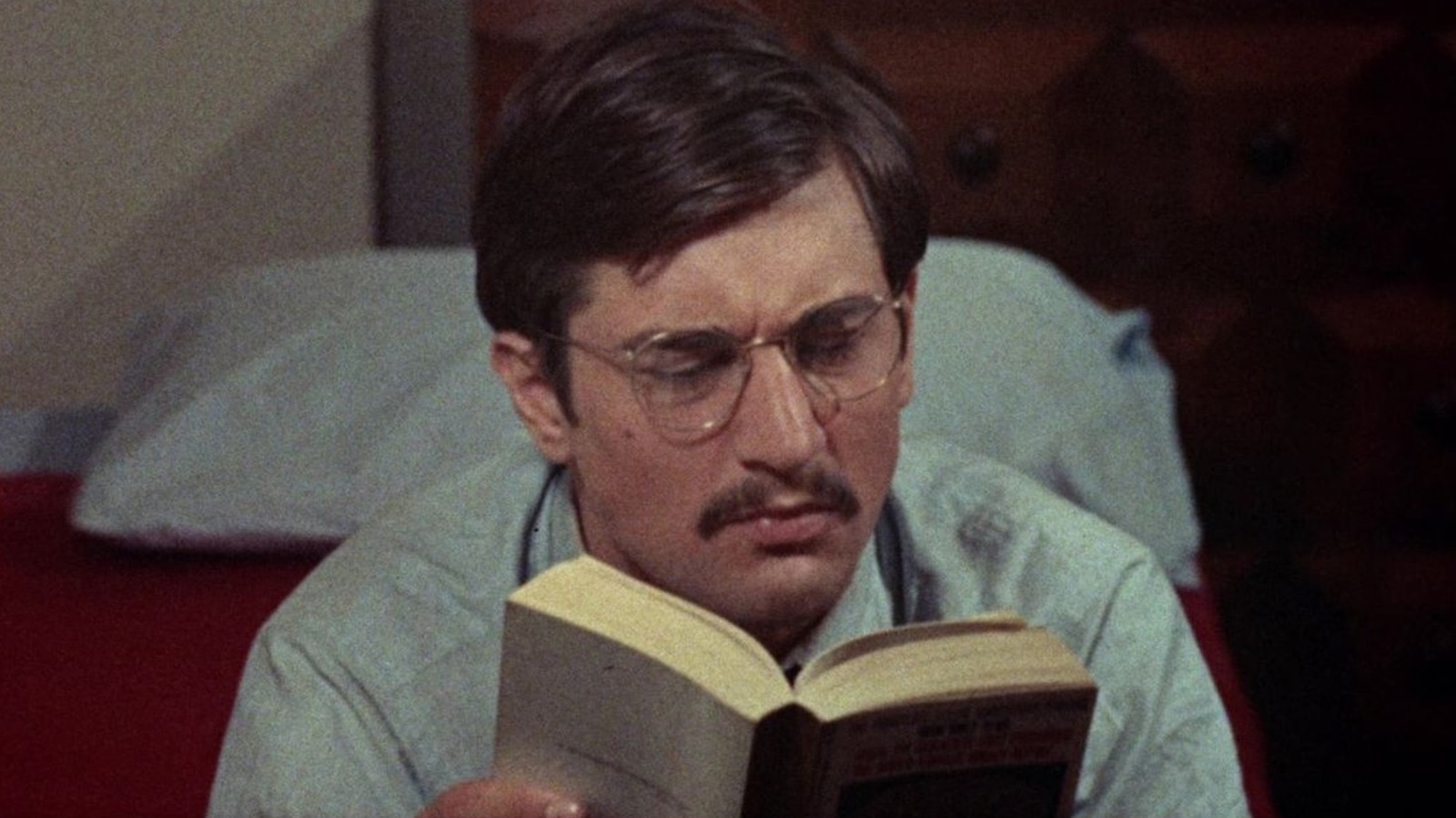
When Greetings was released, it was met with immediate scrutiny by the MPAA. The film featured nudity and profane language—elements that were only just beginning to infiltrate the mainstream. At the time, the "X" rating was not yet associated with the adult film industry (which would later co-opt the term to imply explicit pornography). Rather, it was a warning that the content was strictly for mature audiences. Because Greetings was a narrative comedy rather than an exploitation film, this rating marked a turning point in how regulators perceived the "seriousness" of experimental cinema.
1969–1970: The Evolution of Style
Following the relative success of Greetings, De Palma and De Niro continued to explore the "voyeuristic" themes that would become the director’s signature. Hi, Mom!, released in 1970, further solidified the duo’s reputation for blending social satire with a dark, almost cynical worldview. By the time they collaborated on The Untouchables nearly two decades later, both men had transitioned from the fringes of the New York avant-garde to the center of the Hollywood establishment.
Narrative Structure and Stylistic Choices
Greetings is not a film that relies on the "hero’s journey" or traditional character arcs. Instead, it is a mosaic of vignettes that capture the anxieties of a generation. The story follows three friends—Jon (played by De Niro), Paul, and Lloyd—as they navigate the draft, the paranoia surrounding the John F. Kennedy assassination, and the rapid technological shift toward an increasingly computerized society.
De Niro’s character, Jon, is an aspiring filmmaker and a self-professed "peeping tom." Many critics have noted that Jon serves as an avatar for Brian De Palma himself. The film’s tone is whimsical yet biting; it treats the Vietnam War not with solemn reverence, but with the detached, absurdist humor of young men who feel trapped by a government they no longer trust.
The film’s aesthetic—shot on the streets of New York using "guerrilla" methods—predates the "No Wave" cinema movement of the mid-1970s. By placing cameras in real-world environments, De Palma achieved a level of authenticity that felt jarring to audiences accustomed to the polished, sound-stage productions of the previous decade.
Critical Reception and Supporting Data
Upon its release, the critical response to Greetings was polarized, reflecting the generational divide of the time. The legendary critic Roger Ebert, writing in 1969, awarded the film three out of four stars. Ebert praised the film’s "freshness and openness," drawing comparisons to the surrealist comedic structures of Laurel & Hardy. He noted that while the film was not a traditional narrative success, it possessed an instinct for "movie comedy" that was rare in contemporary cinema.
Conversely, the New York Times critic Howard Thompson offered a harsher assessment, dismissing the film as "strained and unfunny." Thompson’s critique focused heavily on the film’s use of "nudity for nudity’s sake" and a "hip sprinkling of four-letter words." This sentiment highlighted the "square" backlash against the burgeoning counter-culture movement. Today, such criticisms seem antiquated, as the nudity in Greetings is arguably tame compared to the standards of modern cinema, yet it serves as a valuable historical marker for the shifting morality of the late 20th century.
Implications: The Legacy of a Forgotten Classic
Why does Greetings matter today, more than 55 years after its release?
1. The Birth of a Performance Style
Greetings provides a rare glimpse into the formative years of Robert De Niro. One can see the seeds of the intense, brooding, and sometimes manic energy that he would later bring to iconic roles like Travis Bickle or Jake LaMotta. It shows an actor who was comfortable with improvisation and, crucially, willing to subvert his own image by playing flawed, voyeuristic, and distinctly un-heroic characters.
2. A Blueprint for Independent Filmmaking
The film acts as a foundational text for the independent filmmaking movement. It demonstrated that one did not need a massive budget or a traditional script to produce a compelling, provocative piece of art. The "guerilla" style employed by De Palma would influence generations of filmmakers, from the gritty urban dramas of the 1970s to the mumblecore movement of the 2000s.
3. The Changing Landscape of Censorship
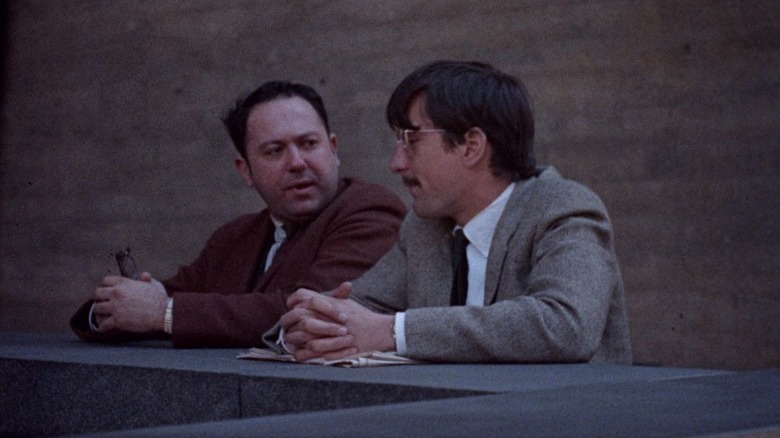
The history of Greetings and its "X" rating is a case study in how cultural standards evolve. The fact that a comedy about social anxieties was effectively "banned" for minors due to its progressive content highlights how the film industry has historically used ratings as a tool of social control. The legacy of Greetings is a reminder that what was once considered "obscene" often becomes a standard stylistic choice in later decades.
Conclusion: A Must-Watch for Cinephiles
While Greetings has largely faded from the public consciousness, it remains an essential watch for those interested in the evolution of American film. It is a time capsule of 1968—a year defined by hope, chaos, and the desire to break every rule in the book.
For fans of Robert De Niro, it offers a fascinating origin story, showing the actor before he became the global icon we know today. For fans of Brian De Palma, it reveals the raw, unfiltered creativity of a director who would go on to reshape the thriller genre. Whether you are interested in the history of the MPAA ratings, the aesthetics of 60s underground film, or simply the early days of a legendary acting career, Greetings is a film that rewards curiosity. It is dry, it is strange, and it is undeniably a landmark of its time. Available to stream on platforms like Prime Video and occasionally found on boutique physical media releases, Greetings is not just a film; it is a vital piece of the cinematic puzzle.
