
The Spider-Verse Expands: Prime Video Developing Live-Action ‘Clone Saga’ Series Centering on Ben Reilly and Kaine Parker
By: Entertainment Desk
Published: September 2026
Main Facts
The Spider-Man television landscape at Amazon’s Prime Video is undergoing a dramatic shift. Following the cancellation of the high-profile Spider-Noir series starring Nicolas Cage, Sony Pictures Television is pivoting quickly to keep its web-slinging universe alive on the streaming platform. According to industry reports, a brand-new live-action Spider-Man television series is actively in development at Prime Video, spearheaded by writer and executive producer Kelvin Yu, best known for his work on American Born Chinese.
Unlike previous television iterations that focused on alternate-universe variations or noir aesthetics, this new project dives headfirst into one of the most polarizing, complex, and iconic storylines in Marvel Comics history: the Clone Saga.
The upcoming series will place two of Marvel’s most notable alternate Spider-Man variants—Ben Reilly and Kaine Parker, both of whom have operated under the mantle of the Scarlet Spider—at the absolute center of the narrative. While details regarding the exact plot remain tightly under wraps, reports indicate that Prime Video is rapidly closing in on a formal series order.
Crucially, the creative powerhouse behind Sony’s broader Spider-Man television ambitions—including veteran producers Amy Pascal, Phil Lord, and Christopher Miller—are expected to return as executive producers, ensuring a creative bridge between previous iterations and this ambitious new venture.
Chronology: The Evolution of Sony and Amazon’s Spider-Man Universe
To understand how the Clone Saga landed at Prime Video, it is essential to trace the historical and corporate timeline that governs Marvel’s cinematic and television rights.
- The Late 1990s (The Rights Transfer): Facing severe financial instability before the advent of the Marvel Cinematic Universe (MCU), Marvel Comics licensed the film and television rights for its premier property, Spider-Man, to Sony Pictures. This pivotal business move birthed multiple billion-dollar cinematic franchises across various iterations.
- The Streaming Era Partnership: Several years ago, Amazon’s Prime Video and Sony Pictures Television inked a sweeping, multi-layered licensing agreement. The deal designated Prime Video as the premier global streaming home for a slate of live-action television series based on Sony’s vast catalog of over 900 characters tied to the Spider-Man intellectual property.
- The Development Pipeline (Silk: Spider Society): The first major project announced under the Sony-Prime Video partnership was Silk: Spider Society, which spent years in development hell. After numerous creative retooling phases, the project was ultimately scrapped, forcing executives back to the drawing board.
- The Rise and Fall of Spider-Noir: With Silk dead, all eyes turned to Spider-Noir, a gritty, 1930s-set detective series that cast Academy Award-winner Nicolas Cage in the lead role. Interestingly, early conceptual developments of that universe briefly touched upon characters like Ben Reilly, though the series ultimately took a different creative path. Ultimately, Spider-Noir was canceled following its inaugural season.
- September 2026 (The Clone Saga Greenlight): Refusing to abandon its lucrative television ambitions, Sony Pictures Television and Kelvin Yu rapidly shifted gears. Pulling from Marvel’s rich comic history, they pitched the Clone Saga series to Prime Video, steering the streaming strategy toward a two-hander character study of Ben Reilly and Kaine Parker.
Supporting Data: Understanding the Source Material and Industry Trends
Who Are Kaine Parker and Ben Reilly?
For casual fans, the terms "Clone Saga" and "Scarlet Spider" might sound like esoteric comic book jargon, but they represent decades of dramatic lore within the Marvel Comics ecosystem.
In the source material, a brilliant and unhinged biology professor named Miles Warren (who later adopts the supervillain moniker the Jackal) becomes romantically obsessed with the late Gwen Stacy. Harboring a deep-seated grudge, Warren blames Spider-Man (Peter Parker) for Gwen’s tragic death. Seeking the ultimate revenge, Warren attempts to clone Peter Parker.
- Kaine Parker: Kaine is the direct result of Warren’s first cloning attempt. However, the procedure is dangerously botched. Kaine suffers from a severe form of cellular degeneration that leaves him disfigured and destined for an agonizing, premature death. Discarded by his creator in favor of a more stable clone, Kaine develops a profound rejection complex, morphing into a brutal, lethal anti-hero who frequently utilizes "Kaine’s Stigma"—a searing touch that leaves burning handprints on his enemies.
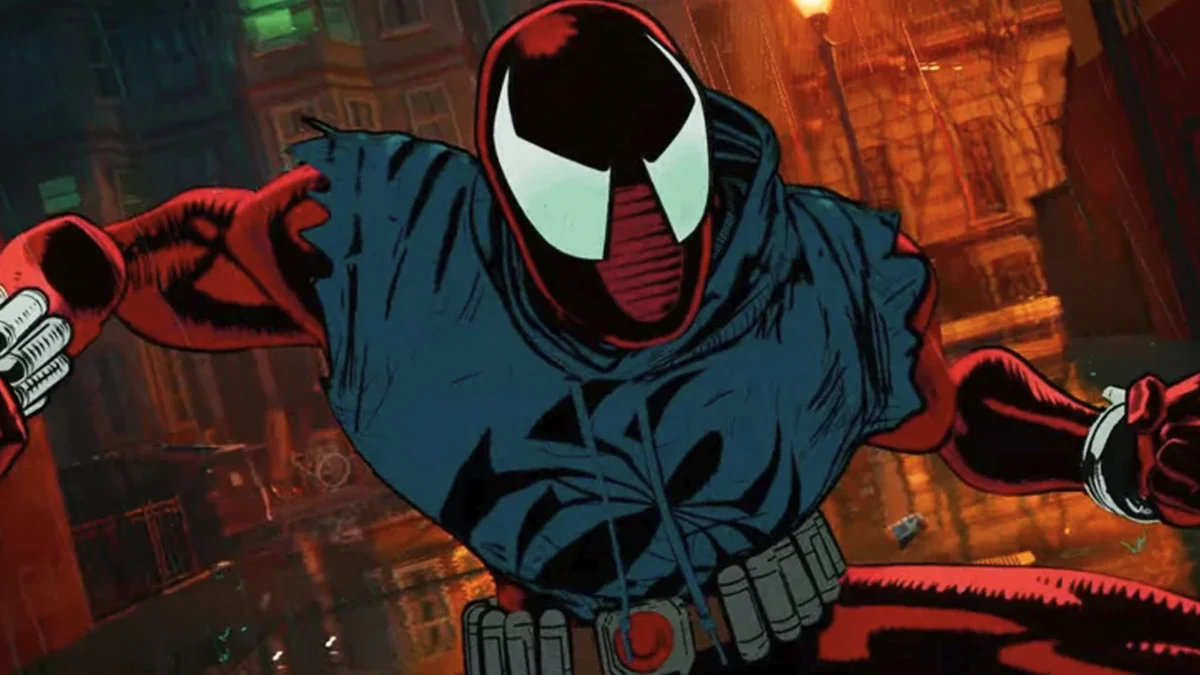
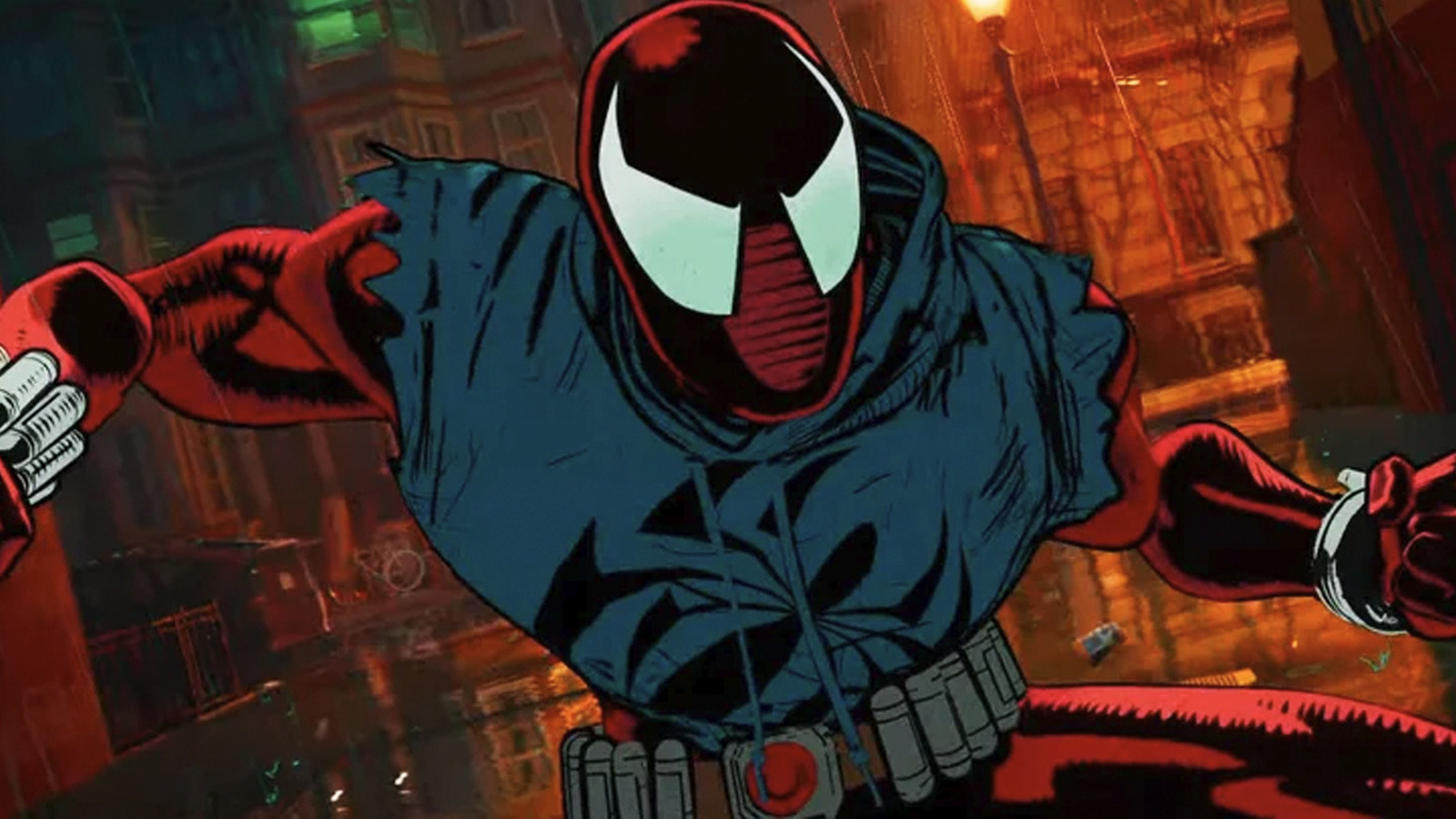
- Ben Reilly: Ben is the second and vastly more successful attempt at cloning Peter Parker. Possessing all of Peter’s memories, powers, and moral compass, Ben eventually integrates into society as Peter’s "brother." Over decades of publication history, Ben has suffered staggering amounts of trauma, including dying and being resurrected numerous times—an ordeal that, in comic lore, seemingly earned him the strange favor of the cosmic entity known as Death. Donning a blue hoodie over a red spandex suit with a large black spider symbol, Ben operates as the Scarlet Spider.
The Comic Book Precedent and Industry Influences
Kaine and Ben have frequently crossed paths, clashed, and occasionally allied on the page, most notably in acclaimed runs like Ben Reilly: The Scarlet Spider. This dynamic provides a built-in narrative engine for a "two-hander" television series.
Furthermore, industry analysts suggest that external television trends likely played a role in greenlighting the project. DC Studios’ upcoming HBO series Lanterns—which similarly focuses on two distinct versions of a titular superhero sharing a mantle (Hal Jordan and John Stewart)—has demonstrated the commercial viability and prestige potential of buddy-cop, multi-protagonist superhero television.
Official Responses and Creative Dilemmas
As the project inches closer to a definitive series order, industry insiders have noted a fascinating schism in early reporting regarding how the series will handle the characters’ canonical origins.
According to initial breakdowns from Deadline, conflicting production briefs have emerged from sources close to the development process:
- The Faithful Adaptation Route: Some sources insist the series will lean heavily into comic mythology, directly following Ben and Kaine as they grapple with the psychological existentialism of discovering they are clones, all while battling competing genetic copies and corporate villains.
- The Reimagining Route: Conversely, other production notes suggest the creative team might subvert expectations by altering the characters’ origins entirely, potentially stripping away the clone aspect or pivoting them into entirely new civilian identities to streamline the narrative for mainstream television audiences.
Because Prime Video is currently in the final stages of closing its order for the series, official statements from Kelvin Yu, Amy Pascal, and Amazon Studios executives remain sparse. However, the involvement of the core creative team behind Sony’s previous efforts indicates a unified corporate vision to build a cohesive, interconnected television universe.
Implications: What This Means for Sony, Amazon, and the Future of Marvel on TV
The transition from Spider-Noir to a Clone Saga series carries massive strategic implications for both Sony Pictures and Amazon Studios.
1. The High Stakes of Sony’s Non-MCU Property Portfolio
Sony Pictures retains the film and television rights to roughly 900 characters within the Spider-Man universe. While blockbuster cinematic releases like the Spider-Verse animated films and the live-action Spider-Man features have printed money, their television portfolio has faced steep hurdles. The cancellation of Silk: Spider Society and the short-lived run of Spider-Noir mean that the Clone Saga is effectively a make-or-break venture for Sony’s small-screen ambitions.
2. Fatigue and Innovation in the Superhero Landscape
Audiences are increasingly fatigued by traditional, formulaic origin stories. By diving into the famously convoluted, psychological, and often controversial Clone Saga, Kelvin Yu and Prime Video are taking a massive creative risk. If handled with the emotional depth and gritty character work seen in prestige sci-fi dramas, the exploration of identity, bodily autonomy, and trauma could elevate the series far above standard comic book television fare.
3. Setting the Template for Future IP Expansion
If Prime Video successfully navigates the complex mythology of Ben Reilly and Kaine Parker, it will establish a viable roadmap for adapting other lesser-known corners of the Spider-Man universe. As the deal between Sony and Amazon continues to mature, all eyes will be on the Clone Saga to see if this battered web can finally spin a long-term television hit.
