
Stuck in Neutral: Why ‘Matchbox: The Movie’ Fails to Shift Gears
In an era where intellectual property is the lifeblood of Hollywood, the line between beloved childhood memorabilia and feature-length cinema has become increasingly blurred. From the cultural phenomenon of Greta Gerwig’s Barbie to the nostalgic revival of Masters of the Universe, Mattel has been aggressively mining its archives to turn plastic playthings into global box office tentpoles. The latest entry in this expanding catalog is Apple TV’s Matchbox: The Movie. While the tiny die-cast cars have fueled the imaginations of children for decades, their transition to the silver screen is a sobering reminder that a recognizable brand name is no substitute for a compelling narrative.
Directed by Sam Hargrave, known for the high-octane kinetics of Extraction, Matchbox: The Movie attempts to graft a high-stakes espionage thriller onto a foundation of 1990s nostalgia. Despite a star-studded cast led by John Cena and Jessica Biel, the film feels less like a passion project and more like a corporate mandate—a derivative, formulaic action flick that relies heavily on the "toy-to-movie" trend while failing to justify its own existence.
The Genesis of the "Matchbox" Cinematic Universe
The premise of Matchbox: The Movie is arguably its most significant hurdle. Rather than leaning into the surreal or whimsical nature of toys—a route that The LEGO Movie successfully navigated—the film opts for a gritty, "Fast and the Furious" style action aesthetic.
The story opens in late-90s Ohio, establishing a "Matchbox gang" of five teenagers. The sequence is drenched in a soft-focus, golden-hour sentimentality, following the group as they congregate in a garage owned by Aimee’s uncle, portrayed by the venerable Bill Camp. The central emotional hook is meant to be the unrequited love between Sean Walker (Graham Harvey) and Aimee (Reagan Marum). The narrative contrivance is simple: Sean intends to gift Aimee a vintage 1969 Chevy Camaro Matchbox car as a symbol of his affection, but he loses his nerve. This scene, while intended to ground the film in human emotion, feels disconnected from the bombastic chaos that follows.
A Chronology of Cliches: From Ohio to International Espionage
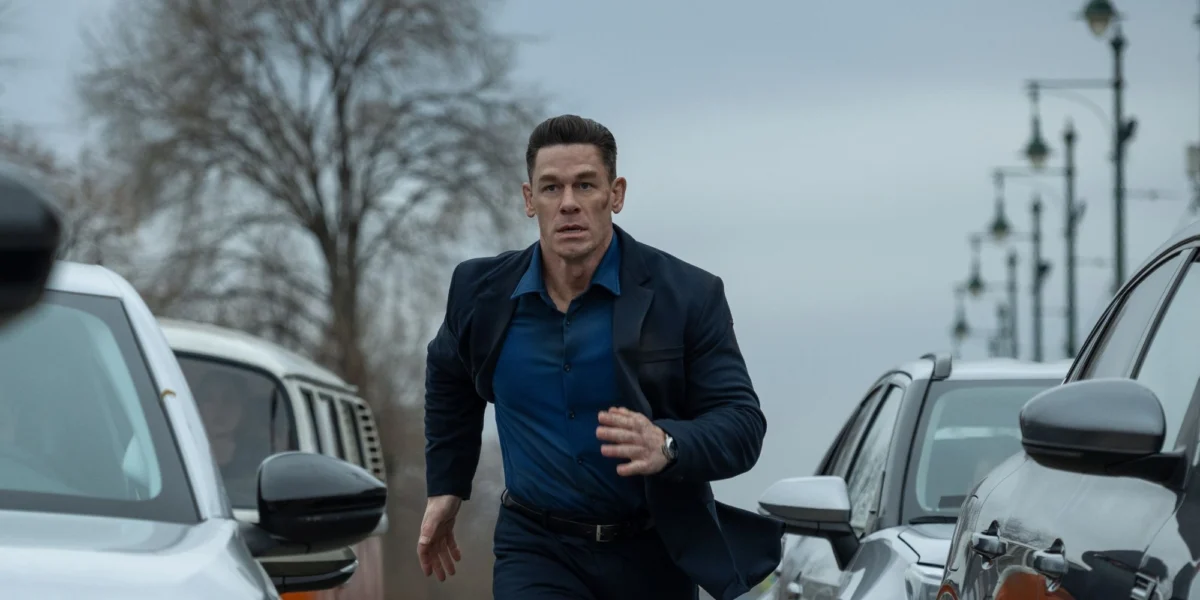
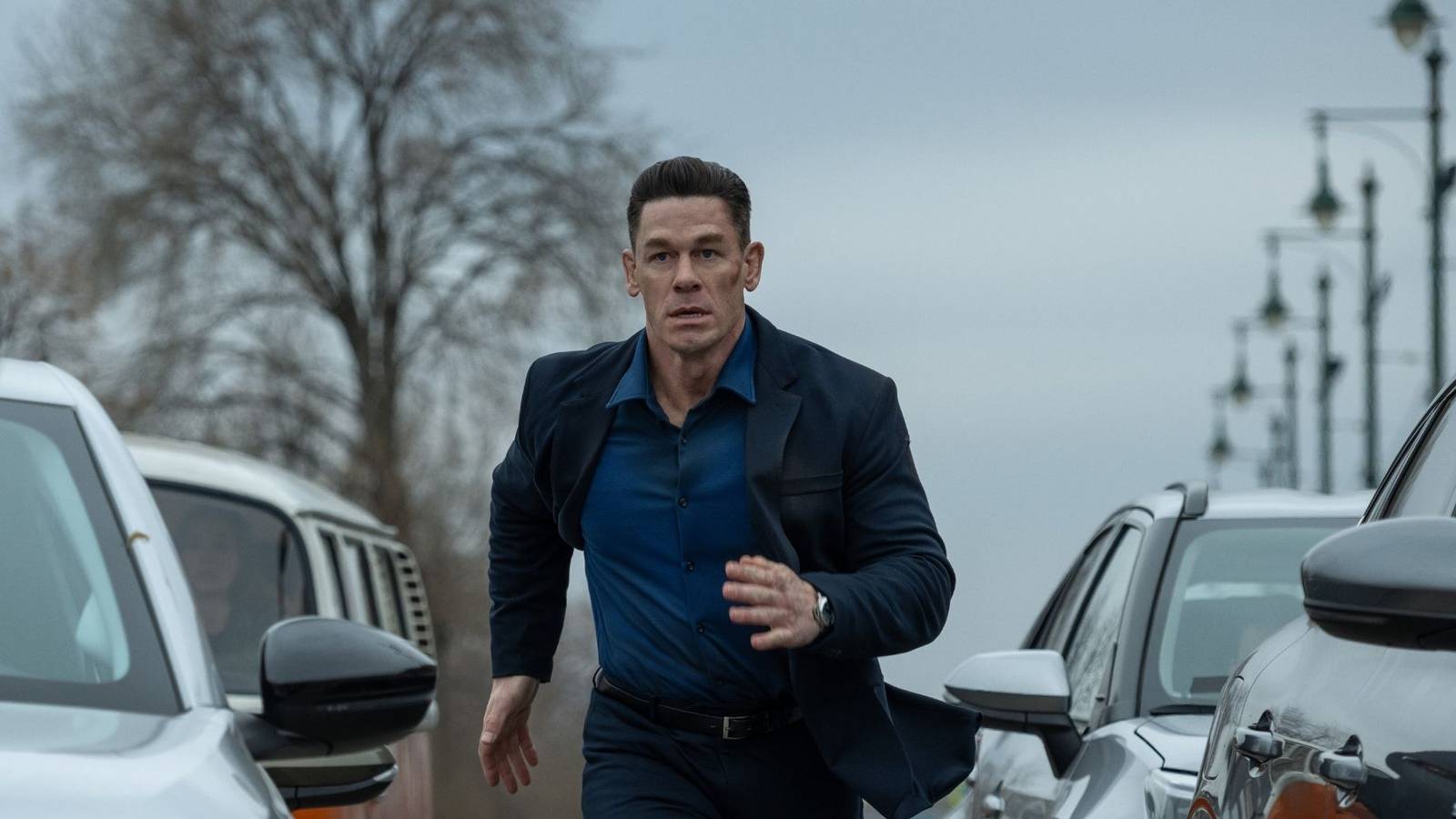
The film’s pacing issues begin almost immediately after the prologue. With a jarring temporal leap, we are thrust into the present day, where the adolescent Sean has been replaced by an adult, hyper-muscular John Cena. He is now a CIA operative—because every modern action hero must be—navigating a desert landscape in a vehicle that defies the laws of physics.
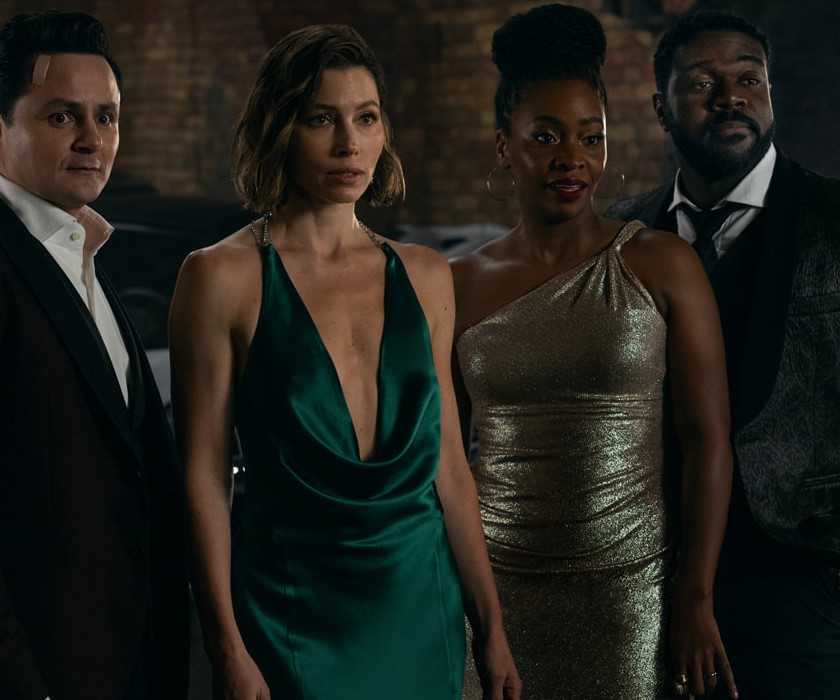
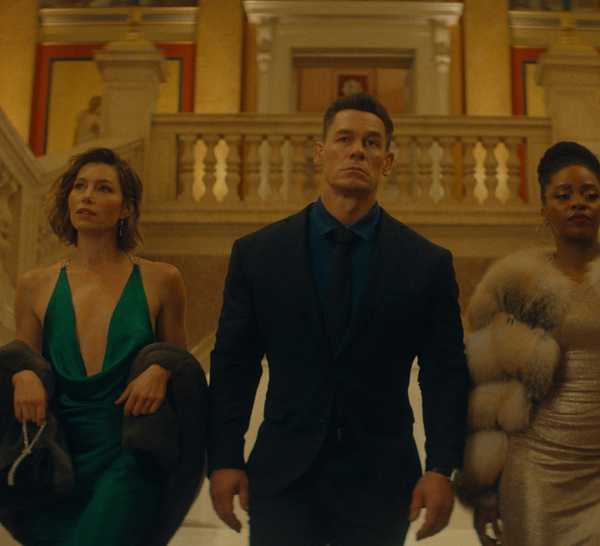
The plot then pivots to a standard "wrongfully accused" arc. Sean is tasked with transporting a nuclear warhead, only to have the mission go south, resulting in him being branded a traitor. Forced into hiding, he returns to his small-town Ohio roots, reuniting with his childhood friends: Aimee (Jessica Biel), the tech-savvy Crosby (Sam Richardson), the pragmatic Charmaine (Teyonah Parris), and the comic-relief-heavy Ted (Arturo Castro).

The reunion is short-lived. Sean’s past and present collide as the entire group is taken hostage, forcing them to embark on a globe-trotting mission to clear their names. It is a paint-by-numbers screenplay written by David Coggeshall that feels like it was assembled from the leftover scraps of every mid-tier action movie released since 2005.
Supporting Data: Action vs. Substance
While Sam Hargrave is a technically proficient director, Matchbox: The Movie suffers from a lack of stakes. The action sequences, while competently shot, are entirely devoid of tension. There is a recurring issue in the film where characters survive impossible odds, such as a protagonist’s leg being set ablaze for an extended duration with zero lasting consequences.
The lack of physical consequences in the film mirrors the lack of emotional weight. We are told these characters have a deep, lifelong bond, yet the script gives us so little time with them in their formative years that their current interactions feel forced. The "Matchbox" branding becomes an empty signifier; beyond a few lingering shots of the toy cars themselves, the film does not explore the concept of the toy in any meaningful way. It is a generic action movie that simply happens to have the word "Matchbox" in the title.
The John Cena Conundrum
Perhaps the most disappointing aspect of Matchbox: The Movie is its treatment of John Cena. Since his transition from professional wrestling to acting, Cena has proven himself to be one of the most versatile and charismatic performers in Hollywood. From the comedic timing he displayed in Trainwreck to his layered, villainous turn in Coyote vs. Acme, Cena has shown he is capable of far more than playing the "stoic, muscle-bound soldier."
In Matchbox, however, the film actively works against his strengths. He is cast as a humorless, one-dimensional archetype, relegated to delivering monosyllabic lines and performing physical feats that lack character depth. By suppressing his charisma, the filmmakers have reduced a top-tier star to a generic action figure. It is a regressive performance that ignores the progress he has made as an actor over the last decade.
Official Responses and Industry Context
While Apple TV has not officially released viewership metrics, early industry sentiment suggests that the film is being viewed as a "background noise" project—a movie designed to satisfy contractual obligations rather than win awards or define a genre. Critics have been quick to point out the dissonance between the film’s high budget and its low-effort narrative.
The production team, which includes heavyweights like David Ellison and Ynon Kreiz, clearly aimed for a "four-quadrant" hit. However, by attempting to appeal to everyone, they have produced a film that appeals to no one. The reliance on legacy IP without a creative hook suggests a failure in the development process that is becoming increasingly common in major studio releases.
Implications for the Future of Toy Adaptations
The failure of Matchbox: The Movie serves as a cautionary tale for the industry. As companies like Mattel look toward upcoming projects—such as the highly anticipated Hot Wheels movie—they must reckon with the fact that audiences are no longer satisfied by mere brand recognition.
The success of Barbie was not solely due to the doll; it was due to a bold, auteur-driven vision that subverted expectations and interrogated the IP rather than blindly worshipping it. Matchbox: The Movie does the opposite. It is a soulless, assembly-line product that treats its audience with a lack of respect, assuming that the brand name alone will drive engagement.
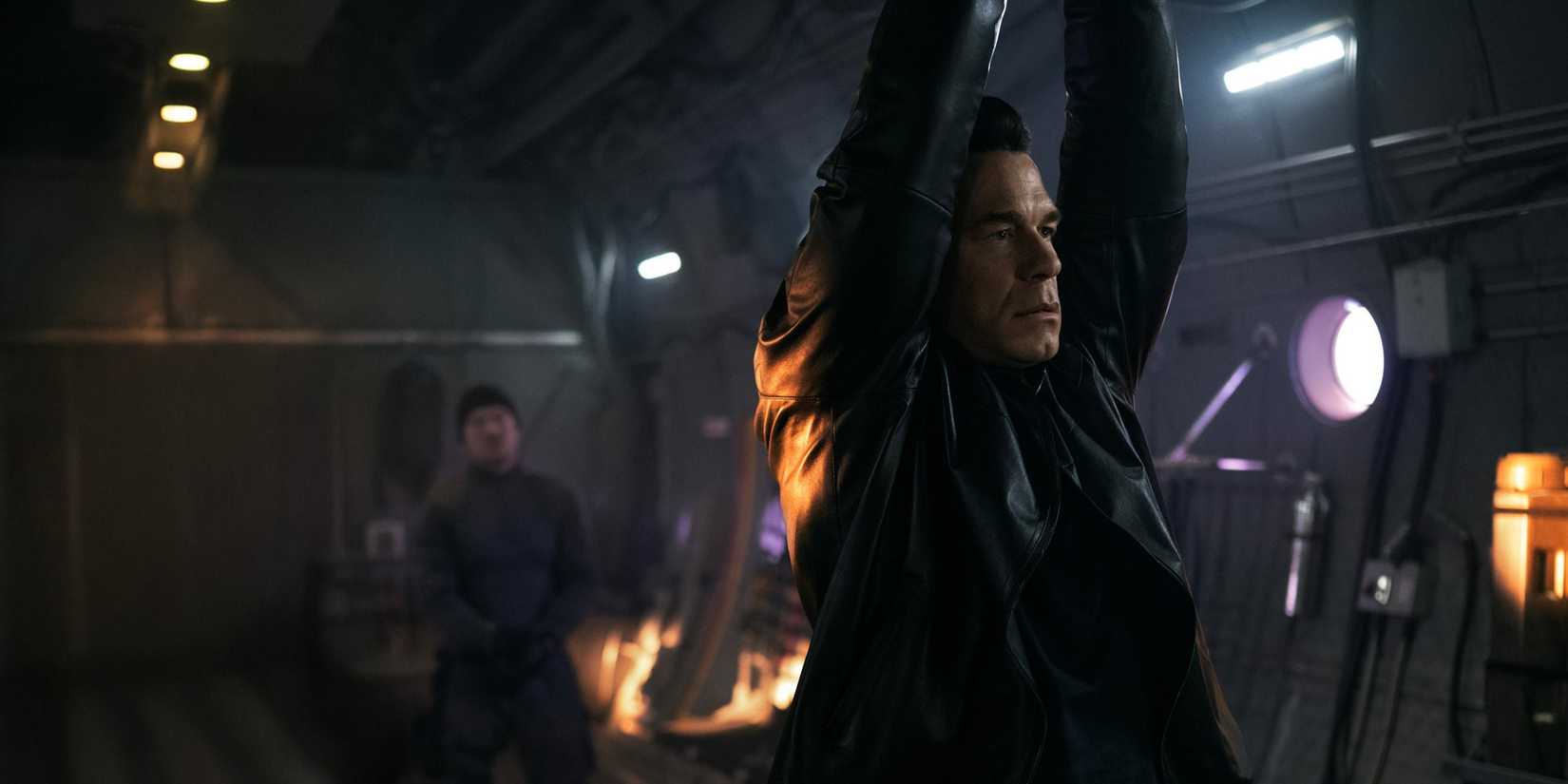
Ultimately, the film feels like a missed opportunity. There was potential to explore the tactile joy of playing with miniature cars, the way children project their dreams and fears onto these small, die-cast objects. Instead, the film treats the cars as literal vehicles for a tired, uninspired spy narrative.
Conclusion: A Wasted Journey
Matchbox: The Movie is not a disaster in the sense of being unwatchable; it is "fine" in the way that a generic grocery store brand cereal is "fine." It provides 127 minutes of distraction for those who are easily entertained by explosions and car chases. But for a film based on a brand that has sparked the imaginations of millions of children, "fine" is a massive failure.
The film serves as a reminder that the best stories are not built in boardrooms. They are built on character, stakes, and a reason to care. By ignoring these fundamentals, Matchbox: The Movie ends up in the bargain bin of cinema—a shiny, painted object that, once you look under the hood, is completely empty. As the credits roll, the audience is left with a single, lingering question: Was this trip really necessary? For most, the answer will undoubtedly be no.
