
The End of an Era: DC Depowers Kara Zor-El and Sets Up the Battle for the Supergirl Mantle
By Robert Wood
Published: October 6, 2026
Main Facts: A Paradigm Shift for a DC Icon
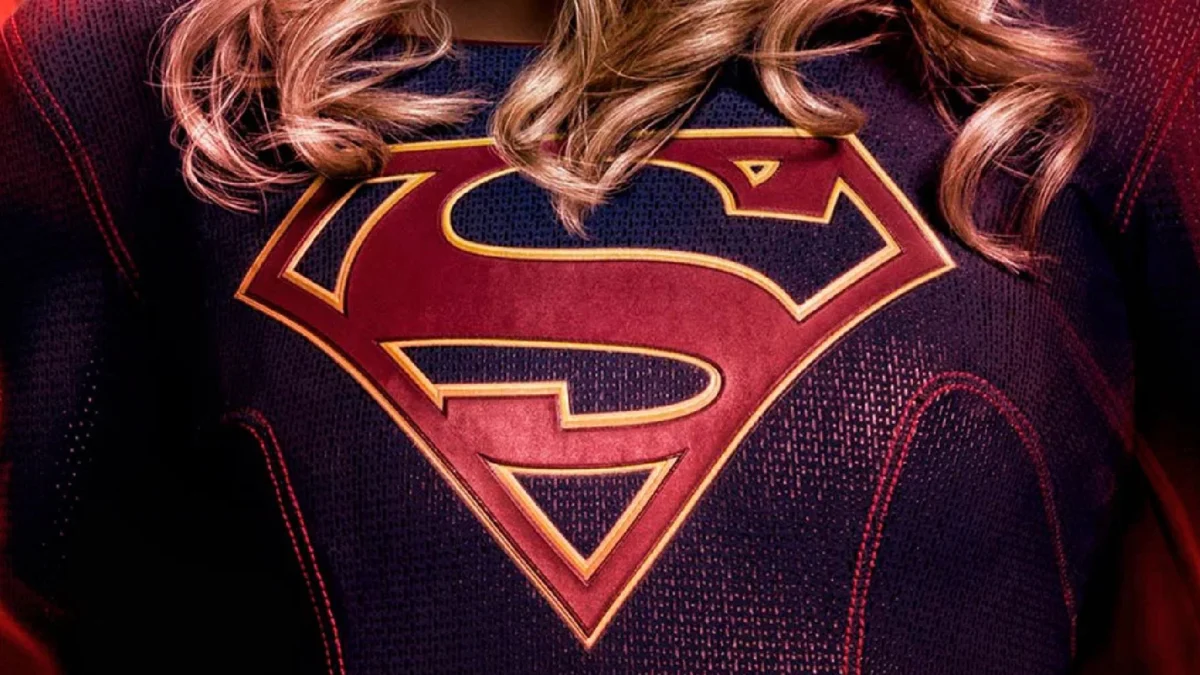
In a decision that promises to send shockwaves through the comic book community, DC is officially stripping Kara Zor-El of her superhuman abilities and passing the iconic Supergirl moniker to a brand-new successor. Nearly seven decades after her debut in May 1959—created by the legendary creative lineage of Otto Binder, Al Plastino, and others—the original Maid of Steel is stepping down from active superhero duty.
The catalyst for this unprecedented status-quo shift is none other than Gold Kryptonite, a rare and feared isotope within DC lore known for permanently severing a Kryptonian’s physiological ability to absorb and process solar radiation. Unlike Green or Red Kryptonite, which inflict temporary pain, madness, or mutation, Gold Kryptonite brings permanent depowerment. Left without her signature flight, invulnerability, and strength, Kara Zor-El is forced to hang up her cape and embark on a remarkably grounded human journey: re-enrolling at Stanhope College.

However, a vacuum in the DC Universe never stays empty for long. As solicited for Supergirl #19, arriving on November 11, 2026, the mantle of Supergirl is up for grabs. Writer and artist Sophie Campbell has crafted a high-stakes narrative in which three of Kara’s most formidable allies—Nightflame, Matrix, and Thundergirl—will clash in a fierce rivalry to determine who is truly worthy of inheriting the prestigious title.
Chronology: The Road to Supergirl #19
To fully understand the gravity of this upcoming transition, it is essential to trace the recent timeline of Sophie Campbell’s ongoing Supergirl run, which launched in May 2025:
- May 2025: DC launches a fresh volume of Supergirl written and illustrated by Sophie Campbell. The series immediately begins expanding Kara Zor-El’s cosmic and terrestrial supporting cast, eventually introducing the specialized superhero strike team known as "Super Force."
- Late 2025 – Mid 2026: Through successive story arcs, Kara works alongside unique teammates like Thundergirl and confronts personal demons manifested through characters like Nightflame.
- Late 2026 (Supergirl #18): DC ramps up the anticipation by formally reintroducing Matrix into the current continuity, setting the stage for a dramatic shake-up in the overarching narrative.
- November 11, 2026 (Supergirl #19): The pivotal issue hits shelves. Following her permanent depowerment via Gold Kryptonite, Kara begins her academic life at Stanhope College while her allies—Nightflame, Matrix, and Thundergirl—battle for the Supergirl legacy amidst looming threats like the villainous Reactron.
Supporting Data: Meet the Contenders for the Mantle
The battle for the Supergirl codename is fierce, bringing together a fascinating mix of legacy characters, deeply psychological manifestations, and specialized clones. The three primary contenders vying to succeed Kara Zor-El possess vastly different origins and power sets:

1. Matrix: The Shapeshifting Legacy
Matrix stands as one of the most intriguing artifacts of modern DC publishing history. Originally introduced during an era when editorial mandates decreed that Superman should be the sole surviving Kryptonian in existence, Matrix is a synthetic, shapeshifting lifeform created in a pocket universe by a benevolent Lex Luthor.
During her tenure as Supergirl, Matrix famously engaged in a complex romance with a younger version of Lex Luthor (who was then posing as his own Australian son, Lex Luthor II) and eventually merged with the dying mortal Linda Danvers. Because her history predates multiple reality-warping universal reboots, Matrix’s re-emergence in Supergirl #18 and her bid for the title in issue #19 offers a delicious layer of irony. As the historical "fake" Supergirl, claiming the official mantle adds a rich meta-narrative weight to her character arc.
2. Thundergirl: The Voice of Kandor
Born out of a specialized cloning program housed within the bottled city of Kandor, Thundergirl boasts traditional, formidable Kryptonian physiological traits. However, what sets her apart from standard Kryptonians is her tactical mastery of sonic weaponry. Thundergirl can channel her inherent super-breath and lung capacity into devastating, hypersonic vocal blasts, making her a powerhouse addition to Kara’s Super Force team.

3. Nightflame: The Goth Redemption Arc
Perhaps the most psychologically complex contender is Nightflame. Initially integrated into Campbell’s run as a classic character reimagined through a modern lens, Nightflame is narrative-wise a literal manifestation of Kara’s deep-seated inner darkness and accumulated trauma. Having broken away to become a distinct individual entity, Nightflame sports a striking, goth-inspired aesthetic and is intensely driven by a need for personal redemption—making the pursuit of the ultimate symbol of hope an ironic yet compelling quest.
Official Responses and Creative Direction
Helmed entirely by writer, artist, and cover illustrator Sophie Campbell, the current Supergirl run has been widely praised by critics and fans for its willingness to subvert traditional superhero tropes. By focusing heavily on Kara’s psychological landscape, physical vulnerability, and interpersonal relationships with her Super Force allies, Campbell has transformed the title into an intimate character study disguised as an action-packed cosmic book.
The official solicitation text for Supergirl #19 sets the dramatic tone for the impending conflict:
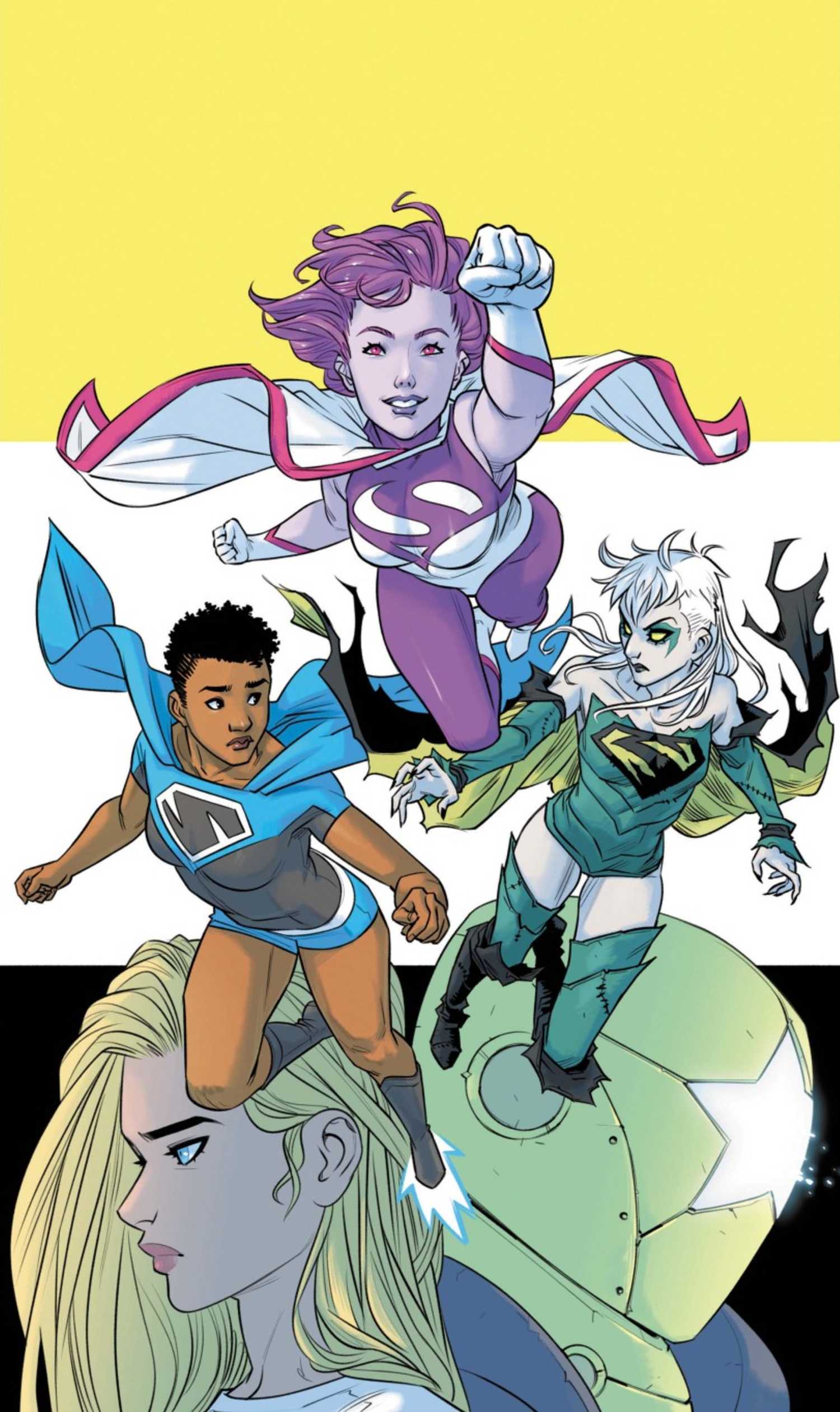
"SUPERGIRL NO MORE? Kara Zor-El’s exposure to gold Kryptonite has left her without superpowers but not without super friends. The recently reborn Matrix and gloriously goth Nightflame get into a fight to prove themselves worthy of the Supergirl mantle, but another of Kara’s Super Force might surprise everyone. Meanwhile, Kara’s not just going to sit on the sidelines: She’s re-enrolling at Stanhope! But will she make it past orientation with Reactron still on the loose?"
Campbell’s dual role as writer and artist ensures a cohesive visual and narrative language, emphasizing the emotional toll of losing one’s identity contrasted against the bright, chaotic energy of heroes fighting for legacy.
Implications: What This Means for the DC Universe
The decision to permanently depower Kara Zor-El—if the permanence of Gold Kryptonite holds true in modern DC canon—carries massive thematic implications for the wider DC Universe.
The Humanity of Kara Zor-El
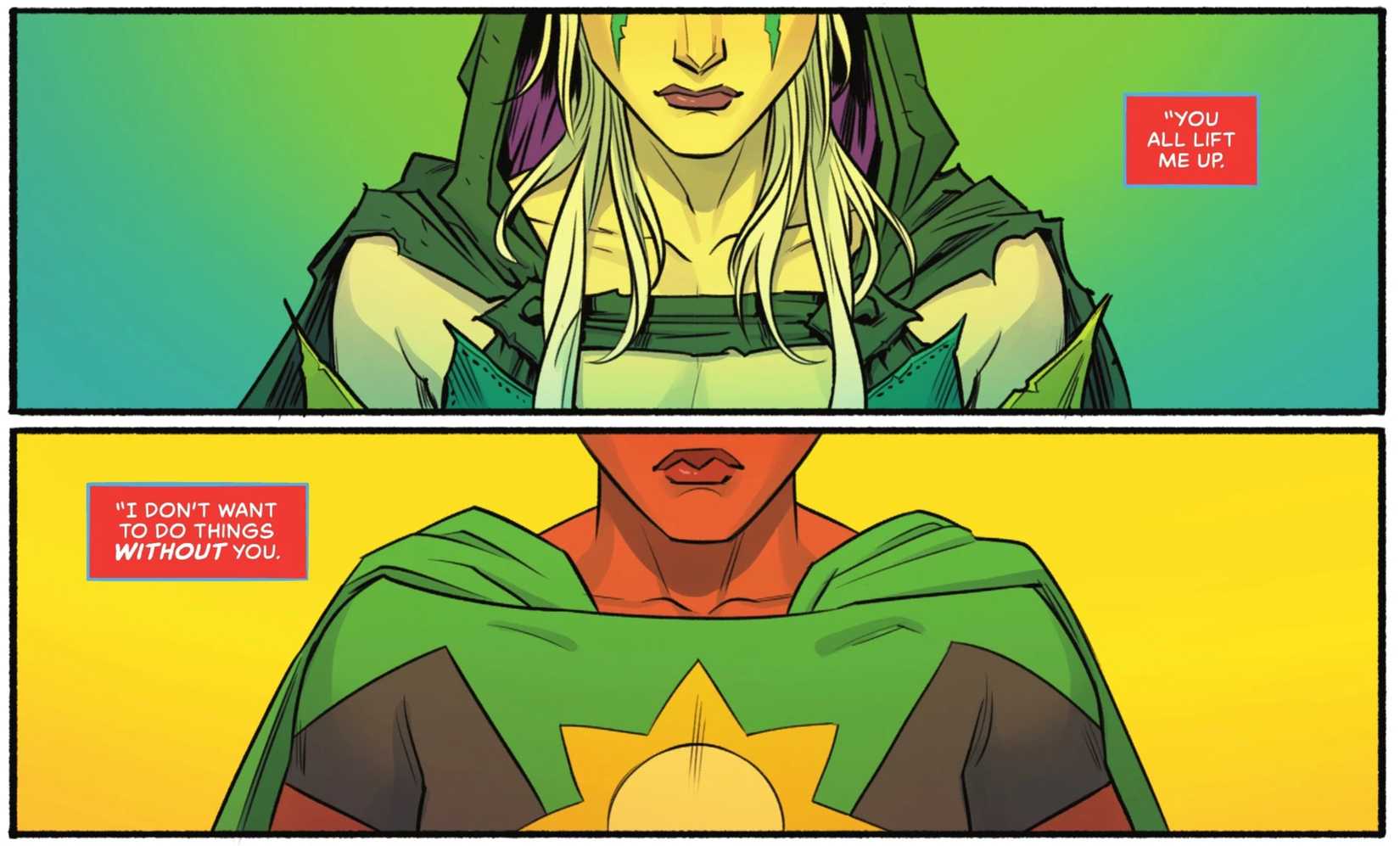
For over six decades, Kara has been defined by her proximity to godhood, sharing the burdens of the House of El. By stripping her of her powers and sending her back to Stanhope College, DC is charting a bold path reminiscent of classic Peter Parker or Clark Kent human-interest stories. Kara must now face everyday mortal dangers—exemplified by the immediate threat of classic adversary Reactron—without the safety net of invulnerability. It shifts her narrative value away from what she can lift and toward who she is at her core when stripped of her cosmic gifts.
The Evolution of Legacy
The battle between Nightflame, Matrix, and Thundergirl also redefines how mantles are passed down in the DC Universe. Unlike legacy heroes who are handpicked or inherit a title through familial ties or mentorship, the Supergirl mantle is being contested in an arena of peers. This raises poignant questions: Is Supergirl defined by Kryptonian DNA, or is she defined by the collective aspiration toward hope that the "S" shield represents?
As November 11, 2026 approaches, the comic book world watches with bated breath. Whether Nightflame, Matrix, or Thundergirl ultimately claims the costume, one thing is certain: the legacy of Supergirl will never be the same again.
