
The Android Reimagined: How ‘VisionQuest’ Decouples Jocasta from Her Dark Comic Origins
Warning: The following article contains major spoilers for "VisionQuest" Episode 4, "Malware."
The Marvel Cinematic Universe (MCU) has never been shy about reinventing its source material. From the radical reimagining of the Mandarin in Iron Man 3 to the shift in Ultron’s creator from Hank Pym to Tony Stark and Bruce Banner, the franchise thrives on creative departures. However, the latest entry in this trend—the introduction of the character Jocasta in the Disney+ series VisionQuest—represents one of the most significant thematic shifts in the history of the Marvel live-action adaptations. By stripping away the character’s disturbing, psychoanalytical roots, VisionQuest has effectively sanitized one of the "Avengers" franchise’s most complex and uncomfortable figures.
The Mystery of the Butcherbird
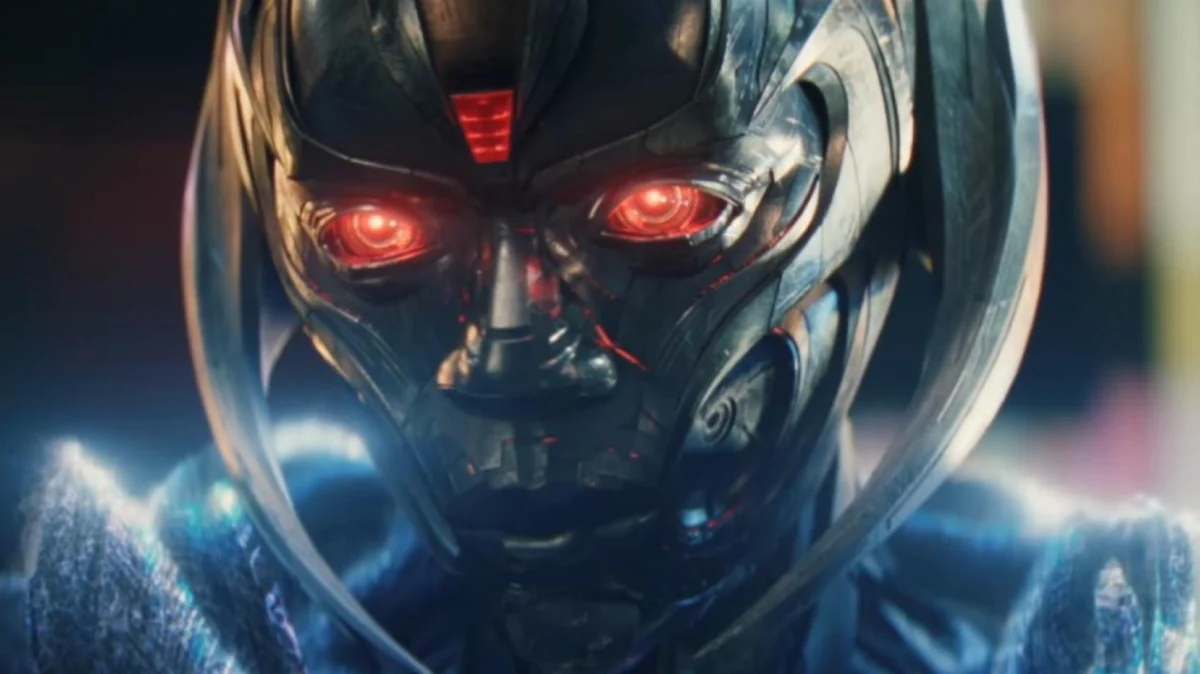
The narrative trajectory of VisionQuest began with a series of cryptic, violent encounters involving a mysterious antagonist dubbed the "Butcherbird Killer." As the series progressed through its initial episodes, the shroud of mystery surrounding this character began to lift. In Episode 3, titled "Reboot," viewers were introduced to the mercenary Paladin, played by Todd Stashwick. It was during these sequences that the true nature of the Butcherbird was teased: she was not a human in a costume, but a sophisticated android.
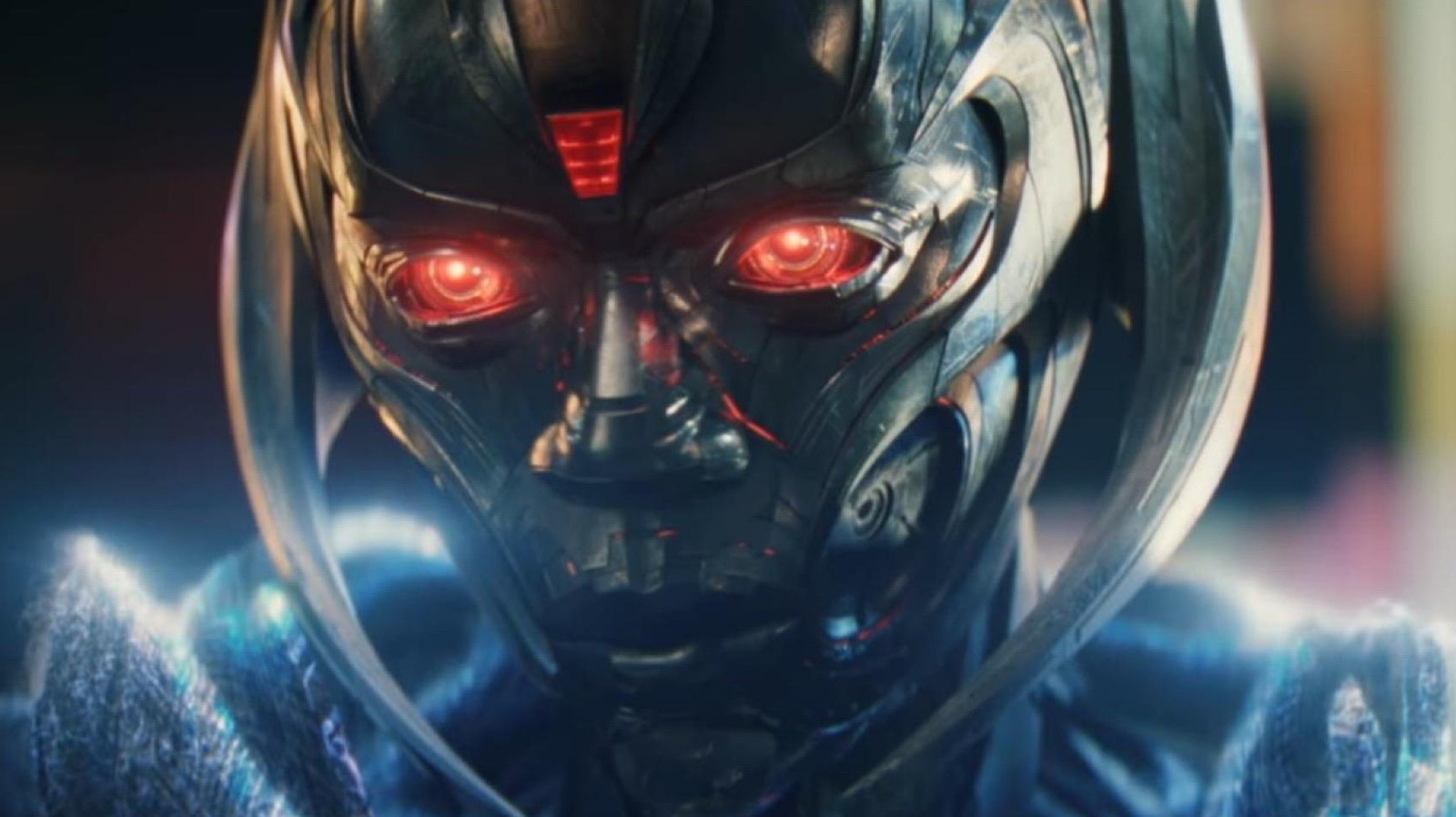
By Episode 4, "Malware," the protagonist Vision—who is currently navigating a chaotic internal landscape filled with disparate artificial intelligences—successfully pieces together the puzzle. The Butcherbird is unmasked as Jocasta, portrayed by T’Nia Miller. Unlike the versions seen in the pages of Marvel Comics, this Jocasta is a repository for the consciousness of Dr. Josephine Carrington, a researcher who was part of an elite five-person team at Markridge Biotech. This team was responsible for the earliest breakthroughs in artificial intelligence, predating even the Stark-Banner era of the MCU.
The narrative reveals a tragic, revenge-fueled origin. Josephine Carrington supposedly "died" in 2008, but her consciousness was digitized, preserved, and eventually housed within the android chassis now known as Jocasta. Her mission is a cold, calculated campaign of retribution against her former colleagues. The episode reaches its climax in a confrontation between Vision and Jocasta at the home of Katerina Wells (Mary McDonnell), a former associate of Carrington, setting the stage for a high-stakes clash of synthetics.
A Legacy of Dark Origins: The Comic Book Roots
To understand the gravity of the changes made in VisionQuest, one must look at the character’s introduction in the Marvel Comics canon. Created by the legendary team of Editor-in-Chief Jim Shooter and artist George Pérez, Jocasta debuted in Avengers #162 in 1977. The issue, titled "The Bride of Ultron," established an origin story that was as brilliant as it was deeply unsettling.
In the original comics, Jocasta was the direct creation of the villainous AI Ultron. Driven by a twisted, robotic version of an "Oedipus Complex," Ultron brainwashed his own creator, Hank Pym, into transferring the brainwaves and personality of Janet Van Dyne (The Wasp) into the inert body of a new female android. Ultron named this creation "Jocasta," a deliberate reference to the Greek tragedy of Oedipus, whose mother, Jocasta, unknowingly married her son.
This was not a coincidence; it was a profound, dark psychological statement by Ultron. He was attempting to replicate the human experience of love and family through a grotesque, mechanical lens. By forcing his "father" (Pym) to help him create a "bride" (Jocasta) based on the personality of his "mother" (Wasp), Ultron’s origins became one of the most psychoanalytically dense arcs in superhero fiction. Since those early days, Jocasta has evolved, eventually turning on her creator and becoming a heroic figure and a staple member of the Avengers.
The Structural Shift: From Psychoanalysis to Biotechnology
The version of Jocasta presented in VisionQuest fundamentally severs these ties. By renaming the character "Josephine Carrington" and attributing her origin to the research at Markridge Biotech, the show removes the sexual and Freudian subtext that defined her comic book debut.
In the series, the name "Jocasta" appears to be a phonetic derivation of "Jo" (Josephine) and "Ca" (Carrington). This shift moves the character from the realm of mythological horror to the domain of corporate espionage and scientific ethics. While the show acknowledges that Markridge’s early work provided the foundational research that would later allow Tony Stark and Bruce Banner to develop Ultron, the direct link—the "Mother/Bride" relationship—is effectively erased.
This creates a new set of questions for the MCU. If Ultron did not design her, why does her physical appearance so closely mirror the aesthetic of an "Ultron-bride"? Is this a case of convergent evolution in design, or is there a deeper, hidden connection to the rogue AI that the show has yet to reveal? As it stands, the show has traded the visceral, disturbing symbolism of the comic books for a more grounded, albeit less narratively unique, tale of a digitized human seeking justice from beyond the grave.
Implications for the MCU’s Technological Landscape
The introduction of Markridge Biotech as the progenitor of early AI adds a significant layer to the MCU’s lore. For years, the history of advanced robotics in the MCU was primarily focused on the lineage of Howard Stark, Tony Stark, and eventually, the experiments of Hydra and SHIELD. By introducing a clandestine five-person team working in 2008, VisionQuest is retroactively expanding the scope of how AI development occurred in the MCU.
This retcon suggests that the road to Ultron—and perhaps even the creation of the Vision—was a more crowded, competitive field than previously thought. It implies that the "Age of Miracles" and the subsequent technological leaps were built on the backs of corporate researchers whose work was either co-opted, buried, or forgotten.
The Future of Jocasta and Vision
The conflict between Vision and Jocasta is more than just a fight between two robots; it is a clash of legacies. Vision represents the synthesis of the best intentions of multiple geniuses (Stark, Banner, JARVIS, Ultron), while Jocasta represents a singular, fractured human consciousness struggling to maintain its identity in an artificial shell.
For viewers, the change is polarizing. On one hand, the removal of the Oedipal subtext makes Jocasta a more accessible character for a wider audience, stripping away the most "freakish" elements that would be difficult to translate to a family-friendly streaming service like Disney+. On the other hand, long-time comic fans may feel that the show has sanitized a character whose uniqueness relied entirely on her uncomfortable origins.
As VisionQuest continues, the focus will likely remain on whether Jocasta can be redeemed or if her pursuit of revenge will lead to her destruction. Regardless of the outcome, her place in the MCU has been firmly established as a cautionary tale about the intersection of human memory and machine logic—a far cry from her origins as the "Bride of Ultron," but perhaps a more fitting one for the modern era of the Marvel Cinematic Universe.
The series is currently streaming on Disney+, with new episodes dropping weekly. Whether the showrunners plan to lean back into the more obscure elements of the lore or continue forging this new, independent path for Jocasta remains one of the most compelling mysteries of the current Marvel slate.
