
Unearthing the Truth: A Comprehensive Analysis of Tom Cruise’s Mind-Bending Cinematic Event, Digger
Main Facts: Decoding the Meta-Narrative of Digger
Tom Cruise’s latest cinematic venture, Digger, has dominated cultural discourse since its first surreal trailers hit the internet. Initially baffling audiences with bizarre, hyper-stylized imagery—such as an overtly mechanical pet cat and impossibly picturesque windows overlooking a deteriorating biosphere—the film has proven to be far more than a standard blockbuster.
To clear up the rampant internet speculation: no, Digger is not a secret musical, despite viral conspiracy theories spearheaded by online commentators and authors like Jason Pargin. However, the internet was remarkably close to the truth regarding the film’s theatricality.
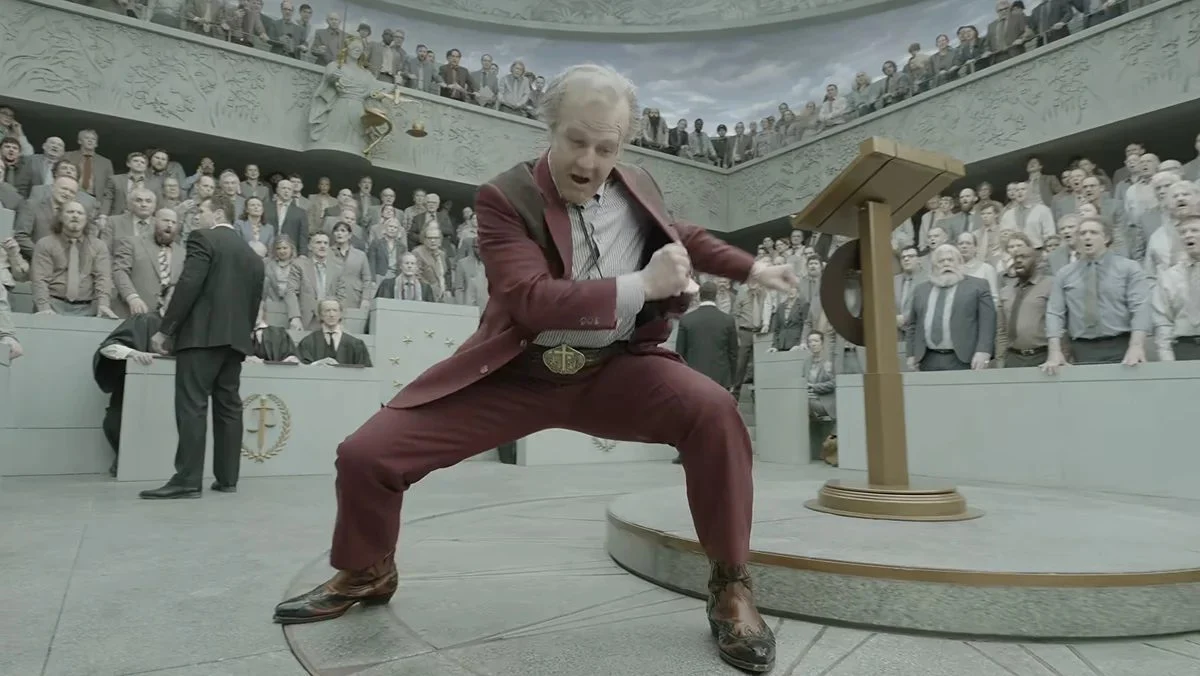
Digger is structured as a complex, two-part meta-narrative. The film takes place in a bleak, dystopian future where unchecked fossil fuel drilling, world war, and catastrophic climate change have thoroughly devastated the planet. Within this grim reality, characters gather in a theater to stage a historical parody play titled Fossil Fools. The play recounts the actions of Digger Rockwell (played by Tom Cruise), the infamous historical figure whose unbridled oil obsession triggered the global apocalypse.
The core premise of the film relies on seamless intercutting between "the past" (the events of the play within the movie) and "the present" (the dystopian backstage reality where actors and crew navigate the ash and fallout of Digger Rockwell’s legacy).

Chronology: How the Narrative Unfolds
The storytelling architecture of Digger relies heavily on misdirection, slow reveals, and thematic layering. Understanding the film requires tracking its progression from a surreal historical drama into a harsh dystopian critique.
Act I: The Surreal Illusion of the "Past"
For a significant portion of the runtime, Digger presents itself as a surreal historical period piece. Tom Cruise stars as Digger Rockwell, an eccentric, ruthless oil tycoon operating in an era of unchecked industrial expansion. Viewers are treated to grand vistas of oil rigs, melting polar ice caps, and booming machinery.
However, subtle visual cues disrupt the illusion from the very first frame. The lighting feels theatrical, the backdrops look artificial, and Digger’s beloved pet cat moves with stiff, undeniable animatronic precision. At first, audiences are left wondering if the director is simply aiming for an avant-garde, dreamlike aesthetic.
Act II: The First Twist—Breaking the Fourth Wall
The illusion shatters when the camera abruptly pans backward, zooming out from the scene to reveal the massive backstage area of a theater. The viewer is jolted into realizing that they have been watching a rehearsal of a play. Tom Cruise drops the intense, over-the-top persona of Digger Rockwell, revealing himself to be a dramatic stage actor portraying the historical villain.

From this point forward, the film alternates dynamically between the fictional play Fossil Fools—which lampoons the events leading up to the apocalypse—and the tense backstage drama of the actors preparing for their next cue in the harsh future.
Act III: The Second Twist—The Connection to the Present
As the narrative progresses, it becomes clear that Fossil Fools is not merely a piece of historical satire; it is a direct reflection of the audience’s reality. The play tells the story of how Digger Rockwell’s actions catalyzed a planetary collapse. Small clues dropped during the backstage sequences—such as passing mentions of "Category Six" hurricanes and the use of advanced, pragmatic survival technology—ground the narrative in a post-collapse dystopia.
The full scope of the conspiracy is laid bare during a masterclass monologue delivered by a mysterious character played by Jesse Plemons. It is revealed that Plemons’ character is none other than Kenny Rockwell, Digger’s nephew.
Kenny survived his family’s post-war exile and his uncle’s eventual suicide to take control of the family’s corporate interests—specifically inheriting the "Green Energy" front company originally managed by Digger’s sister, Emma Rockwell (played by Sandra Hüller). While neither Digger nor Emma ever genuinely cared about the environment, Kenny has leveraged his family’s infamy and inherited fortune to fund the production of Fossil Fools.
Supporting Data and Production Details
To fully appreciate the scope of Digger, one must examine the production elements and narrative scaffolding that Warner Bros. and Legendary Pictures carefully constructed to keep audiences guessing:
- The Marketing Campaign: Studios intentionally released trailers that focused exclusively on Cruise’s theatrical performance as Digger Rockwell, purposely omitting any footage of the theater, the backstage crew, or the dystopian future. This marketing strategy fueled widespread internet speculation, leading to viral theories about the film being a disguised musical or an arthouse psychological thriller.
- Cast and Crew Dynamics:
- Tom Cruise anchors the film as both the historical antagonist Digger Rockwell and the prima donna actor portraying him on stage.
- Jesse Plemons plays Kenny Rockwell, serving as the narrative catalyst who bridges the gap between the family’s destructive past and the dystopian present.
- Sandra Hüller appears as Emma Rockwell, providing chilling subtext on corporate apathy and greenwashing.
- Environmental Themes: The film introduces speculative concepts such as Category Six hurricanes—weather events far exceeding modern meteorological categorizations—to visually and audibly communicate the escalated reality of climate collapse within the narrative.
Official Responses and Creative Intentions
The filmmakers and cast have spoken at length about the deliberate ambiguity built into Digger. Director and studio representatives designed the project to subvert modern audience expectations regarding biographical dramas and high-concept blockbusters.
Speaking on the intentional misdirection of the trailers, production insiders noted that hiding the play-within-a-movie conceit was essential to mirroring the theatrical experience for the viewer. Just as the dystopian audience watches Fossil Fools to process their collective trauma, the movie theater audience watches Digger without initial context, slowly uncovering the bleak reality of the world inhabited by the characters.
Critics and cultural analysts have also weighed in on the film’s clever nod to internet culture. While the web-based theory that Digger was a musical proved technically incorrect, the creative team acknowledged that the hyper-stylized musicality of stage acting heavily influenced Tom Cruise’s performance. The seamless transition between cinematic realism and theatrical bombasticism validates the internet’s intuition that Digger was operating on a completely unconventional wavelength.

Implications: Wealth, Catharsis, and the Cycle of Dystopia
Beneath its high-concept sci-fi framing and meta-theatrical structure, Digger delivers a scathing critique of modern socio-political structures, wealth consolidation, and the illusion of corporate accountability.
1. The Impunity of the Ultra-Wealthy
The primary thematic takeaway of Digger centers on how the ultra-rich manage to evade the consequences of their own destruction. Digger Rockwell may have met a tragic end via suicide, but his lineage—represented by his nephew Kenny—retains absolute power and capital.
Kenny Rockwell frames his funding of Fossil Fools as an act of benevolence, claiming the play offers the masses a much-needed outlet for catharsis, pain, and anger. However, the film exposes the hypocrisy of this gesture. Kenny could use his immense family fortune to actively rebuild the shattered biosphere or materially aid the survivors; instead, he monetizes their trauma through entertainment.
2. The Final Visual Metaphor
The film’s haunting final sequence reinforces this cynical reality. As the play concludes, every single member of the audience in the dystopian theater is forced to don a high-tech gas mask before stepping out into the toxic air outside. The inescapable implication is that these masks were manufactured and sold by the Rockwell family—the very people who caused the atmospheric collapse in the first place, and who now profit off the population’s necessity to breathe.

When Kenny Rockwell assists Digger’s actor in finding his lost daughter after a hurricane, it reads less as genuine heroism and more as a PR-managed illusion. The selfish rich continue to dictate the terms of survival, ensuring the cycle of exploitation remains unbroken.
3. The Power and Limit of Entertainment
Conversely, Digger offers a nuanced perspective on the value of art. Even within a broken, asphyxiating world, the theatrical production brings a rare moment of communal gathering, emotional release, and shared human connection to the masses.
In a meta-textual sense, Digger suggests that cinema and theater will always serve as vital coping mechanisms during dark historical periods. Communal catharsis can survive even the worst dystopias. However, the film’s ultimate warning remains a stark caution: entertainment and artistic expression must not become substitutes for tangible, systemic action. If society fails to hold the architects of climate destruction accountable, humanity risks sleepwalking directly into the very reality Digger portrays—one where the wealthy hoard the clean air while the rest of us simply buy their masks.
