
Acclaimed Yet Ignored: Why DreamWorks’ Forgotten Island Stumbled at the Box Office Despite Critical Raves
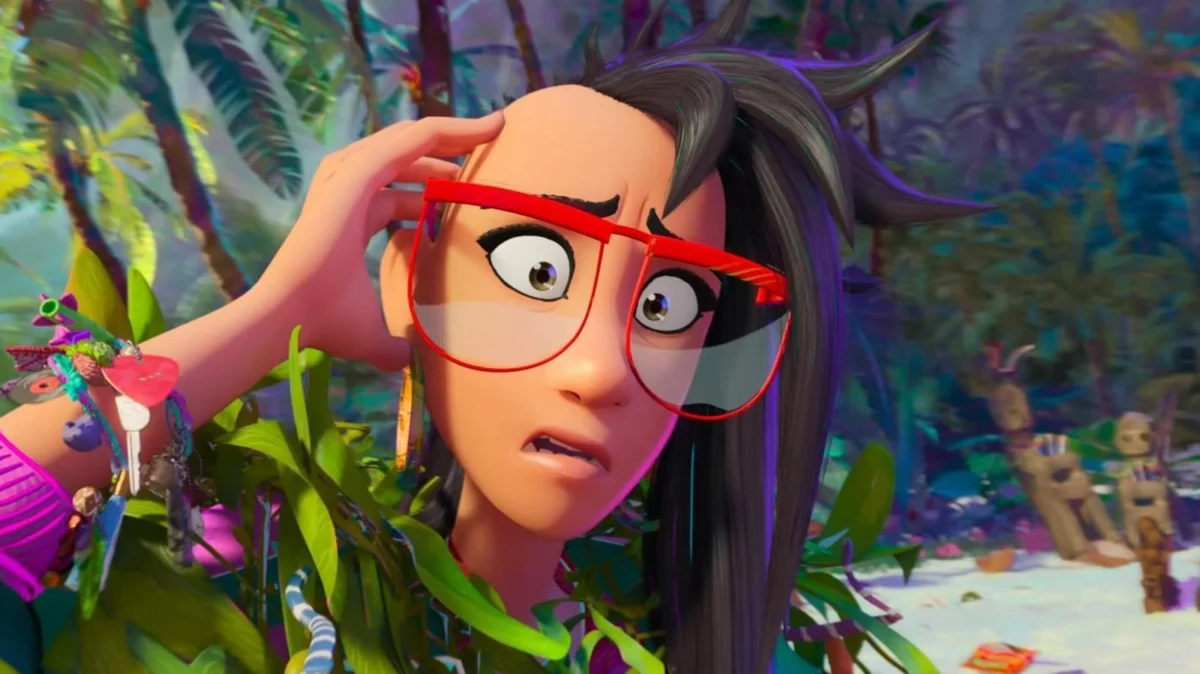
The modern theatrical landscape for original animated features continues to be a high-stakes, unforgiving arena. While familiar intellectual properties, sequels, and cinematic universes routinely shatter records, fresh storytelling frequently struggles to capture the immediate attention of the mass ticket-buying public.
The latest casualty of this industry-wide phenomenon is Universal Pictures and DreamWorks Animation’s Forgotten Island. Despite receiving glowing reviews from critics and enthusiastic word-of-mouth from early audiences, the visually dazzling, culturally rich fantasy adventure endured a dismal opening weekend, highlighting a persistent crisis facing original animation in the post-pandemic era.
Main Facts: A Disastrous Debut for a Critical Darling
Released in theaters by Universal Pictures, Forgotten Island opened domestically to an estimated $12.8 million over its debut weekend. That figure landed the film in a disappointing fifth place at the domestic box office. The charts were instead dominated by a mix of veteran heavyweights and newer live-action releases—including a surprise box-office re-emergence by Avengers: Endgame seven years after its historic theatrical run, alongside Zach Cregger’s continuing smash-hit Resident Evil, Robert Pattinson’s vehicle Primetime ($19.1 million), and Brad Pitt’s survival thriller Heart of the Beast ($20 million).
International markets offered little salvation. Forgotten Island pulled in a meager $7.8 million overseas, culminating in a global opening weekend of just $20.6 million. For a studio production boasting a relatively modest budget of $80 million—trimmer than the typical nine-figure price tags associated with major studio animated features—this start is a major setback.
What makes the financial failure particularly jarring is the film’s reception. Forgotten Island currently holds a stellar 95% critical approval rating on Rotten Tomatoes, accompanied by an equally impressive 96% audience score. Viewers who venture into theaters adore the film, but that appreciation has utterly failed to translate into opening-weekend ticket sales.
Chronology: The Journey from Concept to Box Office Stumble
The path of Forgotten Island to the big screen promised great things, helmed by industry veterans Joel Crawford and Januel Mercado, both celebrated for their exceptional work on the critically acclaimed, box-office-defying Puss in Boots: The Last Wish.
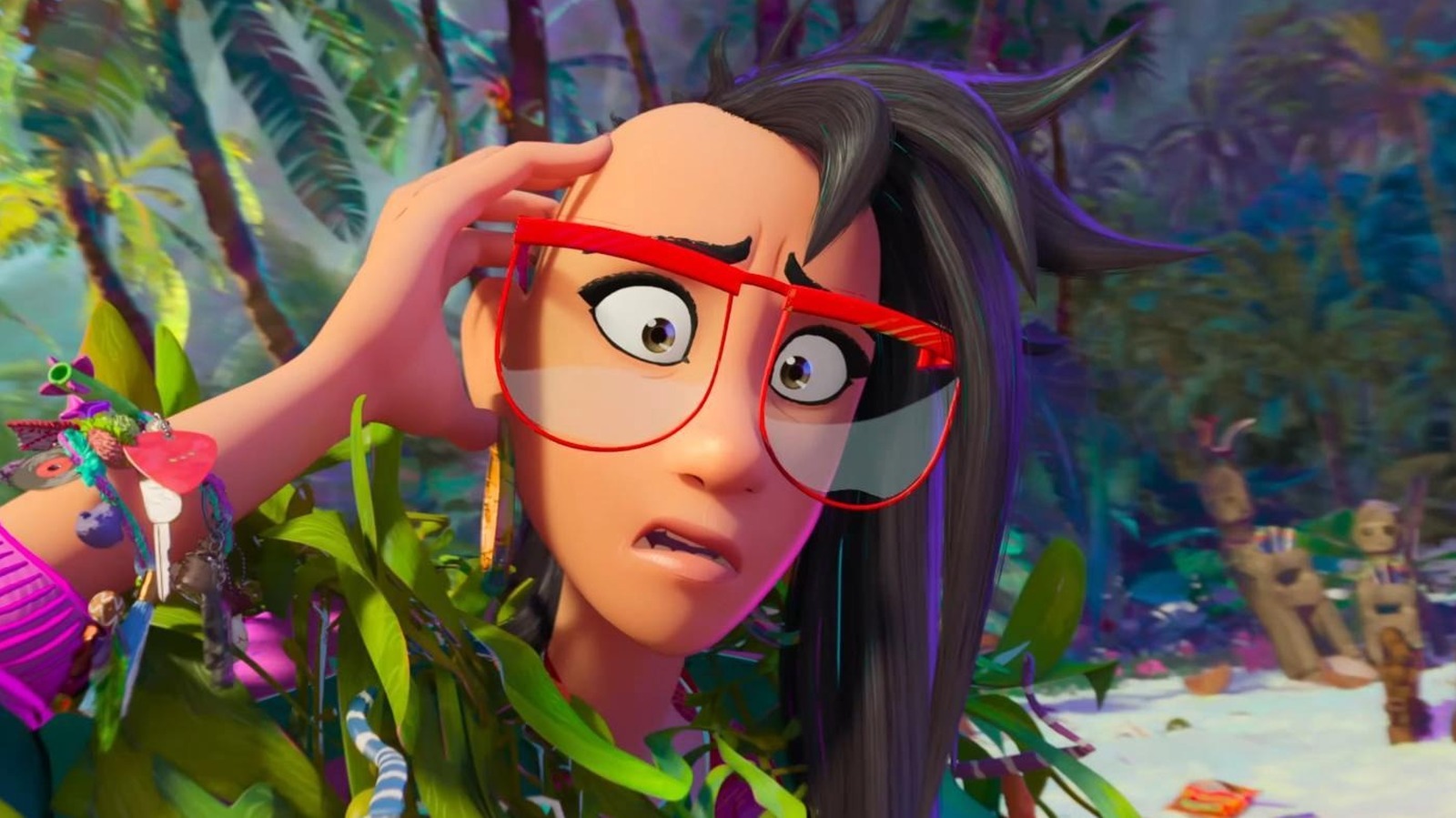
- Conception and Development: DreamWorks Animation greenlit the project to lean into rich, underrepresented cultural folklore. The story centers on two inseparable best friends, Jo (voiced by Grammy winner H.E.R.) and Raissa (Liza Soberano).
- The Inciting Incident: Set on the eve of a major life transition, the friends celebrate their last night together before stumbling upon a mysterious, hidden portal.
- The World of Nakali: The portal whisks them away to the fantastical island of Nakali, a vibrant realm packed with magical and mythological creatures pulled straight from the stories told to them by their Filipino families.
- The Release Window: Universal slated the film for a September theatrical window—a notoriously volatile timeframe that lacks the built-in "leggy" holiday momentum of late November or December releases.
- The Opening Weekend: Hitting theaters mid-month, the film failed to break through the noise, yielding the aforementioned $12.8 million domestic opening and stalling out behind stronger counter-programming.
Supporting Data: The Brutal Economics of Original Animation
To achieve true profitability and clear the hurdle of being labeled an "unqualified hit," Forgotten Island will need to amass a worldwide gross of roughly $200 million—about ten times its global opening figure.
Industry analysts agree that achieving this milestone is an uphill battle, though precedent does exist. Universal and DreamWorks have pulled off miraculous box-office recoveries before:
- The Puss in Boots: The Last Wish Miracle: In December 2022, that sequel opened to a modest $12.4 million domestically. However, through sheer word-of-mouth and holiday legs, it eventually clawed its way to a staggering $480.4 million worldwide.
- The Migration Turnaround: Similarly, Universal’s original-adjacent family feature Migration opened to $12.4 million in December 2023, eventually crossing the $300 million global threshold.
However, industry experts point out a crucial distinction: both Puss in Boots and Migration benefited enormously from a late-December release window. December offers weeks of consecutive holiday weekdays where children are out of school, acting as an engine for "leggy" box-office runs. Forgotten Island, by contrast, launched in September—a dead zone where school is back in session and adult-leaning counter-programming frequently starves family features of oxygen.
Industry Implications: A Trend of Original Animation Struggles
The financial misfire of Forgotten Island is not an isolated incident; rather, it represents the continuation of a troubling box-office trend for original animated storytelling across major Hollywood studios.
The Pixar Precedent
Pixar Animation Studios has faced similar hurdles. Despite critical acclaim, Elio struggled to find its footing at the box office in 2025. In fact, looking back across the 2020s, Pixar’s Elemental remains the sole original IP from the legendary studio to stage a miraculous, no-holds-barred theatrical turnaround after a soft opening.
Disney’s Animation Woes
The phenomenon extends across the lot to Walt Disney Animation Studios, where original fantasy epics like Strange World suffered dramatic box-office bombs, followed by similar struggles for Wish in 2023. Even outside the Disney ecosystem, mid-tier original animated features like GOAT managed a mediocre $195 million worldwide earlier this year.
The IP Trap
The collective data paints a sobering picture: contemporary theatrical audiences have grown increasingly hesitant to gamble their disposable income on unfamiliar properties. While brand-name franchises, sequels, and cinematic universes reliably draw crowds, original concepts—no matter how creatively vital or critically adored—are frequently bypassed in favor of the safe and familiar.
Official Responses and Future Outlook
Studio executives at Universal and DreamWorks have yet to issue formal post-mortem statements regarding the film’s financial performance, but the industry buzz is palpable. Creators and advocates for diverse representation in media have voiced heartbreak over the film’s commercial underperformance, especially given its groundbreaking celebration of Filipino mythology and culture, paired with standout vocal performances by H.E.R. and Liza Soberano.
As Forgotten Island continues its theatrical run, its ultimate fate remains uncertain. Will it manage to find a second wind through sustained word-of-mouth, much like its DreamWorks predecessors? Or will it serve as another cautionary tale in a Hollywood system increasingly hostile to original animated storytelling?
For now, the tide has not turned in favor of fresh animated concepts. Until audience habits shift to embrace new cinematic universes outside of pre-existing intellectual properties, studios will face a daunting calculus when greenlighting original visions—no matter how magical those visions might be.
