
DreamWorks’ Sci-Fi Masterpiece Forgotten Island: How the Creative Mind of Late Anime Legend Satoshi Kon Shaped the Studio’s Most Emotional Scene
Main Facts
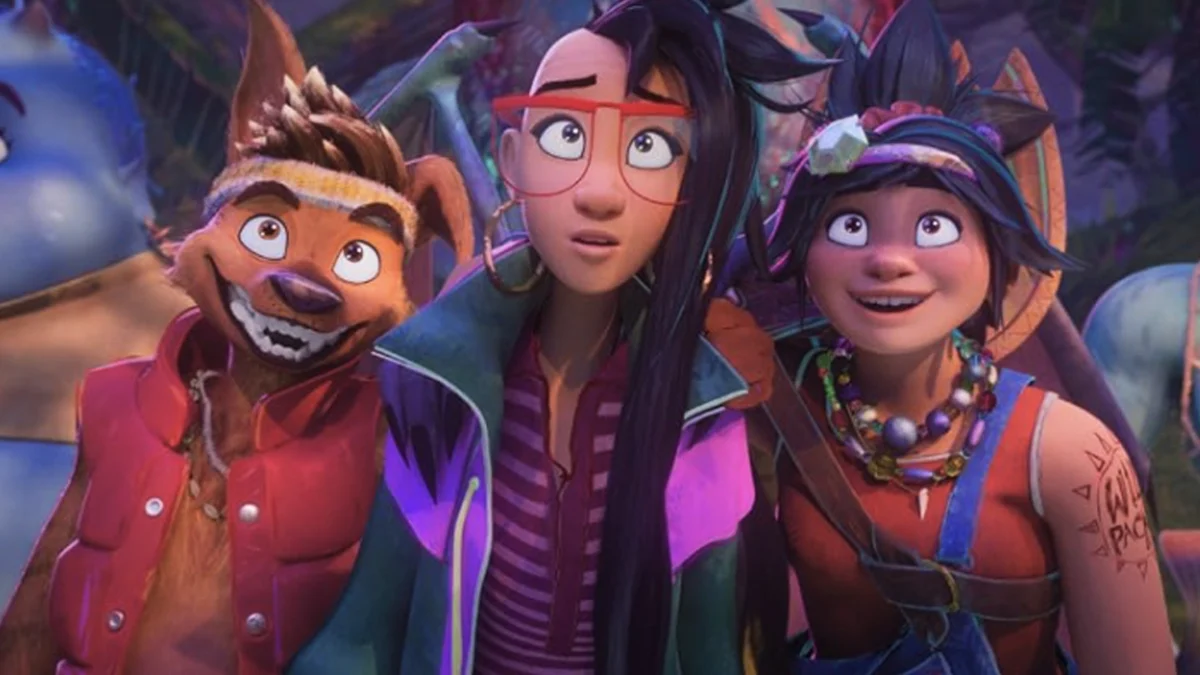
DreamWorks Animation has captured cinematic discussions with its latest science-fiction release, Forgotten Island. Directed and written by the acclaimed creative duo Januel Mercado and Joel Crawford—the minds behind the critically lauded Puss in Boots: The Last Wish—the film has rapidly established itself as a critical darling, earning prominent spots on lists celebrating the best films and science fiction of 2026.
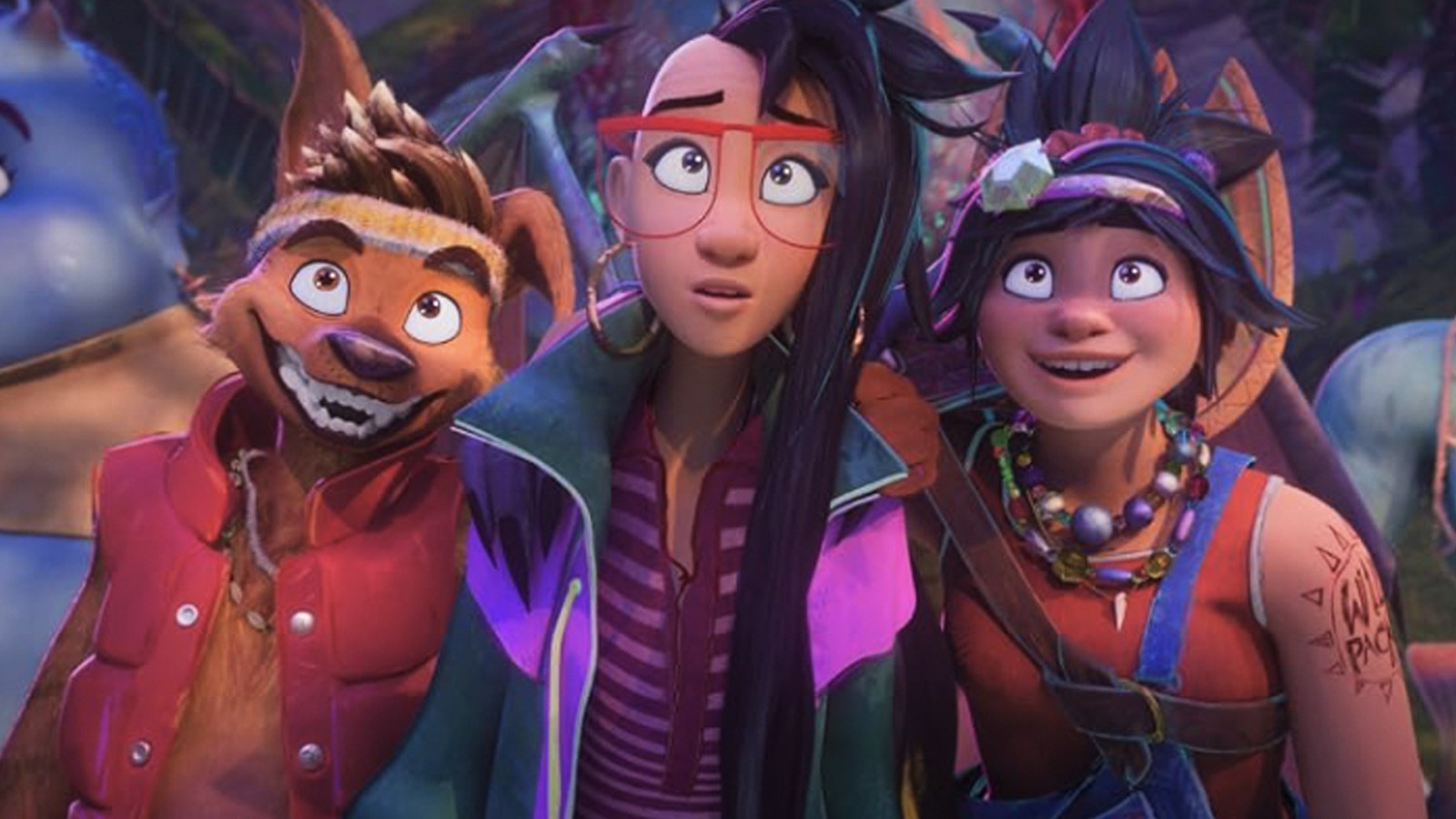
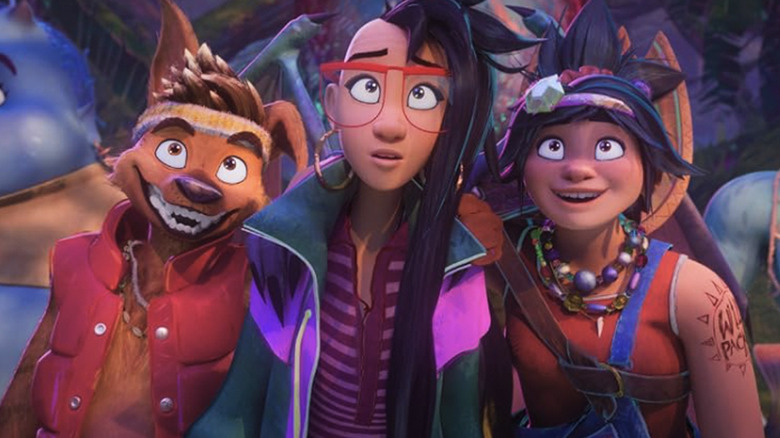
At the center of Forgotten Island is a deeply poignant narrative about memory, sacrifice, and enduring friendship. The story follows best friends Raissa, voiced by Liza Soberano, and Jo, voiced by H.E.R. The duo finds themselves stranded on the mysterious, atmospheric island of Nakali, suffering from temporary 24-hour amnesia. As they desperately race against time to retrace their steps, piece together the events of the previous night, and find a way back home, the film shifts from a gripping mystery into an emotionally devastating exploration of human connection.
The emotional zenith of the movie arrives when Jo makes a harrowing bargain with a mysterious, supernatural creature native to the island. To secure Raissa’s safe passage home, Jo agrees to pay an ultimate toll: her memories of the duo’s decades-long friendship. What follows is a heartbreaking race against time as Raissa desperately sprints through an evaporating landscape of their shared history, trying to salvage the memories before they vanish forever.
Behind this visually stunning and emotionally crushing sequence lies an unexpected artistic lineage. In an exclusive interview, directors Mercado and Crawford revealed that the climatic memory-running sequence drew heavy inspiration from the brilliant visual language of the late Japanese anime master Satoshi Kon.
Chronology
The developmental and creative timeline of Forgotten Island reflects DreamWorks Animation’s ongoing evolution toward more emotionally mature, visually daring storytelling. Following the massive global success and artistic reinvention seen in Puss in Boots: The Last Wish in 2022, Mercado and Crawford immediately began conceptualizing their next major project.
- The Concept Phase: The directors aimed to craft a science-fiction narrative that married high-concept metaphysical mystery with deeply grounded emotional stakes. They introduced the premise of the island of Nakali and the terrifying concept of traded memories.
- The Production Integration: During the storyboarding and editing phases of Forgotten Island, Mercado and Crawford sought ways to execute the film’s complex emotional climax. They wanted a sequence that visualized the fragmentation of memory without alienating the audience. Drawing from their cinematic influences—ranging from comedies like The Hangover to psychological dramas like Eternal Sunshine of the Spotless Mind—they ultimately looked to the seamless, reality-bending editing techniques pioneered by Satoshi Kon.
- The Release and Critical Reception: Forgotten Island debuted in theaters to widespread acclaim, quickly cementing its status as one of the standout cinematic achievements of 2026. Critics and audiences alike praised its ability to balance high-concept sci-fi tropes with devastating emotional honesty, culminating in extensive discussions regarding its climactic sequence.
Supporting Data and Creative Influences
To fully understand the weight of the cinematic homage in Forgotten Island, one must look at the monumental legacy of Satoshi Kon. Before his untimely death in 2010 at the age of 47, Kon directed four feature films that fundamentally altered the landscape of global animation:
- Perfect Blue (1997)
- Millennium Actress (2001)
- Tokyo Godfathers (2003)
- Paprika (2006)
Though Kon’s filmography is relatively small, its impact is immeasurable. His revolutionary approach to match cuts, fluid transitions, and temporal-spatial manipulation directly influenced legendary Hollywood directors such as Darren Aronofsky (Requiem for a Dream, Black Swan) and Christopher Nolan (Inception).
In Forgotten Island, this influence is most acutely felt during Raissa’s sprint through the disintegrating "memoryscape." While Kon’s own films frequently explored psychological thrillers, surrealism, and dark dreamscapes (such as the reality-collapsing terror of Perfect Blue or the carnival of the unconscious in Paprika), Mercado and Crawford successfully adapted his signature editing style for an entirely different tonal spectrum: pure, unadulterated heartbreak.
Official Responses and Insights from the Directors
In an exclusive interview ahead of the film’s theatrical release, co-directors Januel Mercado and Joel Crawford opened up about the painstaking process of crafting the film’s unforgettable climax.
Discussing the visual and emotional mechanics of the scene, Januel Mercado emphasized the deliberate choice to disorient the audience while keeping them anchored to the protagonist’s internal perspective:
"The memoryscape and running through it was something that would be this visual tour de force that was cool to see, but also very, very emotional," Mercado explained.
Elaborating on the specific techniques borrowed from the late anime icon, Mercado noted:
"I’m glad you brought up Satoshi Kon, because the editing, his visual storytelling, is very trippy where he’s using cutting and movements to discombobulate the viewer, but you’re still going through the journey in the point of view of the character that’s being transported and thrown through different spaces in time."
While Joel Crawford acknowledged mainstream cinematic touchstones like The Hangover and Eternal Sunshine of the Spotless Mind for their narrative framing of memory and missing time, it was Kon’s structural audacity that gave the sequence its unique heartbeat. Although the overall tone of Forgotten Island remains family-friendly and grandly adventurous compared to Kon’s intensely psychological adult animation, the stylistic bravery embedded within the project honors the Japanese auteur’s boundary-pushing philosophy.
Implications for Modern Animation
The revelation that a major Hollywood studio release like Forgotten Island explicitly channels the techniques of an underground anime legend highlights a broader, highly positive shift in mainstream animation. For decades, Western animation studios often kept their influences localized or heavily commercialized. Today, however, visionary directors are openly bridging the gap between East and West, bringing the distinct pacing, spatial fluidity, and structural experiments of Japanese auteurs into high-budget studio pipelines.
Furthermore, Forgotten Island proves that modern animated science fiction does not need to rely solely on explosions, futuristic aesthetics, or exposition dumps to captivate audiences. By grounding sci-fi concepts—like memory extraction and mysterious temporal islands—in raw, character-driven sacrifices, DreamWorks has raised the bar for what contemporary animation can achieve emotionally.
As audiences continue to flock to theaters to experience Forgotten Island, the film stands as both a triumph of modern storytelling and a touching, unintentional tribute to a cinematic master who left us far too soon. Satoshi Kon may have passed away in 2010, but his legacy lives on—echoing through the dissolving memories of Raissa and Jo on the shores of Nakali.
