
From Sketch Comedy to Horror Auteur: The Cinematic Evolution of Zach Cregger
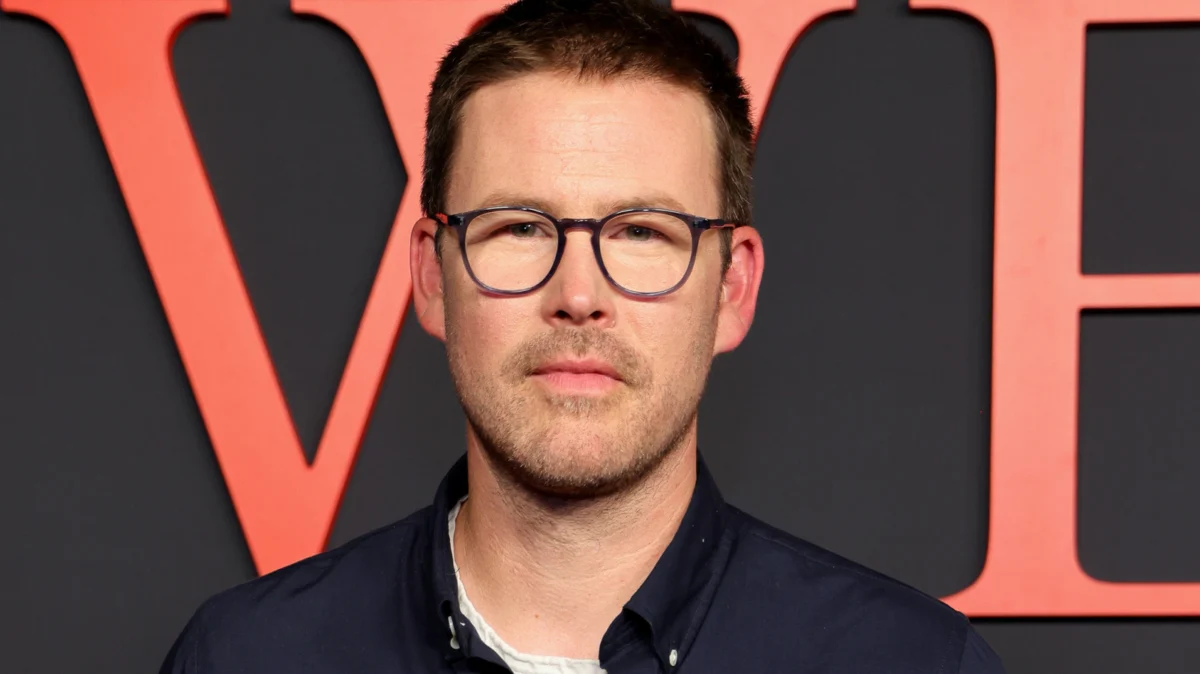
Robert Bloch, the legendary mind behind the psychological masterpiece Psycho, once famously remarked that horror and comedy are merely "two sides of the same coin." Both genres rely on the precise mechanics of setup and payoff, utilizing tension and release to elicit a visceral, involuntary reaction from an audience—whether that reaction manifests as a shriek of terror or a belly laugh.
In the modern cinematic landscape, few filmmakers have mastered this delicate alchemy as effectively as Zach Cregger. Once known primarily as a member of the irreverent sketch comedy troupe The Whitest Kids U’ Know, Cregger has undergone a radical transformation. Having pivoted from the slapstick sex comedy of Miss March (2009) to the sophisticated, nerve-shredding world of contemporary horror, Cregger has established himself as a singular visionary. Today, he stands alongside genre luminaries like Sam Raimi and Jordan Peele, proving that a background in comedy is the perfect training ground for inducing dread.
The Chronology of a Genre Pivot
Cregger’s path to becoming a horror heavyweight was far from linear. His directorial debut, Miss March, which he co-directed and starred in alongside his sketch troupe cohort Trevor Moore, was met with critical derision. For over a decade, Cregger stepped away from the director’s chair, leaving many to wonder if his creative output would remain confined to the cult-classic, low-budget aesthetics of The Civil War on Drugs.
However, the 2020s marked a tectonic shift in his career. By synthesizing his keen sense of timing with a dark, thematic depth, Cregger returned to filmmaking with a refined voice. He has since helmed a trilogy of horror projects that demonstrate a rapid evolution in technical skill, narrative ambition, and thematic complexity.
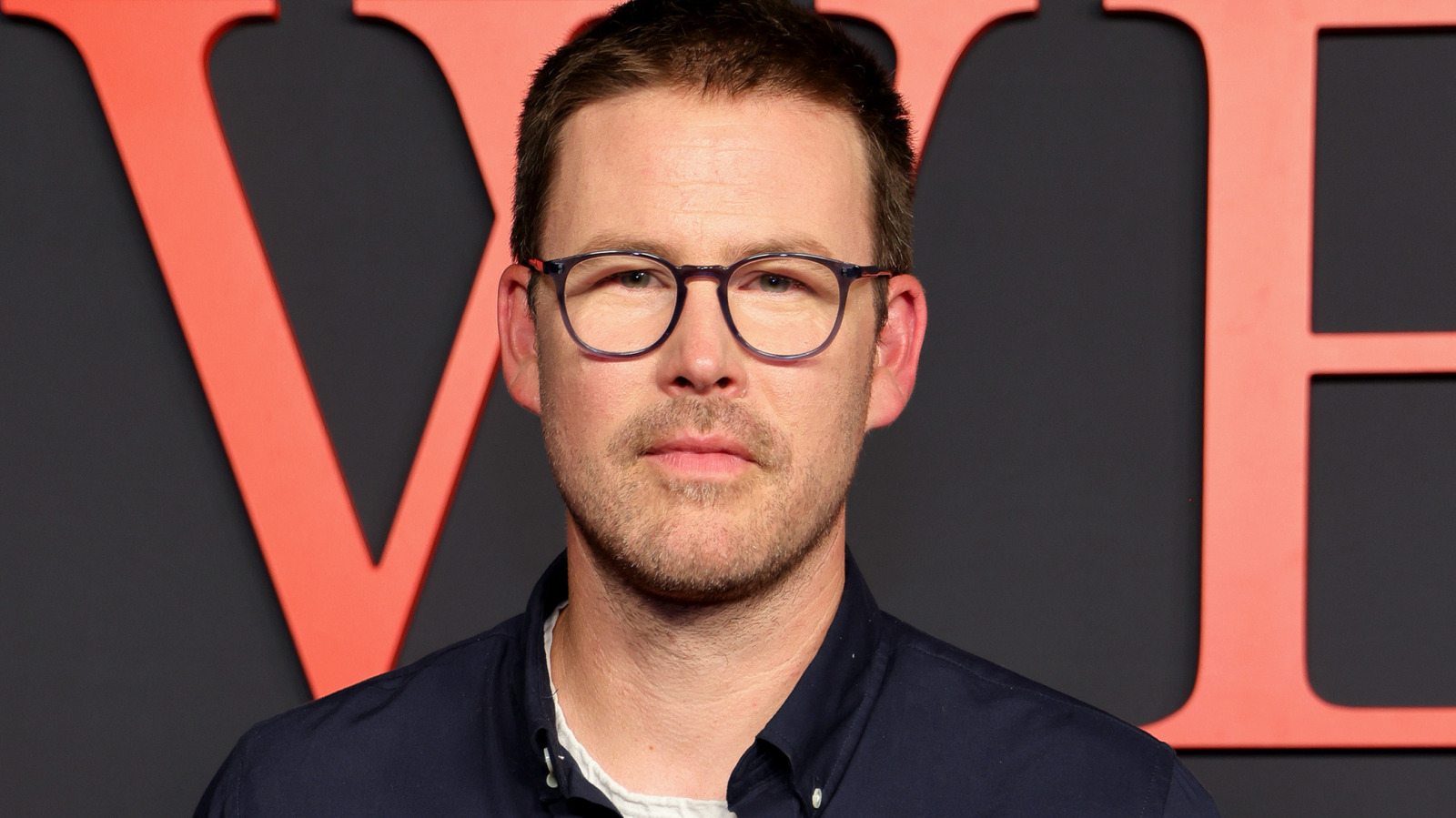
1. Resident Evil (2026)
While ranking a film as "last" in a director’s filmography is rarely an indicator of failure, Resident Evil serves as the foundational entry in Cregger’s horror resume. This adaptation of the iconic survival-horror video game franchise strips away the blockbuster spectacle typically associated with the property, opting for a claustrophobic, "lean and mean" approach.
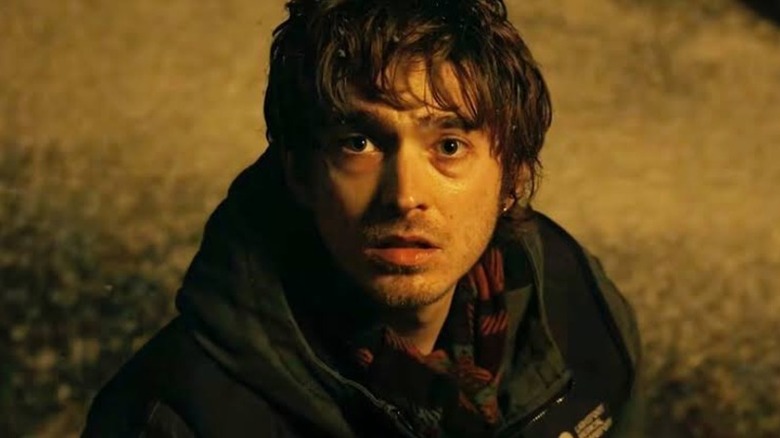
The narrative centers on Bryan (Austin Abrams), a hapless medical courier thrust into the epicenter of a Raccoon City viral outbreak. The film is essentially a one-man survival odyssey. As he navigates frozen farmhouses, subterranean sewers, and blood-soaked hospital wards, Bryan is forced to scavenge for survival in a manner that mirrors the player experience of the source material.
As noted in /Film’s critical coverage, the film succeeds by keeping the stakes intimate. At a brisk 90-minute runtime, the film unfolds in near real-time, focusing on the sheer visceral exhaustion of a protagonist who is decidedly not an action hero. While it lacks the structural complexity of Cregger’s later works, Resident Evil stands as a masterclass in tension-based storytelling.
2. Barbarian (2022)
If Resident Evil proved Cregger could execute a tight genre exercise, Barbarian proved he was a structural provocateur. The film begins with a simple, relatable premise: a woman, Tess (Georgina Campbell), arrives at a Detroit Airbnb to find it double-booked by a stranger, Keith (Bill Skarsgård).
The brilliance of Barbarian lies in its subversion of audience expectations. By casting Skarsgård—forever linked to the predatory Pennywise—Cregger weaponizes the audience’s own biases. The viewer is primed to expect a stalker-thriller, only for the narrative to pull the rug out from under them in a shocking, genre-defying twist.
Beyond the scares, Barbarian functions as a biting social commentary. The introduction of AJ (Justin Long), a "canceled" actor who serves as a secondary, despicable protagonist, creates a dual-POV structure that explores the everyday survival mode women must inhabit in a world filled with potential male threats. It is a film that demands to be watched with no prior knowledge, serving as a landmark in modern "elevated horror."
3. Weapons (2026)
Cregger’s most recent effort, Weapons, represents his magnum opus to date. Expanding his scope from individual survival to community-wide trauma, the film begins with the inexplicable disappearance of an entire grade school class in a small Pennsylvania town.
The film utilizes a sophisticated, chapter-based narrative structure, weaving together the lives of disparate characters—including a teacher (Julia Garner) and a dogged, desperate father (Josh Brolin). Cregger has openly cited Paul Thomas Anderson’s Magnolia as a primary inspiration, aiming to capture that sprawling, Altman-esque ensemble energy.
However, Weapons differentiates itself through its supernatural audacity. The performance of Amy Madigan as "Aunt Gladys" has already become legendary, resulting in an Academy Award win for Best Supporting Actress—a rarity for a performance in a horror film. Madigan’s transformation is the heart of the film’s narrative engine, anchoring a complex, puzzle-box plot that refuses to provide easy answers.
Supporting Data and The "Peele" Comparison
Cregger’s rise to prominence invites inevitable comparisons to Jordan Peele. Much like the Key & Peele star, Cregger has leveraged his background in sketch comedy to understand the psychology of an audience. When a filmmaker knows how to prime an audience for a joke, they inherently know how to subvert that expectation to create a "jump scare" or a moment of existential dread.
The commercial and critical data for Cregger’s horror projects shows a steady upward trajectory in both budget and critical reception. While Resident Evil served as a lean, efficient proof-of-concept, Weapons has garnered significant awards-season attention. This trajectory mirrors the transition from "genre filmmaker" to "auteur," with critics noting that Cregger’s films are now being studied for their mise-en-scène and thematic density rather than just their "scare factor."
Implications for the Horror Genre
What does Cregger’s success mean for the future of horror? The implication is that the genre is moving away from the "scream-fest" tropes of the 1990s and early 2000s toward a more intellectual, character-driven format. By producing films like the sci-fi satire Companion, Cregger is also signaling his interest in shaping the broader industry, not just his own directorial output.
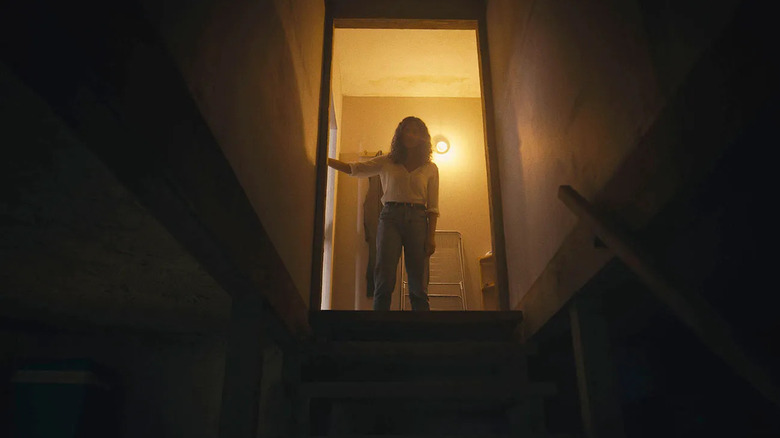
His willingness to tackle complex social issues—such as the predatory nature of the "everyman" in Barbarian or the communal grief and secrets in Weapons—suggests that horror will remain the primary vehicle for contemporary social commentary in the coming decade.
Conclusion: A New Master of Suspense
Zach Cregger has successfully bridged the gap between the chaotic, irreverent energy of his youth and the disciplined, high-stakes world of contemporary horror. His three-film run is a testament to the idea that horror is not merely a collection of tropes, but a sophisticated language.
Whether he is trapping his audience in a claustrophobic basement in Detroit or examining the moral rot of a small town in Pennsylvania, Cregger is proving that he has a profound understanding of what keeps us up at night. As he moves forward, the industry waits with bated breath to see if his next project will further cement his status as the defining voice of the next generation of cinematic horror. For now, we have a trilogy that challenges, disturbs, and—in true Cregger fashion—occasionally makes us laugh, just before the scream.
