
Eternal Thirst: How the Vampire Film Legacy Continues to Shape Cinema
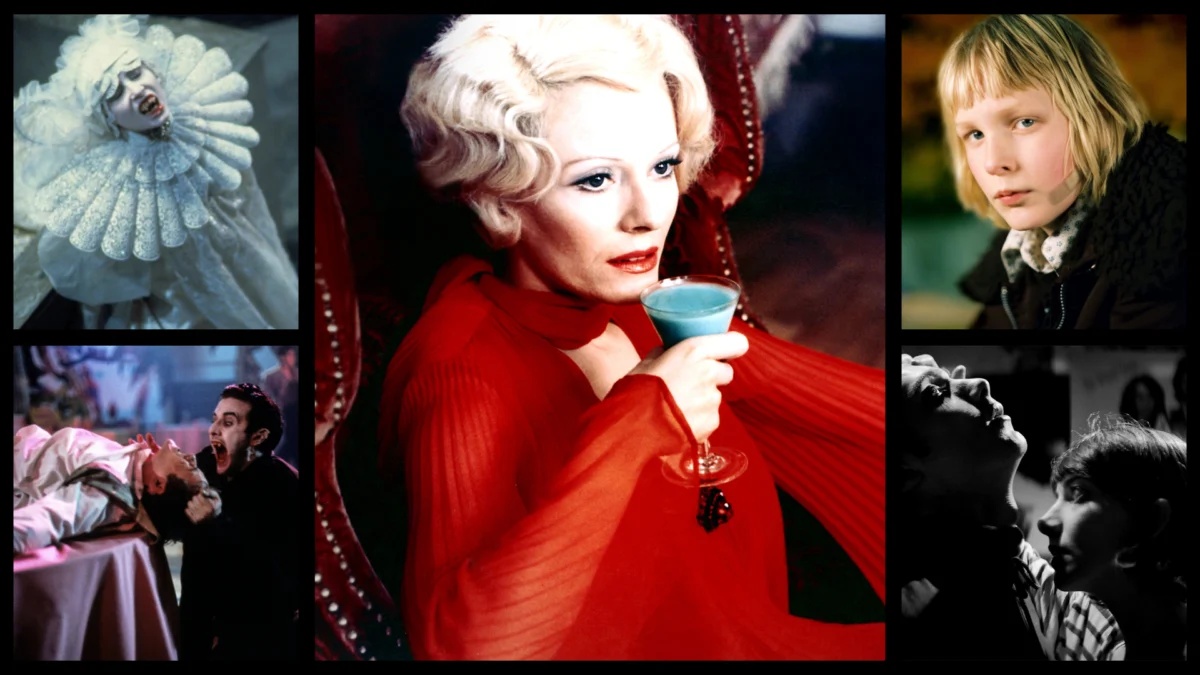
Main Facts: The Enduring Appeal of Cinematic Bloodsuckers
While ghosts haunt our screens with spectral frequency and zombies occasionally rise to dominate the pop-culture landscape, no classic horror monster holds a claim to cinema history quite like the vampire. Nearly as old as the medium itself, the vampire genre has evolved from silent-era German expressionism into a global cinematic phenomenon that defies easy categorization.

From F.W. Murnau’s unauthorized 1922 adaptation of Dracula, titled Nosferatu, to modern genre-subverting indies, the cinematic vampire has proven to be a remarkably flexible metaphor. Filmmakers across generations, cultures, and genres have used the creature of the night to explore themes of sexuality, addiction, class, isolation, and mortality.

As the horror genre continually reinvents itself, critical authorities like IndieWire routinely revisit the vampire canon. In celebration of the 2024 Halloween season, critics and editors refreshed their comprehensive ranking of the greatest vampire films ever made. Spanning 24 essential features, the curated list highlights a century of cinematic bloodletting, balancing Hollywood blockbusters, campy comedies, gory fright-fests, and introspective arthouse masterpieces.

Yet, the timing of this critical retrospective is hardly accidental. After a relatively quiet year for high-art horror—highlighted primarily by the fun, albeit ultra-silly Universal release Abigail—cinephiles are bracing themselves for a major revitalization of the genre. This December, Focus Features is slated to release visionary director Robert Eggers’ highly anticipated reimagining of Nosferatu, promising a chilling conclusion to the year in cinema.

Chronology: A Century of Shadows on the Silver Screen
To understand the weight of upcoming projects like Eggers’ Nosferatu, one must trace the blood-soaked lineage of the vampire film across distinct historical eras.

The Silent Dawn and Universal Monsters (1922–1950s)
The cinematic vampire was born in the shadows of post-World War I Germany. F.W. Murnau’s Nosferatu (1922) introduced Max Schreck as the haunting, rat-like Count Orlok—a copyright-infringing yet brilliant adaptation of Bram Stoker’s 1897 novel. Though legal battles nearly destroyed the film, surviving prints ensured its immortality.

A decade later, Hollywood claimed the mythos. Universal Studios released Tod Browning’s Dracula (1931), starring Bela Lugosi. Lugosi’s iconic Hungarian accent, slicked-back hair, and formal cape established the definitive cinematic archetype of the suave, aristocratic monster. Universal’s monster-rally sequels cemented the creature in the American public consciousness, bridging the gap between gothic literature and mass entertainment.

The Technicolor Gore and Hammer Horror (1950s–1970s)
As audiences grew tired of polite monsters, British studio Hammer Film Productions injected visceral color, heightened sexuality, and explicit violence into the genre. Christopher Lee’s towering, fang-baring performance in Horror of Dracula (1958) redefined the count as a predatory, animalistic force of nature.

Concurrently, European art-house and exploitation cinema began exploring darker subtexts. Harry Kümel’s Daughters of Darkness (1971) introduced a decadent, lesbian-coded vampire narrative, blending high fashion, psychological dread, and atmospheric European locations that would heavily influence subsequent generations.

Post-Modern Romanticism and Global Auteurs (1980s–2010s)
By the late 20th century, the genre split into divergent paths. On one hand, Francis Ford Coppola’s lavish Bram Stoker’s Dracula (1992) offered a tragic, romanticized opera of eternal love and damnation, featuring Gary Oldman in a tour-de-force performance. On the other hand, indie cinema and international markets pushed boundaries.

Global auteurs soon put their distinctive stamps on the folklore. South Korean master Park Chan-wook delivered Thirst (2009), a deeply erotic, morally complex tale of a Catholic priest transformed into a vampire, wrestling with his faith and carnal urges. In 2014, Iranian-American director Ana Lily Amirpour introduced A Girl Walks Home Alone at Night, a striking indie feminist Western-horror hybrid set in a fictional Iranian ghost town. That same year, Taika Waititi and Jemaine Clement popularized the mockumentary format with What We Do in the Shadows, proving that eternal undeath could be profoundly hilarious.

Supporting Data: Mapping the IndieWire Vampire Canon
IndieWire’s updated definitive ranking of the top 24 vampire movies of all time illustrates the staggering breadth of the genre. Editorial contributions from prominent critics—including Chris O’Falt, Ryan Lattanzio, Jude Dry, Tambay Obenson, Christian Blauvelt, Eric Kohn, and Zack Sharf—demonstrate how wide the critical consensus spans.

Key categories represented in the comprehensive canon include:

- The Art-House & Philosophical: Films that use vampirism as an allegory for depression, existential decay, and modern alienation (e.g., Let the Right One In, Only Lovers Left Alive).
- The Erotic & Transgressive: Features that weaponize the inherent sensuality of the bite, exploring taboo desires and queer identity (e.g., The Hunger, Daughters of Darkness).
- The Blockbuster Spectacle: High-budget studio endeavors that prioritize grand production design, sweeping melodrama, and iconic creature makeup (e.g., Bram Stoker’s Dracula, Interview with the Vampire).
- The Comedic & Subversive: Projects that inject humor, absurdity, or metatextual commentary into tired tropes (e.g., What We Do in the Shadows, From Dusk Till Dawn).
This diverse cross-section proves that the vampire is not bound by a single narrative template. Instead, it serves as a cinematic vessel capable of holding whatever cultural anxieties a given era wishes to pour into it.

Official Responses and Industry Anticipation
The anticipation surrounding Robert Eggers’ upcoming Nosferatu remake highlights the high stakes of adapting foundational horror texts in the modern era. Focus Features, which has slated the film’s theatrical release for Christmas Day 2024, is positioning the project as both a prestige awards-season contender and a definitive horror event.

Eggers, known for his fastidious historical research and atmospheric dread (The Witch, The Lighthouse, The Northman), has repeatedly expressed a lifelong obsession with Murnau’s original silent masterpiece. In early press statements and industry panels, producers have emphasized the film’s commitment to practical effects, period-accurate set designs, and a uniquely chilling tone.

The star-studded cast further underscores the project’s prestige. Bill Skarsgård—who previously terrified global audiences as Pennywise in It—takes on the mantle of the grotesque and devious Count Orlok. Skarsgård is joined by Nicholas Hoult, Lily-Rose Depp, Aaron Taylor-Johnson, Emma Corrin, and frequent Eggers collaborator Willem Dafoe.

Industry analysts note that Nosferatu arrives at an opportune moment. While cinematic universes and franchise fatigue have dominated box offices, audiences have shown an increasing appetite for director-driven, visually distinct horror features. Focus Features is banking on Eggers’ distinct aesthetic to draw both prestige-film enthusiasts and traditional horror fans into theaters during the competitive holiday window.

Implications: What the Vampire’s Endurance Tells Us About Modern Horror
The persistent return to the vampire mythos in contemporary cinema offers profound insights into our cultural psyche. Unlike zombies, which represent mindless conformity and systemic collapse, or slashers, which embody the primal fear of random violence, the vampire is defined by intimacy, seduction, and consent.

Vampires invite us in. They live among us, hiding in plain sight within the upper echelons of society. In an era marked by economic disparity, social isolation, and rapid technological alienation, the vampire’s eternal hunger mirrors our own modern consumption—whether of digital media, youth culture, or resources.

Furthermore, the willingness of filmmakers to continuously deconstruct and rebuild the vampire myth demonstrates the health of the horror genre at large. As critics and streaming platforms continue to curate lists celebrating the genre’s history, audiences are reminded that horror is not merely a vehicle for cheap jump scares, but a rich, responsive artistic medium.

As we look toward the close of 2024—marked by retrospectives of past classics and the imminent arrival of Robert Eggers’ Nosferatu—it is clear that the creatures of the night are in safe hands. The cinematic vampire has survived a century of reinvention, and if its enduring legacy is any indication, it will continue to haunt, seduce, and fascinate audiences for centuries to come.
