
The Evolution of 007: How Quentin Tarantino’s Reassessment of From Russia with Love Highlights the Enduring Legacy of the James Bond Franchise
October 10, 2026 — Few cinematic properties hold the cultural weight, historical longevity, and commercial resilience of the James Bond franchise. Spanning more than six decades, Ian Fleming’s suave British secret agent has transitioned from a Cold War spy fantasy into a global multi-billion-dollar enterprise. Yet, even as the franchise prepares for its next major evolutionary leap under the creative guidance of acclaimed filmmaker Denis Villeneuve, a recent retrospective look from director Quentin Tarantino has thrust the foundational roots of the series back into the spotlight.
Tarantino’s evolving relationship with 1963’s From Russia with Love, coupled with his historical ambitions to helm a gritty adaptation of Casino Royale, underscores the enduring tension between auteur storytelling and studio-driven institutional control. As classic Bond films return to streaming platforms like Prime Video and the hunt for the next actor to don the tuxedo intensifies, the franchise finds itself at a fascinating crossroads between its storied past and its unwritten future.
Main Facts: The Intersection of Auteur Ambition and Franchise Guardianship
The discourse surrounding the James Bond intellectual property has long been defined by a paradox: while the series relies on a rigid formula—signature gadgets, martinis shaken not stirred, iconic villains, and high-stakes espionage—it continuously survives by reinventing its tone through different lead actors and directors.
Recently, acclaimed filmmaker Quentin Tarantino revealed in his non-fiction book Cinema Speculation that his perception of the franchise’s early years shifted dramatically over time. Tarantino famously admitted that upon first viewing From Russia with Love, the second installment in the storied cinematic canon, he found it "dull as hell." It took years of mature cinematic appreciation for the Pulp Fiction and Once Upon a Time in Hollywood director to reevaluate the picture. Today, he ranks it as his favorite James Bond film, noting that his true entry point into fandom occurred with the franchise’s third installment, Goldfinger.
Tarantino’s fascination with 007 extended far beyond mere spectatorship. Years prior, the director aggressively pursued the film rights to Ian Fleming’s debut 1962 novel, Casino Royale. Tarantino’s vision was distinct: a black-and-white period piece set in the exact era the book was written, starring Pierce Brosnan—whom Tarantino regards as his favorite cinematic Bond.
However, the production apparatus historically controlled by Eon Productions—and now co-managed alongside Amazon MGM Studios—traditionally declines to grant any single filmmaker broad creative control or final-cut privileges. This strict gatekeeping has not only blocked Tarantino but has shaped the trajectory of other high-profile directors. Most notably, Christopher Nolan reportedly declined an opportunity to reboot the series because Amazon MGM Studios would not grant him final cut privileges.
Chronology: From Cold War Origins to the Modern Streaming Era
To understand the weight of Tarantino’s reassessment, one must trace the historical timeline of the cinematic franchise, which laid the bedrock for modern spy thrillers.
- 1952: Ian Fleming writes the first James Bond novel, Casino Royale, at his Goldeneye estate in Jamaica.
- October 5, 1962: Dr. No, directed by Terence Young and starring Sean Connery as agent 007, premieres in UK cinemas, officially launching the cinematic franchise.
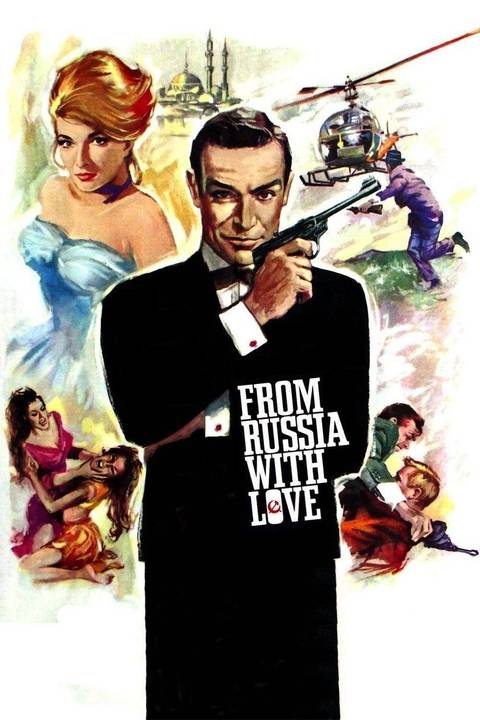
- October 10, 1963: From Russia with Love is released, directed once again by Terence Young and co-written by Richard Maibaum and Ian Fleming. It cements the Cold War aesthetic of the early series.
- 1964: Goldfinger hits theaters, introducing the blockbuster template of gadgets, gold-painted villains, and global threat levels that solidified worldwide fandom, including a young Quentin Tarantino.
- 1995–2002: Pierce Brosnan leads the franchise through the post-Cold War era with films like GoldenEye, earning critical acclaim as the quintessential balanced Bond.
- 2006: Eon Productions finally adapts Casino Royale starring Daniel Craig, shifting the franchise toward a serialized, grounded, and emotionally vulnerable psychological thriller.
- Present Day (2026): Classic titles like From Russia with Love find new life on streaming platforms like Prime Video, while the franchise prepares for a massive transition under the stewardship of director Denis Villeneuve.
Supporting Data: Box Office, Critical Reception, and Production Metrics
The financial and critical pedigree of the early James Bond films remains staggering when viewed through a historical lens. From Russia with Love stands as a masterclass in early-1960s filmmaking efficiency and return on investment.

| Metric | From Russia with Love (1963) Statistics |
|---|---|
| Release Date | October 10, 1963 |
| Director | Terence Young |
| Writers | Richard Maibaum, Ian Fleming |
| Producers | Albert R. Broccoli, Harry Saltzman |
| Production Budget | Approximately $2 million |
| Worldwide Box Office | Nearly $80 million |
| Runtime | 115 minutes |
| Rotten Tomatoes Score | 97% ("Certified Fresh") |
Review aggregator Rotten Tomatoes captures the critical consensus of the film: "The second James Bond film, From Russia with Love is a razor-sharp, briskly-paced Cold War thriller that features several electrifying action scenes."
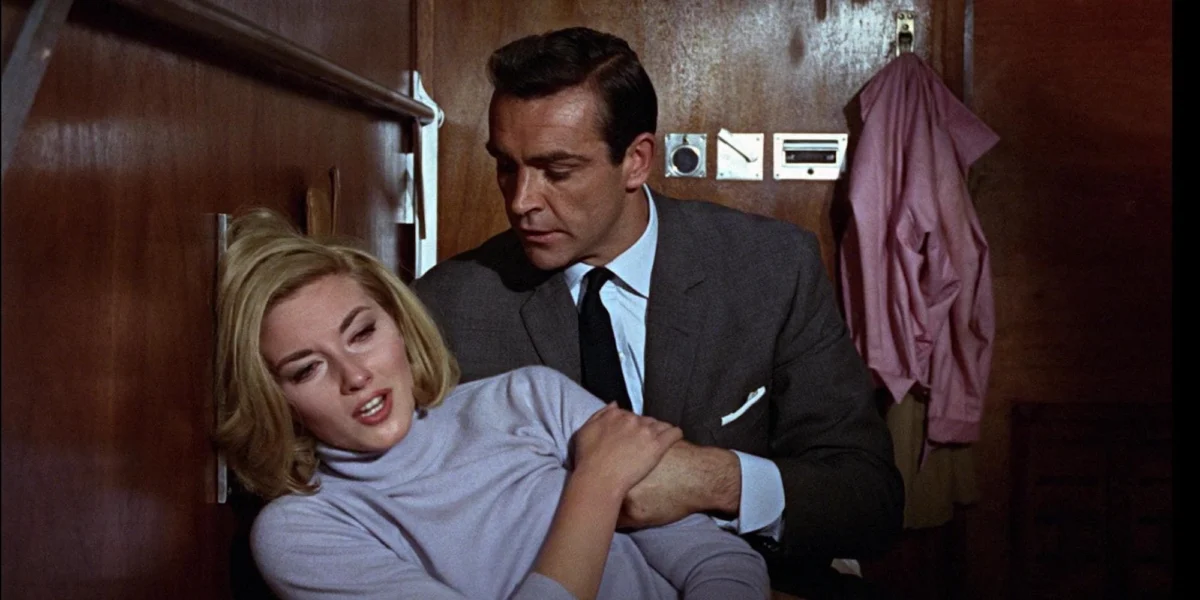
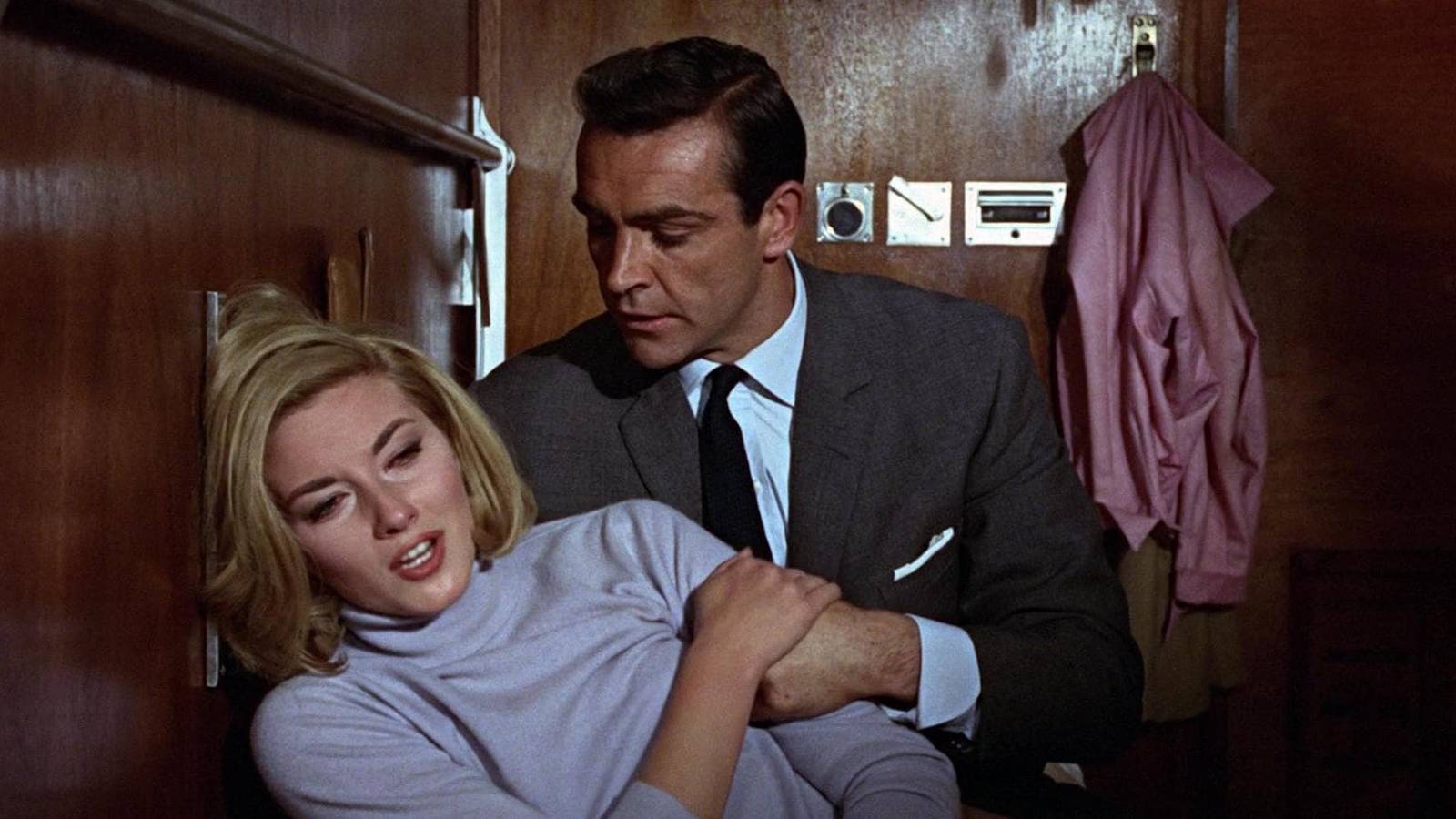
Unlike modern blockbusters burdened by bloated budgets exceeding $200–$300 million, the early Connery era operated with lean, practical ingenuity. The film traded globe-spanning science-fiction lairs for claustrophobic train compartments, tense chess matches, and gritty hand-to-hand combat inside the Orient Express—elements that ultimately won over skeptics like Tarantino.
Official Responses and Industry Implications
The governance of the James Bond intellectual property has always been tightly controlled. Unlike comic book universes managed by Disney or Warner Bros., where directors are often treated as interchangeable visionaries working under studio mandates, the Bond franchise maintains an almost family-office style of guardianship pioneered by Albert "Cubby" Broccoli and carried forward by Barbara Broccoli and Michael G. Wilson.
When tech giant Amazon acquired MGM for $8.45 billion, industry analysts wondered if the corporate behemoth would pressure Eon Productions into loosening its editorial grip. Reports surrounding Christopher Nolan’s aborted talks to direct a Bond film proved that Eon’s traditional boundaries remain intact. Amazon MGM Studios’ refusal to grant final cut privileges signals that the studio and the Broccoli family prioritize brand continuity and franchise formula over auteur-driven divergences.
However, the modern media landscape demands adaptation. The recent availability of From Russia with Love and other legacy titles on Prime Video reflects a strategic effort to cultivate multi-generational fandom. By keeping the archives accessible while simultaneously developing a high-profile reboot spearheaded by visionary director Denis Villeneuve, Amazon MGM Studios is bridging the gap between historical prestige and modern streaming consumption.
Implications: The Future of 007 Under Denis Villeneuve
As the franchise looks toward the horizon, the lessons of the past remain profoundly relevant. Tarantino’s late-in-life embrace of From Russia with Love highlights why the character has endured for over six decades: beneath the high-end tailoring, luxury cars, and exotic locales, the core of James Bond relies on sharp writing, grounded tension, and formidable adversaries.
With Denis Villeneuve—celebrated for his meticulous world-building in Arrival, Blade Runner 2049, and the Dune saga—now taking the creative reins, the franchise faces an exciting new chapter. The ongoing casting shortlist for the next actor to carry the 007 mantle suggests that the studio is searching for a performer who can balance classic British poise with modern psychological depth.
Whether the upcoming iteration will lean closer to the gritty realism of Daniel Craig’s tenure or capture the crisp, espionage-heavy pacing of Terence Young’s early masterpieces remains to be seen. What is certain, however, is that as long as filmmakers of Tarantino and Villeneuve’s caliber continue to dissect, respect, and challenge the cinematic blueprint laid down in 1962 and 1963, James Bond will remain the gold standard of cinematic espionage.
