
Beyond the Camcorder: Why ‘Teenage Wasteland’ Is the Must-Watch Documentary of the Year
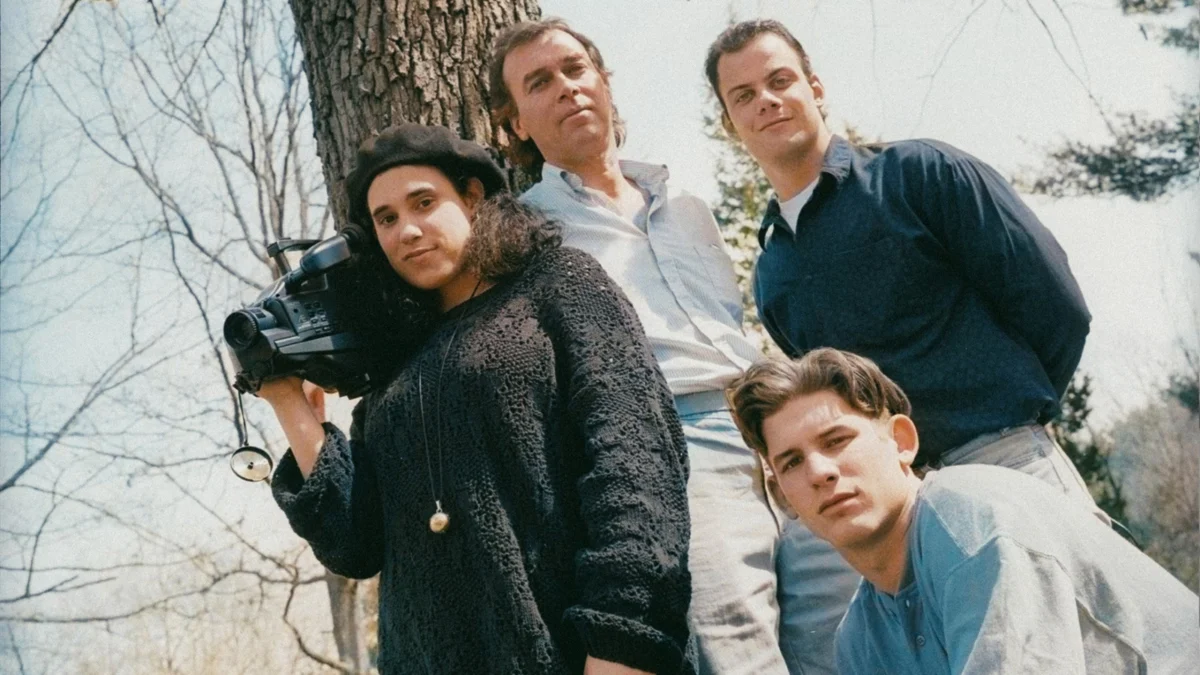
In an era where digital archives are curated, filtered, and algorithmically optimized, there is a growing, insatiable hunger for the raw, unpolished authenticity of the pre-smartphone age. We see it in the viral popularity of "found footage" aesthetics on TikTok and the obsessive YouTube deep-dives into 1990s home movies. It is a collective attempt to reclaim a time when teenagers existed without the constant surveillance of social media.
This cultural fascination finds its ultimate expression in Teenage Wasteland, a new documentary from acclaimed filmmakers Amanda McBain and Jesse Moss. Now streaming on Netflix, the film serves as both a love letter to the analog past and a harrowing, high-stakes conspiracy thriller. Having premiered to significant acclaim at the 2025 Sundance Film Festival—where it was initially titled Middletown—the documentary has finally arrived on the global stage, offering viewers a profound meditation on civic duty, youth empowerment, and the dark secrets that hide in plain sight.
The Core Narrative: From Classroom Project to Investigative Thriller
The premise of Teenage Wasteland is deceptively simple, echoing the kind of "teacher-inspires-student" tropes found in films like Dead Poets Society or Freedom Writers. In the 1990s, a high school teacher in Middletown, New York, becomes concerned about his community. A close friend, living in the shadow of the local town dump, begins to report strange health issues and witnesses disturbing, clandestine activities taking place on the property.
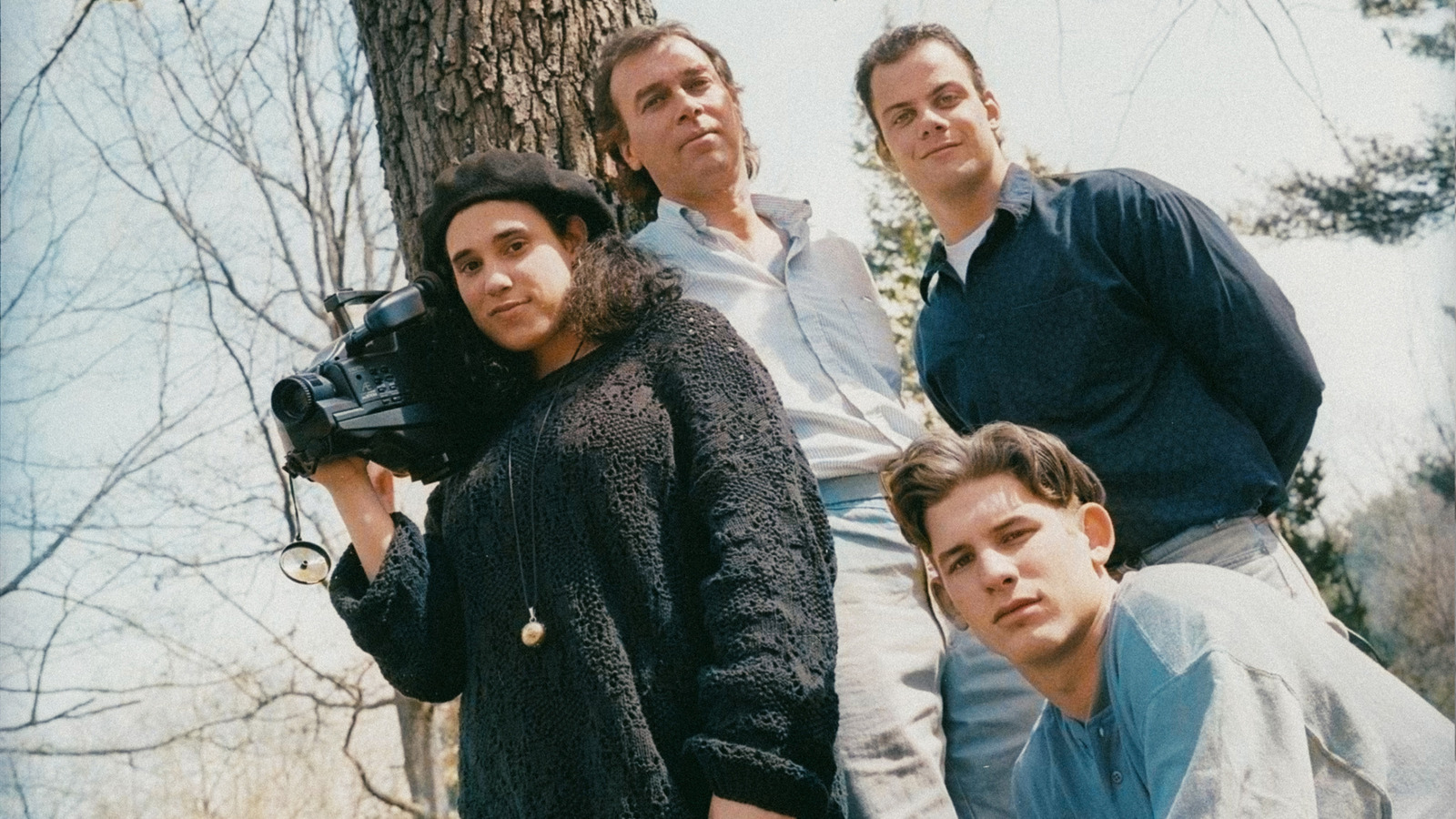
Rather than dismissing these concerns or handling them through traditional channels, the teacher encourages his students to take action. He turns the classroom into a field office for investigative journalism. Armed with clunky 90s camcorders, these teenagers begin to document the environmental and corporate malpractice occurring in their own backyard. What begins as an educational exercise in civic engagement quickly spirals into a full-blown conspiracy thriller. The students find themselves uncovering truths that powerful forces are desperate to keep buried, turning their school project into a race for the truth.
A Chronological Deep-Dive: A Tale of Two Eras
The structure of Teenage Wasteland is what sets it apart from typical true-crime fare. The narrative operates on a dual-timeline structure, creating a fascinating contrast between the past and the present.
The 1990s: The Analog Investigation
The heart of the film lies in the original, grainy footage captured by the students themselves. This is the "nostalgia" element that has captivated early viewers. The footage captures the distinct aesthetic of the decade—the oversized flannels, the dial-up era skepticism, and the specific rhythm of a generation that grew up just before the internet fully colonized the teenage experience. The footage is raw and immediate; it allows the audience to witness the students’ transition from wide-eyed kids to whistleblowers.
The 2025 Retrospective: The Long Shadow of History
Intercut with this archival gold are contemporary interviews. McBain and Moss reunite the former students with their teacher decades later. This is where the film achieves its emotional weight. Seeing these now-adults grapple with the consequences of their youthful activism provides a haunting lens on how one formative experience can shape the trajectory of a human life. The juxtaposition of their younger, idealistic selves against their older, more world-weary personas creates a narrative tension that feels both tragic and deeply human.
Supporting Data: Why This Documentary Matters
While Netflix has built a global juggernaut on the back of true-crime content—much of which is criticized for being sensationalist or exploitative—Teenage Wasteland stands in stark contrast to the streamer’s typical output.
Data from the 2025 Sundance debut suggests that audiences are increasingly seeking "pro-social" documentaries that provide more than just a shocking headline. In an industry flooded with "tabloid docs," Teenage Wasteland has been praised for its ethical grounding. The filmmakers navigate the complex power dynamics of the story with nuance, ensuring the focus remains on the subjects’ growth rather than the exploitation of the victims of the local conspiracy.
Furthermore, the film’s success highlights a broader trend: the "docu-thriller." By utilizing the pacing of a narrative feature, McBain and Moss manage to keep the viewer engaged in the technicalities of environmental litigation and corporate malpractice without sacrificing the emotional core of the students’ journey.
Official Perspectives and Critical Reception
The filmmaking team, Amanda McBain and Jesse Moss, are no strangers to high-stakes storytelling. Their previous work, Boys State, which took home the Grand Jury Prize at Sundance in 2020, proved their ability to capture the complexities of American youth.
Critics have noted that Teenage Wasteland represents a maturation of their style. Where Boys State examined the mechanics of political maneuvering, Teenage Wasteland examines the mechanics of moral courage.
"It’s not just about what they found at the dump," says a source close to the production. "It’s about the fact that they were allowed to look. It’s a film about how we raise children to be citizens. Do we raise them to be complicit, or do we raise them to be auditors of the system?"
The Deeper Implications: A Call for Civic Courage
Perhaps the most resonant aspect of Teenage Wasteland is its underlying political message. The film posits a provocative question: What does it mean to act like you live in a democracy when you suspect the one you occupy is failing?
In the current climate, where corporate power frequently operates behind a veil of bureaucracy and local governments often prioritize tax revenue over public health, the story of the Middletown students feels incredibly timely. The documentary argues that "civic courage" is not just about voting; it is about the willingness to hold authority accountable, even when you are just a teenager with a camcorder.
The film suggests that the "wasteland" mentioned in the title is not just the physical dump site, but the metaphorical state of civic life in modern America. The students’ journey serves as a blueprint for resistance—an inspiring, if occasionally harrowing, reminder that the most potent form of change often begins with an uncomfortable question asked by someone who doesn’t know any better than to demand an answer.
Why You Should Watch
Teenage Wasteland is a rare achievement in the documentary space. It satisfies the cravings of those looking for 90s-era aesthetic immersion, while simultaneously delivering a gripping, investigative narrative that rewards the viewer’s attention.
It avoids the pitfalls of moralizing, instead letting the bravery of the students speak for itself. It is a story about the intersection of innocence and the harsh realities of the adult world. Whether you are a fan of investigative journalism, a lover of 90s culture, or simply someone looking for a story that restores a bit of your faith in human agency, Teenage Wasteland is essential viewing.
As the credits roll and the final interviews conclude, you are left with a lingering, powerful thought: if a handful of high school students could challenge the status quo, what excuse do the rest of us have?
Teenage Wasteland is available to stream on Netflix starting today.
