
By the Power of Grayskull: How the New ‘Masters of the Universe’ Reinvents the Transformation Sequence
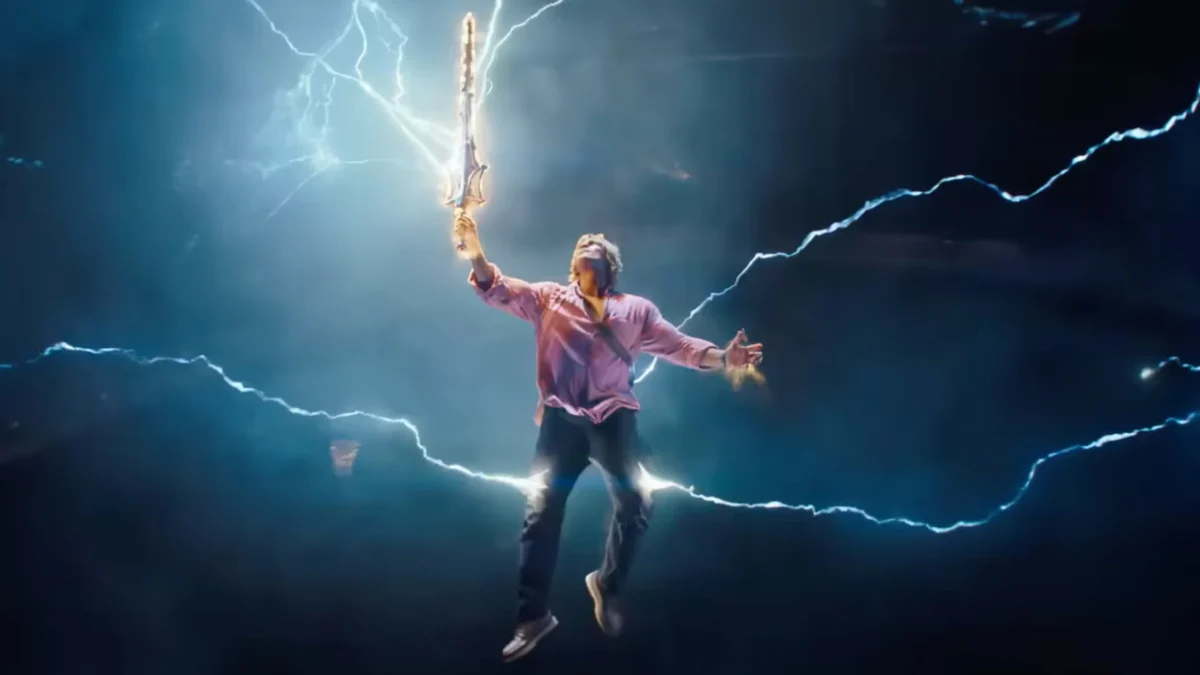
The arrival of Travis Knight’s Masters of the Universe (2026) in theaters marks a significant cultural pivot for the long-dormant franchise. Produced by Amazon MGM Studios, the film arrives with the heavy burden of decades of nostalgia and a complex, often campy, legacy. While critics have noted that the film occasionally leans too heavily into the fast-paced, quip-heavy dialogue synonymous with contemporary superhero blockbusters, it distinguishes itself through an unexpected stylistic choice: the infusion of anime-inspired aesthetics into its core transformation sequence.
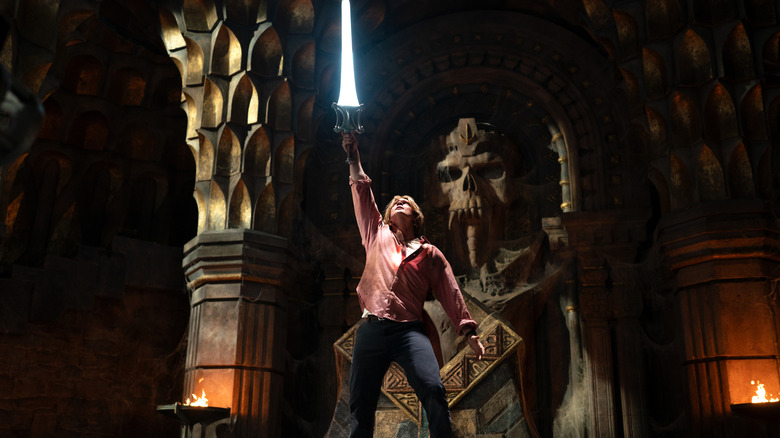
By embracing the inherent absurdity of the source material rather than attempting to "ground" it in gritty realism, the film has managed to capture the imaginations of both longtime fans and a new generation of cinema-goers. At the heart of this success is the transformation of Prince Adam into He-Man—a sequence that owes less to the Western action hero tropes of the 1980s and more to the high-gloss, magical girl tropes of classic Japanese animation.
A Chronology of Power: From Static Cells to Kinetic Anime
To understand why the new film’s approach is so transformative, one must look at the evolution of the Masters of the Universe visual language.
In the 1983 Filmation animated series, Prince Adam’s transformation was a matter of utility and budget. The sequence was iconic for its time, featuring a flash of light and a sudden swap of costumes, but it was fundamentally static. Adam held the sword, spoke his incantation, and the transition occurred instantaneously. There was no sense of kinetic weight or physical process; it was a magical shortcut designed for television syndication.
For decades, live-action attempts to adapt the property struggled with how to translate this "magical switch" without appearing campy or cheap. The 1987 live-action film starring Dolph Lundgren largely sidestepped the transformation altogether, treating the hero as a singular entity.
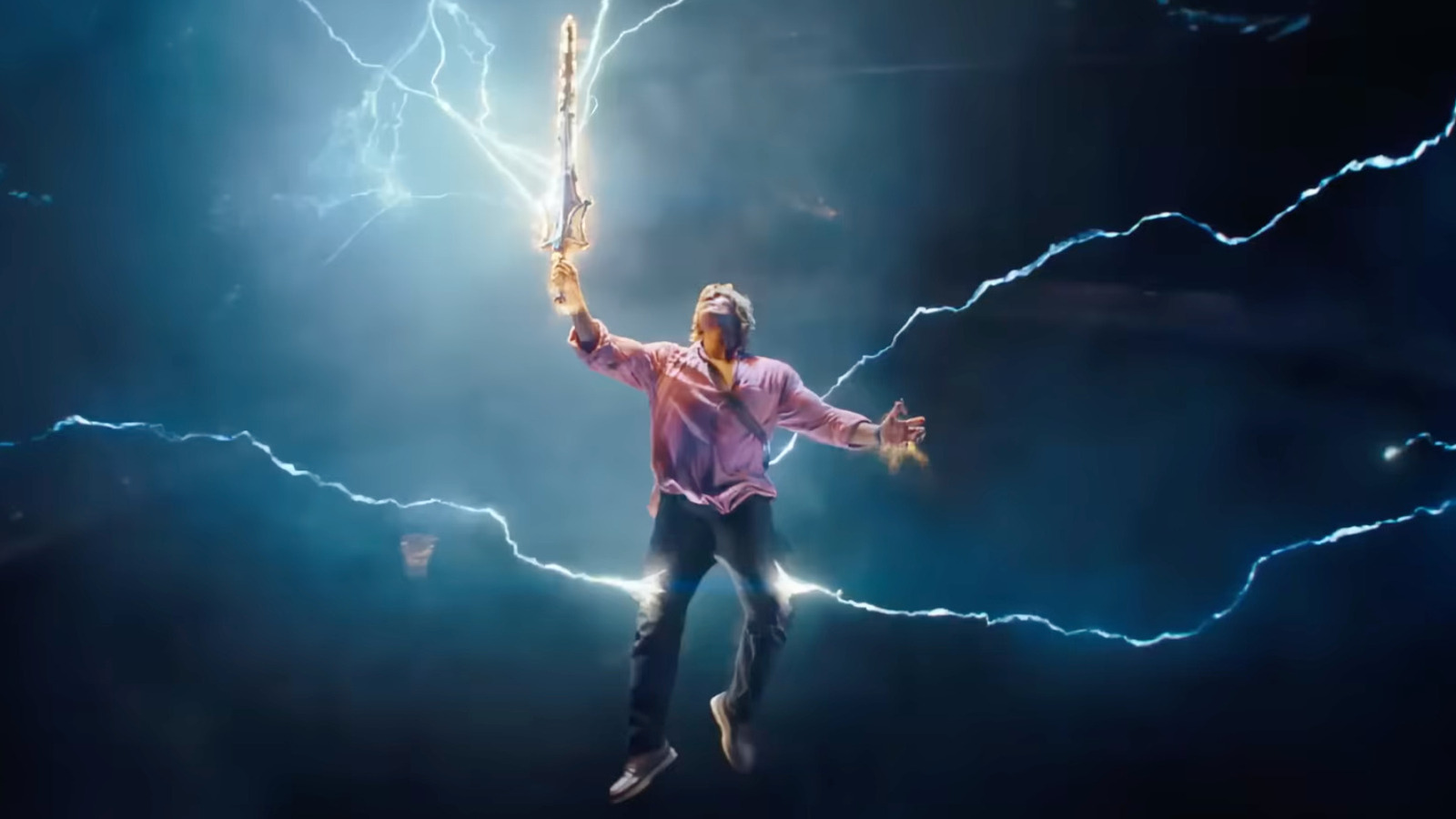
Knight’s 2026 production breaks this tradition. By utilizing high-budget, fluid CGI, the film treats the transformation not as a scene transition, but as a set piece. Drawing on the sensibilities of director Travis Knight—whose background includes leading the stop-motion studio Laika—the film incorporates "speed-ramping" (accelerating and decelerating frame rates) during action sequences. This creates a rhythmic, visceral impact that mirrors the intensity of Dragon Ball Z brawls, elevating the stakes of the combat.
The "Magical Girl" Parallel: Beyond the Muscle
The most profound shift occurs when Prince Adam (Nicholas Galitzine) finds himself protecting his allies—Man-at-Arms (Idris Elba) and Teela (Camila Mendes)—from the cybernetic antagonist Trap Jaw (Sam C. Wilson).
In this sequence, the film adopts the visual vocabulary of the "magical girl" genre—a staple of Japanese animation dating back to 1966’s Sally the Witch. This genre, defined by the "transformation sequence," involves a character undergoing a metamorphosis into a powered alter-ego, often accompanied by elaborate, stylized animation, swirling lights, and a sense of sacred ceremony.
Critics and scholars of animation have long pointed out the structural similarities between Masters of the Universe and magical girl series like Sailor Moon. In both:
- The Secret Identity: The hero often occupies a mundane or "lesser" persona (the clumsy Prince Adam versus the "crybaby" Usagi Tsukino).
- The Activation Phrase: "By the Power of Grayskull" functions identically to "Moon Prism Power, Make Up."
- The Arsenal: Both rely on mystical weaponry that is summoned through the act of transformation.
By leaning into this trope, the 2026 film acknowledges what fans have suspected for years: He-Man has always been a magical girl archetype wrapped in a barbarian’s physique. When the camera circles Prince Adam, capturing the materialization of his armor and the glowing aura that protects his modesty, the film is paying direct homage to decades of anime tradition. It is a bold, aesthetic gamble that turns the transformation into a moment of genuine wonder rather than a mere costume change.
Supporting Data: Why Tone Matters in Modern Adaptations
The success of this stylistic choice is rooted in a broader trend of "nostalgia-plus." Audience analytics from the film’s opening weekend suggest that the demographic crossover is high; viewers who grew up with the 80s cartoon are attending in equal numbers to younger audiences who engage primarily with anime.
According to box office analysts, the film’s willingness to "own" the absurdity of Eternia—a world of talking tigers and skull-faced villains—has prevented the "uncanny valley" effect that ruined previous attempts to make the franchise "cool" for modern audiences. By leaning into the anime aesthetic, the film bypasses the need for gritty, "realistic" explanations. It establishes that in Eternia, physics, magic, and fashion operate on their own internal, highly stylized logic.
Furthermore, the casting of Nicholas Galitzine serves as the anchor for this tone. Galitzine plays the "clumsy loser" persona of Prince Adam with a sincerity that makes his eventual transformation into the hyper-masculine He-Man feel earned. The juxtaposition of his vulnerable humanity and the god-like power he inherits mirrors the transition seen in the most celebrated anime protagonists.
Official Responses and Creative Vision
Travis Knight has been vocal about his desire to treat the source material with respect, albeit a respectful form of reinvention. In various press junkets, the production team has emphasized that the goal was to create a film that felt like a "Saturday morning cartoon brought to life with the budget of an epic fantasy."
While some purists initially feared that the inclusion of "Marvel-esque" humor might dilute the mythos, the inclusion of the anime-inspired transformation has served as a bridge between the old and the new. Industry insiders note that the production design for the transformation sequence was one of the most guarded aspects of the film’s development, reflecting a recognition that if the "power up" didn’t land, the rest of the film would lose its emotional core.
Implications for Future Fantasy Franchises
The success of the Masters of the Universe transformation sequence has significant implications for how studios approach the "reboot" era. For years, the standard playbook for rebooting 80s properties was to "darken" them—draining the color and adding psychological trauma to the characters.
Knight’s film suggests a new path: Stylized Authenticity.
By embracing the "magical girl" roots of the He-Man transformation, the studio has demonstrated that modern audiences are not necessarily looking for "grounded" reality. They are looking for visual spectacle that respects the original intent of the work while upgrading the presentation.
This could herald a wave of similar adaptations where directors stop apologizing for the inherent silliness of their source material and instead lean into the aesthetics—be they anime, comic book, or pulp fiction—that defined the original properties. As the film continues its theatrical run, the "He-Man effect" may well become a case study in how to bridge the gap between generational nostalgia and modern cinematic language.
Ultimately, Masters of the Universe proves that you don’t need to reinvent the wheel to capture an audience. You just need to spin the camera, add a bit of glowing light, and allow your hero to become the person they were always meant to be. Masters of the Universe is currently playing in theaters worldwide, offering a masterclass in how to turn a childhood memory into a contemporary cinematic event.
