
The Enduring Legacy of Wile E. Coyote: Genius, Perseverance, and the Animated Physics of Failure
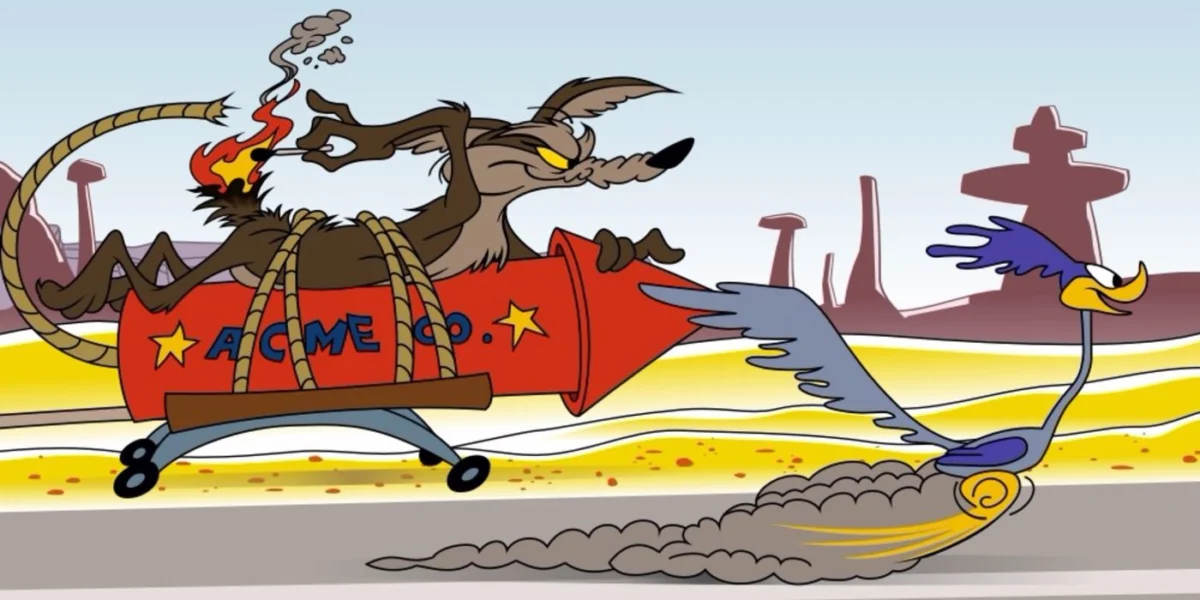
LOS ANGELES — For over three-quarters of a century, the iconic silhouette of a bipedal, chronically famished predator standing atop a precipitous canyon edge has served as a universal symbol of relentless ambition and poetic misfortune. Wile E. Coyote, self-proclaimed "Genius," remains one of the most enduring and psychologically rich creations in the history of animation.
Though his elaborate, Rube Goldberg-esque plots to capture the elusive Road Runner have invariably ended in explosive failure, the character’s legacy extends far beyond Saturday morning slapstick. From his roots in 19th-century American literature to his unexpected influence on modern pop culture, high finance, and music, Wile E. Coyote endures as a complex cultural touchstone.
Main Facts: The Anatomy of a Cartoon Icon
Created by animation visionary Chuck Jones and writer Michael Maltese at the Warner Bros. cartoon studio, Wile E. Coyote and his speedy nemesis, the Road Runner, made their cinematic debut in the 1949 short The Fast and the Furry-ous.
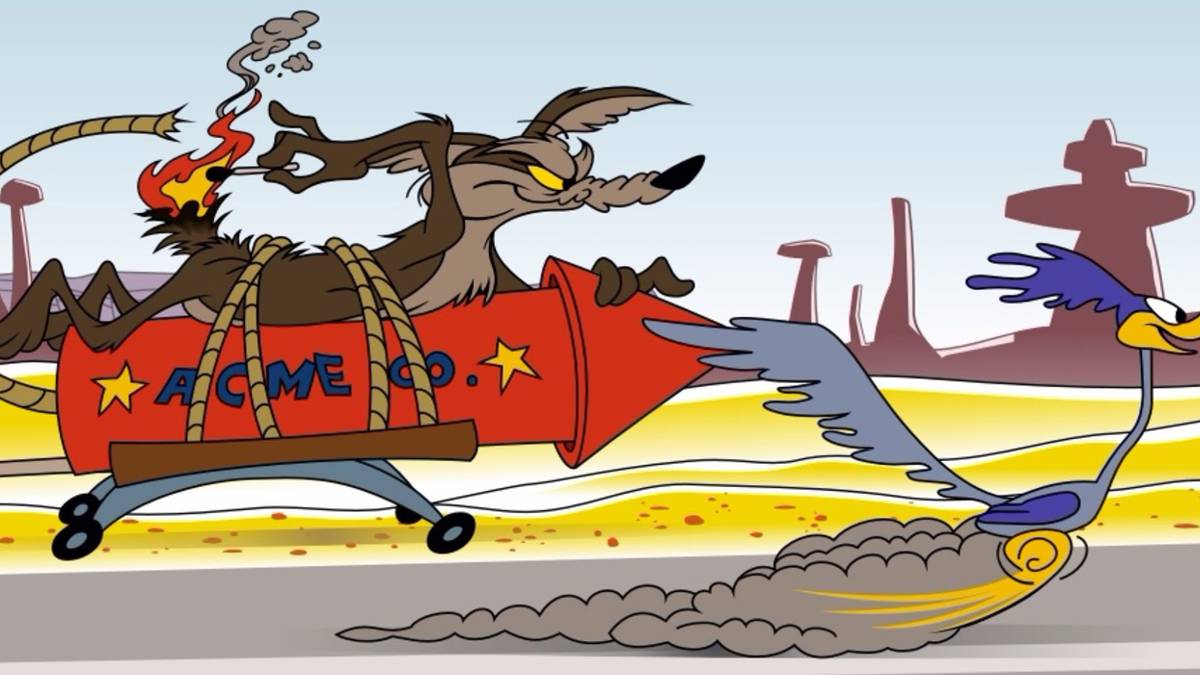
Unlike traditional adversaries in theatrical shorts, the dynamic between the Coyote and the Road Runner was governed by a strict, almost mathematical set of rules established by Jones. The premise was deceptively simple: a starving desert predator utilizes an array of mail-order devices—invariably manufactured by the omnipresent Acme Corporation—in an endless, futile quest to catch a bird whose only vocalization is a taunting "Meep-meep."
Key facts defining the character’s fictional existence include:
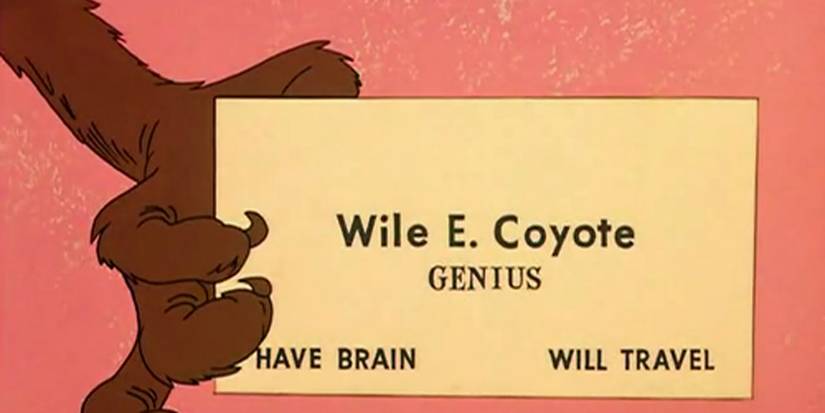
- The Persona: Formally introduced in certain crossover shorts as "Wile E. Coyote, Genius," the character possesses an unyielding intellect that is consistently thwarted by his own convoluted engineering and volatile equipment.
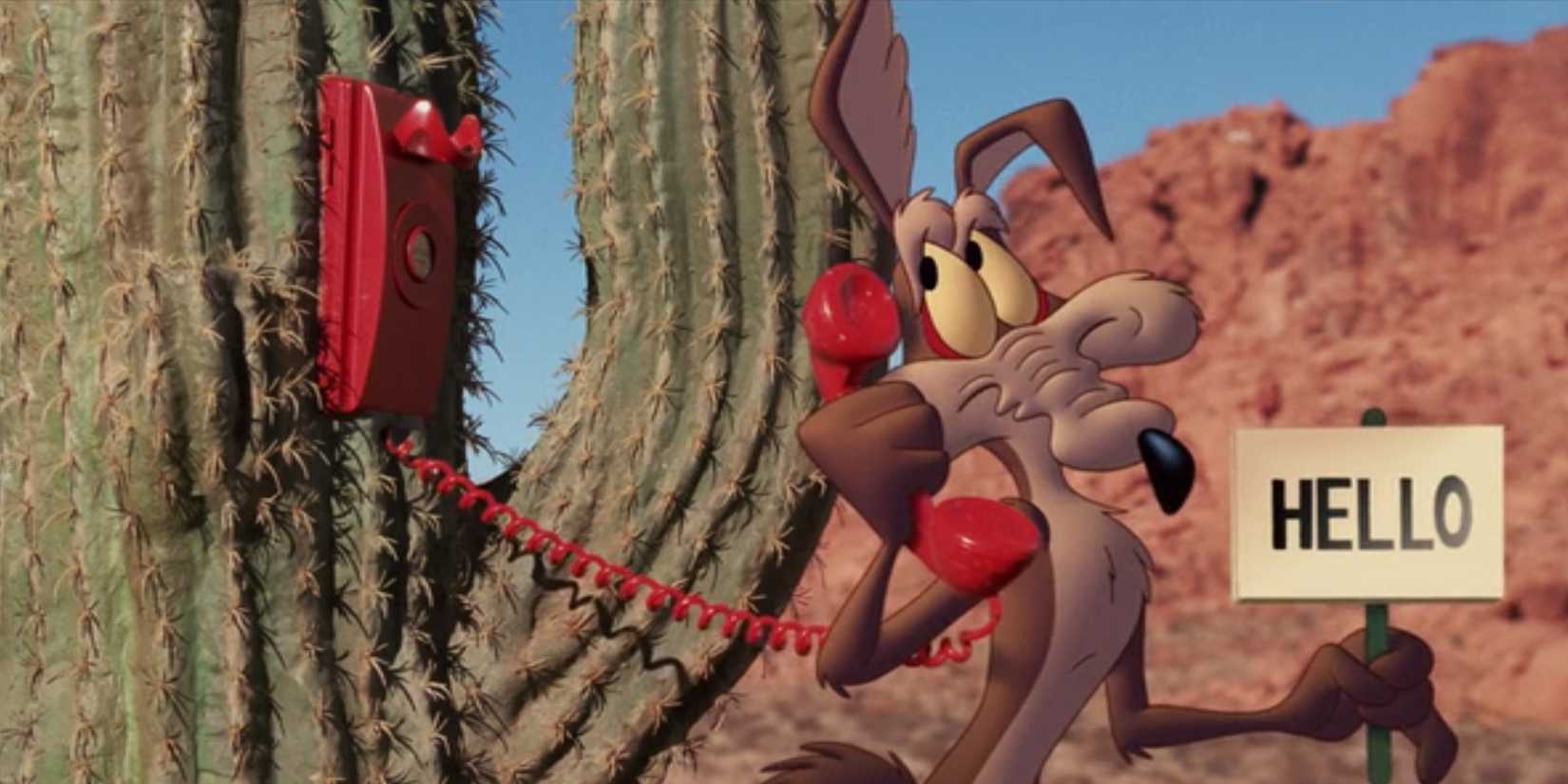
- The Silent Treatment: While famous for his absolute muteness in Road Runner shorts (relying entirely on hand-drawn signs to communicate), the Coyote possessed a sophisticated, pseudo-English speaking voice when verbally antagonizing Bugs Bunny in mid-century crossover shorts.
- The Acme Monopoly: Every tool, weapon, or mechanical convenience deployed by the Coyote stems from the fictional Acme Corporation, a satirical nod to monopolistic commerce and yellow-page advertising.
Chronology: From Twain’s Prose to Modern Crossovers
The genesis of Wile E. Coyote is a fascinating study in cross-medium artistic translation, evolving from American literary realism to the golden age of Hollywood animation and beyond.
- 1872: Author Mark Twain publishes Roughing It, featuring a famous, scathing description of the desert coyote as a "living, breathing allegory of Want," a passage that would permanently imprint on a seven-year-old Chuck Jones.
- 1949: The Fast and the Furry-ous premieres in theaters, introducing audiences to the silent war of attrition in the American Southwest.
- 1952–1963: The Coyote expands his culinary horizons (and breaks his vow of silence) by starring in several theatrical shorts opposite Bugs Bunny, displaying a refined, arrogant persona and a distinct British accent.
- 1953: Director Chuck Jones introduces Ralph Wolf, a near-identical doppelganger of Wile E., who trades desert pursuits for a nine-to-five schedule of attempting to steal sheep from Sam Sheepdog.
- 1988: Wile E. Coyote secures a high-profile cameo in Robert Zemeckis’s groundbreaking live-action/animation hybrid Who Framed Roger Rabbit?.
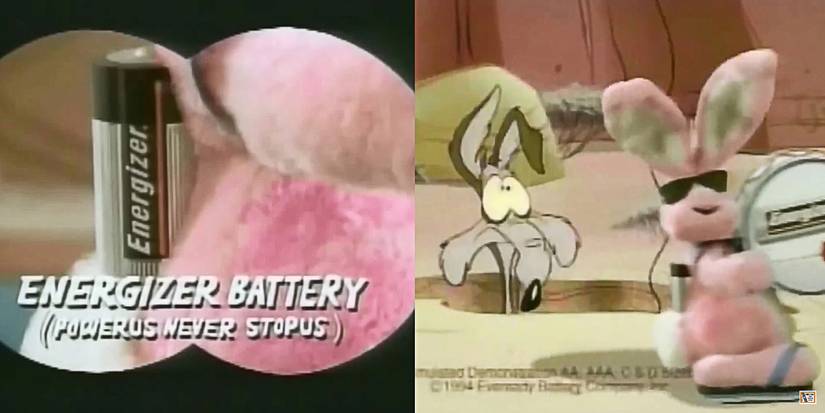
- 1990s–Present: The character transcends traditional television, starring in multi-million-dollar corporate advertising campaigns for brands like Energizer, Pepsi, and GEICO, cementing his status as a cross-industry mascot.
Supporting Data: Art, Inspiration, and Cultural Footprint
The depth of Wile E. Coyote’s design and narrative structure is often underestimated by casual viewers. Behind the falling anvils and detonating dynamite lies a deliberate artistic philosophy.
Literary and Artistic Influences
Chuck Jones drew heavily from Mark Twain’s observations of the frontier coyote as "poor, out of luck, and friendless." To visually communicate this perpetual state of want, Jones broke from animal anatomy. While the Coyote stands bipedal and proud, his ears are slightly notched, his frame is scrawny, and his tail design breaks conventional animation rules.
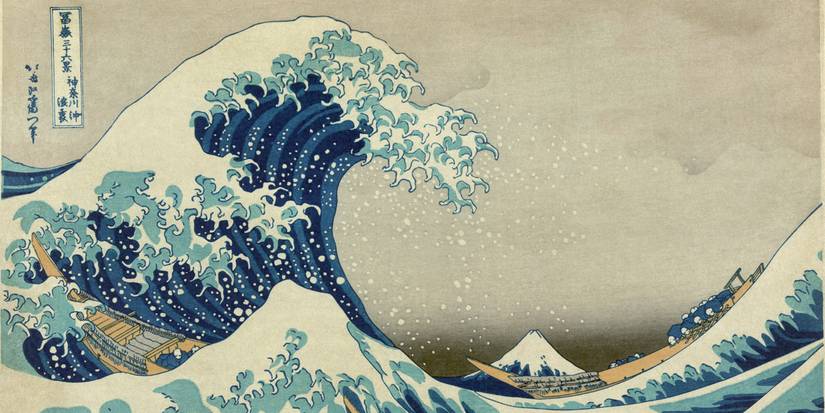
Rather than drawing a soft, round, "cuddly" tail (reminiscent of Western ocean waves), Jones inverted the curves, drawing inspiration from Japanese maritime paintings—specifically the dramatic, concave curves of turbulent waves in works like Hokusai’s The Great Wave off Kanagawa. This subtle visual cue signaled to the audience that the Coyote’s world was one of impending peril.
The Immutable Rules of the Desert
In his autobiography, Chuck Amuck, Chuck Jones outlined the foundational laws governing the shorts, which insured structural integrity across decades of production:
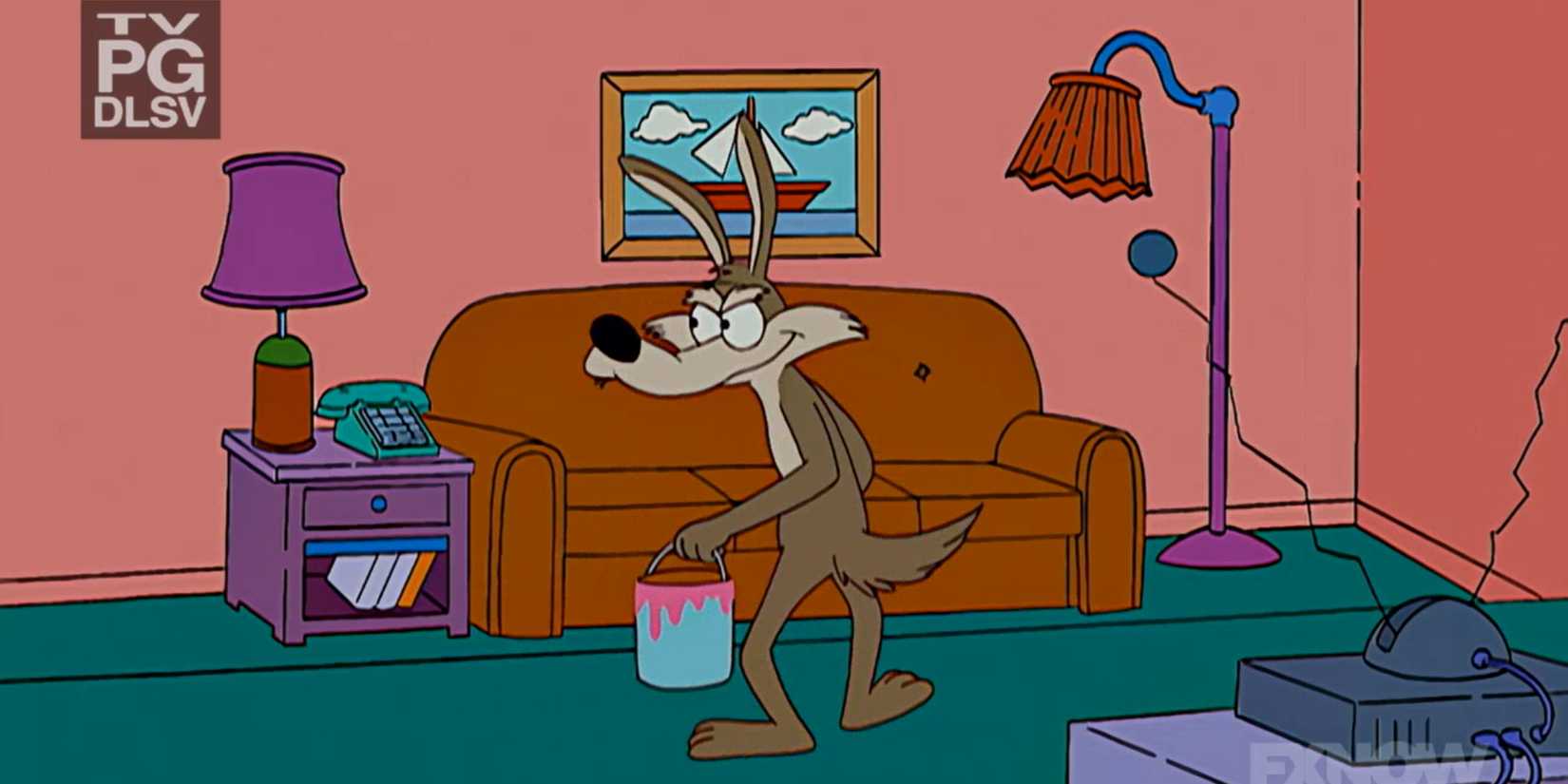
- The Road Runner cannot harm the Coyote except by going "Meep-meep."
- No outside force can ever harm the Coyote—only his own ineptitude or the failure of Acme products.
- The Coyote could stop whenever he wanted—if he were not a fanatic.
- All action must take place in the American Southwest desert.
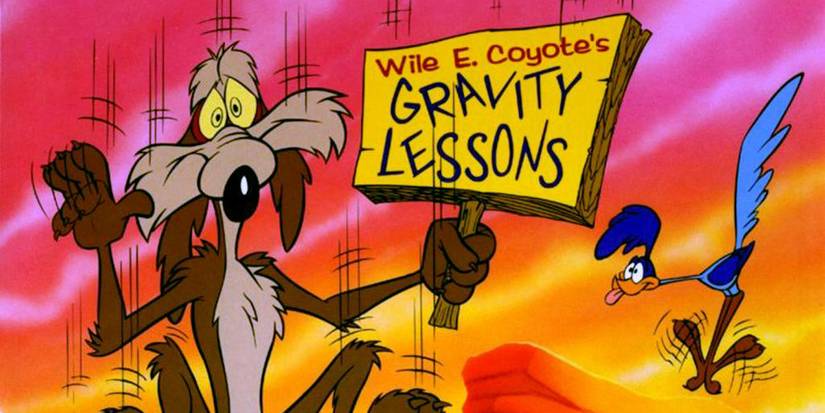
Crucially, Rule 8 states that the Coyote’s greatest enemy is not the Road Runner, but gravity. Famously, gravity only becomes a functional hazard once the Coyote looks down and realizes he is suspended over a canyon abyss—a trope that has entered global lexicon as a metaphor for sudden realization of impending doom.
Official Responses and Industry Impact
While Warner Bros. has occasionally attempted to modernize or pivot the franchise—most notably through the tumultuous production, shelving, and eventual status limbo of the live-action/animation hybrid film Coyote vs. Acme—industry veterans and modern artists continue to pay homage to Jones’s creation.
The artistic community has repeatedly celebrated the minutiae of the Coyote’s endeavors. In the early 2010s, conceptual artist Rob Loukotka meticulously cataloged every single Acme product featured across the classic 1949–1994 theatrical run, culminating in a popular print titled The Desk of Mr. Coyote.
Furthermore, the character’s musical footprint remains vibrant. Rock icon Mark Knopfler dedicated a track to the character on his 2002 solo album, The Ragpicker’s Dream, while hip-hop artists such as Kendrick Lamar have utilized the imagery of Wile E. Coyote as a metaphor for systemic entrapment and cyclical failure in modern urban life.
Implications: The Philosophical Resonance of Failure
Why does Wile E. Coyote endure when countless other cartoon antagonists have faded into obscurity? The answer lies in the philosophical implications of his eternal struggle.
In real life, coyotes are remarkably successful, highly adaptable apex survivors capable of thriving in urban environments as easily as deep wilderness. Yet, the animated Wile E. Coyote is stripped of biological success, elevated instead to the status of a mythological Sisyphus. He rolls his boulder—crafted by Acme, powered by rocket fuel—up the mountain every single day, only to watch it crush him.
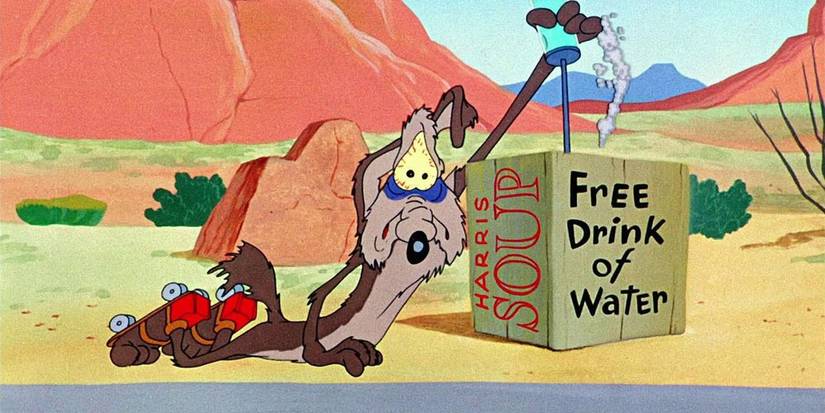
Yet, there is profound resilience in his routine. Wile E. Coyote never despairs permanently. He dusts himself off, orders a new batch of dehydrated boulders or jet-propelled roller skates from a mail-order catalog, and tries again. In a modern era defined by burnout, economic uncertainty, and digital-age futility, the Coyote’s unyielding optimism in the face of absolute, catastrophic failure makes him less of a villain and more of a deeply sympathetic, absurdly resilient mirror of the human condition.
