
Stop Waiting, Start Shooting: Veteran Filmmaker Harrison Smith Demystifies the Brutal Realities of Independent Cinema
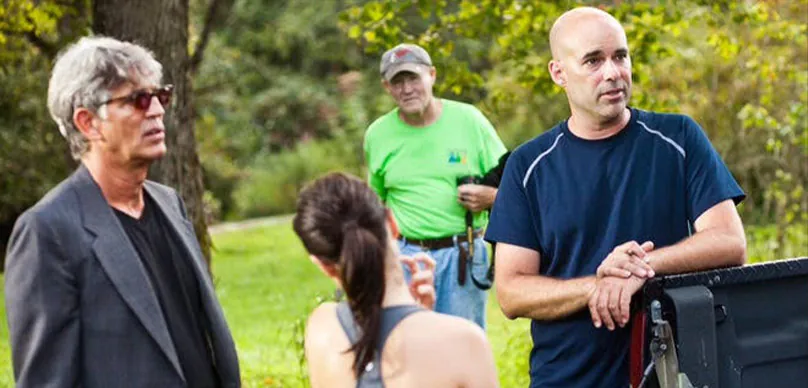
LOS ANGELES — Every aspiring filmmaker eventually arrives at a definitive crossroads. One path is lined with endless shelves of screenwriting manuals, YouTube masterclasses, analytical podcasts, and perpetual debates over theoretical techniques. The other requires a far more daunting leap: picking up a camera, accepting the inevitability of failure, and learning the grueling craft of cinema through direct, unshielded experience.
In a recent, highly anticipated podcast episode, independent stalwart Harrison Smith—the creative force behind The Fields, Camp Dread, Six Degrees of Hell, and Zombie Killers: Elephant’s Graveyard—sat down to discuss a career built entirely on taking the second path. Across decades of writing, producing, and directing feature films within the notoriously volatile indie landscape, Smith has distilled his survival guide down to a refreshingly blunt imperative: stop waiting for permission, and start making movies.
Main Facts: The Anatomy of an Indie Career
At its core, the discussion serves as a masterclass in the realities of low-budget and independent filmmaking, stripping away the glamorous veneer often promoted by social media influencers and film schools. Smith’s filmography is not the result of studio backing or nepotism; it is the byproduct of relentless execution, crisis management, and an unwavering commitment to storytelling over algorithmic trends.
Key Takeaways from Smith’s Filmmaking Philosophy:
- Experience Over Academia: Real-world set experience—such as Smith’s formative years working on productions at Universal Studios—teaches problem-solving in ways that classrooms cannot replicate.
- The Power of the Rewrite: A first draft is merely an exercise in creative freedom; the actual architecture of a film is forged during the grueling phase of rewriting.
- Radical Transparency in Financing: Exaggerating financial returns to investors destroys trust. Honesty about the volatile nature of independent film is a filmmaker’s greatest asset.
- Substance Over Gloss: Advanced digital technology has democratized filmmaking, but high-end visuals cannot mask weak storytelling.
Chronology: From Philadelphia Matinees to the Universal Lot
Smith’s journey into the cinematic arts began long before he ever stepped foot on a professional film set. Growing up in Philadelphia, his Saturdays were defined by the flickering glow of classic horror double features watched alongside his grandmother. It was during these afternoons that he was introduced to the pantheon of cinematic monsters and the legendary actors who brought them to life—Vincent Price, Boris Karloff, Bela Lugosi, and Peter Lorre.
However, a single theatrical experience permanently altered the trajectory of his life. Seeing Steven Spielberg’s Jaws on the big screen as a child transformed cinema from a passive pastime into an absolute vocation. He knew, with absolute certainty, that he wanted to dedicate his life to moving images.
This childhood ambition eventually propelled him westward to Los Angeles. Eschewing the traditional route of a formal film school degree, Smith immersed himself directly in the industry by securing work at Universal Studios. Looking back, he views those days on real-world lots and soundstages as his true university.
"It’s not that formal education is useless," Smith notes, reflecting on his early days. "It’s that nothing prepares you for the sheer velocity of a live production like being on one. When a crane breaks or weather destroys your shooting schedule, your textbook doesn’t hand you a solution. Experience does."
Supporting Data: Navigating the Trenches of Production and Financing
Theory is easily debated in a writer’s room, but the rubber meets the road during principal photography. Smith’s insights into the mechanical side of filmmaking offer a sobering look at what it takes to bring a micro-budget feature to the screen.
The Crucible of Production: The Fields
Smith’s transition to feature filmmaking culminated with The Fields, a psychological thriller rooted in true events from his own childhood in Pennsylvania. While realizing a deeply personal project was a dream come true, the production served as a brutal introduction to the unglamorous underbelly of indie producing.
Far from the romanticized image of a director sitting behind a monitor shouting "action," Smith found himself drowning in administrative warfare:
- Managing SAG-AFTRA paperwork and compliance.
- Coordinating shifting location logistics.
- Handling crew morale and catering on tight daily allowances.
- Wrestling with sudden, uncooperative weather patterns.
"It was exhausting, occasionally overwhelming, and forced me to grow up overnight as a producer," Smith recalls. The experience shattered any lingering illusions about the medium. It proved that filmmaking is rarely sustained by fleeting moments of artistic inspiration; rather, it is sustained by stubborn perseverance. Every completed film is essentially the final monument left standing after thousands of invisible, behind-the-scenes fires have been put out.
The Ethics of Indie Financing
Perhaps the most pragmatic advice shared during the episode relates to the precarious world of film finance. New independent filmmakers often feel compelled to pitch their projects to investors by promising guaranteed profits and blockbuster returns. Smith rejects this tactic entirely.
Recognizing that independent cinema is historically one of the riskiest asset classes in the global market, he advocates for radical honesty. Because distribution models shift rapidly, audience appetites evolve unpredictably, and even finished films can struggle to find a theatrical or streaming home, deception is a fatal error in long-term career building.
By looking investors in the eye and laying out the genuine risks alongside the creative upside, Smith has cultivated a loyal network of backers. In an industry defined by smoke, mirrors, and financial uncertainty, earned trust remains a filmmaker’s most valuable currency.
Official Responses and Industry Implications: The Death of the Algorithm
Beyond the logistical hurdles of production and finance, Smith turned his critical eye toward the current state of modern cinema, diagnosing a systemic malaise affecting contemporary storytelling.
Technology vs. Technique
In the digital age, barriers to entry have collapsed. Cameras capable of capturing cinematic imagery are accessible to almost anyone, and editing software that once required million-dollar post-production houses now runs on standard laptops. However, Smith argues that this technological democratization has birthed a dangerous side effect: an over-reliance on gloss at the expense of narrative depth.
"You can give someone the best camera package in the world, and digital effects can make a $50,000 budget look like a $5 million movie," Smith observes. "But technology cannot fix a lazy script. It cannot manufacture a character you actually care about."
The Triumph of Originality
Whether analyzing franchise fatigue, uninspired remakes, or algorithm-driven content creation, Smith consistently circles back to fundamental storytelling principles. Modern studios and streaming platforms increasingly rely on data analytics to dictate creative choices, attempting to manufacture hits in a laboratory.
According to Smith, audiences fundamentally reject formulas designed solely to satisfy market research. "People remember stories, not data points," he stresses. Original ideas, flawed yet relatable characters, and genuine emotional stakes will always outlast fleeting industry trends.
Conclusion: The Ultimate Advice for Aspiring Creators
For those listening to the episode or reading accounts of Smith’s career, the ultimate takeaway is disarmingly simple, yet endlessly difficult to execute: do the work.
Too many creators trap themselves in a loop of endless preparation, waiting for the mythical day when they will have Hollywood-grade equipment, bulletproof scripts, and fully funded budgets before shooting their first frame. Smith’s decades-long career stands as a direct rebuke to this hesitation.
Filmmakers are urged to start exactly where they are, utilizing whatever resources are currently within arm’s reach. Whether it is a micro-budget short film, an independent feature, or an unproduced screenplay, every completed project serves as a foundational stepping stone. In the entertainment industry, reputations are built on tangible execution, not unrealized potential. Opportunities consistently flow toward those who finish what they start.
The road into cinema will forever remain treacherous. Budgets will inevitably collapse, screenplays will demand painful rewrites, unexpected obstacles will derail schedules, and critics will pass judgment. Yet, as Harrison Smith proves, every successful filmmaker shares one unifying trait: at a certain point, they stopped talking about making movies, picked up a camera, and finally made one.
To listen to the full discussion and access additional filmmaker resources, you can download the complete episode MP3 here.
