
Ray Gunn Review: Brad Bird’s Animated Passion Project Is A Heartfelt, Visually Dazzling Marvel
Main Facts: The Return of a Master Animator
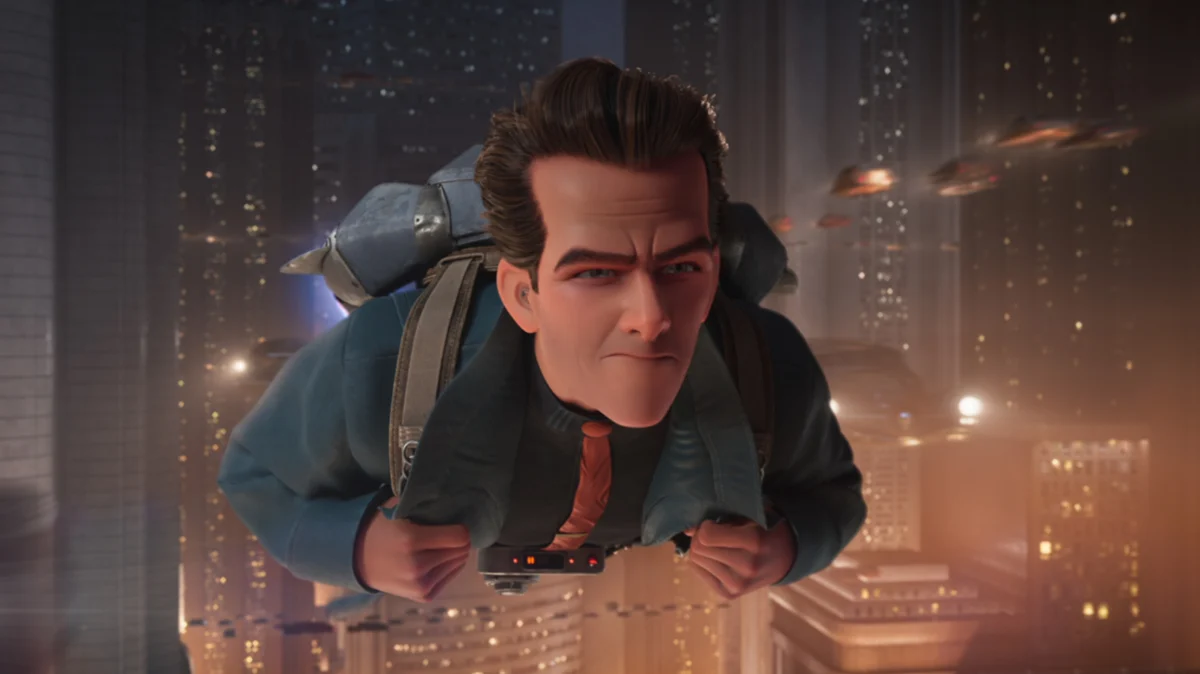
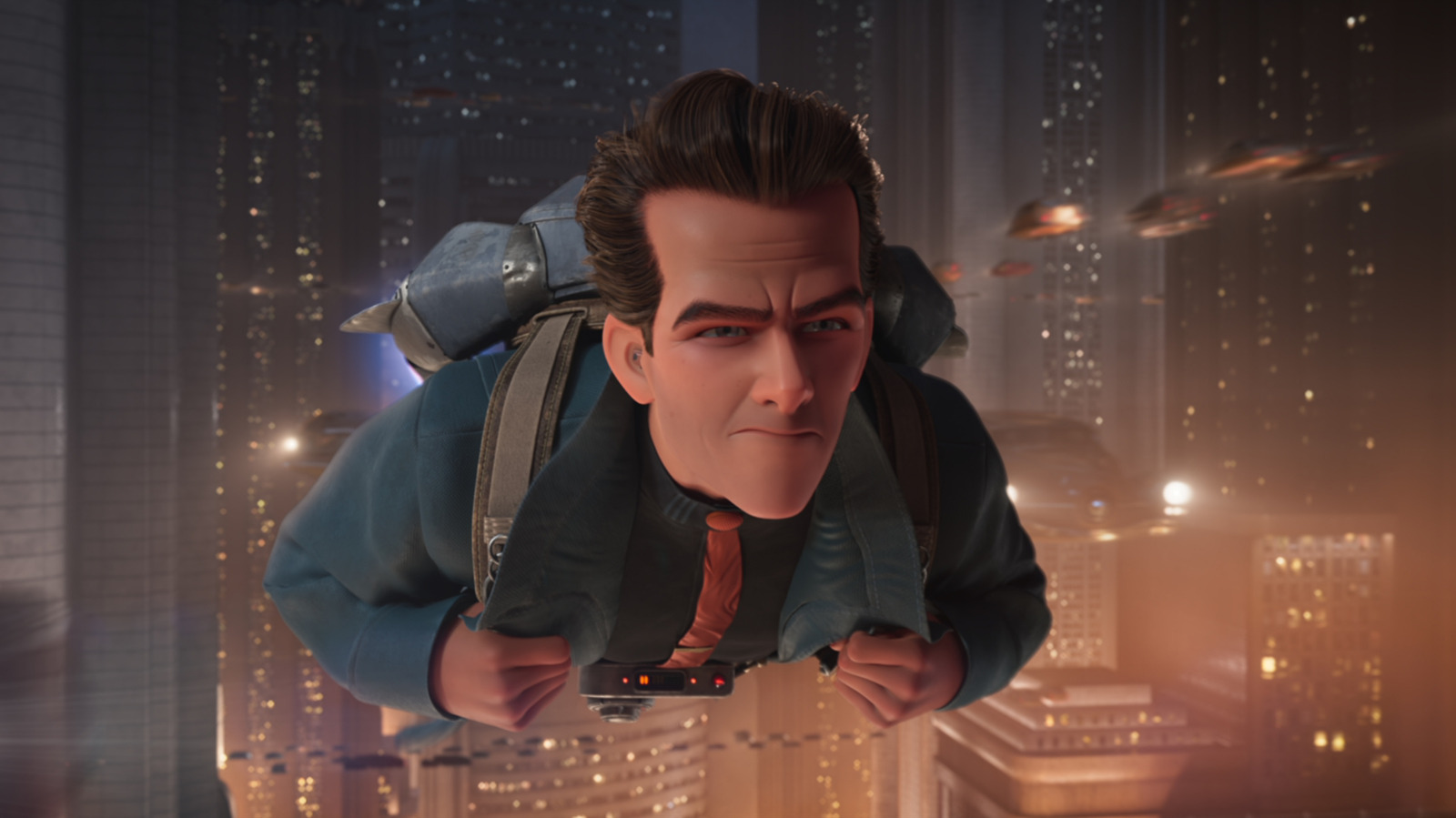
For cinematic iconoclasts and animation purists alike, the arrival of Ray Gunn represents more than just another milestone in a crowded release calendar; it is the realization of a holy grail. Directed by master animator and filmmaker Brad Bird—the creative force behind towering pillars of modern animation such as The Iron Giant, The Incredibles, and Ratatouille—this long-gestating passion project has finally materialized after more than thirty years in development. Co-written by Bird and Matthew Robbins, the 119-minute feature is a Skydance Animation production distributed via Netflix, blending old-school hard-boiled detective noir with retro-futuristic science fiction.
Headlined by a star-studded voice cast featuring Sam Rockwell, Tom Waits, and Scarlett Johansson, Ray Gunn establishes an alternate-history 1939 where humans and a marginalized populace of extraterrestrial immigrants coexist in a sprawling, gleaming, yet morally compromised metropolis known as Metropia. Critics and early audiences have lauded the film as a masterclass in world-building, dynamic character design, and genre-mashing storytelling. It officially lands in select theaters on December 4, 2026, before expanding to a global streaming audience on Netflix on December 18, 2026.
Chronology: A Three-Decade Genesis
To understand the weight of Ray Gunn, one must look backward through the rich and often demanding chronology of Brad Bird’s career.
- The Early 1990s Conception: The foundational concept for Ray Gunn was dreamed up by Bird over thirty years ago. Long before he stepped into the halls of Pixar or helmed live-action blockbusters like Mission: Impossible – Ghost Protocol, Bird envisioned a hard-boiled sci-fi noir blending the cinematic language of Raymond Chandler with alien immigration subplots.
- The Detours of a Legendary Career: For decades, the project remained on the back burner. Bird was continually pulled into other monumental endeavors. In 1999, he directed his feature debut, The Iron Giant, a critical darling that underperformed theatrically before becoming a beloved classic. He subsequently joined Pixar, delivering instant critical and commercial blockbusters with The Incredibles (2004) and Ratatouille (2007). Later, Bird navigated the turbulent waters of Disney’s live-action division with Tomorrowland (2015)—a personal, ambitious sci-fi fable that ultimately misfired at the box office, famously pulling him away from an opportunity to helm Star Wars: The Force Awakens.
- The Skydance Partnership: In the years following Incredibles 2 (2018), Bird found a creative sanctuary at Skydance Animation. Free to resurrect his pet project with modern animation pipelines and robust backing, production finally ramped up, leading to a late 2026 rollout spearheaded by Netflix.
Supporting Data: Cast, Crew, and Technical Brilliance
Ray Gunn succeeds not merely on the strength of its high-concept premise, but through an exceptional convergence of top-tier talent both in front of and behind the microphone.
The Ensemble Cast
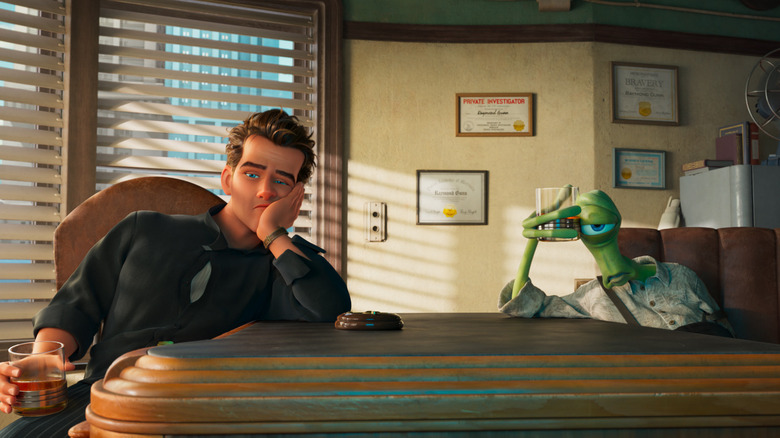
- Sam Rockwell as Raymond Gunn: Rockwell brings a world-weary, rough-around-the-edges charm to the title character, a down-on-his-luck private investigator struggling with mounting debts and a tarnished reputation, yet driven by an incorruptible moral compass.
- Tom Waits as Eyera: Portraying Ray’s perpetually aggrieved partner, Waits utilizes his iconic, gravelly vocal delivery to voice a three-legged alien sleuth. Eyera serves as both comedic foil and cynical sounding board, offering lines like, "We’re the only honest players in a crooked game."
- Scarlett Johansson as Venus Nova: Johansson anchors a significant portion of the film’s emotional and dramatic weight as a self-destructive, paparazzi-plagued pop star wrapped up in the overarching conspiracy. Her performance shifts effortlessly from fiery rage to sultry, moonlit dialogue and extravagant musical numbers.
- Supporting Players: The ensemble is rounded out by heavy-hitting voice talents including Alan Tudyk, Matt Berry, Bobby Cannavale, and Kathryn Hunter.
Technical Craftsmanship
Behind the scenes, Bird assembled a dream team of technical artisans to bring Metropia to vibrant life:
- Score: Composed by Michael Giacchino, whose toe-tapping, jazz-infused, and suspenseful musical arrangements elevate every chase sequence and emotional beat.
- Cinematography: Managed by Erik Smitt, whose immersive and kinetic camera movements grant the animated space the cinematic framing of a classic 1940s thriller.
- Sound Design: Pioneered by legendary sound designer Ben Burtt, whose acoustic world-building anchors the alien-infested city in tactile reality.
Official Responses and Press Insights
During the promotional push leading up to its festival and theatrical premieres, Brad Bird and his creative team opened up about the arduous journey of bringing Ray Gunn to the screen. In a series of press day interviews, Bird emphasized that the film represents an act of creative defiance in an entertainment landscape increasingly hostile toward original, mid-budget, or ambitious high-concept ideas.
Industry insiders and critics have responded overwhelmingly in kind. Garnering an impressive 8 out of 10 rating in early reviews, critics have praised the film’s refusal to dumb down its complex narrative. While reviewers noted a minor narrative stumble involving a somewhat heavily telegraphed twist near the middle of its runtime, the consensus remains that the sheer momentum, pacing, and visual ingenuity of the production more than make up for any predictable plotting.
Skydance Animation executives have likewise expressed immense pride in the project, positioning Ray Gunn as a flagship title that demonstrates the studio’s commitment to director-driven, theatrical-grade animation in the streaming era.
Implications: A Love Letter to Human Artistry
The release of Ray Gunn carries significant implications for the broader animation industry, particularly at a time when debates surrounding originality, studio interference, and the encroachment of automated technologies weigh heavily on creators.
First and foremost, Ray Gunn serves as a poignant reminder of the power of persistence. By spending three decades refining his vision, Brad Bird has delivered a film that refuses to pander to algorithmic trends. Instead, it leans heavily into analog-era sensibilities—channeling the spirit of classic neo-noir staples like Chinatown and The Big Sleep—while weaving in timely social commentary regarding systemic prejudice, immigration, and second-class citizenship through its marginalized alien population.
Furthermore, the film functions as a resounding love letter to human artists. In a narrative universe where corporate elites and shady interplanetary crime syndicates pull the strings from ivory towers high above the smog of Metropia, the tenacity of Ray and Eyera mirrors the dedication of the animators, musicians, and sound designers who built the film frame by frame. Ray Gunn proves that when true artists are given the canvas and the time to realize their ultimate dreams, the results can be nothing short of a heartfelt, visually dazzling marvel.
