
In Conversation: From Dust We Spin and the Resilience of the Cape Flats
Introduction: A Symphony of Rubber and Redemption
The asphalt of the Cape Flats has long served as a stage for both tragedy and triumph. It is a landscape defined by its complex history and the enduring spirit of those who call it home. Now, a powerful new documentary, From Dust We Spin, brings this hidden world to the global stage. Having recently clinched the title of Best South African Documentary at the Durban International Film Festival, the film is poised for its international premiere at DOC NYC.
From Dust We Spin is more than a film about motorsport; it is an exploration of the human condition, tracing the intersection of grief, belonging, and the radical freedom found in the rhythmic, tire-shredding art of "spinning." Directed by Julia Jansch and featuring the magnetic presence of coach and narrator Ricky Weaver, the documentary offers an intimate look at a subculture born from defiance and sustained by hope.
The Genesis of an Outlaw Sport
To understand the gravity of From Dust We Spin, one must first understand the origins of Spinning. Born during the era of apartheid, the sport emerged as a visceral act of rebellion against a system designed to suppress movement and agency. What began as dangerous, unauthorized displays of car control on the streets of South Africa’s marginalized communities has evolved into a highly skilled, culturally significant motorsport.
Spinning involves high-speed, controlled maneuvers—most notably the signature "infinity" figure-eight—performed within close proximity to spectators. It is a dance of rubber and steel, a high-octane performance art that demands absolute precision. For many in the Cape Flats, the sport represents an escape from the systemic cycles of violence and poverty that characterize the region. It is a space where the roar of an engine silences the noise of a turbulent reality.
Chronology: From the Streets to the Screen
The journey of From Dust We Spin mirrors the resilience of its subjects.
- The Development Phase: Director Julia Jansch spent significant time embedded within the spinning community. Her goal was not to treat the sport as an exotic spectacle, but to document the deeply personal stakes involved for its practitioners.
- Production: Filming took place amidst the complex socio-economic landscape of the Cape Flats. The production team focused on building trust with local icons like Ricky Weaver, whose own history with the sport is marked by both professional success and profound personal loss.
- Festival Recognition: The film’s breakout moment occurred at the Durban International Film Festival, where it resonated with local and international juries, earning the Best South African Documentary award.
- Global Expansion: With the upcoming premiere at DOC NYC, the film transitions from a regional story of South African resilience to a global conversation about the power of mentorship and the ability to break generational cycles.
The Narrative Core: A Story of Mentorship and Infinity
The heart of the film lies in the relationship between a young female spinner known as "Zero" and her mentor, Ricky Weaver.
"Zero" represents the new generation—a youth navigating a world of gang violence and limited opportunities. For her, the cockpit of a car is the only place where she feels in control of her trajectory. As she learns to execute the "infinity" move, she is not merely learning a stunt; she is learning to navigate the circular, often trapping nature of her environment.
Parallel to her journey is that of Weaver. A seasoned veteran of the sport, Weaver has spent years fighting to transcend the cycles of destruction that claimed so many of his peers. His mentorship of Zero is not altruistic in the traditional sense; it is symbiotic. As she gains the courage to push the car to its limits, Weaver finds the strength to address the ghosts of his own past. The "infinity" move becomes a metaphor for their lives—a way to turn trauma into motion, to move forward even when the world tells them they are destined to go in circles.
Supporting Data: The Socio-Economic Context
The Cape Flats, located on the outskirts of Cape Town, remains one of the most challenging environments in South Africa. Decades of forced removals and systemic underfunding have created a climate where gang activity often becomes the default path for youth.
- The Role of Motorsport as an Intervention: Sociological studies regarding youth engagement in marginalized areas suggest that structured motorsport, even when derived from "outlaw" roots, provides a critical outlet for adrenaline and discipline. It fosters a sense of community that is otherwise absent.
- Documentary Impact: The success of From Dust We Spin highlights a growing trend in international cinema: the prioritization of "hyper-local" narratives that possess universal themes. By focusing on the specific mechanics of spinning, the film provides a tangible entry point for audiences unacquainted with South African social history.
Official Perspectives: In Conversation with the Filmmakers
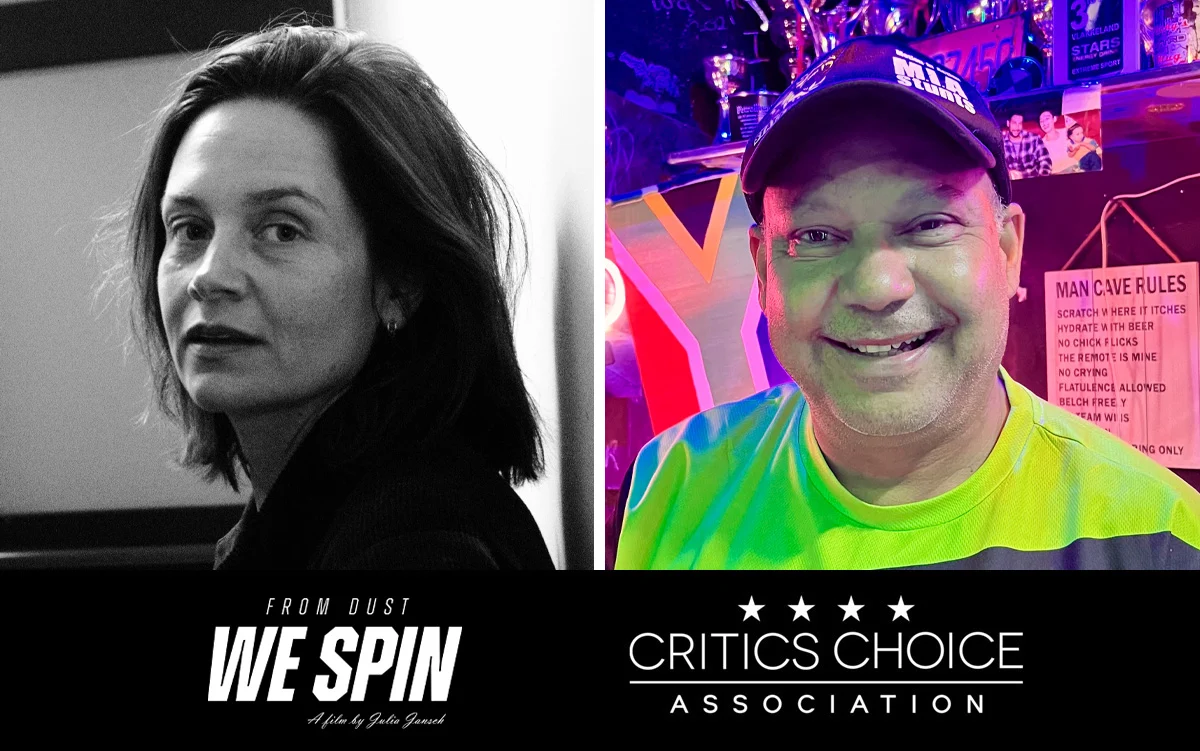
In a recent Critics Choice Association conversation, Julia Jansch and Ricky Weaver discussed the weight of bringing this story to the screen.
Julia Jansch on the visual language of the film:
"I didn’t want to capture the sport from the sidelines. I wanted the audience to feel the vibration of the engine, the smell of the burning rubber, and the tension in the cabin. The ‘infinity’ move is visually stunning, but its true beauty is what it represents: the ability to keep moving forward despite everything trying to stop you."
Ricky Weaver on the burden of the past:
"For a long time, we spun because we were angry. We spun because we were trapped. Now, I see young people like Zero spinning because they want to build something. My role is to make sure they understand that the car is not just a machine; it’s a vehicle for change. Helping her find her way has been the final step in my own healing process."
Implications: The Legacy of From Dust We Spin
The implications of this documentary extend far beyond the film festival circuit. Firstly, it elevates "spinning" as a legitimate cultural art form, challenging the stigma that often follows the sport in mainstream South African media. It frames the practice not as delinquency, but as a sophisticated cultural expression.
Secondly, the film serves as a testament to the efficacy of mentorship programs in high-risk areas. By showcasing the transformative power of a coach-athlete relationship, From Dust We Spin provides a roadmap for community leaders looking to provide alternatives to gang life.
Finally, the film challenges international audiences to look beyond the headlines of South African crime and into the nuance of its people. It asks: what does it mean to be free in a place that once tried to cage you?
Conclusion: The Horizon
As From Dust We Spin prepares for its DOC NYC debut, it carries with it the dust and the dreams of the Cape Flats. It is a film that refuses to look away from the darkness, yet it is ultimately a celebration of light—of the way a young woman and an older man find their way out of the shadows through the simple, profound act of spinning.
In the final analysis, the film is a reminder that we are all, in some way, trying to find our "infinity." We are all trying to master the movements of our lives to ensure that we are the ones in the driver’s seat. From Dust We Spin is a triumph of documentary filmmaking, ensuring that the stories of the Cape Flats are heard, felt, and remembered long after the smoke has cleared from the track.
For those attending the upcoming premiere, the film offers an invitation: to witness the courage of those who have turned their defiance into art, and their pain into a legacy that continues to spin, forever forward, toward the horizon.
