
20th Century Studios Enlists Josh Cooley for ‘99 Nights in the Forest’ Live-Action Adaptation
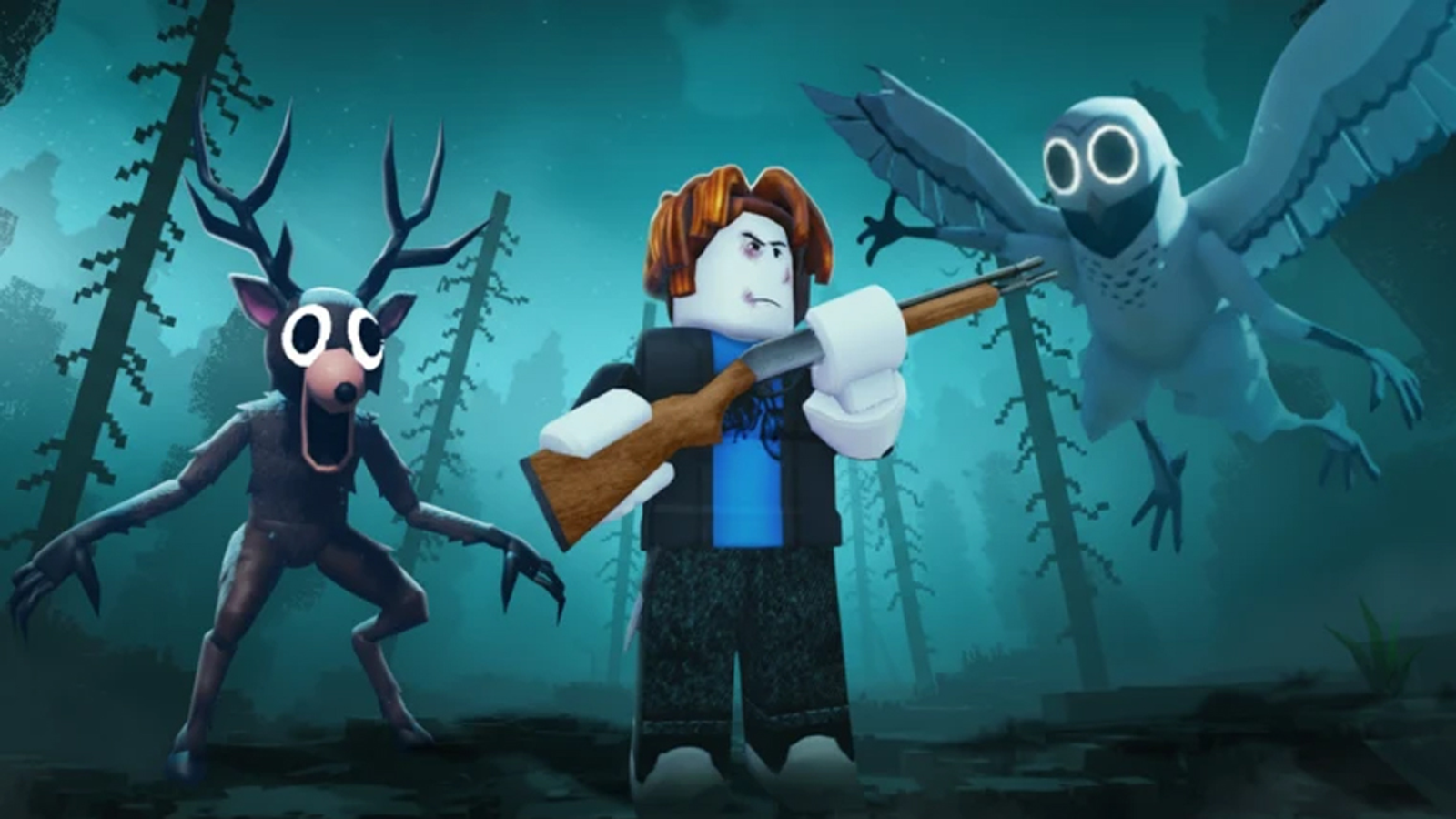
In a strategic pivot that signals a major expansion of its intellectual property portfolio, 20th Century Studios has officially tapped acclaimed animation auteur Josh Cooley to pen the screenplay for the live-action adaptation of the action-survival video game 99 Nights in the Forest. The announcement marks a significant milestone for the Disney-owned studio, which is venturing into the lucrative, yet notoriously difficult, landscape of video game-to-film adaptations for the first time.
With a pedigree that includes directing Toy Story 4 and helming the recent Transformers One, Cooley brings a wealth of experience in character-driven storytelling and high-stakes world-building. His involvement, coupled with the powerhouse production team of Sam Raimi and Rob Tapert, positions 99 Nights in the Forest as a high-priority project within the studio’s development slate.
Main Facts: The Intersection of Gaming and Cinema
The adaptation project stems from 20th Century Studios’ acquisition of the theatrical film rights earlier this year. 99 Nights in the Forest—an indie-developed title—centers on a harrowing premise: players must navigate a nightmarish, supernatural woodland for 99 consecutive nights. The core narrative objective involves the rescue of four missing children while surviving a gauntlet of otherworldly, hostile creatures.
Josh Cooley’s hiring is being viewed by industry analysts as a move to inject deep, emotional resonance into what could easily have been a standard monster-movie script. Cooley is no stranger to balancing high-concept stakes with heart; his filmography includes significant writing and creative contributions to Pixar cornerstones such as Inside Out, Coco, Incredibles 2, Onward, and Soul.
While the script is currently in the early stages of development, the production apparatus is already firmly established. Sam Raimi, whose history with the Evil Dead franchise and Spider-Man trilogy provides him with a unique expertise in both horror-survival and blockbuster action, will produce alongside Rob Tapert. They are joined by executive producers Romel Adam (Evil Dead Rise) and Jose Cañas (Play Dead), as well as the game’s original creators, Alec Kieft, Matthew Hufton, and Cameron Angland. As of this writing, the studio has not named a director, leaving the industry to speculate whether the project will lean into Raimi’s signature visceral horror style or take a more character-focused, atmospheric approach.
A Chronology of the Project’s Genesis
The journey from niche indie game to major studio feature has been a relatively swift process, indicative of the current industry "gold rush" for game-based IP.
- Early 2024: 20th Century Studios secures the theatrical film rights to 99 Nights in the Forest. Following the critical and commercial success of adaptations like The Last of Us and The Super Mario Bros. Movie, the studio identifies the game’s high-tension premise as a potential franchise starter.
- Mid-2024: Development begins in earnest as the studio searches for a screenwriter who can balance the game’s survival mechanics with a compelling, coherent narrative arc.
- Late 2024: Josh Cooley is officially confirmed as the screenwriter. His hiring serves as a signal to the industry that the studio is prioritizing script quality and narrative depth, aiming to avoid the common pitfalls of the "game-to-film" subgenre.
- Present Day: The project is in active development, with the production team finalizing the creative direction.
Supporting Data: The Rise of the Video Game Adaptation
The decision by 20th Century Studios to enter the video game space is supported by a growing body of box office and streaming data. Over the past five years, the "curse" of the video game adaptation—a term historically used to describe the tendency for such films to fail both critically and commercially—has been largely dismantled.
Market Performance Trends
Historically, game adaptations struggled to translate interactive mechanics into passive viewing experiences. However, the shift toward prestige television and high-budget streaming event cinema has changed the calculus:
- Budget vs. Return: Games like 99 Nights in the Forest offer pre-built, loyal fanbases, significantly reducing the "marketing risk" associated with launching an original IP.
- Demographic Alignment: The overlap between the core gaming audience (typically ages 18–35) and the prime movie-going demographic is at an all-time high.
- The "Prestige" Effect: By hiring heavy-hitting creative talent like Cooley and Raimi, studios are effectively signaling to skeptics that these projects are not merely "merchandising vehicles" but creative endeavors in their own right.
Official Responses and Creative Vision
While the studio has remained relatively tight-lipped regarding specific plot details, the involvement of the original game developers—Alec Kieft, Matthew Hufton, and Cameron Angland—as executive producers suggests that the film will remain faithful to the source material’s atmosphere.
"The goal is to translate the feeling of isolation and the relentless, creeping dread that players feel during those 99 nights," said a source close to the production. By bringing in Cooley, the studio is signaling a desire to elevate the source material into something that resonates on a thematic level, moving beyond the simple "monster of the week" formula.
The producers, particularly Raimi and Tapert, are known for their collaborative approach to genre filmmaking. Their involvement suggests that the project will likely lean heavily into the "haunted forest" aesthetic, utilizing practical effects alongside digital artistry to create an environment that feels tactile and dangerous.
Implications for 20th Century Studios and the Industry
The move to adapt 99 Nights in the Forest represents a strategic turning point for 20th Century Studios. Historically, the studio—long known for its prestige sci-fi and horror franchises like Alien and Predator—has been cautious about diving into video game adaptations.
1. Diversification of IP
By acquiring 99 Nights in the Forest, 20th Century is diversifying its slate. Should the film succeed, it provides the studio with a new, ownable franchise that can be expanded through sequels, prequels, or even a expanded transmedia strategy.
2. The Cooley Factor
Josh Cooley’s transition from the world of high-concept animation to live-action horror-survival is a narrative to watch. If successful, it could mirror the career paths of directors like Brad Bird or Gore Verbinski, who successfully made the leap between animation and live-action, bringing the pacing and visual flair of the former into the latter.
3. The Future of Survival Horror in Cinema
If 99 Nights in the Forest hits the mark, it will likely trigger a surge in interest for smaller, high-concept indie games. Studios are increasingly looking toward the indie gaming scene, which is often more fertile ground for experimental and unique horror concepts than the massive, AAA titles that are often too unwieldy to adapt.
4. A New Standard for Collaboration
The integration of game developers into the executive production process is becoming the new gold standard. It ensures that the "spirit" of the game—the core mechanics and the unique hook that made it a hit in the first place—is preserved during the translation process.
Conclusion: A High-Stakes Venture
As the project moves into the scripting phase, the eyes of both the gaming community and the film industry are firmly fixed on 20th Century Studios. The combination of Cooley’s screenplay, Raimi’s production expertise, and the inherent, terrifying premise of 99 Nights in the Forest provides all the necessary ingredients for a cinematic success.
The task ahead is significant: 99 nights of survival is a long time to keep an audience engaged, and the challenge will be to ensure that the fear, the desperation, and the eventual triumph of the protagonists translate from the controller to the screen. If the studio manages to capture that lightning in a bottle, 99 Nights in the Forest could very well become the next standard-bearer for the video game adaptation genre.
