
The High Seas Reimagined: Inside the Ambitious New Treasure Island Miniseries
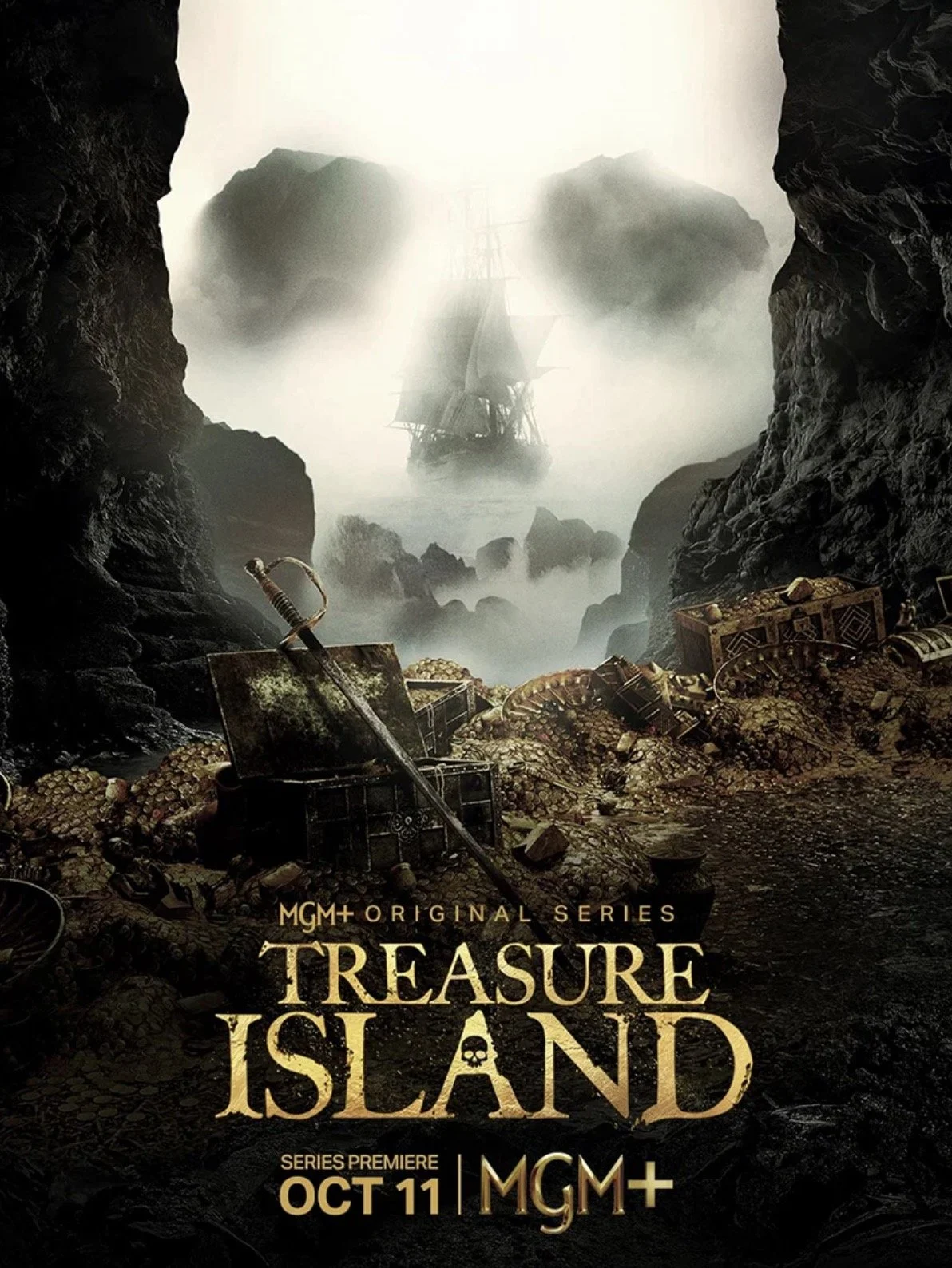
The allure of Robert Louis Stevenson’s Treasure Island has endured for over 140 years, serving as the definitive template for the modern pirate genre. From hidden maps and buried gold to the morally ambiguous charisma of Long John Silver, the 1883 novel remains a cornerstone of adventure literature. Now, MGM+ and Paramount+ are set to breathe new, gritty life into this seminal work with a high-stakes miniseries adaptation that promises to peel back the layers of the classic tale, revealing a landscape defined by political upheaval, colonial tension, and the raw, desperate nature of human greed.
Main Facts: A Bold Departure for a Classic Tale
The upcoming miniseries, simply titled Treasure Island, is poised to be one of the most significant television events of 2026. Premiering on October 11, 2026, across both MGM+ and Paramount+, the project is not merely a rote retelling of Stevenson’s prose. Instead, it is a reimagining that shifts the tone from a boy’s adventure story into a dark, character-driven epic.
At the heart of this production is a powerhouse cast. David Oyelowo steps into the boots of the infamous Long John Silver. Unlike previous iterations that often played the character as a caricature, Oyelowo’s portrayal is described as a "ruthless survivor," balancing profound charm with a lethal, cunning intellect. He is joined by Hayley Atwell, who plays a formidable version of Bess Hawkins, and Tom Sweet, who stars as the young, unsuspecting protagonist, Jim Hawkins.
The narrative structure follows the familiar beats—Jim’s discovery of Captain Flint’s map—but expands the scope significantly. The story is set in 1788, a period of global unrest, and moves the action from the storm-battered coasts of Cornwall to the treacherous, high-stakes environment of a jungle island hiding more than just gold.
Chronology: From 1883 to the 2026 Premiere
To understand the weight of this new adaptation, one must look at the timeline of the source material and its evolution:
- 1883: Robert Louis Stevenson publishes Treasure Island in book form, cementing the archetypes of pirates—the black spot, the parrot, and the treasure map—in the public consciousness.
- 20th Century: The story undergoes dozens of adaptations, ranging from silent films to the iconic 1950 Disney live-action film and the beloved 1996 parody, Muppet Treasure Island.
- 2024: Production announcements begin to surface, confirming that Robert Murphy (known for Shetland and DCI Banks) has been tapped to write and showrun the project.
- 2025: Casting is finalized, with major stars like Oyelowo and Atwell confirmed, signaling the high budget and ambitious scope of the project.
- 2026: The official trailer drops, showcasing a bleak, atmospheric aesthetic.
- October 11, 2026: The global premiere date for the series on MGM+ and Paramount+.
Supporting Data: The Creative Engine
The series is helmed by creator and showrunner Robert Murphy, a veteran of British television known for his ability to craft grounded, character-heavy dramas. By choosing to set the series in 1788, Murphy is anchoring the adventure in a specific socio-political context. This is not a whimsical seafaring tale; it is a story about the intersection of piracy and the geopolitical machinations of the late 18th century.
The supporting cast is equally robust, including Jack Huston, Tomer Capone, Craige Els, Tristan Sturrock, and Neil Pendleton. The production design, as hinted in the trailers, leans into the "ugly things people do" motif—expect visceral combat, damp, claustrophobic ship quarters, and an island environment that feels like a character in its own right.
Official Responses and Creative Vision
The studio’s decision to pair MGM+ and Paramount+ for this release underscores the importance of the project. In official communications, the creative team has emphasized that this iteration seeks to ground the fantasy of the original in a more visceral reality.
"We wanted to look at the ‘why’ behind the greed," says an insider close to the production. "When you have a character like Long John Silver, you aren’t just looking at a pirate; you’re looking at a man who has had to claw his way out of poverty through sheer force of will. That makes him dangerous, but it also makes him relatable in a way that’s rarely been explored."
The addition of the character Aaron Graham—a revolutionary spy—serves as a primary catalyst for the series’ heightened stakes. By introducing a character whose primary goal is to use the treasure to dismantle colonial power, the show elevates the conflict from a simple search for gold to a clash of ideologies. This adds a layer of depth that aligns with modern audience preferences for morally grey narratives.
Implications: A New Standard for Adventure Television
The release of this Treasure Island adaptation arrives at a time when "prestige television" is looking for new ways to revitalize familiar IP. The implications for the industry are twofold:
1. The "Re-grounding" Trend
Much like Shogun or The Last of Us, this series suggests that audiences are hungry for "re-grounded" versions of classic stories. Rather than focusing on the swashbuckling tropes of the 1950s, this version focuses on the human cost of empire, survival, and the psychological weight of betrayal.
2. The Power of Hybrid Distribution
The collaboration between MGM+ and Paramount+ highlights the shifting landscape of streaming. By pooling resources, these platforms are able to produce high-budget, cinematic experiences that would be difficult to sustain on a single platform’s budget. If Treasure Island is a success, it could set a precedent for more co-produced, high-concept miniseries that leverage big-name talent to drive subscriptions.
3. Character-Driven Genre Fiction
The casting of David Oyelowo is a deliberate move to anchor the show in high-level acting talent. By placing a seasoned actor in a role historically occupied by character actors, the producers are signaling to the audience that this is a drama first and an adventure story second. It raises the bar for what viewers expect from pirate-themed content, moving away from "fun" and toward "immersive."
Conclusion: A Dangerous Voyage Ahead
As we approach the October 2026 release, anticipation is high. Treasure Island is more than just a trip down memory lane; it is an ambitious attempt to reclaim a classic for a generation that demands complexity, grit, and political relevance.
With a narrative that pits the charm of a cutthroat pirate against the fervor of a revolutionary spy, all while an unsuspecting family is caught in the crossfire, the series promises to be an intense exploration of the human condition. Whether it succeeds in redefining the genre remains to be seen, but one thing is certain: when the Hispaniola sets sail this October, the viewers are in for a journey that is as dangerous as it is compelling.
The maps have been redrawn, the alliances are shifting, and the treasure is no longer just gold—it is a symbol of power, survival, and the dark reality of an age of revolution. For fans of high-stakes drama and classic literature alike, Treasure Island is shaping up to be the must-watch television event of the year.
