
The Return of Terror: Mike Flanagan’s ‘The Exorcist: Martyrs’ Promises a Dark Resurrection for the Iconic Franchise
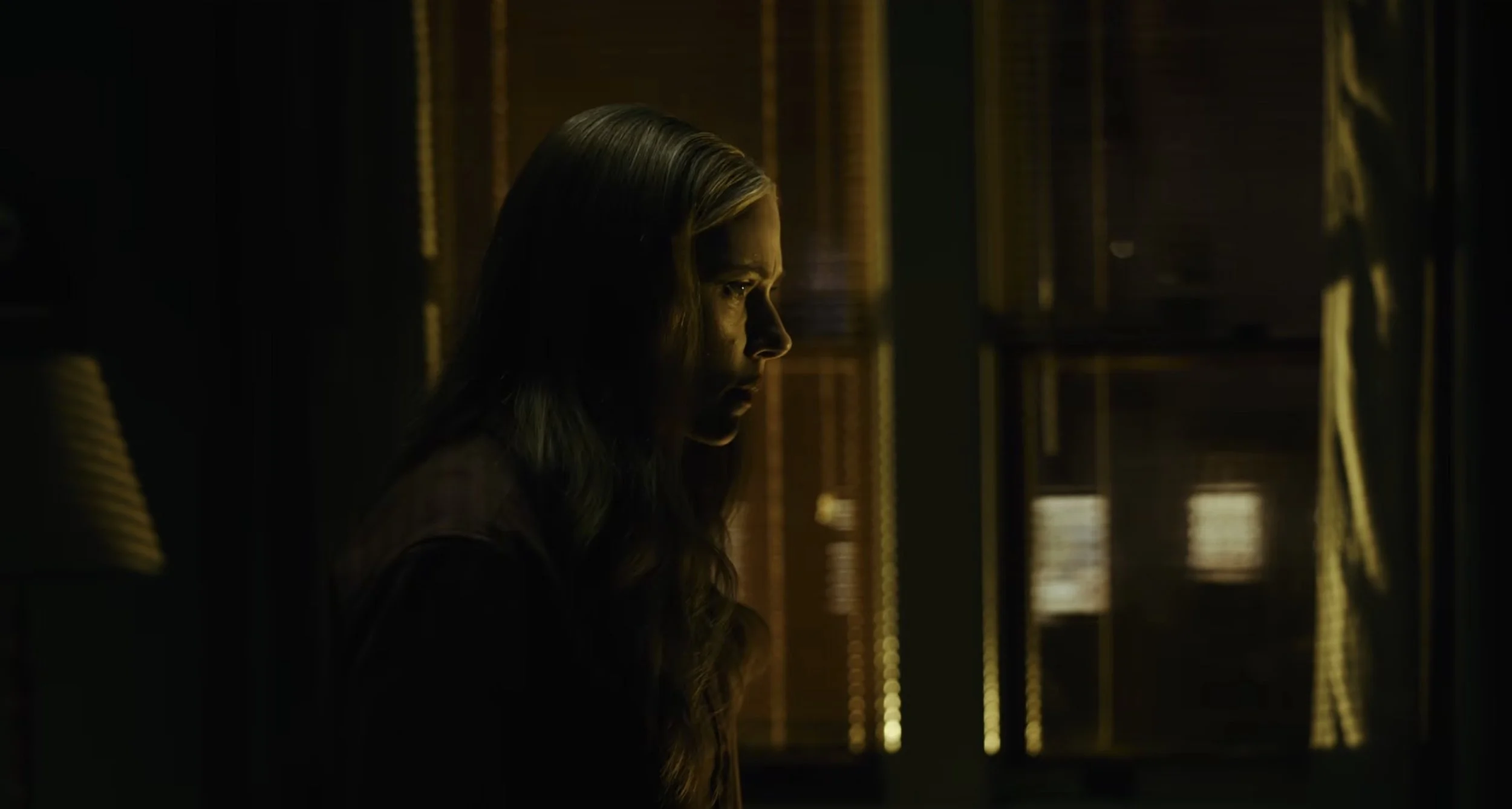
The horror landscape has long been dominated by the towering legacy of William Friedkin’s 1973 masterpiece, The Exorcist. However, the franchise has struggled to recapture that seminal lightning in a bottle, particularly following the lukewarm critical and commercial reception of 2023’s The Exorcist: Believer. Enter Mike Flanagan, the acclaimed auteur behind The Haunting of Hill House and Midnight Mass, who has taken the mantle to steer the series toward a visceral, sophisticated, and deeply unsettling new direction.
With the release of the first full trailer for The Exorcist: Martyrs, audiences have been given their most terrifying glimpse yet into what promises to be a career-defining project for the filmmaker. Slated for a theatrical release on March 12, 2027, the film does not merely aim to reboot the franchise; it seeks to redefine the psychological and supernatural boundaries of the genre itself.
The Premise: A Collision of Crime and Damnation
The Exorcist: Martyrs shifts the franchise’s focus toward a grounded, procedural horror aesthetic reminiscent of the cult-classic The Exorcist III. The narrative centers on an NYPD detective and single mother, played by Scarlett Johansson, whose life is upended after she witnesses the state-sanctioned execution of Father Sunday, a notorious serial killer portrayed with chilling intensity by John Leguizamo.
Father Sunday is defined by a pathological obsession with Catholic iconography, turning his brutal crimes into grotesque religious tableaux. However, as the detective soon learns, the executioner’s needle is not the end of his influence. The film posits a terrifying premise: what if death is merely a gateway for a malignancy to evolve?
As the detective navigates the aftermath of the execution, she discovers that her 12-year-old son—played by Jacobi Jupe—has become the primary target of a demonic entity tied to the late killer. To combat a force that transcends the physical world, she is forced to seek guidance from two priests, played by Chiwetel Ejiofor and Laurence Fishburne. Alongside them, Sasha Calle joins the cast as a fellow detective, grounding the supernatural stakes in a desperate, high-stakes police investigation.
Chronology of a Horror Visionary’s Evolution
To understand the weight of The Exorcist: Martyrs, one must look at the trajectory of Mike Flanagan’s career. Since his breakout with Oculus (2013), Flanagan has consistently demonstrated a rare ability to balance jump-scare mechanics with profound, character-driven trauma.
- The Foundation (2013–2016): With Oculus and Hush, Flanagan established his penchant for high-concept premises that rely on internal logic and psychological tension.
- The Golden Era of Television (2018–2021): Through The Haunting of Hill House and The Haunting of Bly Manor, Flanagan proved he could master the slow-burn narrative, focusing on grief and family dynamics as the engine for horror.
- The Auteur Pivot (2021–2024): With Midnight Mass and The Fall of the House of Usher, Flanagan began explicitly tackling the intersection of faith, institutional corruption, and mortality. These projects served as the thematic bridge to The Exorcist: Martyrs, where religious dogma is no longer just a setting, but a weapon.
- The Commitment (2024–Present): When Flanagan officially signed on for the project, he made a bold proclamation that set expectations at an all-time high: "I really just saw an opportunity to make the scariest movie I’ve ever made."
The Philosophy of "Unsafe" Horror: Official Statements
What separates The Exorcist: Martyrs from its predecessors is the specific intensity of its tone. In various interviews, Flanagan has been candid about the psychological toll the production took on both the cast and the crew. He describes the screenplay as the darkest he has ever penned.
"It’s viciously dark," Flanagan remarked during an early press roundtable. "It’s unsafely dark at times, and we went places in there that I’ve never, never gone on any of my sets emotionally."
This "unsafe" quality is a deliberate artistic choice. For Flanagan, horror is a vessel for processing trauma. In Martyrs, the horror is not merely the possession itself, but the helplessness of a mother watching her child succumb to an evil she cannot arrest, handcuff, or investigate away. Yet, he balances this bleakness with a necessary counterweight. "I have to say that at the end of it, we found some light and some hope in it that I’m really grateful for because it’s a harrowing story," he added.
Supporting Data: Why This Formula Works
The horror genre has seen a massive shift toward "elevated" horror, but The Exorcist: Martyrs appears to be leaning into a "gritty-supernatural" hybrid. By casting heavyweights like Chiwetel Ejiofor and Laurence Fishburne as the spiritual authorities, the film gains an immediate gravitas that standard possession films often lack.
The inclusion of the police procedural element serves a dual purpose:
- Audience Anchoring: By starting with a crime thriller, the audience is grounded in reality before the supernatural elements slowly begin to permeate the frame.
- Thematic Resonance: The serial killer archetype provides a "human" face to the evil, while the demonic element provides the "theological" threat. This dual-threat structure ensures that the audience remains engaged on both an intellectual level (the investigation) and a visceral level (the haunting).
Furthermore, the casting of Scarlett Johansson in a role that prioritizes maternal desperation over "action-hero" tropes suggests a film that will prioritize emotional authenticity. If the trailer is any indication, the cinematography relies heavily on high-contrast lighting and oppressive, claustrophobic framing—trademarks of Flanagan’s previous collaborations with cinematographer Michael Fimognari.
Implications for the Franchise and the Genre
The stakes for this film go far beyond the box office. If The Exorcist: Martyrs succeeds, it will likely serve as a blueprint for how legacy horror franchises can be revitalized without resorting to nostalgia-baiting or mindless sequels.
1. The "Flanagan Effect" on Legacy IP
Hollywood has struggled with how to handle the Exorcist IP. By leaning into the detective-thriller roots of the third film, Flanagan is essentially validating the fans who have long argued that the franchise’s strength lies in its mystery, not just its special effects.
2. A Shift in Horror Themes
We are currently witnessing a fatigue in the "creepy doll" or "jump-scare heavy" sub-genres. The Exorcist: Martyrs arrives at a time when audiences are craving stories that challenge their personal beliefs. By focusing on the "viciously dark" aspects of faith, Flanagan is tapping into a vein of existential dread that is significantly harder to shake off than traditional monster-movie scares.
3. The Future of Theatrical Horror
With the release date set for March 12, 2027, the film is positioned as a major tentpole. Its success could signal a return to big-budget, director-driven horror, where the filmmaker’s singular vision is prioritized over the dilution often caused by studio mandates.
Conclusion: A Descent into the Abyss
As we look toward the 2027 release, The Exorcist: Martyrs stands as a testament to the idea that some stories demand to be told, regardless of how harrowing they may be. By combining the procedural brilliance of a crime drama with the uncompromising terror of demonic possession, Mike Flanagan is attempting to reclaim the crown for the greatest horror franchise in cinematic history.
The trailer leaves us with a haunting image: a church, bathed in shadow, where prayer is no longer a comfort, but a final, desperate line of defense. Whether or not audiences are prepared for the darkness Flanagan has unearthed remains to be seen, but one thing is certain: come March 2027, the world will be watching—and likely trembling—as the devil returns to the screen.
