
Breaking the Mold: How HBO’s ‘Lanterns’ Subverted the Worst Trend in Superhero Adaptations
Main Facts
For nearly two decades, the blueprint for modern superhero adaptations has relied heavily on a predictable cinematic crutch: borrowing the skin of an existing, critically acclaimed genre masterpiece. Ever since Christopher Nolan famously reimagined the caped crusader through the gritty lens of Michael Mann’s crime thriller Heat in 2008’s The Dark Knight, Hollywood studios have struggled to present comic book properties on their own terms. From Matt Reeves’s The Batman functioning as a gothic, Se7en-esque procedural to Captain America: The Winter Soldier borrowing the paranoia-laced DNA of Three Days of the Condor, the industry has continuously leaned on established analog touchstones.
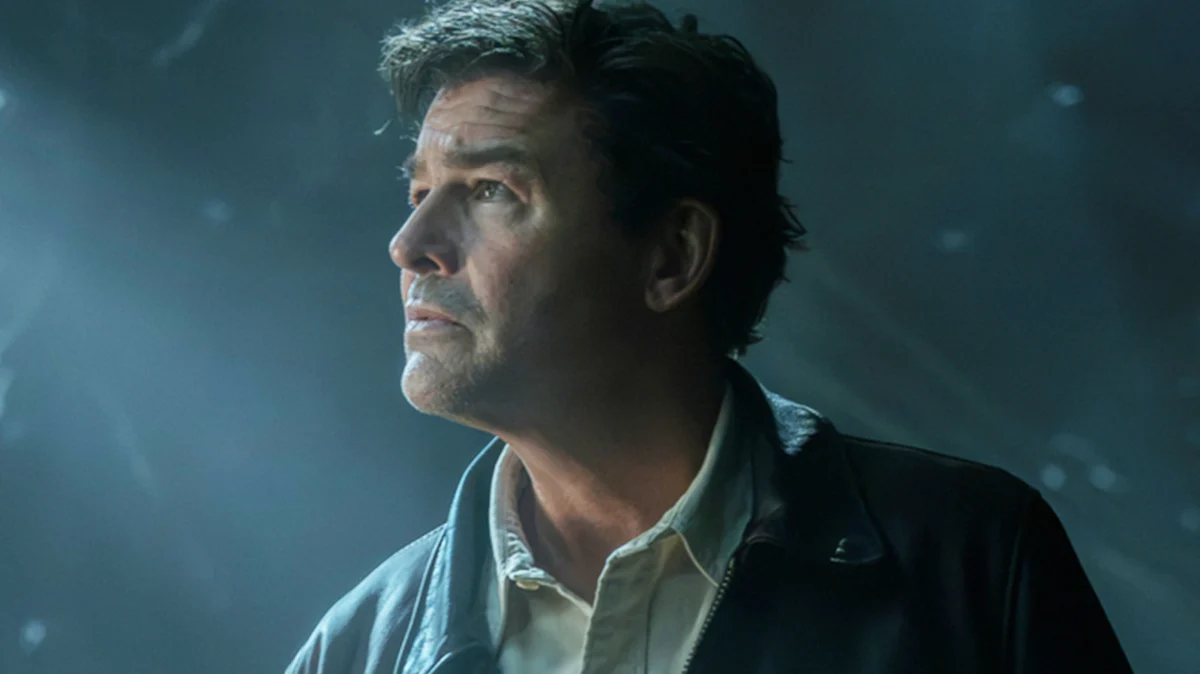
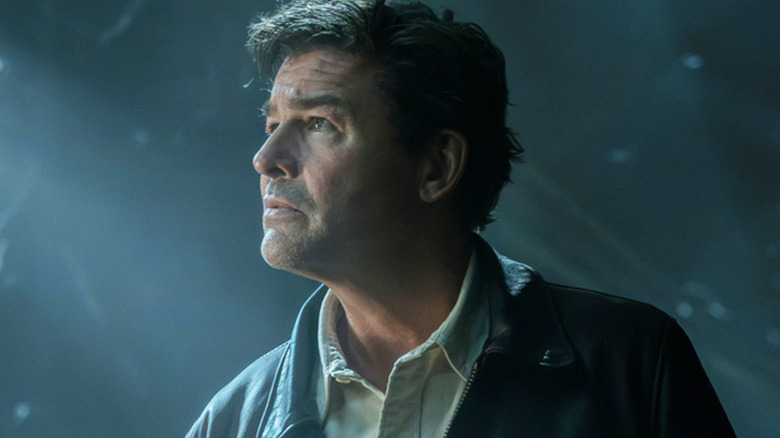
HBO’s prestige sci-fi series Lanterns, which premiered in August 2026, initially looked poised to double down on this exhausted creative habit. Promoted by showrunners and press alike as "True Detective meets Slow Horses," the series cast Kyle Chandler as veteran space cop Hal Jordan and Aaron Pierre as rookie John Stewart, tracking their investigation into a terrestrial mystery in Rushville, Nebraska.
However, halfway through its freshman season, Lanterns engineered a remarkable creative pivot. Shedding the derivative trappings of a mid-tier prestige crime drama, the series abandoned its heavy-handed pastiche to embrace the unique, cosmic mythology of DC Comics. In doing so, it transformed into an emotionally resonant, original character study that serves as a blueprint for how modern comic book adaptations should evolve.
Chronology: The Evolution of a Superhero Procedural
The Genesis of a Pitch (2025–Early 2026)
When HBO first rolled out the marketing campaign for Lanterns in early 2025—highlighted by a splashy Vanity Fair profile—co-creator and showrunner Chris Mundy explicitly framed the series around a dusty, grounded aesthetic. Drawing inspiration from Nic Pizzolatto’s bleak crime anthology True Detective and the cynical workplace friction of Apple TV+’s spy thriller Slow Horses, the production even brought on Slow Horses Season 1 director James Hawes to helm the opening episodes. Fans were promised a grounded detective story where two interstellar lawmen combed through small-town secrets, keeping high-concept superhero tropes at arms-length.
The Derivative First Half (August 2026)
When the series finally debuted in August 2026, the early episodes heavily reflected those initial pitch meetings—to mixed results. For the first four installments, Lanterns operated as an inferior pastiche of its inspirations.
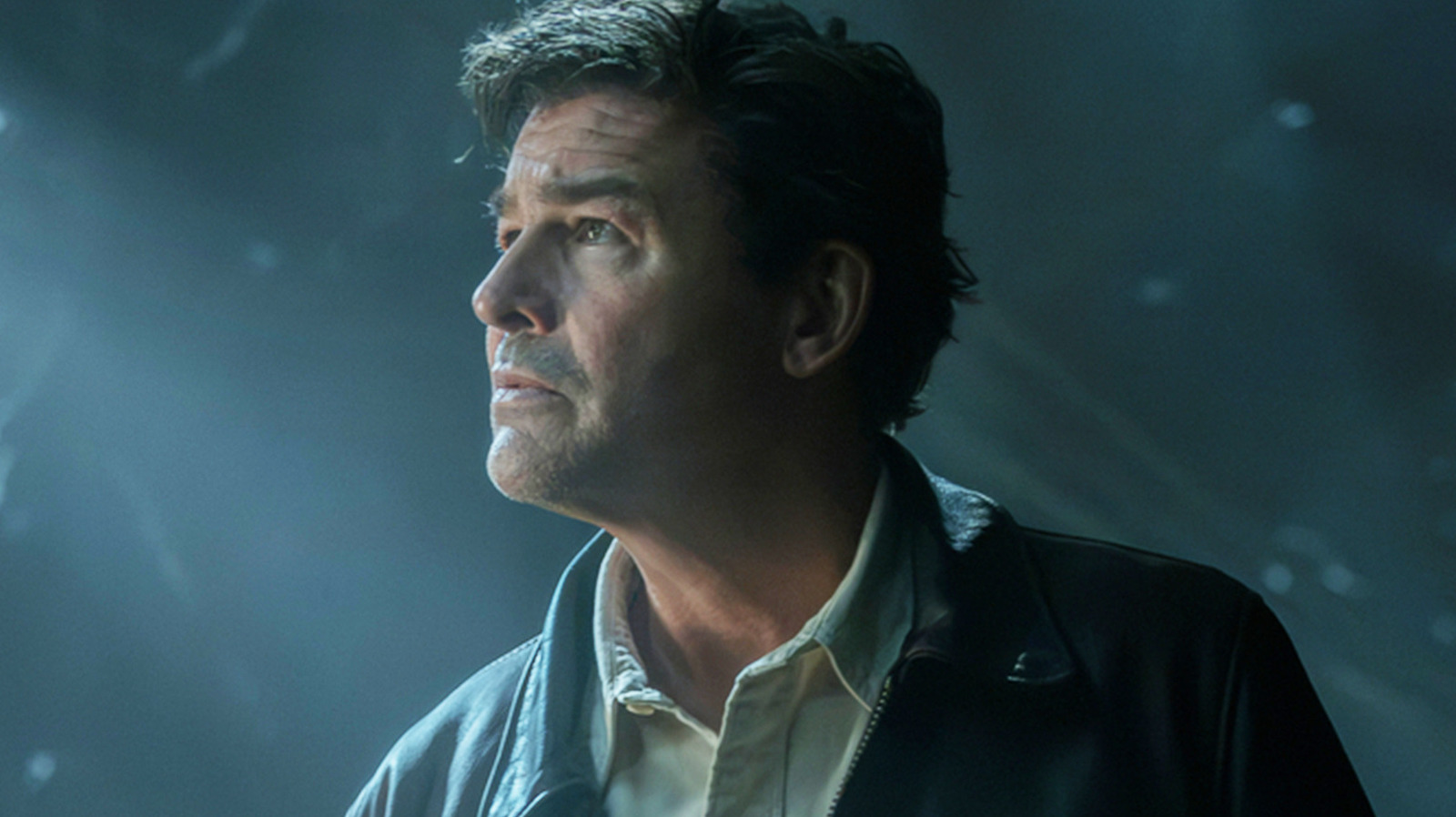
Hal Jordan and John Stewart arrived in rural Nebraska to investigate a localized mystery, mirroring the dynamic of Rust Cohle and Marty Hart. Yet, the dialogue lacked the poetic fatalism of True Detective, and the central mystery surrounding the identity of the "Manhunter" failed to capture audience engagement. When the fourth episode dropped its "shocking" twist—revealing the villain to be an unassuming local grandmother—the payoff landed with a whimper rather than a bang. Similarly, the bickering between Chandler’s Hal and Pierre’s John felt like a pale imitation of Jackson Lamb and River Cartwright from Slow Horses.
The Mid-Season Turning Point (Episode 5 Onward)
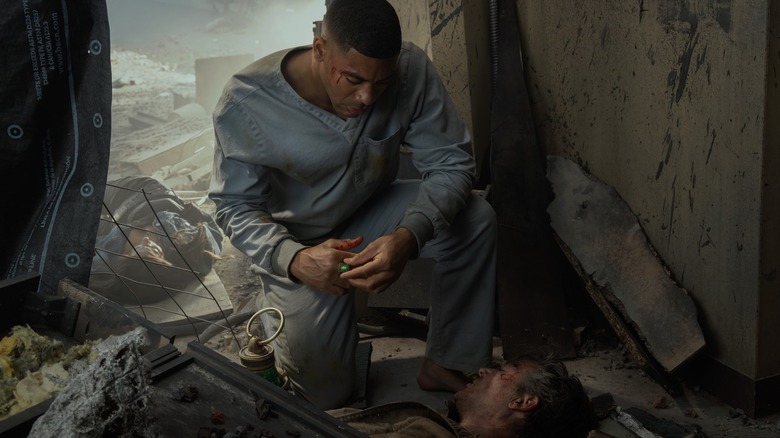
Everything shifted abruptly in Episode 5. Following an explosion of chaos in Rushville, Nebraska, and a brutal physical and ideological clash between the two lead characters, Lanterns shed its procedural skin.
Without a lackluster mystery to solve or other prestige TV shows to emulate, the series allowed the strained dynamic between Hal and John to breathe. The writing pivoted toward emotional honesty, utilizing the fundamental lore of the Green Lantern mythos to explore profound themes of aging, legacy, and identity. By Episode 7, the series introduced the "Halogram"—a digital-organic backup of a younger Hal Jordan’s consciousness stored within his Power Ring—culminating in a deeply moving narrative finale that proved the show no longer needed to borrow prestige to earn it.
Supporting Data and Context
The reliance on genre pastiche in superhero media is not a recent phenomenon, but it has become an existential concern for the genre’s long-term health. Data from box office tracking and critical aggregator sites over the last fifteen years shows a distinct correlation: while "grounded" and "genre-hybrid" comic book adaptations often score initial critical wins, they frequently exhaust themselves creatively by their second or third installments because they are tethered to the stylistic rules of other filmmakers.
-
The Analogy Blueprint:
- The Dark Knight (2008) $rightarrow$ Modeled after Michael Mann’s Heat (1995).
- Captain America: The Winter Soldier (2014) $rightarrow$ Modeled after Three Days of the Condor (1975).
- Joker (2019) $rightarrow$ Modeled after Martin Scorsese’s Taxi Driver (1976) and The King of Comedy (1982).
- The Batman (2022) $rightarrow$ Modeled after David Fincher’s Se7en (1995).
-
The Lanterns Metrics:
- Episode Count: 8 episodes in Season 1.
- The Pivot Point: Episode 5 ("The Turning"), which abandoned the small-town serial killer plotline in favor of cosmic character introspection.
- Key Creative Shift: The introduction of the ring-stored "Halogram" mechanism in Episode 7, utilizing unique DC lore rather than standard television crime tropes to drive emotional stakes.
Official Responses and Creative Insights
Industry stakeholders have increasingly defended the practice of anchoring fantastical characters in recognizable real-world genres, arguing that it makes accessible material that might otherwise alienate mainstream audiences. However, artists are also beginning to push back against the creative constraints of this formula.
Showrunner Chris Mundy noted in early promotional cycles that grounding the Green Lantern Corps was essential to making a television format viable on a prestige network. "You want to strip away the flash and find the human weight underneath," Mundy explained regarding the early-season focus on terrestrial detective work.
Yet, as the series progressed, the creative team recognized that suppressing the inherent, imaginative elements of the source material was counterproductive. Speaking on the mid-season shift, production insiders noted that the decision to lean into the weirder, high-concept elements of Green Lantern lore—such as consciousness backups and the psychological toll of the Power Rings—allowed the actors greater freedom to define their roles independently of cinematic archetypes.
Aaron Pierre, who portrays John Stewart, highlighted the transformation in a post-finale retrospective: "In the beginning, we were navigating a world that felt very heavily defined by external tones. But once the dust settles in Rushville, the characters stop trying to fit into a mold and start dealing with the heavy, existential reality of who they actually are."
Implications: A New Era for Comic Book Adaptations
The trajectory of Lanterns carries significant implications for the future of superhero storytelling across both film and television.
1. Rejecting the "Pastiche Trap"
For years, the cultural conversation surrounding comic book adaptations has been plagued by exhaustion. Audiences are increasingly wary of major studios trying to legitimize source material by dressing it up as gritty crime thrillers, political thrillers, or psychological dramas. Lanterns proves that hiding from the source material is a dead-end strategy. The show only truly found its footing when it stopped pretending to be True Detective and started embracing the rich, speculative fiction native to DC Comics.
2. The Danger of Delayed Payoffs
While the ultimate evolution of Lanterns has been praised by critics as a triumph, it comes with a structural warning. Spending four episodes executing a "bad impression" of other prestige television alienates viewers who may not have the patience to wait for a show to find its identity. Future adaptations looking to follow the Lanterns playbook must learn to trust their unique premise from frame one, rather than using familiar genre scaffolding as training wheels.
3. Elevating Lore Over Borrowed Tropes
The introduction of the "Halogram" in the latter half of the season represents a masterclass in how to adapt comic book lore meaningfully. Instead of inventing mundane human drama to manufacture tension, the writers utilized the literal mechanics of the Green Lantern Power Ring to explore universal human themes: aging, regret, and the strange disconnect between who we were in our youth and who we become.
If Hollywood hopes to survive the looming tide of homogenized, AI-driven content and audience fatigue, it must take a page out of the second half of Lanterns. Novelty, originality, and a fearless commitment to source material are no longer optional—they are prerequisites for survival.
