
The Anatomy of a Scandal: Deconstructing Aaron Sorkin’s ‘The Social Reckoning’

In the pantheon of modern biographical dramas, few films have arrived with the cultural weight and immediate, bleeding-edge relevance of Aaron Sorkin’s The Social Reckoning. Released in October 2026, the film serves as a spiritual successor to Sorkin’s 2011 masterpiece, The Social Network. While its predecessor captured the volatile, dorm-room genesis of a digital empire, The Social Reckoning turns its lens toward the mature, gargantuan, and arguably predatory beast that Meta (formerly Facebook) has become.
By chronicling the explosive 2021 “Facebook Files” investigation, Sorkin has crafted a film that feels less like a historical retrospective and more like an urgent dispatch from the front lines of the ongoing war for the digital soul of humanity.
Main Facts: A Narrative of Accountability
The Social Reckoning is fundamentally an investigative thriller. It eschews the sweeping origin-story tropes of traditional biopics, opting instead for a laser-focused narrative centered on the collision between institutional power and individual conscience. The film follows the trajectory of Frances Haugen, the former Facebook product manager whose leak of thousands of internal documents exposed the company’s internal awareness of its platform’s role in promoting misinformation, radicalization, and mental health deterioration among teenagers.

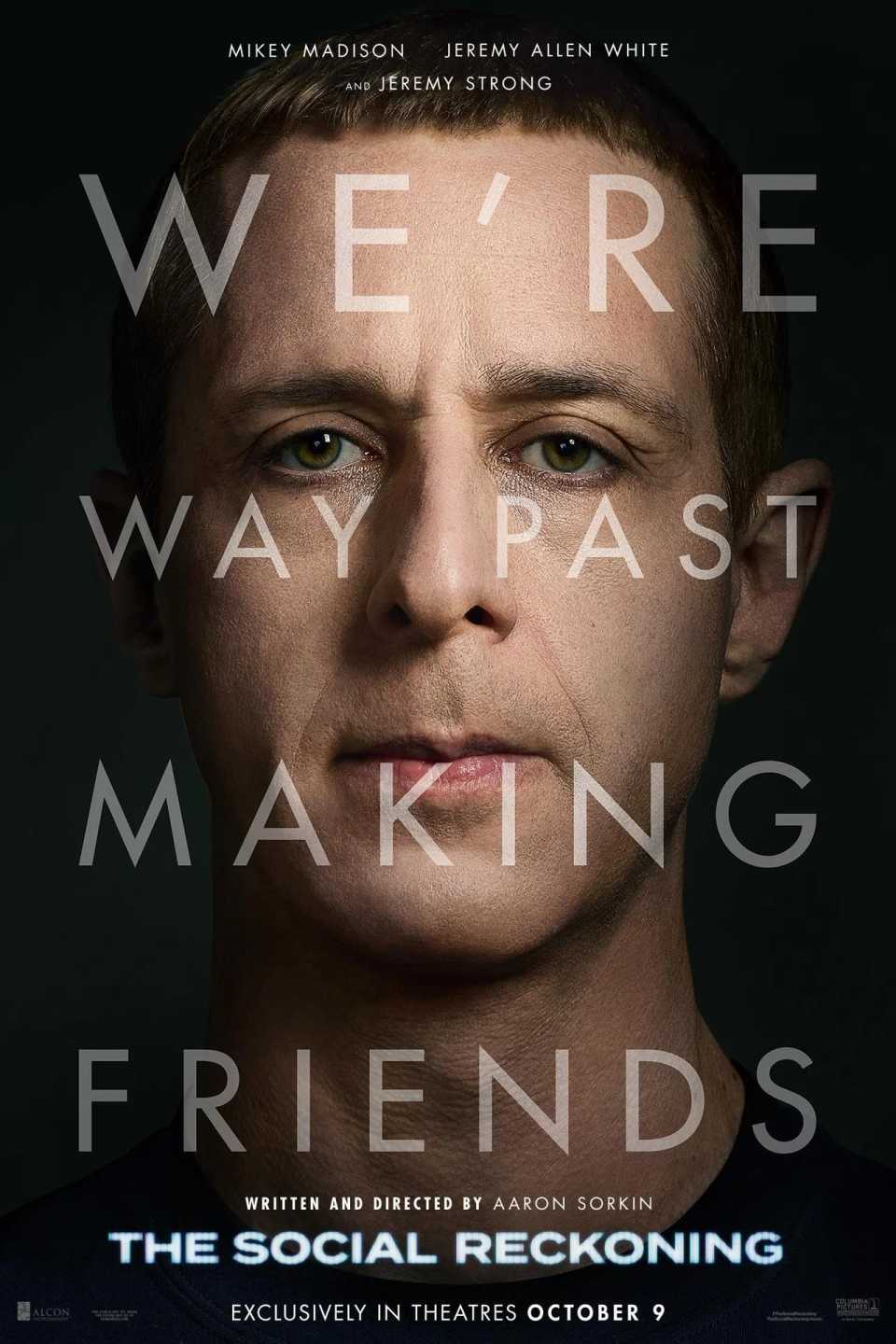
The film operates with a tight ensemble cast. While Mark Zuckerberg (portrayed with unsettling, detached precision by Jeremy Strong) looms over the proceedings like a modern-day titan, the film’s heartbeat is the partnership between Haugen (Mikey Madison) and Wall Street Journal investigative reporter Jeff Horwitz (Jeremy Allen White). Unlike the sprawling cast of The Social Network, this film limits its focus to four primary pillars: the whistleblower, the journalist, the architect of the platform, and the ideological adversary.
The Chronology of the Files
To understand the film, one must understand the timeline of the real-world events that Sorkin meticulously adapts.
2019: The Seeds of Dissent
The film begins in the pre-pandemic era, tracing Haugen’s tenure on the Civic Integrity team at Facebook. Sorkin highlights her initial optimism—the belief that the platform could be a force for global connection—before contrasting it with the grim reality of the 2020 U.S. election cycle. The screenplay depicts the precise moment of disillusionment, as Haugen realizes that internal guardrails were being systematically dismantled to prioritize engagement metrics over public safety.

2021: The Breaking Point
The second act mirrors the real-world sequence of 2021. As the Wall Street Journal began publishing “The Facebook Files,” the cultural conversation regarding tech regulation reached a fever pitch. Sorkin captures the high-stakes, frantic nature of the investigative process: the midnight meetings, the encryption of sensitive data, and the quiet bravery of a whistleblower navigating the legal minefield of corporate litigation.
2026: The Legacy
The film’s conclusion bridges the gap to the present day, contextualizing the aftermath of these revelations. It highlights how the documents served as a catalyst for legislative debates that continue to rage in the halls of Congress and beyond.
Supporting Data: The Players Behind the Drama
The film’s efficacy relies on its portrayal of real-world figures whose actions continue to dictate the terms of our digital existence.
Frances Haugen: The Moral Compass
Mikey Madison’s portrayal of Haugen highlights the psychological toll of whistleblowing. Haugen, a former Google employee, brought a data-driven approach to her dissent. She didn’t just have anecdotes; she had spreadsheets, internal presentations, and slides detailing the company’s "net negative" impact. Today, Haugen resides in Puerto Rico, maintaining a lower public profile but continuing her work as a consultant and advocate for AI ethics and social media accountability. Her involvement in The Social Reckoning was comprehensive; she served as a key consultant, ensuring the film remained faithful to the spirit of the evidence she provided to Congress.
Jeff Horwitz: The Architect of Truth
Jeremy Allen White’s performance as Jeff Horwitz brings a grounded, blue-collar intensity to the role of the investigative journalist. Horwitz’s work, which culminated in his seminal book Broken Code: Inside Facebook and the Fight to Expose Its Toxic Secrets, serves as the primary source material for the film. Horwitz remains a titan of tech journalism, now reporting for Reuters. His 2026 Pulitzer Prize win for exposing the dangers of Meta’s chatbot advertising algorithms proves that his commitment to holding Big Tech accountable has only sharpened with time.
Mark Zuckerberg: The Unmoved Mover
Jeremy Strong’s Zuckerberg is a study in stoic insulation. The film depicts him not as a mustache-twirling villain, but as a man so thoroughly convinced of his own techno-utopian mission that he is incapable of acknowledging the human cost of his product. Zuckerberg remains the controlling stakeholder of Meta. Despite the public relations crises, congressional hearings, and the massive shift toward the Metaverse, he has remained steadfast in his leadership, a testament to the near-impenetrable structure of Meta’s dual-class share system.
Charlie Garrigan: The Shadow of Roger McNamee
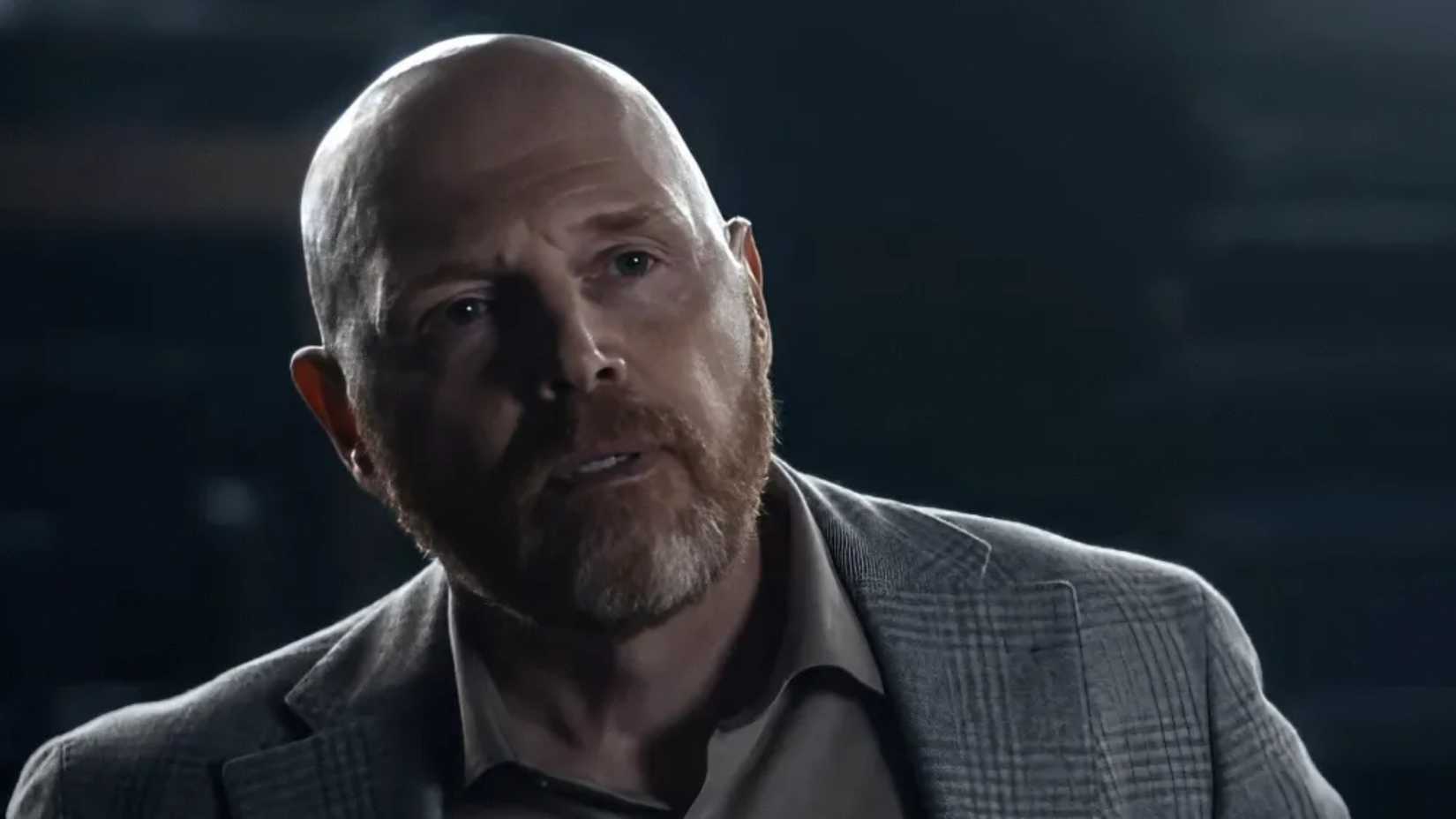
Perhaps the most intriguing creative choice is the inclusion of Bill Burr as Charlie Garrigan. While a composite character, Garrigan is explicitly modeled after Roger McNamee, an early investor who became one of the company’s most vocal critics. McNamee’s journey—from Silicon Valley insider to the founder of the “Real Facebook Oversight Committee”—provides the film with its most cynical, yet necessary, voice. He represents the "buyer’s remorse" of the tech elite.
Official Responses and Industry Impact
Meta has maintained a consistent posture regarding the events depicted in the film. Historically, the company has characterized the “Facebook Files” as a series of selective, out-of-context leaks designed to paint a biased picture of a complex operation. In response to the film’s release, representatives for the company have reiterated their commitment to safety improvements, pointing to the implementation of new parental controls and updated algorithmic transparency tools—a narrative the film challenges by focusing on the company’s history of "prioritizing growth over safety."
The academic and political response has been largely supportive of the film’s message. Digital rights advocates have praised Sorkin for distilling complex algorithmic issues into a digestible, compelling narrative that highlights the necessity of federal regulation.

Implications: A Society at the Crossroads
The Social Reckoning is more than a movie; it is a document of a historical moment where the public finally pulled back the curtain on the engines of the digital age. The implications of the film are twofold:
- The Crisis of Oversight: The film underscores the failure of self-regulation. By detailing how the company’s own internal oversight board was designed to be toothless, Sorkin posits that when a corporation reaches a certain scale, the only effective counterweight is government intervention.
- The Individual vs. The Machine: At its core, the film is a meditation on the power of the individual. It suggests that even in a world dominated by massive, opaque algorithms, the truth remains a potent weapon. Frances Haugen’s act of whistleblowing shifted the global narrative, and the film serves as a reminder that the "terms of service" under which we live are not immutable—they are choices made by individuals in boardrooms.
As we move further into an era defined by artificial intelligence and hyper-connected media, The Social Reckoning leaves the audience with a chilling, lingering question: If we allowed these platforms to become the infrastructure of our public discourse without sufficient oversight, can we ever truly reclaim control of the narrative?
In the final assessment, Aaron Sorkin has delivered a film that demands we look at our screens not as neutral tools, but as active participants in the shaping of our reality. It is a cautionary tale, a procedural thriller, and a portrait of the struggle between the digital future and the human cost of progress. Whether or not it leads to actual policy change remains to be seen, but as a piece of cultural advocacy, its impact is undeniable.
