
The Anatomy of a Misstep: Why ‘The Social Reckoning’ Represents a Cinematic Failure
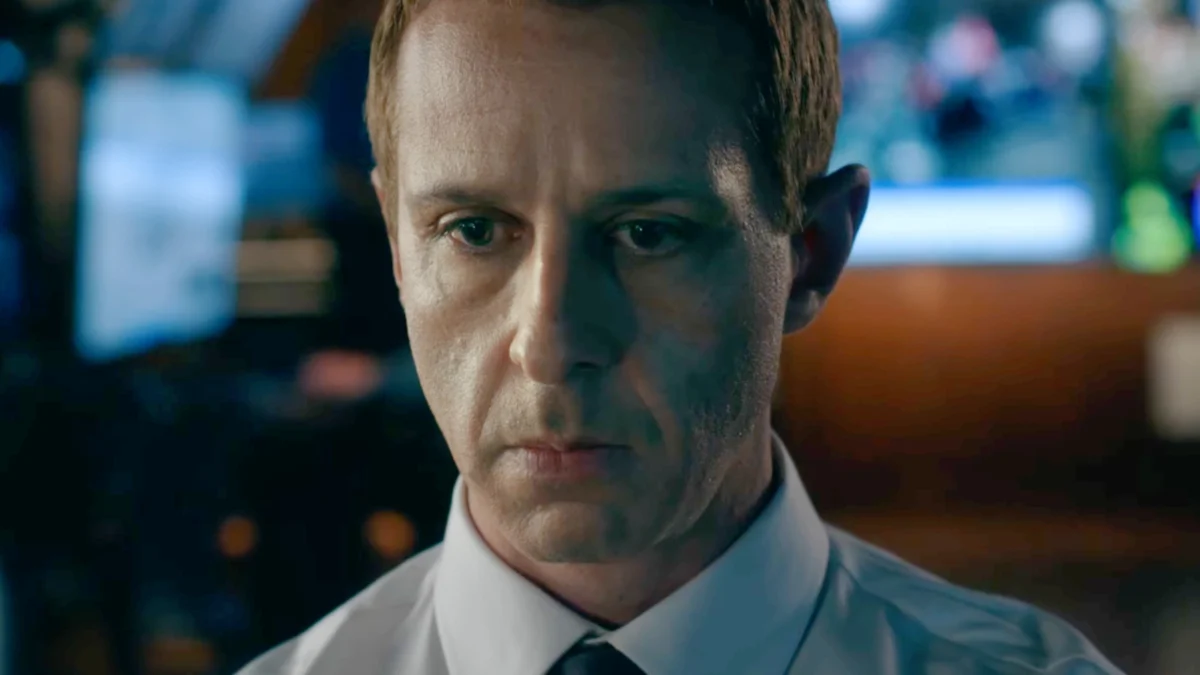
The history of cinema is littered with ill-advised sequels, but few have invited as much scrutiny and skepticism as The Social Reckoning. As a standalone successor to David Fincher’s 2010 masterpiece The Social Network, the film arrived with immense expectations, tasked with capturing the modern evolution of the platform that changed the world. Instead, the project—written and directed by Aaron Sorkin—has become a cautionary tale of creative hubris. By the time the credits rolled, it became clear that the project’s fatal flaw wasn’t just the script or the direction; it was a fundamental casting vacancy that should have served as an irredeemable stop sign.
The Genesis of the Failure: The Eisenberg Vacancy
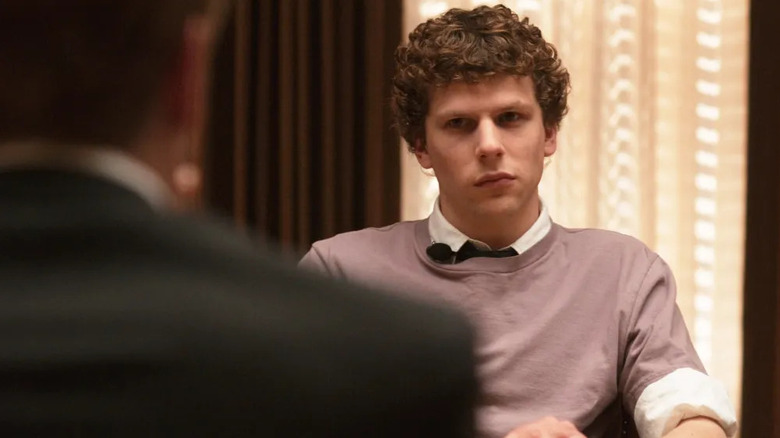
The moment Jesse Eisenberg declined to return to the role of Mark Zuckerberg, the foundation of The Social Reckoning effectively crumbled. In the 2010 original, Eisenberg’s portrayal of the Facebook founder was nuanced, razor-sharp, and deeply unsettling—a performance that earned him an Academy Award nomination and helped define the cultural zeitgeist of the early 2010s.
When Sorkin took the reins as both writer and director, he was faced with a significant creative hurdle. Eisenberg, who has consistently demonstrated a preference for projects that challenge him creatively rather than those that offer high-profile paychecks, famously turned down the role. This refusal was not a matter of scheduling, but a deliberate career choice. Eisenberg has been vocal about his desire to move in new directions, distancing himself from the baggage of the Zuckerberg character.
The irony, however, is that Sorkin’s persistence in moving forward without his original lead turned the project into a hollow shell of its predecessor. By attempting to recreate the lightning-in-a-bottle dynamic of The Social Network without the actor who gave that dynamic its heartbeat, the film doomed itself to unfavorable comparisons before a single frame was captured.
Chronology of a Misguided Production
The trajectory of The Social Reckoning is a study in how even the most talented filmmakers can lose their way.
- The Proposal: Following the continued public scrutiny of Facebook’s role in global discourse, Aaron Sorkin began drafting a script intended to bridge the gap between the company’s inception and its modern-day crises.
- The Rejection: Sources close to the production confirm that Sony Pictures offered Eisenberg a substantial, high-seven-figure salary to reprise his role. Eisenberg’s refusal was categorical.
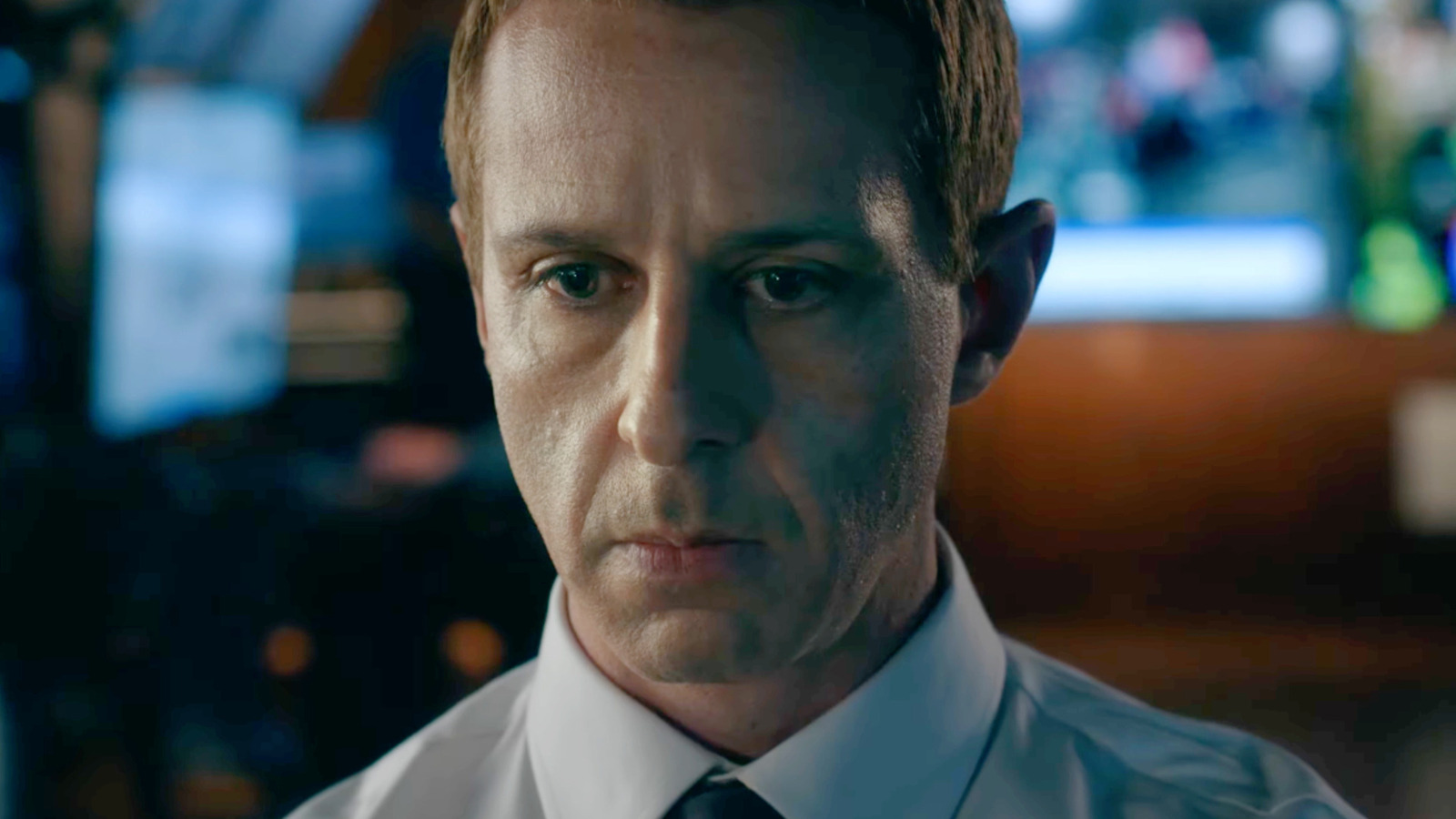
- The Pivot: Rather than abandoning the project or retooling the script to focus on new protagonists, Sorkin opted to recast. He selected Jeremy Strong, a critically acclaimed actor known for his transformative work in Succession, to inhabit the role of Zuckerberg.
- The Production: Filming commenced with a heavy emphasis on the legal and political fallout surrounding Facebook. However, reports from the set suggested a disconnect between Sorkin’s rigid dialogue and Strong’s method-acting approach.
- The Release: Upon its 2026 release, the film was met with immediate backlash from critics who found the characterization of Zuckerberg to be a distracting caricature rather than a grounded performance.
Supporting Data: When Talent Isn’t Enough
The casting of Jeremy Strong is perhaps the most confusing element of the entire production. Strong is arguably one of the finest actors of his generation, capable of immense internal depth and emotional complexity. However, The Social Reckoning forces him into a performance that can only be described as a stylistic mismatch.
In the film, Strong is saddled with heavy prosthetic makeup and a vocal affectation that many critics have likened to a caricature. Instead of the cold, calculated, and often brilliant menace Eisenberg brought to the screen, Strong’s Zuckerberg is frantic, robotic, and strangely inert.
The dialogue, a trademark of Sorkin’s fast-paced writing, feels strained here. While Sorkin is known for rhythmic, hyper-articulate scripts, in The Social Reckoning, the dialogue often devolves into repetitive monologues about "free speech." The film fails to explore the moral complexity of Facebook’s policies, choosing instead to hit the audience over the head with overt, heavy-handed metaphors. Where the 2010 original invited the audience to decode Zuckerberg’s motivations, this film essentially provides a lecture, leaving little room for the audience to form their own conclusions.
Official Responses and the "Money" Debate
The behind-the-scenes drama regarding Eisenberg’s absence has been played out in the press with unusual transparency. Aaron Sorkin, clearly stung by the rejection, gave an expansive interview to Entertainment Weekly where he detailed his attempts to lure the actor back.
"Money does not motivate Jesse," Sorkin noted. "If anything, money is a disincentive for him. It’s admirable. He’s very concerned about raising his kids with too much money." Sorkin went so far as to write a personal outline—a departure from his usual process—to demonstrate the "great moments" Eisenberg would be playing. He even admitted that he came close to changing Eisenberg’s mind, a testament to Sorkin’s persuasive power, yet ultimately, the actor remained firm.
Eisenberg’s response to the situation has been characteristically diplomatic but firm. In interviews with Variety, he noted that his reasons for declining were entirely personal and unrelated to the quality of the film. "I don’t want to be associated with that character," Eisenberg stated. This rejection highlights a fundamental truth about acting: a character is not merely a costume to be donned, but a psychological space that an actor must be willing to inhabit. Eisenberg, having outgrown that space, was unwilling to retreat into it.
Implications for the Industry: The Perils of Legacy Sequels
The failure of The Social Reckoning serves as a stark reminder of the limitations of the modern Hollywood franchise machine. In an era where intellectual property is treated as a guarantee of success, this film demonstrates that without the creative synergy of the original team, a project can quickly lose its soul.
The implications are twofold:
- The Casting Trap: There is a growing tendency to prioritize the "brand" of a character over the specific actor who defined it. When a role is so inextricably linked to an actor’s specific performance style, recasting rarely pays off. It creates a "uncanny valley" effect for the audience, who struggle to accept the new version because their memory of the original is too vivid.
- Creative Stagnation: Sorkin’s struggle to move beyond the shadow of The Social Network is indicative of a broader industry issue where creators are pressured to revisit their greatest hits. By attempting to capture the same lightning, the director ended up with a film that felt like a pale, uninspired imitation.
A Final Verdict: The Climax of Controversy
Perhaps the most damning evidence against the film is its climax. In a scene depicting the January 6, 2021, Capitol insurrection, the film attempts to tie Zuckerberg’s personal inaction to the event in a way that feels unearned and manipulative. Watching Strong’s Zuckerberg stare at a screen in a state of performative, bug-eyed panic is not just a poor directorial choice; it is a moment that trivializes the gravity of the event it seeks to depict.
The Social Reckoning is a project that should have remained in the development phase. It lacks the intellectual rigor of its predecessor and, worse, it squanders the talent of a formidable cast. It is a film that reminds us that some stories, once told, are better left as they are, and that the "reckoning" in the title might ultimately refer to the harsh reality of the film’s own reception. For fans of the original, the best move is to treat this as an non-canonical entry—a footnote in a history that didn’t need to be rewritten.
