
Terror Under the Big Top: The Making of the British Indie Slasher ‘Charlie Shaw’s Revenge’
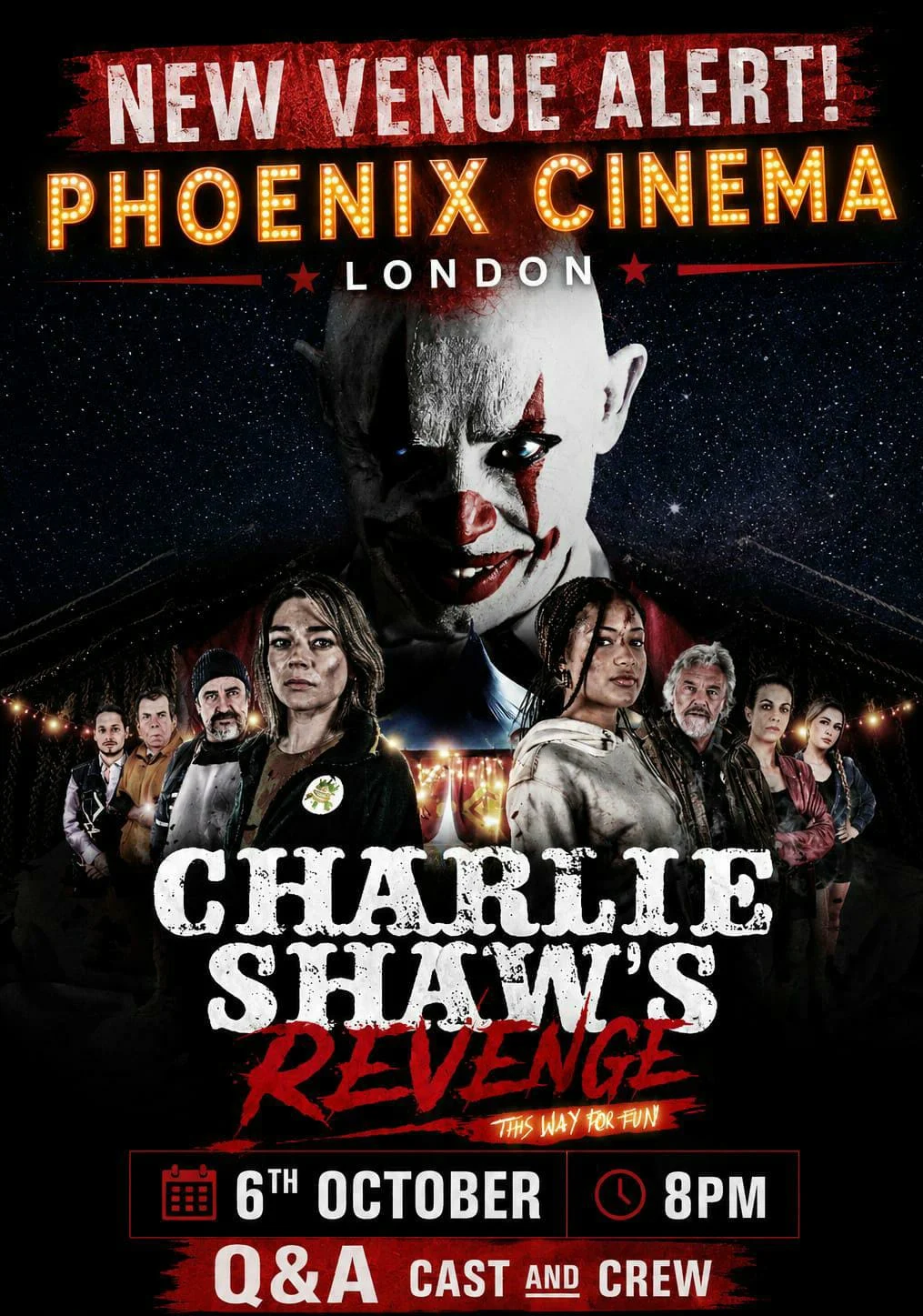
The British horror landscape is bracing for a new entry that promises to turn the nostalgia of a day at the fairground into a claustrophobic nightmare. Charlie Shaw’s Revenge, the latest feature from writer-director John Langridge, is poised to make its mark as a standout entry in the independent slasher genre. Departing from the urban tropes of typical horror cinema, the film relocates the carnage to the sprawling, eerie grounds of a decommissioned adventure park, where a group of maintenance workers discovers that some ghosts—and killers—refuse to stay buried.
The Premise: When the Funfair Turns Fatal
The narrative of Charlie Shaw’s Revenge centers on a seemingly mundane task: a group of contract workers is hired to refurbish and reopen a remote, long-dormant adventure park. What begins as a routine job involving structural repairs and mechanical maintenance quickly devolves into a desperate struggle for survival.
The "silent killer" at the heart of the film serves as a chilling antagonist, operating with an efficiency that contrasts sharply with the vibrant, colorful backdrop of the park. As the protagonists become isolated from the outside world, the film explores themes of forgotten history, the dangers of progress, and the inevitable consequences of buried secrets. By stripping away the high-tech bells and whistles of contemporary horror, Langridge relies on the inherent uncanny nature of abandoned rides, circus tents, and dilapidated stalls to build a persistent, gnawing dread.
Chronology: From Concept to Cinema
The journey of Charlie Shaw’s Revenge from script to screen is a testament to the grit of independent filmmaking in the United Kingdom.
- Development Phase: John Langridge conceptualized the project with a specific aesthetic in mind, aiming to capture a distinctly British brand of atmospheric horror. The goal was to avoid the glossy, artificial look of American studio slashers in favor of something grittier and more grounded.
- Production (The Location Shoot): The film achieved a significant technical feat by securing exclusive access to the East Sussex School of Circus Arts and the Knockhatch Adventure Park. This 65-acre site provided the production with a massive, authentic playground. By utilizing real circus equipment and genuine theme park architecture, the production team bypassed the need for expensive CGI environments, lending the film an organic, tactile quality that is rarely seen in modern indie horror.
- Post-Production: The editing process focused on maintaining a slow-burn tension, allowing the vastness of the 65-acre location to shrink around the characters as they realize they are being hunted.
- The Premiere and Distribution: Following a rigorous festival consideration process, the film locked in its premiere date at London’s iconic Phoenix Cinema for October 6th. Simultaneously, it secured a major distribution milestone with a US digital release on Prime Video scheduled for October 2nd.
Behind the Lens: The Significance of the Location
For horror aficionados, location is often as important as the cast. The decision to film at the East Sussex School of Circus Arts and Knockhatch Adventure Park is perhaps the film’s greatest asset. These locations offer a unique juxtaposition: the innocence of childhood recreation set against the stark, cold reality of a slasher narrative.
The 65-acre site, which had never been filmed in this capacity before, provided the cast and crew with an environment that felt inherently dangerous. The sheer scale of the park allowed for expansive, sweeping shots that highlight the isolation of the characters, while the narrow, dark corridors of the circus facilities provided the claustrophobia necessary for the film’s high-intensity sequences. According to production notes, the natural decay of the off-season park served as a perfect, pre-built set that required very little dressing, allowing the crew to focus their limited resources on cinematography and practical effects.
Official Responses and Creative Vision
John Langridge, the creative force behind the project, has spoken extensively about his desire to revitalize the "British Slasher" sub-genre. In various interviews, Langridge emphasized that his primary inspiration was not just horror cinema, but the tactile, physical nature of the locations themselves.

"When you walk through a place like Knockhatch when it’s closed, there’s a heavy silence," Langridge noted during early press junkets. "You don’t need to invent a monster to make it feel scary; you just need to put a human being in the middle of that silence and wait for them to realize they aren’t alone."
Critics and early industry reviewers have already pointed to the film’s "distinctly British feel," noting that the dialogue, pacing, and character archetypes differ significantly from the high-octane, jump-scare-heavy offerings currently dominating the US streaming market. The focus, according to early reports, is on the "silent" nature of the antagonist, which forces the audience to pay closer attention to the peripheral details of each frame.
Supporting Data: Distribution and Accessibility
The release strategy for Charlie Shaw’s Revenge reflects a modern, hybrid approach to film distribution. By targeting both a prestigious local cinema screening and a massive global streaming platform, the production team is maximizing the film’s exposure.
- London Premiere: The October 6th event at the Phoenix Cinema serves as the cornerstone for the film’s UK buzz. Tickets, which are currently available via the Phoenix Cinema’s portal, are expected to sell out as the local independent horror community rallies behind the project.
- US Digital Release: By hitting Prime Video in the US on October 2nd, the film bypasses the traditional, often prohibitive, theatrical release costs while instantly reaching a global audience. This strategy allows the film to gather "word-of-mouth" momentum in one of the world’s largest horror markets.
- UK Digital Status: While the UK digital release remains "to be confirmed," industry analysts suggest that a staggered rollout is likely intended to capitalize on the buzz generated by the London premiere.
Implications for the Independent Horror Genre
Charlie Shaw’s Revenge represents a significant case study in how small-budget productions can compete with larger studios through smart location choices and a strong, singular vision. The implications for the industry are twofold:
- The Rise of "Location-First" Filmmaking: As production costs for visual effects continue to rise, films like Charlie Shaw’s Revenge prove that securing a unique, authentic location can provide a higher production value than any green screen studio. This encourages future filmmakers to look at local landmarks and underutilized public spaces as cinematic goldmines.
- The Globalization of Indie Horror: The ease with which this film has secured a US digital release underscores the borderless nature of the genre. Horror fans are increasingly looking beyond domestic output, and the appetite for "British-flavored" cinema—with its specific focus on atmosphere and character-driven dread—is higher than ever.
A New Chapter for the Slasher
As the October release dates approach, the buzz surrounding Charlie Shaw’s Revenge continues to grow. By eschewing the supernatural in favor of a grounded, human-led threat, the film aims to remind viewers why the slasher genre remains so terrifying. It is not just about the act of violence; it is about the violation of a space that was supposed to be safe.
Whether it becomes a cult classic or a mainstream sleeper hit, Charlie Shaw’s Revenge has already succeeded in doing what every independent film hopes to do: it has created a conversation. With its unique setting, clear creative vision, and strategic distribution, it is well-positioned to be one of the most talked-about horror releases of the autumn season.
For those attending the London premiere or tuning in on Prime Video, the message from the production team is clear: prepare for a ride you won’t soon forget—if you make it out of the park alive.
