
From the Locker Room to the Soundstage: How Athletes Conquered Hollywood
For the modern professional athlete, the true mark of status has shifted. In previous generations, the "it" accessory was a rare luxury car, a sprawling estate, or a signature sneaker line. Today, the ultimate status symbol in the ultra-wealthy circles of the NBA, NFL, and beyond is a Hollywood production company.
The last decade has witnessed a gold rush of sports figures migrating from the field to the film set. From Tom Brady and Steph Curry to Peyton Manning, Kevin Durant, Blake Griffin, and Patrick Mahomes, the "athlete-as-mogul" has become the industry standard. While LeBron James—who founded SpringHill Productions in 2007—is often cited as the pioneer of this shift, the trend exploded in 2016, creating a new landscape where production shingles are as essential as a personal trainer or a financial advisor.
The Chronology of the Athlete-Producer Boom
The rise of the athlete-producer is not a coincidental phenomenon; it is a calculated response to the intersection of social media, the streaming wars, and the need for post-career viability.

- 2007: The Genesis: LeBron James founds SpringHill Productions. Though his full-scale pivot to Los Angeles wouldn’t occur until 2018, the foundation was laid early, proving that athletes could control their own narratives rather than being passive participants in documentaries.
- 2016–2019: The Gold Rush: As streaming platforms like Netflix, Hulu, and Amazon Prime began their frantic hunt for original content, they found in athletes a ready-made audience. Figures like Kevin Durant and Peyton Manning began formalizing their production entities, sensing that the market had an insatiable appetite for both high-end sports documentaries and scripted content.
- 2020–2023: Institutionalization: The industry saw the rise of specialized education and support systems. Initiatives like NFL player boot camps for media production and the launch of the NBA Summer League Film Festival underscored that this was no longer a hobby—it was a professional sector.
- 2024–Present: The Great Contraction: The post-pandemic streaming landscape has cooled significantly. With budgets tightening, the "Vanity Project" era is ending. Only those who have established repeatable, commercially viable business models are surviving, forcing a shift from quantity to quality.
The Economic Drivers of the Pivot
Why the sudden, massive influx? The answer lies in the "Brand Economy." Sports figures today possess social media followings that rival the biggest A-list movie stars. This massive, built-in audience provides an immediate return on investment for streamers who are struggling to find ways to reduce customer churn.
Furthermore, an athlete’s playing career is finite. By launching a production company, they aren’t just looking for a vanity project; they are seeking to build a "brand" that can exist long after their physical peak has passed. When streaming services began fighting for market share, they were desperate for content that brought in demographics that traditional Hollywood executives often failed to reach. They offered overall deals to these athletes, and the athletes, looking for longevity, obliged.
The Three Blueprints for Success
As the industry moves through a period of "The Great Contraction," we have learned that not all production houses are created equal. The most successful athlete-run entities generally fall into one of three distinct categories.

1. The Sports Hub: Omaha Productions (Peyton Manning)
Peyton Manning’s Omaha Productions stands as the gold standard. Founded in 2020, Omaha focused on what it knew best: sports. By starting with ESPN staples like "Peyton’s Places" and the "Manningcast," the company built trust and credibility.
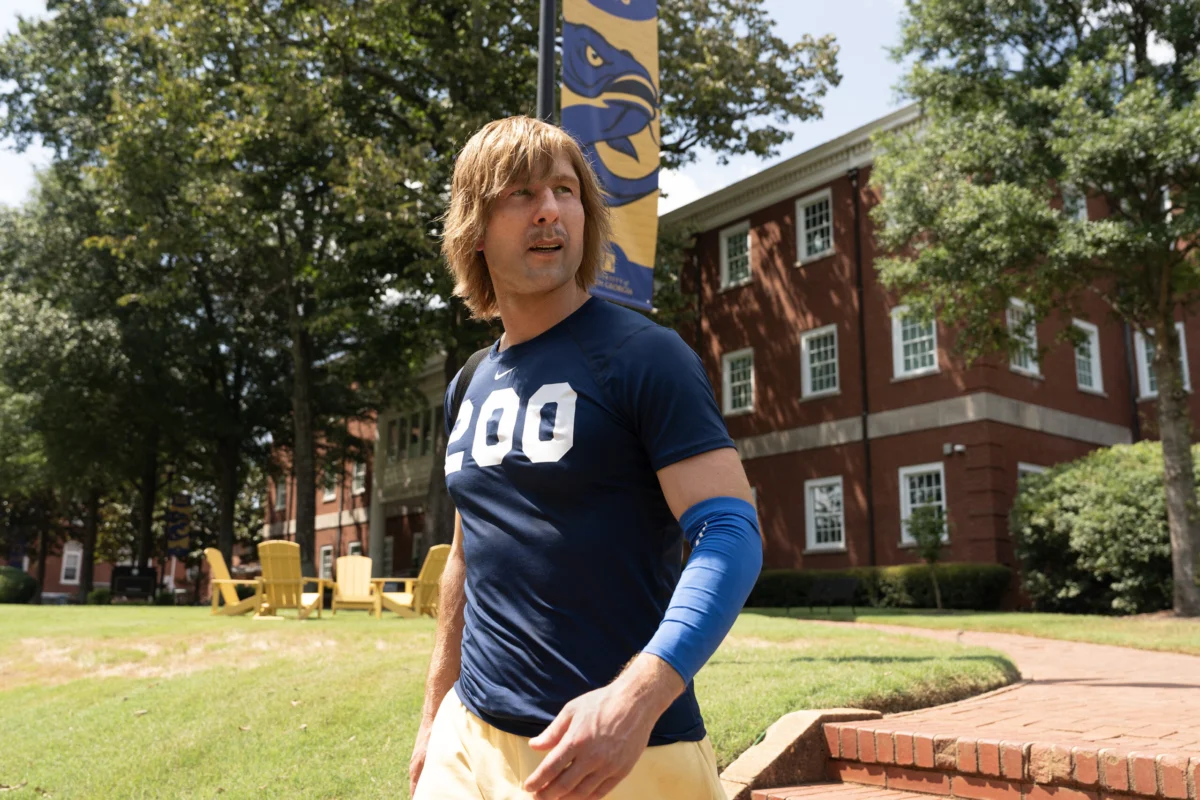
Their success with Netflix’s Quarterback demonstrated a mastery of the sports documentary genre. When they finally moved into scripted territory with Chad Powers, they did so by leveraging an existing piece of IP—a character Manning had already developed in a commercial. This demonstrates a core principle: Start within your expertise. By maintaining a high-quality bar, Omaha has reached a valuation near $1 billion, proving that if you dominate a niche, you can eventually conquer the broader market.
2. The Voice Extension: Unanimous Media (Steph Curry)
Steph Curry’s Unanimous Media operates on a different logic: the monetization of persona. Curry is a massive global brand whose appeal is built on wholesome charisma, family-friendly values, and basketball excellence. Unanimous Media produces content that reflects those values, such as Mr. Throwback and Holey Moley. They are not trying to produce the next gritty crime drama; they are producing content that aligns with the "Steph Curry brand." This creates a low-risk, high-loyalty ecosystem that appeals directly to his massive fan base.

3. The Archivist: 199 Productions (Tom Brady)
Not every company needs to be a multi-genre studio. 199 Productions represents a focused approach to legacy management. By producing hagiographic content like Man in the Arena and The Tuck Rule, Brady isn’t just making movies—he is curating his own historical narrative. This strategy provides a roadmap for athletes who want to maintain control over their legacy without the immense overhead of a general production studio.
Supporting Data and the Reality of Hollywood
The reality of the situation is often harsher than the press releases suggest. Los Angeles is a city filled with "Principals" of production companies that have never produced a single frame of film. The barrier to entry for setting up a company is low; the barrier to success is astronomical.
Industry insiders note that the failure rate for athlete-led projects is high because the skill sets required to navigate a salary cap are vastly different from the skill sets required to navigate a studio greenlight meeting. Producing is "hyper-specialized work." It requires understanding script coverage, talent acquisition, distribution logistics, and the cyclical nature of audience trends. Athletes who fail to hire experienced, seasoned producers to handle the day-to-day operations often find their companies shuttered within three years.

Official Industry Perspectives
According to a spokesperson for a major streaming service, the shift has been mutually beneficial but increasingly selective. "In 2018, we would have taken a meeting with any athlete who walked through the door. Today, we need to see a track record. We are looking for partners who understand that a famous face is not a substitute for a compelling script or a well-researched documentary concept."
The industry, however, remains optimistic about the "hybrid" athlete-producer. Agents and managers report that current negotiations for top-tier players almost always include discussions about media rights and production partnerships. The "Athlete-as-Mogul" is no longer an outlier; it is the baseline expectation for a player looking to maximize their long-term earning potential.
The Implications: Where Do We Go From Here?
The era of the "Vanity Project" is effectively dead. The Great Contraction has forced a winnowing of the field, where only the professional, disciplined, and strategic players remain.

For the next generation of athletes, the advice is clear:
- Don’t dilute your brand. If you are known for a specific type of personality or expertise, build your production portfolio around it.
- Partner, don’t just delegate. Hire the best in the business to run your day-to-day operations.
- Think long-term. A company is a business, not a hobby. If the project doesn’t have a path to profitability or significant cultural impact, it is likely a distraction.
As the lines between sports and entertainment continue to blur, we will likely see more crossover content. The athletes who succeed in this space will be the ones who treat their production houses with the same level of intensity, preparation, and focus they once brought to the court or the field. In Hollywood, as in sports, the scoreboard doesn’t lie—and right now, only the most disciplined are winning.
