
The Electric Charging Conundrum: Navigating Level 1, 2, and 3 Systems for Your EV
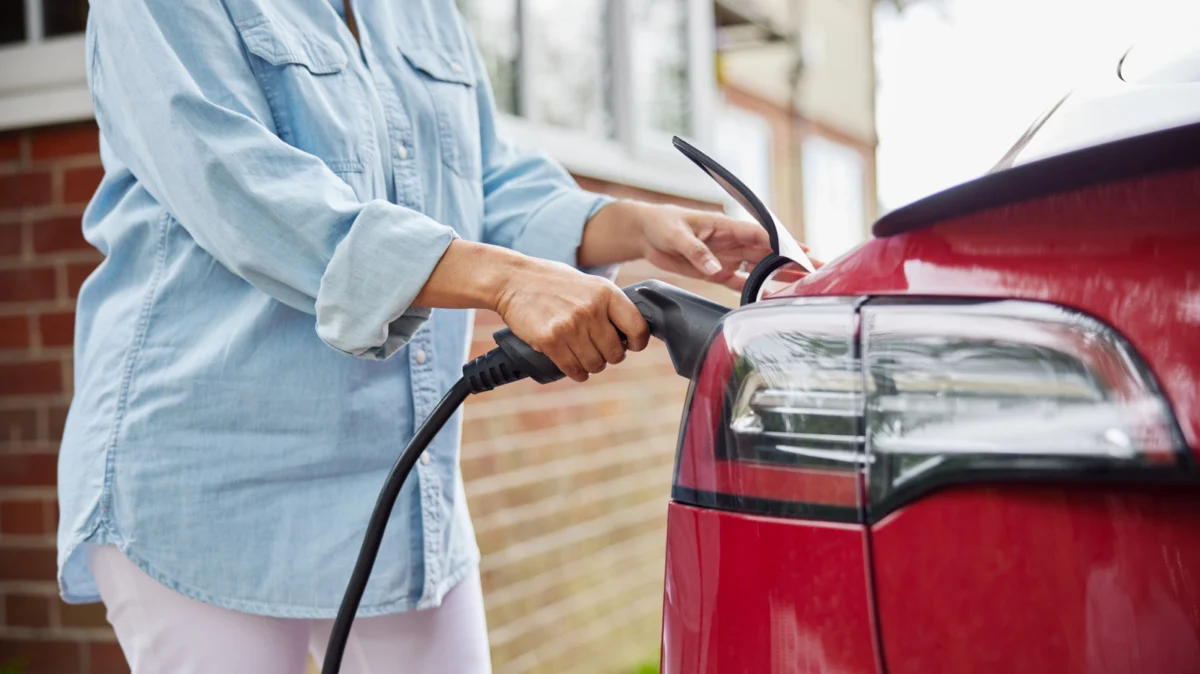
For many prospective electric vehicle (EV) owners, the transition from internal combustion engines to battery power is often hindered by a single, pervasive question: "How do I fuel this thing?" Unlike the uniform experience of visiting a gas station, the world of EV charging is a nuanced landscape of voltage, amperage, and varying hardware. Understanding the differences between Level 1, Level 2, and Level 3 charging is not merely a technical exercise—it is a critical factor in determining your daily convenience, the longevity of your battery, and the overall cost of ownership.
The Hierarchy of Power: Core Definitions
To simplify the charging landscape, the industry categorizes hardware into three distinct tiers based on the speed of energy transfer.
Level 1: The Household Standard
Level 1 charging is the most accessible form of energy transfer. It utilizes a standard 120-volt household outlet—the same type used for your smartphone or a kitchen appliance. Because of its limited voltage, it provides a slow, steady trickle of energy, usually capped at 1.4kW. This is the "plug-and-play" option, requiring no additional infrastructure beyond a standard grounded outlet.
Level 2: The Residential Benchmark
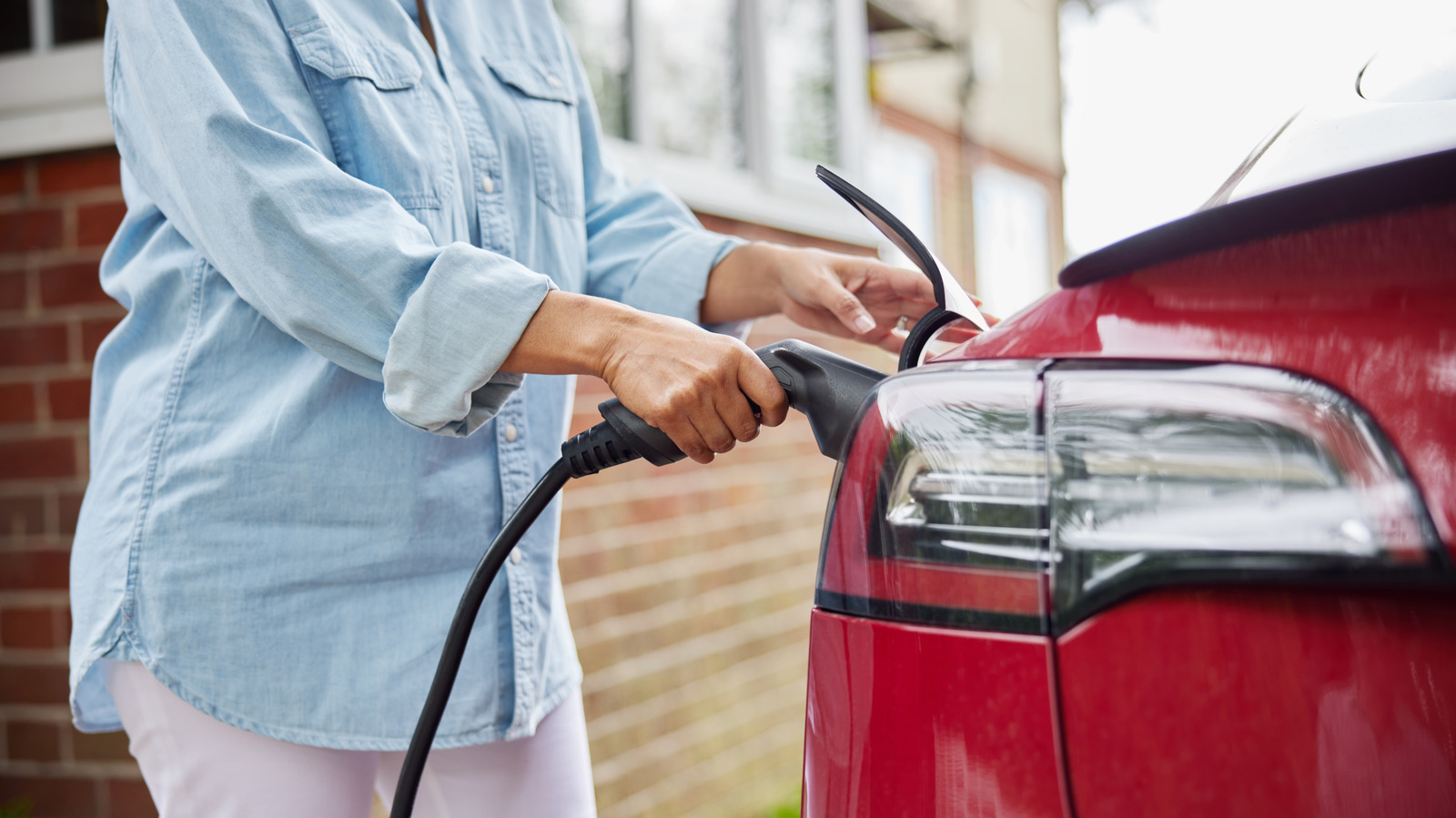
Level 2 charging steps up the game by utilizing a 240-volt circuit, similar to those used by heavy-duty appliances like electric dryers or ovens. This level of power is the gold standard for residential setups. A typical 40-amp Level 2 charger can deliver up to 9.6kW, significantly reducing the time spent tethered to an outlet.
Level 3: The Highway Sprinter
Level 3, often referred to as DC Fast Charging (DCFC), is the heavy artillery of the charging world. These stations bypass the vehicle’s onboard charger entirely, pumping high-voltage direct current directly into the battery pack. With outputs ranging from 50kW to 500kW, these units are designed to minimize downtime during long-distance travel.
A Chronological Evolution of Charging Infrastructure
The history of EV charging mirrors the rapid advancement of the vehicles themselves. In the early 2010s, when the first mass-market EVs like the Nissan Leaf entered the fray, charging was a primitive, slow experience. Most early adopters relied exclusively on Level 1 charging, leading to the "overnight-only" mentality.
As battery capacities increased, so did the demand for faster infrastructure. By 2015, the proliferation of Level 2 home charging stations became a staple of the EV ownership experience, thanks to government tax credits and a growing market of aftermarket hardware providers.
The most significant shift occurred within the last five years. As the industry moved toward high-capacity batteries (100kWh+), the need for ultra-fast charging became paramount. This led to the expansion of Level 3 networks like Electrify America, Ionity, and Tesla’s Supercharger network. Today, we are witnessing a final phase of standardization: the shift from various proprietary and regional connectors to the North American Charging Standard (NACS).
Supporting Data: Efficiency and Throughput
To make an informed decision, one must look at the math behind the plug. According to the U.S. Environmental Protection Agency (EPA), a Level 1 charger typically adds roughly 5 miles of range per hour of charging. Over a 10-hour overnight window, a driver can expect to recover about 50 miles of range—perfect for the average American commuter, but insufficient for a high-mileage road trip.
Conversely, a Level 2 charger operating at 40 amps can recover approximately 30 to 40 miles of range per hour. This allows for a full "refill" of a depleted battery in 6 to 8 hours, ensuring the vehicle is ready for a long-distance commute every single morning.
Level 3 chargers represent the extreme end of the spectrum. Modern vehicles, such as the Lucid Gravity or the Hyundai Ioniq 5, can utilize 800-volt architectures to go from 10% to 80% charge in under 20 minutes. However, it is vital to remember the "tapering effect." As an EV battery approaches its maximum capacity, the vehicle’s Battery Management System (BMS) automatically throttles the intake speed to prevent thermal damage, meaning the final 20% of a charge always takes longer than the first 20%.
Official Perspectives on Battery Health
A common point of contention among industry experts involves the long-term impact of Level 3 charging. Automotive engineers have long debated the effects of "rapid-fire" charging on the chemistry of Lithium-ion cells.
Official guidance from major manufacturers like Tesla and Rivian suggests that while high-speed charging is safe, the intense heat generated during DC fast charging can accelerate the degradation of battery capacity over time. The consensus among researchers is that while DCFC is perfectly fine for road trips, relying on it exclusively as your primary "home" charging method may lead to a faster decline in maximum range over a decade of ownership. Level 2 charging, which allows for a slower, more controlled energy flow, is considered the "sweet spot" for maintaining optimal battery health while providing necessary convenience.
Implications for the Modern EV Owner
Cost Analysis and Infrastructure Upgrades
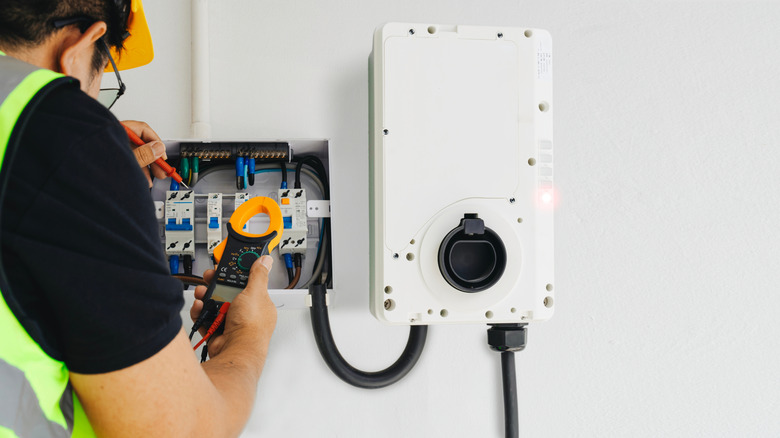
The financial implications of your choice are significant. A Level 1 charger is effectively "free" if you already have an outlet in your garage. A Level 2 installation, however, can cost anywhere from $500 to $2,000, depending on the complexity of your home’s electrical panel and the distance from the breaker box to your parking spot.
Homeowners must also consider Time-of-Use (TOU) electricity plans. Many utility providers offer significantly cheaper rates during off-peak hours (usually between midnight and 6:00 AM). Utilizing a smart Level 2 charger to schedule your charging window during these times can pay for the hardware installation within a few years through electricity savings alone.
The Connector Dilemma
The current landscape is complicated by the transition to NACS (the Tesla-style plug). Currently, millions of vehicles utilize the Combined Charging System (CCS) standard. While adapters are available, the industry is in a state of flux. Prospective buyers should check whether their vehicle supports Plug & Charge technology—a feature where the car communicates with the station to handle billing automatically—or if they will need to juggle multiple apps like ChargePoint, EVgo, or Electrify America.
Climate Considerations
Climate plays an outsized role in charging efficiency. In extreme cold, an EV must divert energy to the battery thermal management system just to get the cells to an operating temperature. In these instances, a Level 1 charger may be entirely insufficient, as it might struggle to overcome the power drain of the heater, resulting in a net loss of energy rather than a gain. For those living in colder climates, a Level 2 charger is not just a convenience—it is a necessity for reliable winter operation.
Final Verdict: Which Path to Choose?
The decision of which charger to use is not a one-size-fits-all proposition.
- Choose Level 1 if: You drive less than 30 miles a day, your parking spot is near a standard outlet, and you have access to a secondary vehicle or public charging for rare, high-mileage occasions.
- Choose Level 2 if: You drive long distances daily, live in a region with extreme temperatures, or want to ensure your vehicle is "always ready" to hit the road without needing to visit public stations.
- Use Level 3 only when: You are on a long-distance trip or require a rapid, emergency top-up. It is the most expensive and potentially the most taxing on your battery health.
As the charging network continues to mature, the barriers to EV adoption are rapidly falling. By understanding these technical nuances, you can optimize your charging routine, maximize the lifespan of your vehicle’s battery, and enjoy the true benefits of the electric revolution without the anxiety of the unknown.
