
The Invisible Infrastructure: Why Modern Mesh Wi-Fi Systems Abandoned External Antennas
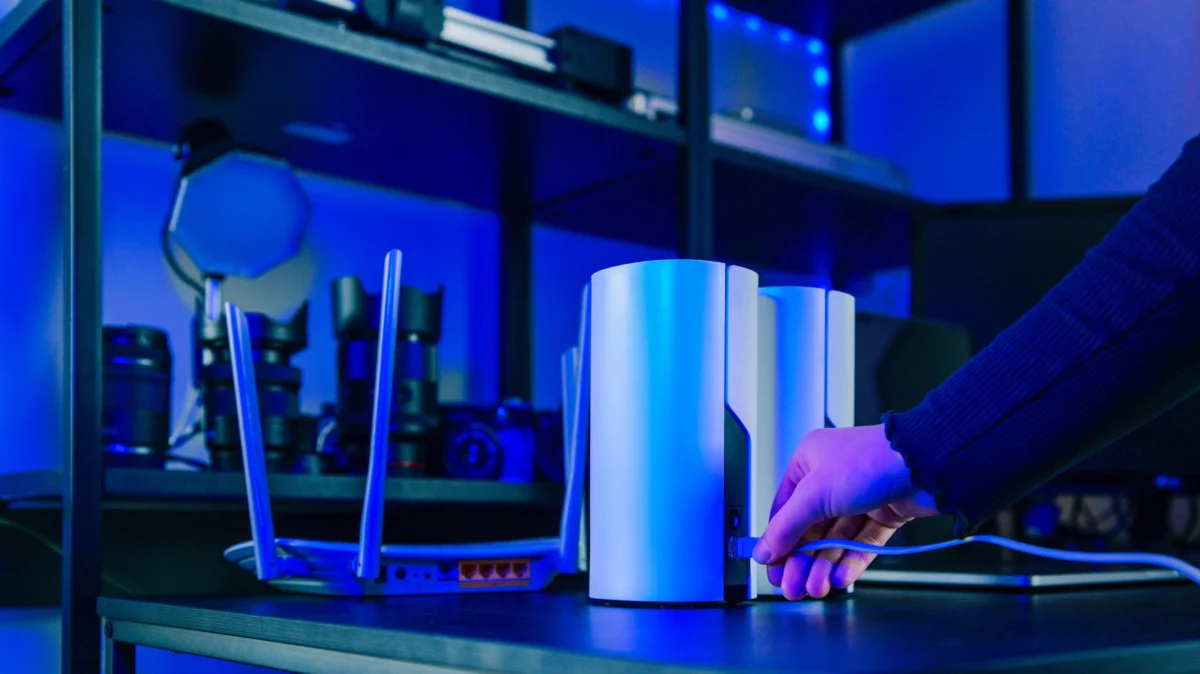
In the modern smart home, connectivity is the backbone of daily life. From 4K streaming and low-latency gaming to the proliferation of IoT devices like smart thermostats and security cameras, our reliance on robust wireless networks has never been greater. For years, the gold standard for high-performance networking was the "spider" router—a bulky, aggressive piece of hardware bristling with external, adjustable antennas.
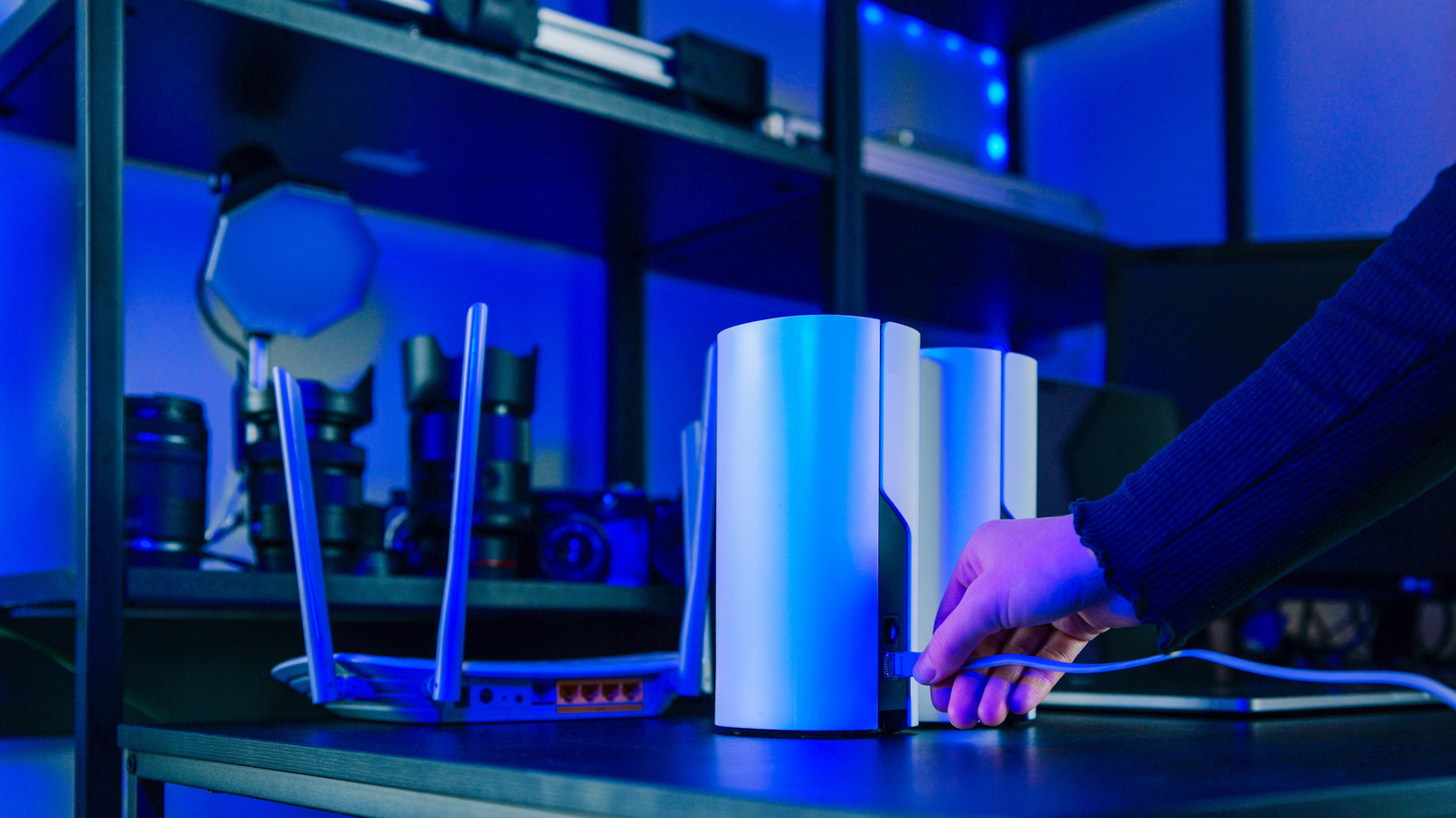
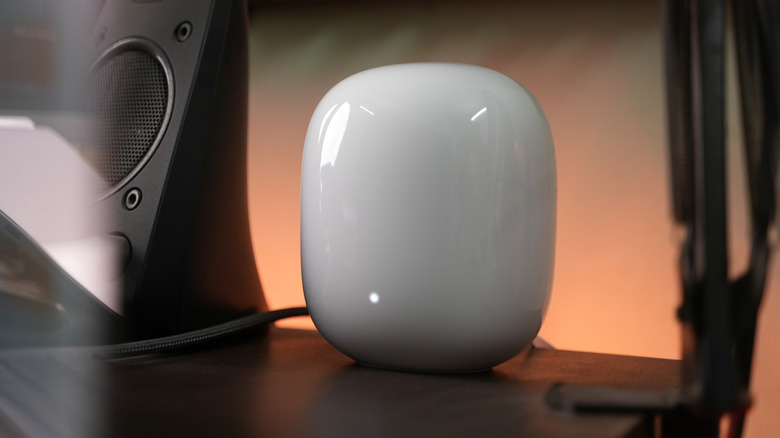
Yet, as we move into the era of mesh Wi-Fi, those iconic antennas have largely vanished. Modern mesh nodes are sleek, minimalist, and often resemble high-end home decor rather than industrial networking equipment. While this aesthetic shift is undeniable, the move to internal antennas is far more than a stylistic choice. It represents a sophisticated evolution in radio frequency (RF) engineering, cost management, and user experience.
Main Facts: The Engineering Reality of Internal Antennas
The primary misconception about mesh systems is that their lack of external antennas implies a compromise in signal strength. In reality, these devices are packed with antennas; they are simply hidden behind a sleek plastic shell.
External antennas are designed to provide high-gain, directional focus. They are excellent for punching a signal through a long hallway or into a specific corner of a house. However, mesh systems operate on a different philosophy: spatial distribution. Because a mesh system uses multiple nodes to cover a home, the goal is not to have one "hero" router fighting for every inch of range, but to have a collaborative network that shares the load.
By utilizing internal omnidirectional antennas, mesh routers can broadcast signals in a more uniform sphere. This uniformity is crucial for "handover" performance—the ability of your smartphone or laptop to switch from one mesh node to another as you walk through your home without dropping the connection.
Chronology: From "Radio Towers" to Seamless Decor
To understand why we have moved toward internal antennas, one must look at the historical trajectory of consumer networking hardware:
- The Era of Complexity (2000–2010): Routers were marketed as high-performance tools for enthusiasts. External antennas were a visual shorthand for "speed." Manufacturers competed on antenna count, leading to devices that looked like multi-limbed insects.
- The Rise of the "Smart Home" (2010–2015): As wireless devices moved from the office to the living room, user feedback began to shift. Consumers grew tired of hiding unsightly routers in closets or behind sofas, which ironically degraded signal performance.
- The Mesh Revolution (2016–Present): With the introduction of consumer-friendly mesh systems (pioneered by companies like Eero, Google, and Netgear), the design paradigm shifted. Since users were now expected to place multiple nodes in high-traffic, visible areas, the "industrial" look became a barrier to adoption. Design teams began integrating antennas directly into the chassis, leveraging advancements in PCB (printed circuit board) design to maintain performance while cleaning up the aesthetic.
Supporting Data: Why "Internal" Does Not Mean "Inferior"
The transition to internal antennas is supported by the specific technical requirements of modern Wi-Fi standards like Wi-Fi 6E and Wi-Fi 7. These standards utilize wider spectrums and more complex modulation techniques, which require precise internal calibration.
The Problem with External Adjustability
A major vulnerability of external antennas is user error. Most consumers do not understand RF polarization; they adjust antennas based on what looks "correct" rather than what provides the best signal. If an antenna is tilted at a suboptimal angle, it can create "dead zones" within a room. Internal, fixed-position antennas are factory-calibrated by engineers to ensure the radiation pattern is optimized for the most common domestic environments—typically rooms of 200–400 square feet with standard ceiling heights.
The Backhaul Advantage
High-end mesh systems often utilize "tri-band" or "quad-band" technology to create a dedicated wireless backhaul—a private lane for nodes to talk to each other without stealing bandwidth from your devices. This requires a complex array of antennas. Fitting this many antennas externally would result in a massive, fragile, and prohibitively expensive device. By internalizing them, manufacturers can pack in 8, 12, or more antennas within a compact space, carefully shielding them from one another to prevent electromagnetic interference.
Official Perspectives and Industry Strategy
Industry leaders point to "The Wife/Partner Acceptance Factor" as a major driver for design, but they are quick to clarify that this never comes at the expense of functionality.
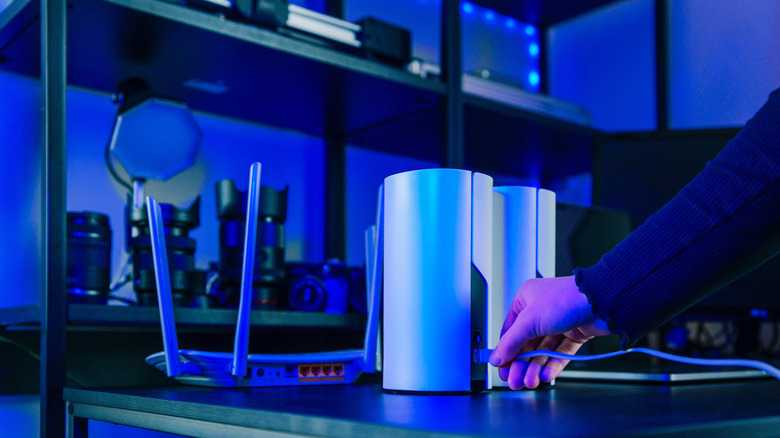
"We treat the mesh node as a piece of furniture," says one lead product designer from a top-tier networking firm. "If it sits on your bookshelf, it needs to look like it belongs there. But the engineering team has final veto power. If an internal antenna design drops throughput by even 5%, we go back to the drawing board to redesign the PCB layout to regain that performance."
From a manufacturing perspective, internalizing antennas also simplifies the supply chain. External antennas require complex plastic housing, hinge mechanisms, and gold-plated connectors, all of which are points of mechanical failure. By moving to a sealed internal design, manufacturers reduce the bill of materials and the likelihood of warranty claims caused by broken or loose antennas.
The Implications: What This Means for Your Home
The move to internal antennas signifies a fundamental shift in how we view internet connectivity. It is no longer an "infrastructure" project that requires a closet full of wires and blinking lights; it is now an integrated utility, like electricity or central heating.
1. Aesthetic Placement is Performance
Because these devices are designed to be seen, users are more likely to place them in open, central locations. This is the single most important factor in Wi-Fi performance. A router hidden in a cabinet—even with massive external antennas—will always perform worse than a sleek, internal-antenna mesh node placed on an open side table.
2. Durability and Future-Proofing
The lack of moving parts makes modern mesh systems significantly more robust. They are less susceptible to damage from dust, accidental bumps, or pets. Furthermore, as we move toward technologies like Wi-Fi 7, which require even more antennas to handle multi-link operations, the internal design is the only way to keep the devices small enough for the average home.
3. The Trade-off
It is important to acknowledge that for specific, extreme-range scenarios—such as a single router trying to cover a massive, 5,000-square-foot warehouse—the old-school, high-gain external antenna still has a place. However, for 99% of residential users, the mesh philosophy is superior. The "loss" of raw, directional range is far outweighed by the "gain" in reliable, distributed coverage throughout the home.
Conclusion
The disappearance of external antennas on mesh Wi-Fi systems is a success story of modern consumer electronics. It is a rare instance where the goals of designers (minimalism), accountants (manufacturing efficiency), and engineers (signal optimization) all converged on the same solution.
While the "spider" router will always hold a place in the hearts of legacy tech enthusiasts, the future of home networking is quiet, unobtrusive, and powerful. By moving the antennas inside, we haven’t just made our routers look better; we’ve made our networks smarter, more resilient, and fundamentally better suited to the needs of the modern, hyper-connected home. As you look at your own mesh node sitting unobtrusively on your bookshelf, remember: it isn’t missing anything. It’s just hiding the secret to a perfect connection.
