
20th Century Studios Enlists Josh Cooley for Live-Action Adaptation of ‘99 Nights in the Forest’
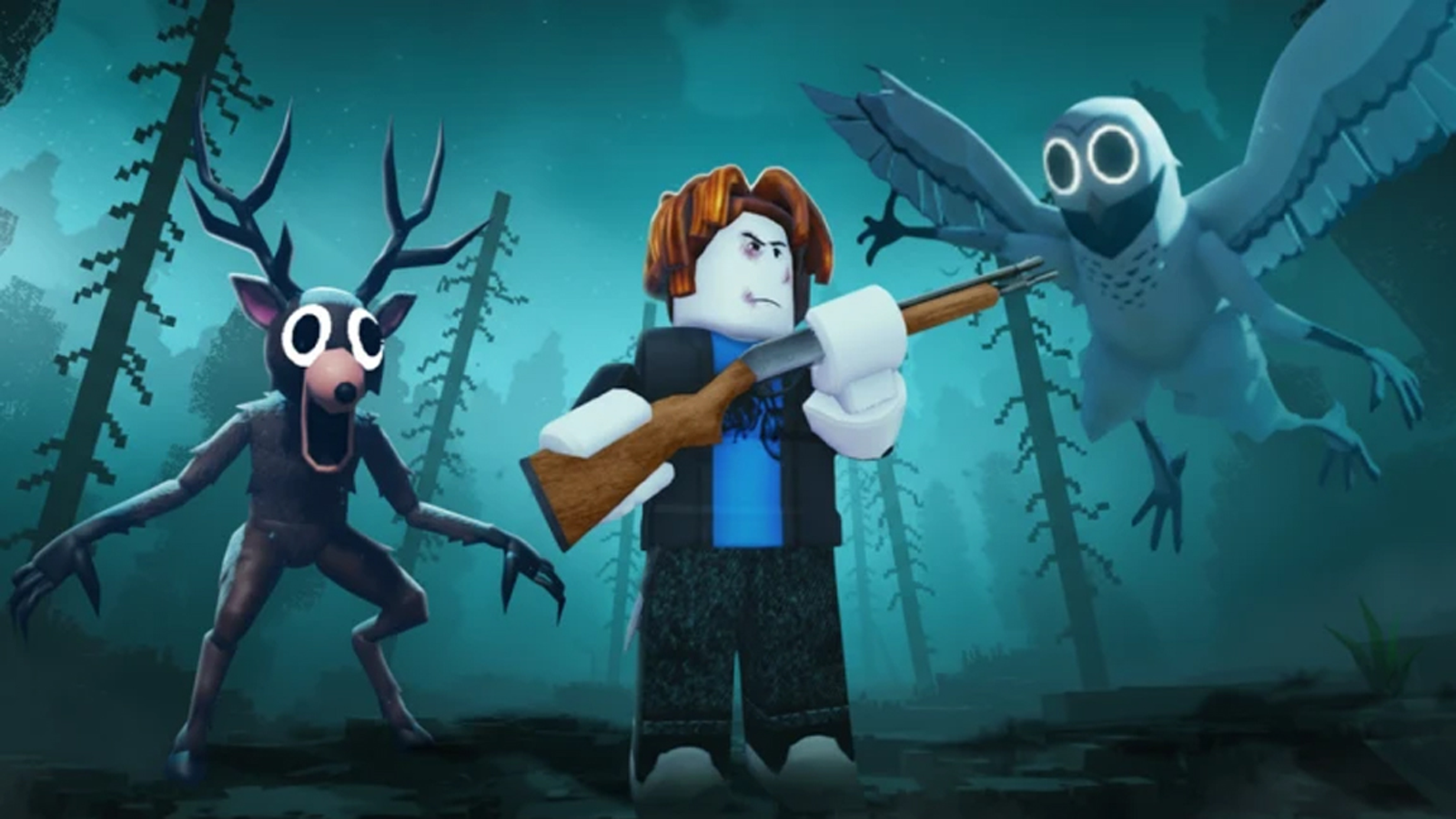
In a strategic maneuver that signals a significant pivot for 20th Century Studios, the production house has officially tapped veteran animation filmmaker Josh Cooley to pen the script for a live-action adaptation of the survival-horror video game 99 Nights in the Forest. This high-profile development marks the studio’s inaugural foray into the lucrative, albeit challenging, realm of video game-to-film adaptations, a subgenre that has seen a cinematic renaissance over the past half-decade.
The Core Narrative: A High-Stakes Survival Tale
99 Nights in the Forest is an action-survival game that has cultivated a dedicated following due to its oppressive atmosphere and high-stakes gameplay loop. The narrative premise is deceptively simple but fraught with psychological and physical tension: players are thrust into a malevolent, sprawling woodland where they must survive for 99 consecutive nights.
The primary objective is not merely survival; players are tasked with the harrowing mission of rescuing four lost children while fending off an array of eldritch, supernatural creatures that haunt the forest floor. The game’s design relies heavily on environmental storytelling, resource management, and the creeping dread of being hunted, elements that provide a fertile—if demanding—foundation for a live-action screenplay.
Josh Cooley: A Master of Storytelling Joins the Fold
The hiring of Josh Cooley is widely viewed as a signal of intent by 20th Century Studios. Cooley is a titan of modern animation, perhaps best known for directing the Oscar-winning Toy Story 4. His involvement brings a narrative precision that is essential when translating the non-linear, often repetitive nature of video games into a cohesive, character-driven feature film.
Cooley’s resume is nothing short of exemplary. His contributions to the Pixar canon are extensive, having worked on scripts and creative teams for Inside Out, Coco, Incredibles 2, Onward, and Soul. Recently, he has demonstrated his versatility by helming Transformers One, proving his ability to manage large-scale action sequences without sacrificing the emotional core of his characters. By entrusting the script to Cooley, the studio is signaling that they are looking for more than just a surface-level translation of game mechanics; they are looking for a story that carries the weight and heart typically reserved for high-end animation.
Chronology of the Project’s Development
The trajectory of 99 Nights in the Forest from a digital title to a major motion picture has been swift.
- Early 2024: 20th Century Studios officially secures the theatrical film rights to the game, outbidding several interested parties. The acquisition is kept relatively quiet as the studio begins identifying potential creative partners.
- Mid-2024: The studio enters advanced negotiations with production heavyweights Sam Raimi and Rob Tapert to bring their expertise in the horror-survival genre to the project.
- Late 2024: The deal with Josh Cooley is finalized. The announcement confirms that the studio is prioritizing script development as the next critical phase, with pre-production discussions surrounding potential directorial candidates expected to commence in the coming months.
Production Powerhouses: The Raimi-Tapert Connection
Perhaps the most intriguing aspect of this announcement is the involvement of producers Sam Raimi and Rob Tapert. As the architects of the Evil Dead franchise, the duo possesses an unparalleled pedigree in crafting horror experiences that balance visceral scares with dark humor and inventive camerawork.
The project’s executive production team is equally robust. The game’s original creators—Alec Kieft, Matthew Hufton, and Cameron Angland—are deeply embedded in the production, ensuring that the essence of their digital creation is preserved in the transition to film. They are joined by seasoned producers Romel Adam, known for his work on the critically acclaimed Evil Dead Rise, and Jose Cañas, who produced Play Dead. This assembly of talent suggests a production that will likely lean into the gritty, survivalist elements of the source material.
Supporting Data: The Video Game Adaptation Boom
The decision by 20th Century Studios to enter the video game adaptation market is supported by a growing body of industry data. Over the past several years, the "curse" of the video game movie—a term coined to describe the historical failure of such projects—has been effectively broken.
Projects like The Super Mario Bros. Movie, Sonic the Hedgehog, and the The Last of Us television adaptation have proven that audiences are eager for high-quality, faithful recreations of their favorite interactive experiences. Financially, these projects have become tentpole releases. The Super Mario Bros. Movie grossed over $1.3 billion worldwide, while the critical acclaim surrounding The Last of Us demonstrated that video game narratives are capable of winning over even the most skeptical critics.
For 20th Century Studios, 99 Nights in the Forest represents an opportunity to leverage an existing intellectual property with a built-in fanbase, reducing the risks associated with developing original franchises in an increasingly crowded theatrical landscape.
Implications for 20th Century Studios and the Industry
The move into video game adaptations marks a strategic evolution for 20th Century Studios. Historically, the studio has been known for its strong legacy of sci-fi, horror, and prestige dramas. By integrating video game IP into its development slate, the studio is aligning itself with the broader Disney corporate strategy of expanding its footprint in cross-media storytelling.
Potential Challenges
Despite the optimism surrounding the announcement, the project faces significant hurdles. Translating the "99 nights" mechanic—which is fundamentally about repetition and endurance—into a 120-minute film structure will require a delicate touch. If the film mimics the game too closely, it risks monotony; if it deviates too far, it risks alienating the established fanbase.
Furthermore, the search for a director remains a critical piece of the puzzle. While Raimi and Tapert provide a strong horror foundation, the film needs a director capable of managing the scale of a survival epic while maintaining the emotional stakes of the children’s rescue arc.
The Future of the Genre
The success of this project could determine whether 20th Century Studios commits to a long-term strategy of acquiring game rights. With the gaming industry now generating more revenue than the film and music industries combined, the intellectual property held by game developers is becoming the "new comic book goldmine."
As we look toward the production phase, the industry will be watching to see how Cooley approaches the screenplay. Will he focus on the psychological toll of the isolation, or will he lean into the monster-heavy action sequences that the game is known for? The presence of creators Kieft, Hufton, and Angland suggests that the final product will be a collaborative effort, bridging the gap between the interactive experience of the player and the passive, immersive experience of the viewer.
Conclusion: A New Chapter
The announcement of the 99 Nights in the Forest adaptation is a watershed moment for 20th Century Studios. By pairing a visionary storyteller like Josh Cooley with horror veterans like Sam Raimi and Rob Tapert, the studio has signaled that it is taking this project seriously.
While there is much work to be done—from finalizing the director to casting the roles of the survivors and the rescued—the pieces are in place for a cinematic experience that could define the next wave of video game adaptations. If the film can successfully translate the claustrophobic dread and emotional weight of the game, it may well become the new standard for the genre, proving that when the right talent is applied to the right story, the potential for success is limitless.
For fans of the game, the wait for news on the casting and a potential release date begins now. As the project enters the script-writing phase, one thing is certain: the forest is coming to the big screen, and the industry will be watching every step of the way.
