
The Mob Renaissance: Why The Sopranos Continues to Reign Over Prestige Television More Than 27 Years Later
By Jake Hodges
Published October 15, 2026
Main Facts: The Enduring Legacy of the DiMeo Crime Family
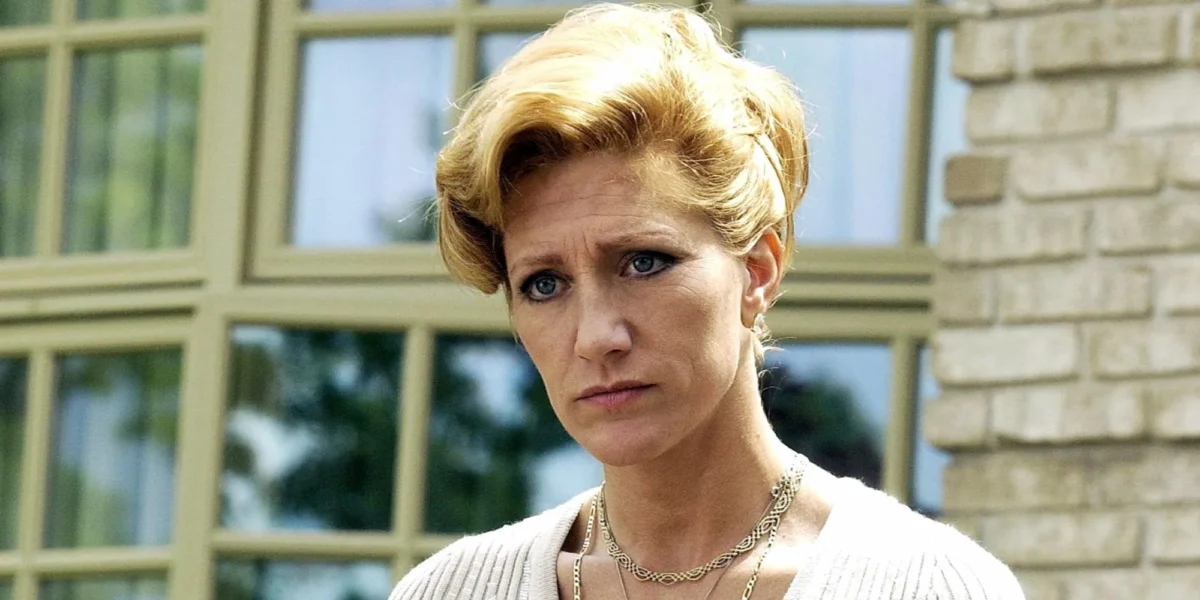
More than a quarter of a century after Tony Soprano first lumbered down a suburban New Jersey driveway to pick up the morning paper, the definitive television crime drama is once again conquering the charts. David Chase’s groundbreaking masterpiece, The Sopranos, has officially claimed the number-one spot as the most-watched TV show on iTunes in the United States.
In reclaiming the crown, the legendary HBO series has pushed aside a formidable lineup of modern streaming favorites and classic prestige titles, including the 2005 historical epic Rome, Bruce Campbell’s cult-classic horror-comedy Ash vs Evil Dead, AMC’s zombie juggernaut The Walking Dead, and Rod Serling’s timeless sci-fi anthology The Twilight Zone.
This unexpected resurgence arrives during a massive cultural wave for the crime genre. As contemporary organized crime thrillers like Guy Ritchie’s The Gentlemen and Taylor Sheridan’s Paramount+ universe continue to dominate global viewership metrics, audiences are increasingly looking backward to understand the genesis of modern serialized storytelling. The Sopranos—which originally ran for six critically acclaimed seasons from January 10, 1999, to June 10, 2007—remains the indisputable blueprint for the golden age of television, proving that antiheroes, psychological depth, and cinematic scope on the small screen are timeless.
Chronology: From 1999 Groundbreaker to 2026 Chart-Topper
To truly grasp how a show that wrapped up its controversial series finale in 2007 can dominate digital sales charts in late 2026, it is vital to trace the historical timeline of prestige television and its shifting distribution models.
- January 10, 1999: The Sopranos premieres on HBO, introducing viewers to Tony Soprano (James Gandolfini), a New Jersey mob boss balancing the brutal realities of organized crime with panic attacks and suburban family life. At a time when network television favored safe, episodic procedurals, David Chase’s vision shattered television norms.
- 2002–2007: The series secures its status as a cultural phenomenon, racking up 21 Primetime Emmy Awards and establishing HBO as the gold standard for high-end, cinematic television. Shows like The Wire, Mad Men, and Breaking Bad later follow in its footsteps, directly building upon the trail blazed by Tony Soprano.
- June 10, 2007: The series finale, "Made in America," famously cuts to black mid-scene, leaving audiences in a state of permanent debate and permanently altering the cultural vocabulary around television endings.
- The 2020s Streaming Boom: As consumers transition from cable packages to subscription video-on-demand (SVOD) platforms, complete series box sets and digital storefronts like iTunes emerge as the new bellwethers for archival viewing habits.
- October 2026: Propelled by a broader cultural appetite for crime dramas—underscored by the massive ongoing success of Taylor Sheridan’s Tulsa King—The Sopranos surges past contemporary competition to capture the #1 position on the U.S. iTunes television charts, over 27 years after its initial broadcast debut.
Supporting Data: The Numbers Behind the Crime Wave
The resurgence of The Sopranos does not happen in a vacuum; it is part of a broader, data-backed explosion of interest in mob stories, antihero narratives, and gritty serialization.
The appetite for serialized crime fiction is currently at an all-time high, driven heavily by platforms like Paramount+ and Netflix. For instance, Taylor Sheridan’s Tulsa King, starring Sylvester Stallone as mafia capo Dwight "The General" Manfredi, has consistently broken internal metrics. The Season 3 premiere of Tulsa King pulled in a staggering 21.1 million global viewers, cementing itself as the most-watched global series premiere in Paramount+ history. This followed a Season 2 rollout that accumulated 2 million global views within its first 24 hours and reached 5.4 million households in a single week.
Yet, industry analysts and streaming data experts universally acknowledge that without The Sopranos, figures like Sylvester Stallone’s Dwight Manfredi or Guy Ritchie’s aristocratic gangsters would never have been greenlit with such high budgets and complex moral frameworks.
On the digital storefront side, the iTunes charts reflect a fascinating consumer behavior: viewers are increasingly bypassing algorithmic homepages to outright purchase foundational prestige series. By beating out heavyweights like The Walking Dead and Rome on iTunes, The Sopranos demonstrates a remarkably high "rewatch value" and an ongoing generational handoff, as younger demographics discover the series for the first time via digital acquisition.
Official Responses and Industry Insights
Industry creators and critics have long pointed to The Sopranos as the watershed moment that transformed television into a medium capable of rivaling—and often surpassing—feature films.
In retrospective interviews, showrunner David Chase has often spoken about his initial skepticism regarding how television executives would react to a protagonist who was an unrepentant murderer, extortionist, and adulterer. Yet, the brilliance of casting the late James Gandolfini—whose nuanced, vulnerable, and terrifying performance as Tony Soprano anchored the series—changed the industry’s perception of what an audience would tolerate in a leading man.
Modern showrunners frequently cite the series as their primary educational text. As television shifted away from "monster-of-the-week" formats toward long-form, serialized character studies, the writers’ room culture pioneered by Chase, Matthew Weiner, Terence Winter, and Michael Imperioli became the gold standard.

When discussing the current state of television, critics note that viewers are experiencing "prestige fatigue" from bloated, highly serialized sci-fi and fantasy epics, leading them back to grounded, character-driven dramas. The Mob genre, with its clear stakes, Shakespearean family dynamics, and visceral realism, offers a comforting yet thrilling escape—proving that the mafia drama remains the ultimate vehicle for exploring American capitalism, family dysfunction, and moral decay.
Implications: What The Sopranos‘ Resurgence Means for the Future of TV
The fact that a 27-year-old HBO drama can outpace modern content on digital sales charts carries profound implications for the entertainment industry:
- The Shift Toward Digital Ownership: While streaming services have conditioned audiences to rent access to content, the chart dominance of The Sopranos on iTunes highlights a growing consumer desire for digital ownership. As streaming libraries constantly shuffle their catalogs due to licensing deals, classic prestige shows that viewers can permanently own are seeing a renaissance.
- The Validation of the Antihero: The continued commercial viability of The Sopranos proves that audiences do not require moral purity in their protagonists. The DNA of Tony Soprano lives on not only in Dwight Manfredi (Tulsa King), but in generations of morally compromised characters across prestige television.
- The Value of Archival Content for Studios: For media conglomerates, back-catalogs are no longer just passive library assets; they are active revenue drivers. As new seasons of contemporary crime shows air, they inevitably funnel audiences back to the foundational texts that inspired them, creating a symbiotic marketing loop between past masterpieces and current releases.
As Dwight Manfredi continues his fight to legitimize his criminal empire in Tulsa King, and as audiences continue to download and stream the adventures of Tony Soprano, one thing remains certain: the New Jersey mob boss and his cinematic descendants will continue to run television for decades to come.
The Sopranos is available to stream in its entirety on Max and to purchase digitally on platforms like iTunes. Stay tuned to Collider for further updates on television milestones and streaming trends.
