
Unraveling the Mystery: Looking Back at Ron Howard’s The Da Vinci Code (2006)
Main Facts: Adapting a Global Phenomenon to the Silver Screen
When director Ron Howard and producer Brian Grazer set out to adapt Dan Brown’s 2003 publishing phenomenon The Da Vinci Code, they were tasked with an almost impossible cinematic challenge: translating a dense, labyrinthine thriller rooted in art history, cryptography, and religious conspiracy into a cohesive, two-and-a-half-hour feature film. Released in May 2006 by Sony Pictures under the Columbia Pictures banner, the film became an immediate global lightning rod.
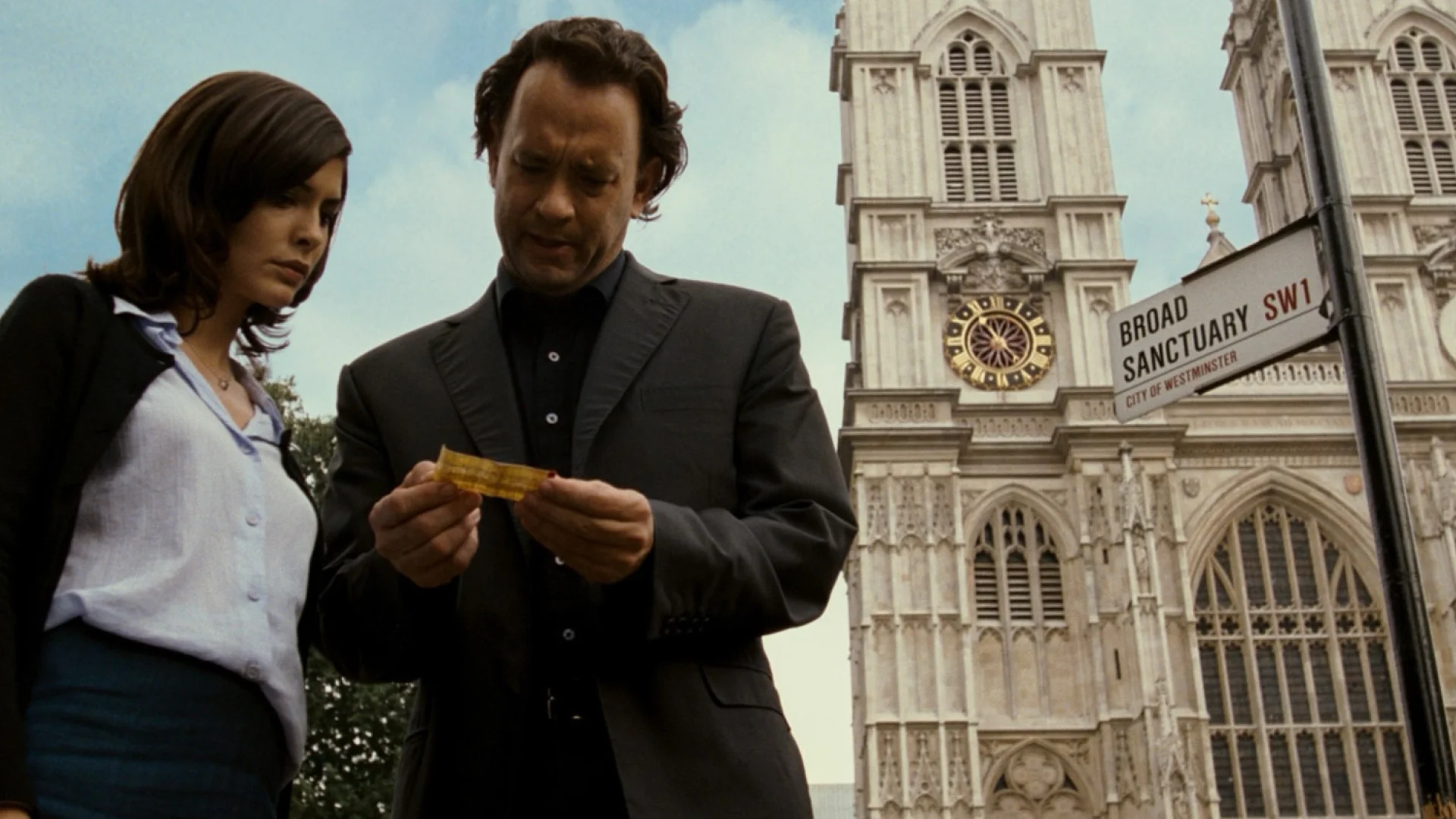
At its core, the narrative follows Professor Robert Langdon, a Harvard symbologist thrust into a dangerous international murder mystery after a curator at the Louvre is found dead under baffling circumstances. Joined by French police cryptologist Sophie Neveu, Langdon embarks on a pulse-pounding race across Europe to decode a trail of hidden clues left behind in the masterworks of Leonardo da Vinci.
The production boasted an A-list international ensemble anchored by two-time Academy Award winner and American Film Institute (AFI) Life Achievement Award honoree Tom Hanks as Langdon. He was joined by French cinema icon Audrey Tautou as Sophie Neveu, alongside a powerhouse supporting cast featuring Sir Ian McKellen as the eccentric grail historian Sir Leigh Teabing, Paul Bettany as the tormented zealot monk Silas, Alfred Molina as Bishop Aringarosa, Jean Reno as Captain Bezu Fache, and Jürgen Prochnow as Vernet.
Despite polarizing critical reviews upon its initial release, the film was an undeniable commercial juggernaut, grossing over $758 million worldwide and cementing its place as one of the defining pop-culture events of the mid-2000s.
Chronology: From Publishing Phenomenon to Blockbuster Reality
To understand the cultural footprint of the 2006 film, it is essential to trace the swift and meteoric timeline that brought Dan Brown’s words from the page to the projector.
- March 2003: Doubleday publishes Dan Brown’s The Da Vinci Code. Driven by word-of-mouth and its controversial premise questioning conventional Christian history, the novel slowly builds into an unprecedented runaway bestseller, eventually selling tens of millions of copies worldwide.
- Late 2003 – 2004: Recognizing the cinematic potential of the property, Sony Pictures acquires the film rights for a reported sum, enlisting Akiva Goldsman—who previously won an Oscar for A Beautiful Mind—to adapt the sprawling novel into a screenplay. Ron Howard signs on to direct, reuniting with his A Beautiful Mind collaborator, Tom Hanks.
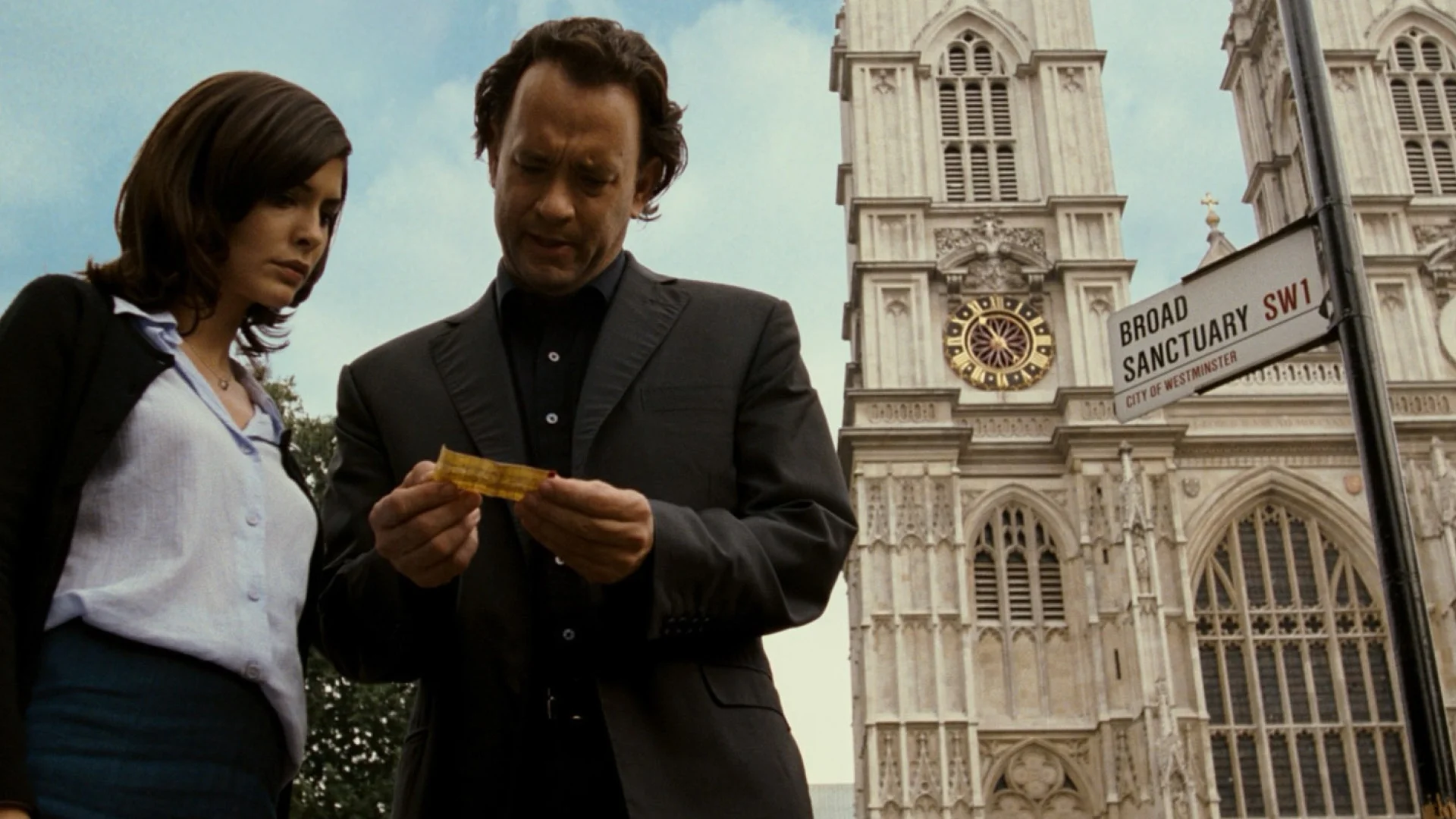
- Mid-2005: Principal photography commences under intense global media scrutiny. In an unprecedented move, production is granted permission to film inside the actual Musée du Louvre in Paris, as well as historic sacred sites across France and the United Kingdom, though permissions for locations like Westminster Abbey are notably denied due to theological concerns.
- May 17, 2006: The Da Vinci Code premieres out of competition as the opening film of the 59th Cannes Film Festival. The red-carpet event draws massive international crowds and initiates the global debate surrounding the film’s themes.
- May 19, 2006: The film opens simultaneously in theaters across the United States and international territories, breaking box office records despite receiving a largely lukewarm reception from film critics.
- 2009: Sony Pictures and the creative team return with Angels & Demons, a prequel/sequel that continues the cinematic adventures of Robert Langdon, followed later by Inferno in 2016.
Supporting Data: Box Office Dominance and Critical Reception
The metrics surrounding The Da Vinci Code illustrate a fascinating dichotomy between audience appetite and critical evaluation. Financially, the film was a masterclass in global marketing and eventized cinema.
- Global Box Office: On a production budget estimated at roughly $125 million, the film grossed $77 million domestically in its opening weekend alone—marking the highest domestic opening of Tom Hanks’ career up to that point. By the end of its theatrical run, it accumulated over $758 million globally, making it the second-highest-grossing film worldwide in 2006, trailing only Pirates of the Caribbean: Dead Man’s Chest.
- International Appeal: More than two-thirds of the film’s total revenue came from international markets, proving that Dan Brown’s trans-European narrative carried immense cross-cultural appeal. Territories like Japan, the United Kingdom, Germany, and France delivered astronomical box office returns.
- Critical Metrics: On the review aggregator Rotten Tomatoes, the film holds a "Rotten" approval rating hovering near 25%, indicating widespread dissatisfaction among mainstream film critics who targeted the exposition-heavy dialogue and sluggish pacing. Conversely, audience scores on CinemaScore registered a more favorable "B," demonstrating that ticket-buyers largely got the slick, high-stakes mystery thriller they paid to see.
Official Responses: Controversy, Condemnation, and Institutional Pushback
Long before the cameras rolled, The Da Vinci Code attracted fierce opposition from religious organizations, historians, and institutional bodies—most notably the Roman Catholic Church. The core premise of the story—that Jesus Christ was married to Mary Magdalene, fathered a bloodline, and that the Catholic Church systematically suppressed this truth to maintain power—sparked intense outrage.
- The Vatican’s Stance: High-ranking Vatican officials and conservative Catholic groups organized international boycotts of the film and book. Archbishop Angelo Amato, then-secretary of the Congregation for the Doctrine of the Faith, publicly called for a boycott, labeling the film "sins against God" and warning that it was full of calumnies, offenses, and historical errors.
- Location Denials: The Dean and Chapter of Westminster Abbey refused permission for the production to film inside the historic church, citing that the film’s theological premises were incompatible with Christian doctrine. Consequently, filmmakers had to recreate parts of the interior at alternative locations, such as Lincoln Cathedral and Winchester Cathedral (though the latter permitted filming only after the Dean publicly defended the artistic freedom of expression, even while distancing the church from the book’s theological claims).
- The Studio Response: Sony Pictures and the filmmakers consistently defended the project under the banner of creative expression. During promotional tours, Tom Howard and Tom Hanks repeatedly emphasized that the film was a work of fiction, meant to entertain and provoke thought rather than serve as a historical documentary. Hanks famously remarked in interviews that audiences were sophisticated enough to distinguish between a popcorn thriller and actual historical scholarship.
Implications: The Legacy of The Da Vinci Code on Modern Cinema
Two decades after its theatrical debut, the ripple effects of The Da Vinci Code continue to influence Hollywood’s approach to global blockbusters, intellectual property, and international marketing.

First, the film proved the viability of the "global event" picture tailored specifically for multi-territory audiences. By casting an internationally diverse lineup of respected European actors alongside an American movie star, Sony ensured that the film felt localized and relevant to viewers in Paris, Rome, London, and Tokyo alike. This casting strategy has since become a standard blueprint for major Hollywood studio franchises seeking to maximize overseas box office performance.
Second, the intense public discourse surrounding the film demonstrated the power of controversy in driving box office engagement. Rather than hurting ticket sales, the theological pushback and media debates acted as free publicity, turning a trip to the local cinema into an act of cultural participation.
Finally, The Da Vinci Code set a high-water mark for the cinematic treasure-hunt subgenre. While literary adaptations of complex mystery novels often struggle on screen, Ron Howard’s film showcased how slick cinematography, atmospheric set design, and a driving musical score by Hans Zimmer could elevate procedural puzzle-solving into high-octane entertainment. As audiences continue to revisit the film on streaming platforms via the AFI Catalog and digital storefronts, The Da Vinci Code remains a definitive artifact of 2000s pop culture—a thrilling, contentious, and wildly successful cinematic puzzle that forever changed how Hollywood looks at page-to-screen adaptations.
