
The Shadow of Doubt: Unpacking the Complexities of the Betsy Faria Case in "Harlan Coben’s Final Twist"
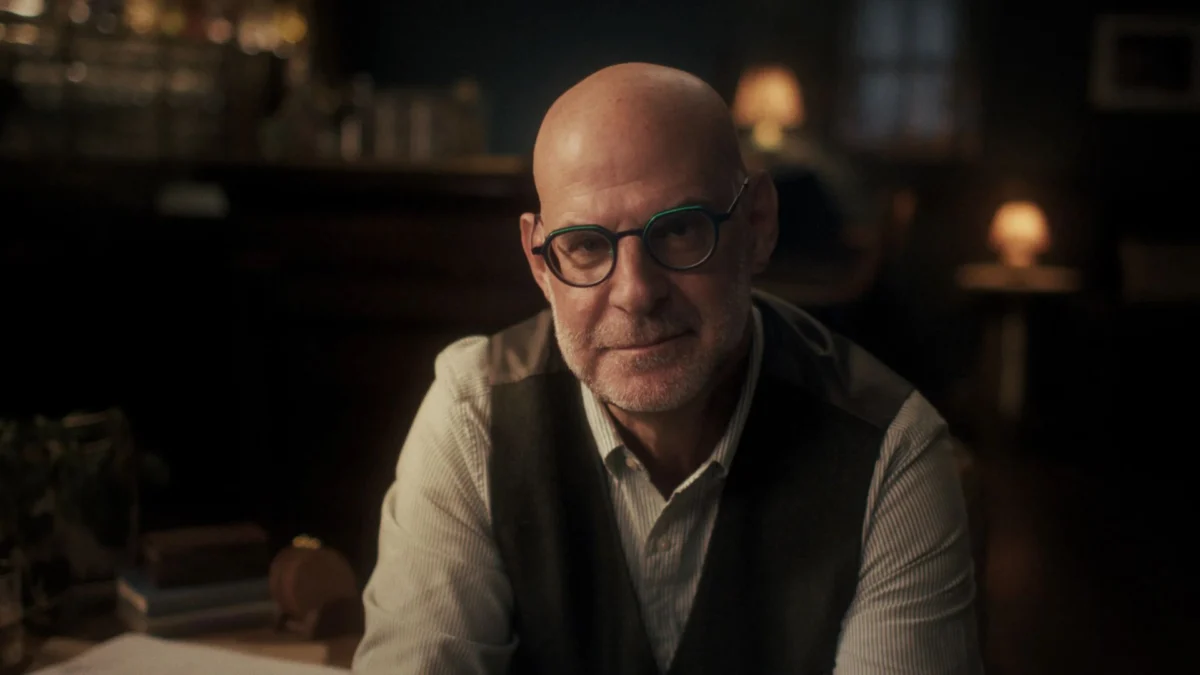
The premiere of Harlan Coben’s Final Twist Season 2, titled "Betsy’s Trust," marks a chilling return to one of the most convoluted true-crime sagas in modern American history. By focusing on the 2011 murder of Betsy Faria in Troy, Missouri, the series highlights how a rush to judgment and a lack of investigative rigor can dismantle lives. While the episode serves as a gripping entry point for newcomers, the depth of the Faria-Hupp case is so vast that even a dedicated hour of television can only scratch the surface of a story defined by systemic failure, greed, and cold-blooded manipulation.
The Brutal Reality: Beyond the Screen
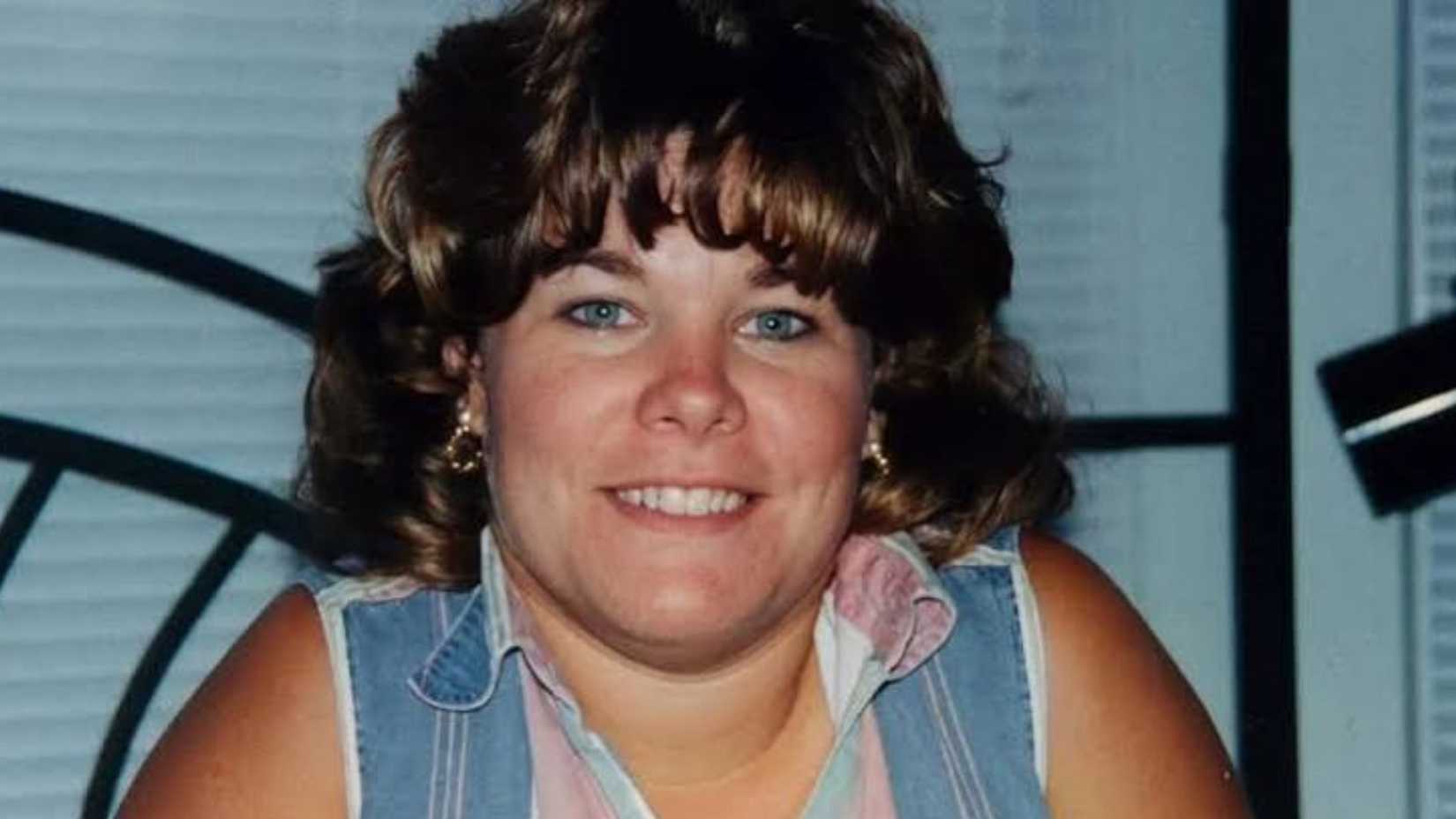
To understand the gravity of the miscarriage of justice that saw Russ Faria serve years in prison for a crime he did not commit, one must look past the stylized reenactments often favored by docuseries. On December 27, 2011, Russ Faria returned home from a board game night to find his wife, Betsy, dead. His immediate 911 call—filled with panic—was interpreted by authorities not as the shock of a grieving husband, but as the rehearsed performance of a killer.
The forensic reality of the scene was far more harrowing than the broadcast version suggests. Betsy Faria had been subjected to an act of extreme violence, suffering approximately 55 stab wounds. A knife was found lodged in her neck, and her wrists had been slashed to the bone. This level of savagery was not the work of a distraught husband caught in a moment of passion; it was a calculated, brutal execution.
The defense team in the original trial faced an uphill battle from the start, compounded by a critical lack of transparency from the state. One of the most egregious oversights was the state’s failure to disclose 132 crime scene photographs to the defense before the initial trial. While investigators claimed the camera had malfunctioned, the eventual revelation of these images provided a different narrative than the one presented by the prosecution. The failure to turn over this evidence was not merely a procedural error; it was a foundational collapse of the judicial process that allowed a wrongful conviction to take root.
Chronology of a Miscarriage of Justice
The timeline of the Faria case is a testament to how quickly a narrative can solidify, even when the facts point elsewhere.
- December 23, 2011: Four days before the murder, Betsy Faria changes the beneficiary of her $150,000 life insurance policy from her husband, Russ, to her friend, Pam Hupp.
- December 27, 2011: Betsy is found dead. Russ Faria is quickly identified as the prime suspect, despite his alibi.
- 2013: Russ Faria is convicted of his wife’s murder and sentenced to life in prison.
- 2015: A new trial is granted after defense attorneys present evidence pointing toward Pam Hupp. Russ is acquitted during this second trial.
- 2016: Pam Hupp orchestrates the shooting death of Louis Gumpenberger, an event prosecutors later argue was a desperate attempt to frame someone else and divert attention from the Faria case.
- 2019: Hupp enters an Alford plea in the Gumpenberger murder, receiving a life sentence.
- 2025: Former investigator Michael Merkel is charged with perjury for his role in the original 2013 trial, signaling a long-overdue reckoning for the law enforcement officials who mishandled the investigation.
Institutional Failures and Modern Implications
The Faria case is often simplified into a "whodunit," but it is more accurately categorized as a study in institutional bias. Russ Faria’s subsequent lawsuit against the Lincoln County Sheriff’s Office and former prosecutor Leah Askey alleges that evidence was not just overlooked—it was fabricated or suppressed to ensure a conviction.

The recent perjury charges against Michael Merkel, brought in 2025, add an uncomfortable, contemporary weight to the story. It proves that the "final twist" isn’t just about who killed Betsy; it is about how the system protects itself when it fails. The legal system in Missouri is still reeling from the fallout, as questions regarding the integrity of the Lincoln County legal community continue to surface years after the initial acquittal.
The Role of Pam Hupp: A Study in Manipulation
Pam Hupp remains one of the most enigmatic figures in American true crime. Her ability to insert herself into the media narrative—often calling into local news outlets to "help" the investigation by pointing fingers at Russ—is a textbook example of psychological manipulation.
Hupp’s behavior after the murder was erratic and predatory. The life insurance policy, which she initially claimed was intended for Betsy’s daughters, became a centerpiece of a bitter civil legal battle. When the daughters sued Hupp to recover the funds, the inconsistencies in her story began to mount.
Furthermore, the death of Hupp’s mother, Shirley Neumann, in 2013, casts a long shadow over her history. While initially ruled accidental, the case was reopened in 2017, and the medical examiner’s office eventually changed the manner of death to "undetermined." While Hupp has never been charged in her mother’s death, the pattern of people close to her dying under suspicious circumstances—and Hupp standing to gain financially—is a thread that has haunted investigators for over a decade.
Official Responses and Public Scrutiny
The release of Harlan Coben’s Final Twist has reignited public interest in the case, but it has also drawn criticism from those who argue that the media has become obsessed with the "spectacle" of the crime. Law enforcement agencies involved in the original investigation have largely remained silent or maintained that they acted on the best information available at the time, a defense that becomes increasingly untenable as more evidence of misconduct comes to light.
For the victims’ families, the show represents a double-edged sword. While it keeps the spotlight on the failures that allowed a murderer to remain free for years, it also forces them to relive the most traumatic moments of their lives for the sake of public entertainment. The legal battles are not yet fully resolved, and the quest for total accountability remains a slow, grinding process.
Implications for True Crime Journalism
The popularity of Harlan Coben’s Final Twist and similar productions highlights the public’s growing appetite for "accountability journalism." Audiences are no longer satisfied with simple summaries; they want to know how the gears of the justice system turned (or failed to turn).
The case of Betsy Faria serves as a cautionary tale for investigators and prosecutors nationwide. It underscores the danger of "tunnel vision"—the psychological phenomenon where investigators commit to a theory early on and ignore any evidence that contradicts it. When the target is a husband or a spouse, the ease with which authorities can construct a narrative of domestic violence is a systemic flaw that continues to result in wrongful convictions.
As the series continues, viewers are left with a lingering question: if a crime is so thoroughly documented, why is the truth so difficult to reconcile? The answer lies in the messy intersection of ego, procedural shortcuts, and the sheer audacity of individuals like Pam Hupp, who understand how to exploit the blind spots of the law.
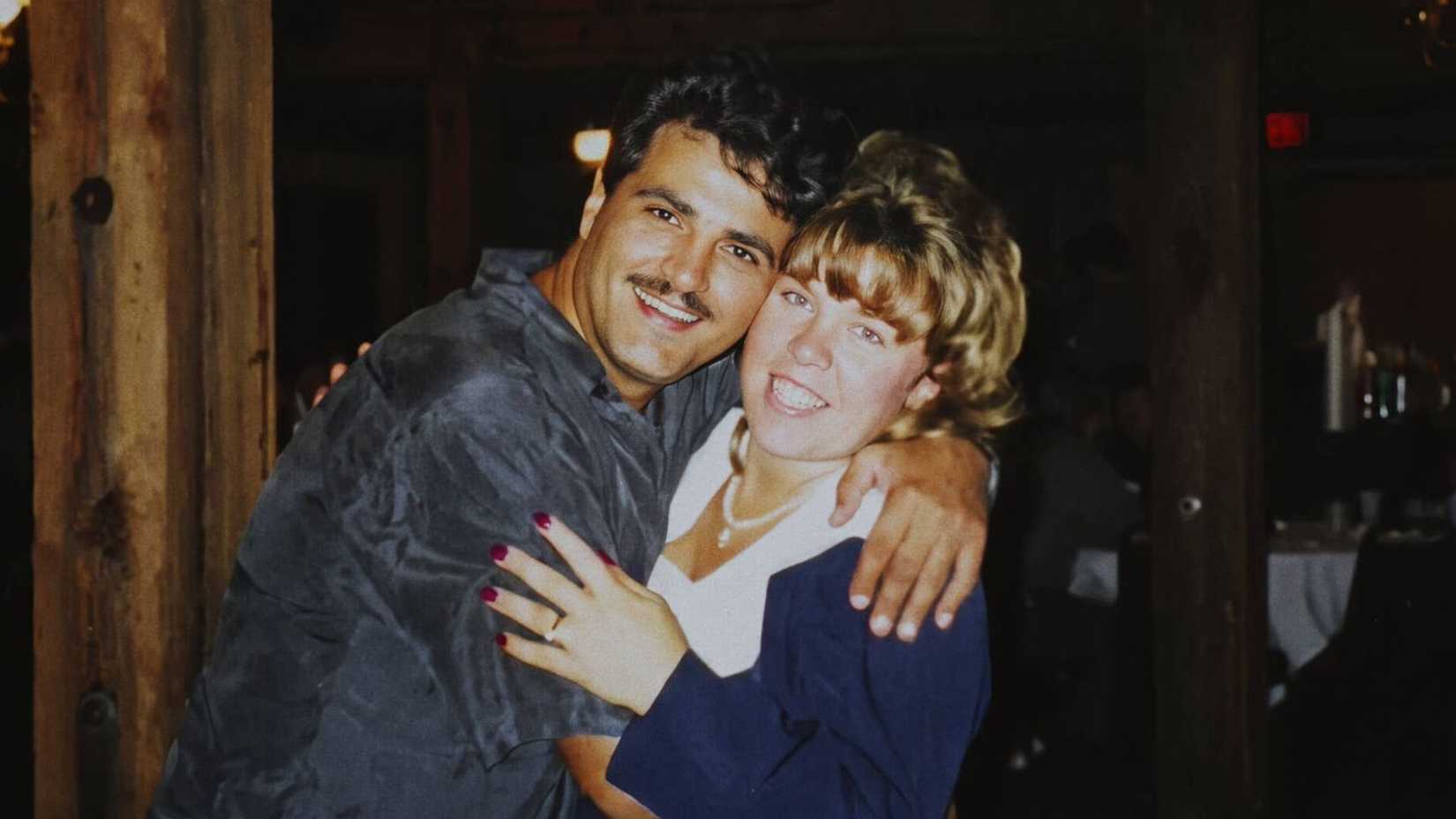
The story of Betsy Faria is not merely about a murder; it is about the resilience of the truth in the face of institutional inertia. As the legal system continues to pick apart the pieces of this case, one thing remains clear: justice delayed is not just justice denied—it is a lingering wound that demands a complete and honest accounting from those who swore to uphold the law. For those following the case through Final Twist, the series is a stark reminder that in the world of true crime, the most dangerous lies are often the ones told by the people wearing badges.
