
From Paper to Screen and Beyond: How Flash Gordon Forged George Lucas’s Cinematic Universe and Where Star Wars Heads Next
By Global Entertainment Desk
Published September 27, 2026
Main Facts: The Enduring Legacy of George Lucas and the Roots of a Space Opera
The recent, grand opening of the Lucas Museum of Narrative Art has once again drawn the eyes of the entertainment industry toward the towering achievements of George Lucas. Though the legendary filmmaker has stepped away from the director’s chair for many years, his fingerprints remain indelible across the landscape of modern cinema. As a foundational figure of the 1970s New Hollywood movement, Lucas broke cinematic boundaries with counterculture experiments like THX 1138 and the nostalgic cultural touchstone American Graffiti. However, it was his cosmic vision for a galaxy far, far away that fundamentally altered the DNA of blockbuster entertainment.
What many casual moviegoers forget, however, is that Star Wars was born out of a rejection. Lucas originally sought to acquire the cinematic rights to his absolute favorite sci-fi property: Flash Gordon. When the studio and rights holders rebuffed his persistent attempts, Lucas decided to forge his own path, inventing an entirely original universe that repurposed the tropes, thrills, and serial structures of the comic strip he loved so dearly.
Now, decades later, the classic television serial that inadvertently midwifed the Star Wars franchise has found a new digital home. The 1954 Flash Gordon television adaptation starring Steve Holland is officially streaming for free on JustWatch TV, a newly launched platform rolling out its services this autumn. This nostalgic renaissance arrives at a critical cultural crossroads for Lucasfilm, as the Star Wars enterprise navigates a transitional phase following the mixed box-office performance of The Mandalorian and Grogu.
Chronology: A Century of Pulp Sci-Fi and Intergalactic Evolution
To understand the profound lineage connecting Alex Raymond’s original comic creation to modern multi-billion-dollar film franchises, one must trace a timeline spanning nearly a century of technological and narrative evolution.
- January 1934: Alex Raymond introduces the Flash Gordon comic strip to newspaper readers, setting a high-water mark for pulp science fiction, exotic planetary landscapes, and serialized cliffhangers.
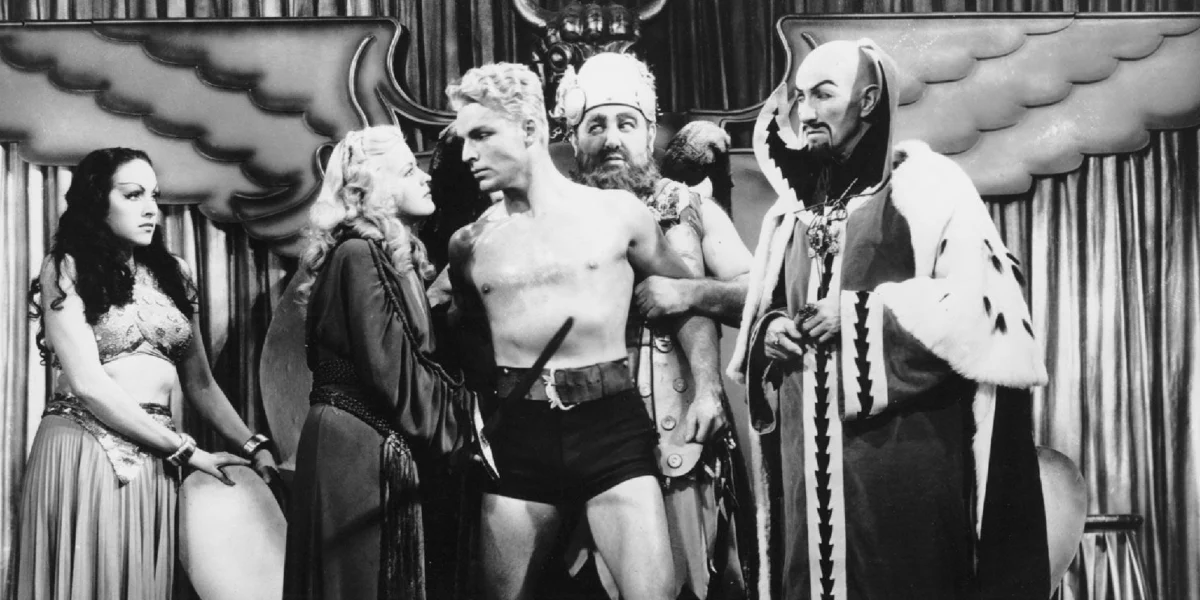
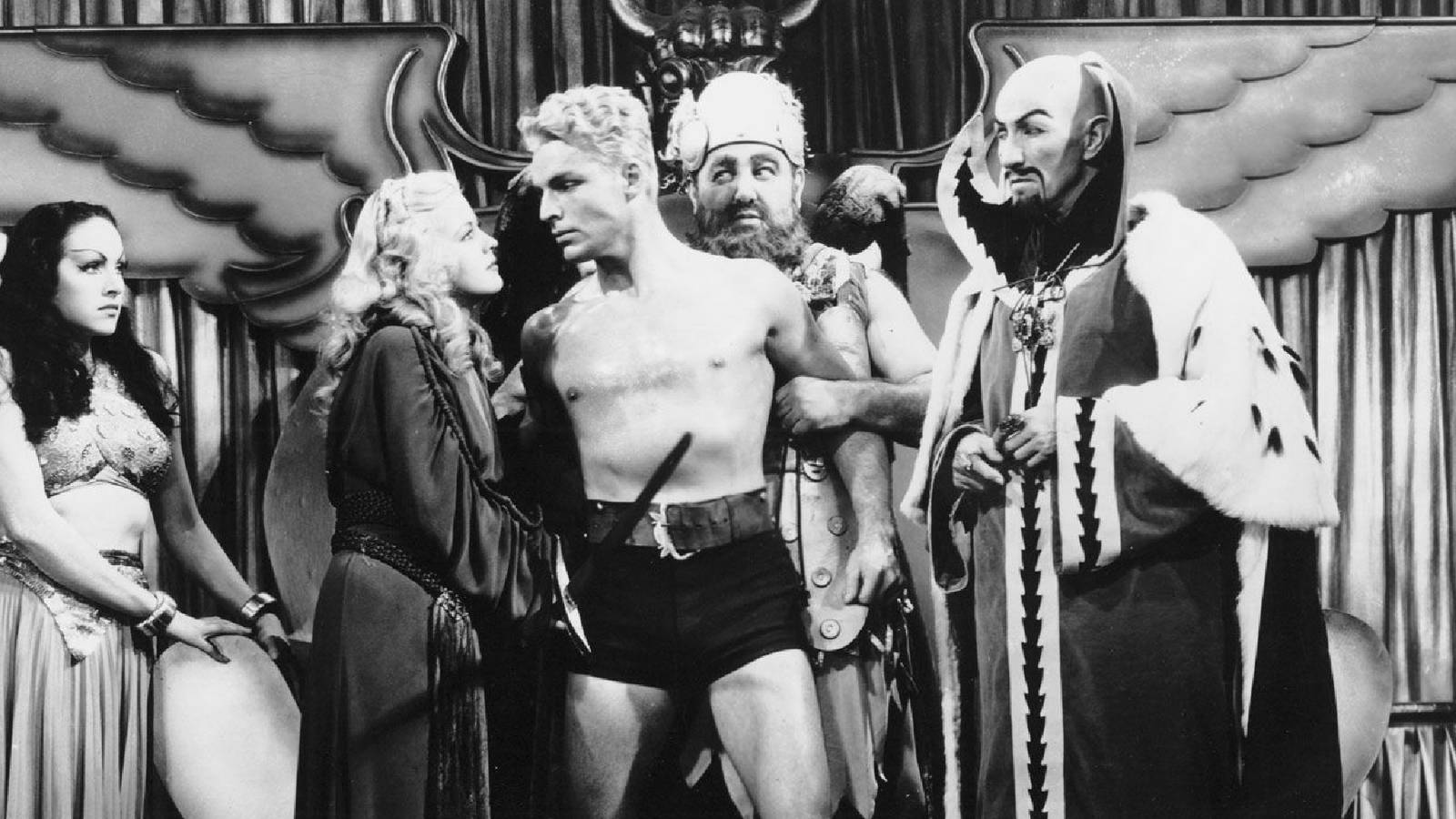
- 1936: Sensing an immediate cinematic goldmine, Universal Pictures releases a 13-chapter Flash Gordon serial film starring Buster Crabbe. It becomes a monumental cultural phenomenon, captivating youth audiences week after week.
- 1940: Universal capitalizes on the enduring appetite for space adventures by releasing a 12-episode follow-up serial, further cementing the visual grammar of rocket ships, ray guns, and dastardly villains.
- 1954–1955: The property transitions to the small screen with the premiere of the Flash Gordon television series on the DuMont Television Network. Spanning 39 episodes and starring Steve Holland as the titular hero, the show enjoys immense success, maintaining robust syndication numbers well into the 1960s.
- Early 1970s: A young, ambitious George Lucas attempts to secure the rights to adapt Flash Gordon into a feature film. Facing immovable legal and financial roadblocks, Lucas pivots to writing his own original space opera script—initially titled The Star Wars.
- May 1977: Star Wars opens in theaters, forever altering global pop culture. It borrows structural and thematic DNA directly from the 1930s and 1950s serials: an idealistic young hero, an embattled princess, a towering furry companion, and the iconic, text-driven opening crawl.
- 2019–2023: Lucasfilm successfully migrates the franchise to streaming television, producing live-action shows like The Mandalorian that lean heavily into the episodic, serialized chapter formats pioneered by Flash Gordon.
- 2026: The grand opening of the Lucas Museum of Narrative Art prompts industry-wide reflection on Lucas’s contributions, coinciding with the streaming debut of the 1954 Flash Gordon series on JustWatch TV. Meanwhile, Lucasfilm prepares to steer its flagship franchise back toward theatrical dominance.
Supporting Data: Examining the Blueprint of Space Opera
When breaking down the structural similarities between Flash Gordon and the original 1977 Star Wars (later subtitled A New Hope), the parallels extend far beyond mere homage. They represent a direct transfer of serial-pulp mechanics into modern cinematic language.
| Element | Flash Gordon Serials (1936 / 1954) | Star Wars: Episode IV – A New Hope (1977) |
|---|---|---|
| Protagonist Archetype | Flash Gordon: Athletic, fearless, thrust from Earthly normalcy into cosmic chaos. | Luke Skywalker: Farm boy thrust from planetary isolation into an interstellar rebellion. |
| The Antagonist | Ming the Merciless: A ruthless, tyrannical emperor ruling a dystopian domain. | Grand Moff Tarkin / Darth Vader: Enforcers of tyrannical imperial rule. |
| Supporting Dynamic | Flash, Dale Arden (the heroine), and Dr. Zarkov (the eccentric scientist). | Luke, Princess Leia (the royalty), and Han Solo / Chewbacca. |
| Narrative Formatting | Cliffhanger chapter breaks designed to draw audiences back week after week. | Fast-paced acts resolving immediate threats while expanding a massive universe. |
| Visual Exposition | Opening cards and scrolling/narrated recaps to set up episodic stakes. | The legendary, genre-defining yellow text scrolling upward into the cosmos. |
The television serialization of the 1950s proved that audiences would embrace recurring science fiction on a weekly basis, paving the way for network television to eventually accept speculative fiction as a viable, long-term commercial product. The transition of the 1954 series to JustWatch TV offers modern media analysts a pristine look at the raw materials that inspired one of the most successful cinematic empires in history.
Official Responses and Industry Perspectives
While studio executives at Lucasfilm and parent company Disney have remained measured in their public statements regarding the box-office performance of recent cinematic entries, industry insiders acknowledge that a strategic shift is underway.
In recent interviews surrounding the Lucas Museum of Narrative Art, cultural historians and film preservationists have praised George Lucas’s relentless dedication to preserving the lineage of visual storytelling. "George didn’t just invent a universe; he acted as a bridge between the Golden Age of newspaper strips, Saturday matinee serials, and the modern digital blockbuster," noted one prominent film archivist. "Every time we look at a spaceship dogfight or read crawling yellow text on a theater screen, we are interacting with the ghosts of 1930s pulp."
Regarding the sudden availability of the 1954 Flash Gordon series on JustWatch TV, streaming platform representatives have highlighted the growing consumer appetite for retro-restorations. "Viewers today are infinitely more sophisticated about where modern tropes come from," a JustWatch TV programming executive stated. "By making foundational artifacts like the 1954 serial freely accessible, we are giving fans a chance to study the archaeological dig site of modern science fiction."

Concurrently, Lucasfilm has doubled down on its theatrical roadmap. Following the box-office underperformance of The Mandalorian and Grogu, leadership has signaled a deliberate pivot away from over-relying on streaming content, aiming instead to anchor the brand’s future in high-budget, cinematic event spectacles. The highly anticipated upcoming feature Star Wars: Starfighter, slated for a 2027 release, serves as the spearhead for this new era.
Implications: The Future of Sci-Fi Franchises in a Fragmented Media Landscape
The convergence of George Lucas’s historical legacy, the streaming availability of Flash Gordon, and the ongoing evolution of the Star Wars franchise carries profound implications for the entertainment business at large.
1. The Value of Retro-Preservation in the Streaming Era
As streaming platforms fight for consumer retention in an increasingly saturated market, curated access to public domain or vintage television serials provides a unique competitive edge. Platforms are discovering that niche, historical content attracts dedicated cinephiles and film students who view these classic serials not as outdated curiosities, but as vital masterclasses in pacing and narrative structure.
2. Correcting Course in Franchise Management
The trajectory of Star Wars over the past decade offers a cautionary tale for modern intellectual property holders. While expanding universes via television series on Disney+ successfully kept the brand visible, it also led to franchise fatigue and diluted the special-event nature that made theatrical releases monumental. The strategic pivot toward films like Star Wars: Starfighter indicates that Hollywood is relearning a core lesson: massive cinematic universes require breathing room, theatrical grandeur, and a return to the thrilling, singular vision that made them iconic in the first place.
3. A Continuing Debt to Pulp Roots
As filmmakers continue to push the boundaries of CGI, virtual production, and artificial intelligence, the roots of storytelling remain anchored in simple, human archetypes. George Lucas’s original failure to secure Flash Gordon ultimately blessed the world with an entirely new mythology, proving that creative barriers often breed the most revolutionary breakthroughs. Whether audiences are diving into the newly accessible adventures of Steve Holland’s 1954 space hero or awaiting the next galactic dogfight in 2027, the spirit of the Saturday morning serial remains as vital and alive as ever.
