
The Surveillance Standoff: Flock Safety Faces Major Layoffs Amidst Nationwide Backlash

Morale at one of the most controversial technology firms in the United States appears to have reached a nadir. Flock Safety, the Atlanta-based company that transformed municipal law enforcement with its network of AI-powered automated license plate readers (ALPRs), is reportedly initiating a significant reduction in its workforce. As the company faces mounting scrutiny from both sides of the political aisle and a growing wave of public resistance, the dream of a "frictionless" surveillance state is encountering a harsh reality.
The Impending Downsizing
According to reports confirmed by Reuters, Flock Safety is preparing to lay off 18 percent of its workforce, a move that will affect approximately 270 employees. This structural contraction is slated to be finalized by the end of October.
The layoffs represent a dramatic pivot for a company that, until recently, was hailed as a Silicon Valley success story. Only three weeks prior to this announcement, WIRED reported that the company had initiated a voluntary buyout program, offering employees severance packages in exchange for their departure. This attempt to trim the headcount organically appears to have been insufficient to satisfy the company’s need for cost-cutting or, perhaps, a response to an internal culture fraying under the weight of external criticism. With a total headcount of approximately 1,500, the loss of nearly a fifth of its staff signals a major shift in the company’s operational trajectory.
A Chronology of Controversy
The rise and fall—or at least the stagnation—of Flock Safety provides a masterclass in how technological innovation can collide with the fundamental American value of privacy.
The Rise (2017–2022)
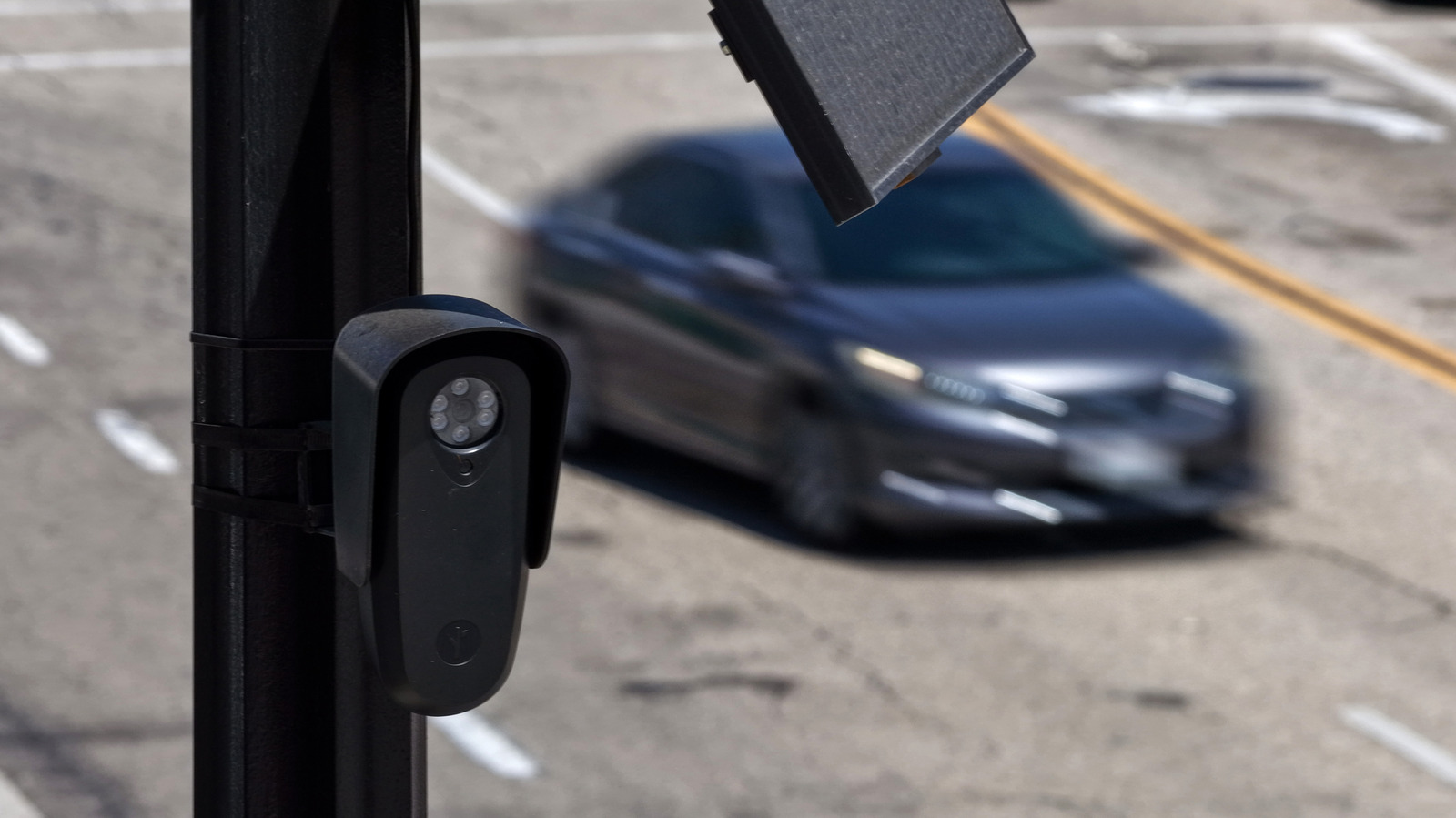
Founded in 2017 by Garrett Langley, Flock Safety’s pitch was seductive in its simplicity: "Eliminate crime." The company deployed solar-powered, high-definition cameras equipped with machine learning algorithms capable of scanning license plates and identifying vehicle makes, models, and even unique markings like bumper stickers or rack attachments in real-time. By marketing these tools directly to homeowners’ associations and municipal police departments, Flock created a vast, private surveillance mesh network that effectively bypassed the traditional procurement and public-oversight hurdles associated with government surveillance.
The Turning Point (2023–2025)
As Flock cameras proliferated, the initial enthusiasm for "crime prevention" began to wane, replaced by concerns over the "surveillance state." The tipping point appeared to be the realization that these cameras were not just recording crime scenes, but were building persistent databases on the movement of ordinary citizens. The ease with which data could be shared between agencies—and even private entities—led to a series of high-profile privacy scandals, fueling public outrage.
The Current Reckoning (2026)
By the third quarter of 2026, the backlash moved from the grassroots level to the halls of state government. As noted, the company has seen its contracts canceled and its funding slashed across ideological lines, marking a rare moment of bipartisan consensus in a polarized political climate.
The Bipartisan Backlash: A Case Study in Political Unity
The resistance to Flock Safety is perhaps most notable for its refusal to adhere to traditional political boundaries. The company’s decline is not the result of a single ideological movement, but rather a convergence of libertarians, privacy advocates, and civil rights groups.
Conservative Skepticism
While Flock marketed its technology as a "law and order" tool, conservative leaders have become increasingly wary of the infrastructure it creates. In Florida, Governor Ron DeSantis led a charge to ban the cameras on state highways, explicitly stating, "I don’t want to have this become a surveillance state." This rhetoric highlights a growing conservative anxiety regarding the centralization of data and the potential for government overreach—a sentiment that has historically been the domain of the left. Similarly, Texas Governor Greg Abbott moved to cut state funding for municipal Flock camera projects, a strategic pivot that observers suggest is aimed at securing the votes of privacy-conscious constituents ahead of the midterm elections.
Progressive and Civil Rights Concerns
On the other side of the spectrum, Democrats and civil rights organizations have long criticized the cameras for their potential to facilitate over-policing in minority communities. Pennsylvania Governor Josh Shapiro has publicly panned the technology, labeling it an intrusive tool and signaling a willingness to sign legislation that would ban the use of such systems by law enforcement. The Los Angeles Police Department, a bellwether for law enforcement tech, recently declined to renew its contract with the firm, citing both budgetary concerns and the "social cost" of the technology.
The "Wild West" of Resistance
Beyond the legislative arena, the resistance has turned physical. Social media platforms, including TikTok and X, have played host to viral videos of individuals dismantling, painting over, or stealing Flock cameras. These acts of "vigilante infrastructure sabotage" have garnered significant support in comment sections, suggesting that for a segment of the population, the cameras represent an unwelcome intrusion that justifies extra-legal intervention. High-profile pundits, ranging from the left-leaning Hasan Piker to the right-wing Tucker Carlson, have—for very different reasons—found common ground in criticizing the company’s business model.
Supporting Data and Financial Implications
The financial instability at Flock Safety is reflective of a broader cooling in the "GovTech" sector. Investors, once eager to back any company promising to modernize policing, are now looking closer at the liability and regulatory risks associated with mass surveillance.
- Employee Attrition: With 270 jobs cut and an earlier voluntary buyout program, the company is experiencing a "brain drain" that could impact its ability to maintain its AI infrastructure.
- Market Penetration: The loss of contracts in major metropolitan areas like Los Angeles and the removal of state funding in Texas represent a significant hit to recurring revenue.
- Legal Liability: As states move toward banning or strictly regulating ALPRs, the company faces a complex legal landscape that may necessitate expensive lobbying and litigation, further straining its balance sheet.
Official Responses and Corporate Strategy
Flock Safety has maintained a relatively guarded stance regarding these developments. In previous statements, the company has emphasized that its technology is "optional" and that it adheres to strict data-retention policies. However, the company has struggled to reconcile these claims with the reality of how law enforcement agencies actually utilize the data.
Internal memos leaked to industry observers suggest that the company is attempting to pivot toward a more "privacy-first" narrative, perhaps by introducing features that automatically redact faces or limit the duration of data storage. Yet, for many critics, the architecture of the system—the omnipresence of the cameras—is the problem, not the specific settings on the software.
Implications: The Future of Surveillance
The potential collapse or downsizing of Flock Safety raises critical questions about the future of public safety in the United States. If the private market for surveillance fails, will cities turn to more expensive, state-run alternatives? Or does the current backlash indicate a permanent shift in how society views the trade-off between privacy and security?
1. The Death of the "Passive" Surveillance Model
The rise of decentralized, privately-owned surveillance networks was predicated on the idea that the public would accept them as long as they were "passive" and automated. The current backlash suggests that the public is far more sensitive to surveillance than tech companies anticipated.
2. The Regulatory Wave
We are likely to see a flurry of state-level legislation in 2027 aimed at regulating, if not outright banning, the use of third-party, AI-driven surveillance in public spaces. This will likely create a fragmented regulatory landscape, forcing tech companies to navigate a state-by-state compliance minefield.
3. The Erosion of Public-Private Partnerships
Flock Safety’s struggles may chill the enthusiasm of other startups looking to enter the municipal tech space. When companies rely on the partnership between public police departments and private data-collection tools, they expose themselves to the volatility of public opinion.
Conclusion
As Flock Safety prepares for its October layoffs, the company stands at a crossroads. Whether it can survive as a leaner, more compliant entity or whether it will continue to be consumed by the very surveillance-state controversy it helped create remains to be seen. What is clear, however, is that the era of "frictionless" surveillance in America is facing a significant, and perhaps insurmountable, period of friction. The technology that promised to make cities safer has instead made them battlegrounds, proving that when it comes to the gaze of the state, the public is watching back—and it is not satisfied with what it sees.
