
Beneath the Surface: Why ‘Disclaimer’ Is the Psychological Masterpiece You Missed
While the television landscape remains saturated with endless reboots and procedurals, true prestige drama often feels like a rare commodity. For years, fans of HBO’s Big Little Lies have been waiting with bated breath for any concrete news regarding a third season, longing for that specific blend of high-society tension, dark secrets, and atmospheric storytelling. Similarly, the haunting, Southern Gothic sensibilities of Sharp Objects left a void in the hearts of viewers who crave a mystery that explores the fractures in the human psyche.
If you find yourself cycling through your streaming queues in search of that particular “prestige itch,” you may have overlooked an Apple TV+ hidden gem released in 2024: Disclaimer. Directed by the visionary Alfonso Cuarón, Disclaimer is not merely a show; it is an immersive, seven-episode psychological thriller that synthesizes the best elements of the aforementioned hits, delivering a narrative experience that is as intellectually challenging as it is visually arresting.
The Premise: A Life Unraveling
At its center, Disclaimer follows the life of Catherine Ravenscroft, played with crystalline precision by Cate Blanchett. To the outside observer, Catherine is the picture of success: she is a celebrated documentary journalist known for her integrity and sharp intellect. Her home life, shared with her husband Robert (Sacha Baron Cohen) and their son Nicholas (Kodi Smit-McPhee), appears stable and prosperous.
However, the foundation of this seemingly perfect existence begins to crack when an anonymous book arrives on her doorstep. The manuscript—which appears to be a work of fiction—meticulously details a traumatic event from Catherine’s past, specifically an illicit affair she had years prior with a younger man named Jonathan Brigstocke (Louis Partridge). As she reads, Catherine realizes that the book is not merely a story, but a weaponized confession. The author is Stephen Brigstocke (Kevin Kline), Jonathan’s father, who is consumed by a singular, obsessive goal: to expose Catherine and systematically dismantle the life she has built.
Chronology of Deception: A Multi-Layered Narrative
The genius of Disclaimer lies in its structural complexity. Alfonso Cuarón, working from the source material by Renée Knight, utilizes a non-linear narrative that forces the audience to confront the fallibility of memory and the subjectivity of truth.
The story moves fluidly between the present day, where a desperate Catherine fights to protect her family and her reputation, and the past, where the events in Italy involving a younger Catherine (played with striking vulnerability by Leila George) unfold. By juxtaposing these timelines, the show forces viewers to question the integrity of the narrator.

Unlike standard thrillers that rely on "gotcha" moments, Disclaimer functions as a character study. We see the events through multiple lenses: Stephen’s grieving, vengeful perspective; Catherine’s defensive, panicked reality; and the cold, objective truth of the past. As the episodes progress, the "Disclaimer" of the title takes on a chilling double meaning. It serves as a reminder that the story we are being told is colored by the biases of the person telling it, creating a "Rashomon-style" effect that keeps the viewer constantly off-balance.
Supporting Data: The Craft Behind the Chaos
To call Disclaimer a visual achievement would be an understatement. Cuarón’s direction, paired with his cinematographic choices, creates an atmosphere that feels both claustrophobic and expansive. Every frame is deliberate, utilizing color palettes and lighting to reflect the internal states of the characters.
Complementing the visuals is the score, composed by Finneas O’Connell. The music acts as an invisible hand, tightening the tension during moments of psychological breakthrough and softening into a melancholy lullaby during the flashbacks. The score is integral to the show’s success, providing an "eerily beautiful" backdrop that elevates the material from a standard thriller to a sensory experience.

The Ensemble: A Masterclass in Performance
The series is anchored by a powerhouse cast that elevates the script into the realm of high art.
- Cate Blanchett: Her portrayal of Catherine is a masterclass in controlled crumbling. We watch as her icy exterior—the armor of a successful, composed woman—is slowly stripped away, revealing raw, unvarnished human error.
- Kevin Kline: Departing from his traditional comedic roots, Kline delivers one of the most chilling performances of his career. His Stephen is not a traditional villain; he is a man hollowed out by grief, and his descent into obsession is portrayed with a terrifying, quiet dignity.
- Sacha Baron Cohen: Often known for his satirical provocations, Cohen proves his dramatic mettle here. He captures the quiet, domestic strain of a husband who feels his world shifting beneath his feet, providing a grounded reality to the high-stakes drama.
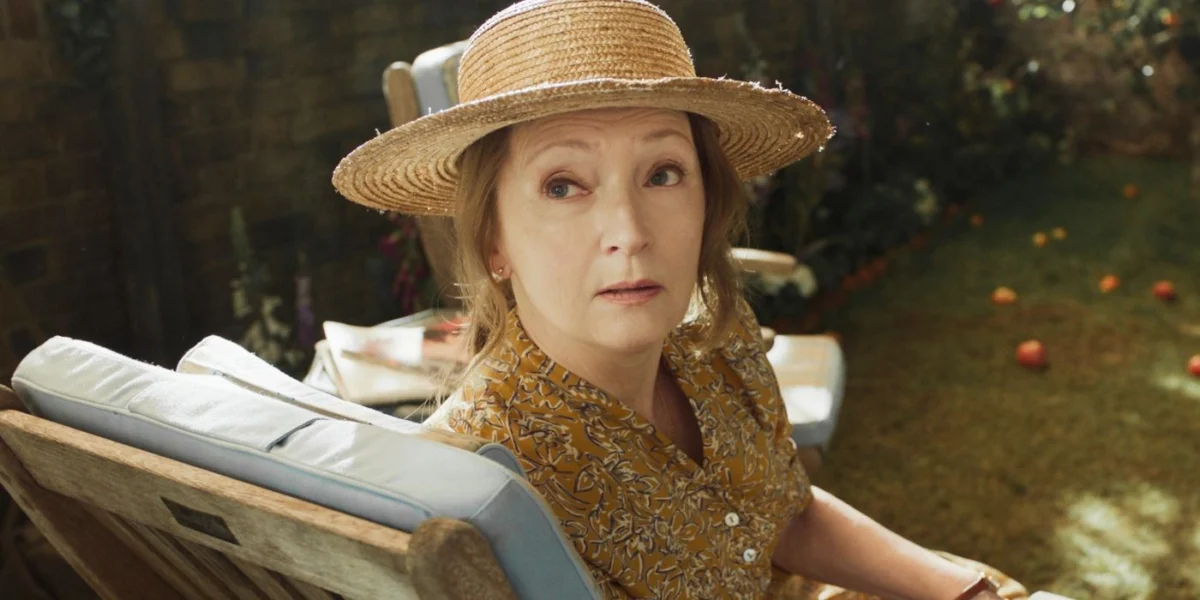
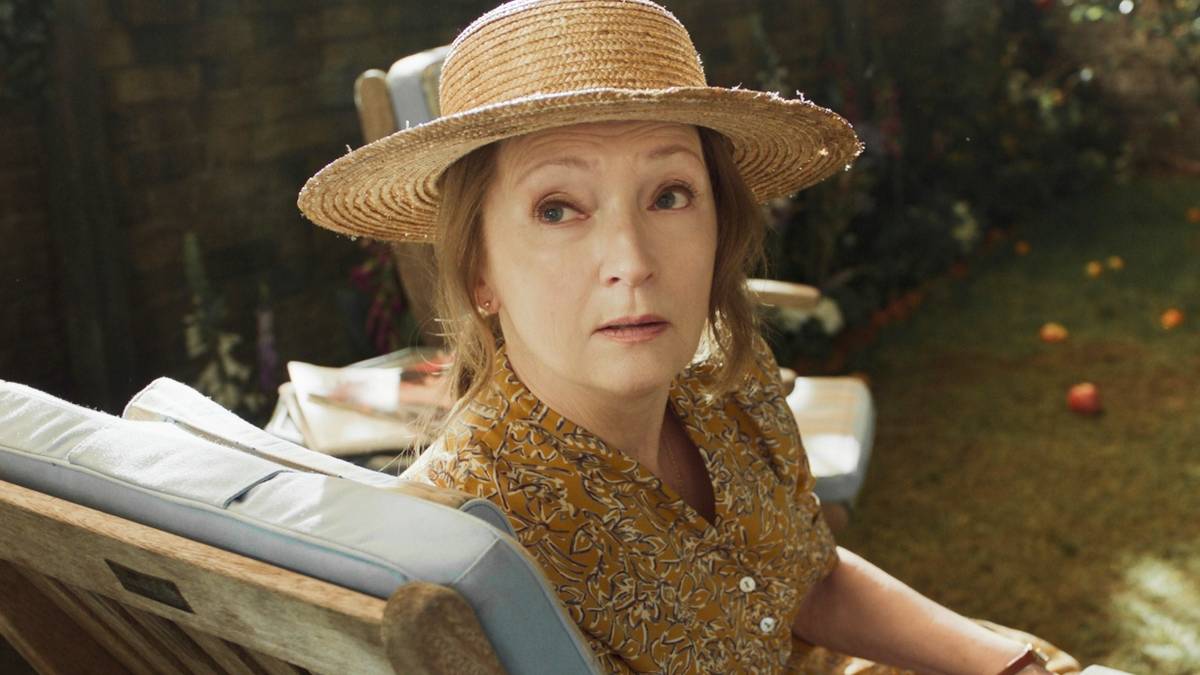
- Lesley Manville: In a standout supporting performance, Manville depicts Stephen’s wife with a haunting authenticity. Her portrayal of a woman shattered by loss—not just of her son, but of the version of her marriage she believed in—provides an emotional ballast to the show’s more frantic moments.
- Leila George and Louis Partridge: As the younger counterparts, these two actors do the heavy lifting of the flashback sequences. Their chemistry is volatile and complex, capturing the dangerous allure of youth and the long-term consequences of youthful indiscretions.
Official Responses and Critical Reception
Despite its undeniable quality, Disclaimer has, in many ways, been a "sleeper" hit. While it received significant critical acclaim upon its 2024 premiere for its technical prowess and narrative ambition, it did not dominate the pop-culture discourse in the way that Big Little Lies did during its peak.
During the awards season, the series was perhaps unfairly overlooked, securing only two Emmy nominations—one for Outstanding Cinematography and one for Blanchett’s tour-de-force performance. However, critics were quick to praise the show’s "unflinching look at the nature of shame." As one critic noted, "The series is a slow burn that demands your absolute attention, rewarding the patient viewer with a final act that is as devastating as it is earned."

Implications: The Nature of Truth in the Digital Age
Beyond its plot, Disclaimer serves as a poignant commentary on the digital age’s obsession with narrative. We live in a world where anyone can "write the book" on another person’s life, stripping away context to serve a specific agenda. The show asks the viewer: How much of what you believe about your neighbors, your colleagues, or even your own family is based on the narrative you have chosen to accept?
By challenging the concept of the "unreliable narrator," Disclaimer forces us to reckon with the ways we curate our own histories to shield ourselves from the consequences of our past. It suggests that while the truth may exist, it is rarely objective. It is a messy, subjective, and often painful collection of experiences that we can only hope to understand—never fully control.
Conclusion: Why You Should Start Bingeing Now
If you are currently waiting for Big Little Lies Season 3, or if you simply miss the dark, sophisticated tone of Sharp Objects, Disclaimer is the perfect palate cleanser. It possesses that rare "it" factor—a blend of high-end production, stellar acting, and a script that treats its audience with the intelligence they deserve.
It is a series that does not hold your hand; it pulls you into a labyrinth of secrets and asks you to find your own way out. With only seven episodes, it is a perfectly paced limited series that respects your time while lingering in your mind long after the final credits roll.
Do not let the lack of massive social media buzz fool you. Disclaimer is, without a doubt, one of the most compelling, well-crafted, and emotionally resonant dramas of the last few years. It is a story about the stories we tell ourselves, the lies we live, and the inevitable moment when the truth—no matter how buried—finally demands to be read.
